

Classic Gospel Songs and Performances – How Great Thow Art- Pat Boone – Charlie Daniels – Allan Jackson – Elvis Presley
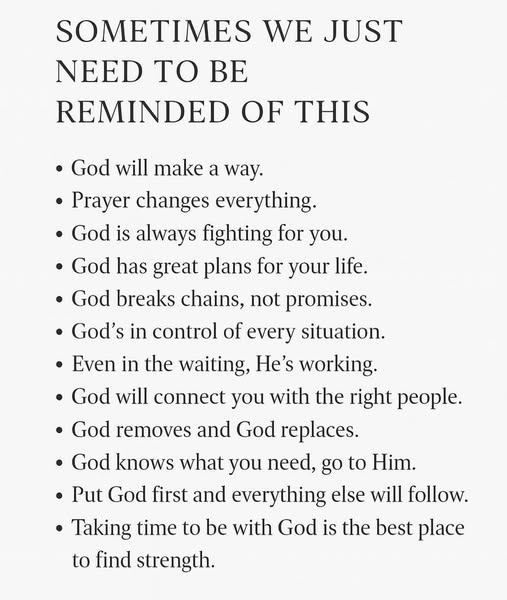
The Bible reveals a beautiful plan for our lives. We can know with all certainty many aspects of God’s plan because they are revealed in His Word. Other parts we discover as we walk in ever-deepening fellowship with God. Some pieces of the puzzle will only be revealed to us in eternity when we see Jesus face to face (1 Corinthians 13:9–12; see also 1 Corinthians 8:2).
God’s plan for my life is salvation. God’s paramount plan for us is to be saved through faith in Jesus Christ (John 3:16; 1 John 4:9; 2 Peter 3:9). Our loving heavenly Father wants us to come to Him as trusting children (John 1:12; 1 John 3:1) and depend on Him daily to satisfy the deepest longings of our hearts (Psalm 42:1–2; 63:1; John 4:13–14; 6:27, 35, 50–51; 7:37; Revelation 22:17). Through a personal, one-on-one connection with Him, God fulfills the purposes for which He created us.
God’s plan for my life is fellowship. We get to know God’s plan through living in communion with Him. At first, we have many questions. It’s impossible to see the whole picture from the start. A parent doesn’t disclose the intricate details of adulthood to an infant. New believers must rest in God and trust Him to reveal what we need to know about His plan as we mature and grow in faith. What we can know from the beginning is that God desires to have daily fellowship with us through the Holy Spirit because of Christ’s redeeming sacrifice on the cross (John 14:16–17, 23; Ephesians 2:18–19; Romans 5:10; 1 Corinthians 1:9).
God’s plan for my life is obedience. As we remain in fellowship with the Father, we begin to understand that He calls us to a life of submission to His will and His Word (John 14:15, 21; 1 John 3:24; 2 John 1:6). Jesus, who is our example in everything, said, “My food is to do the will of him who sent me and to accomplish his work” (John 4:34, ESV; see also John 5:30; 6:38; 14:31; Matthew 26:39). Christ demonstrated selfless obedience to the Father as His life’s mission (Hebrews 10:9 Philippians 2:8; Romans 5:18–19). Just as it was for Christ, wholehearted obedience to the Father’s will is God’s plan for our lives(Matthew 7:21; 12:50; 19:17; John 15:10; Ephesians 6:6; Romans 1:5).
God’s plan for my life is holiness. God’s purpose for every believer is to be conformed to the character of Christ: “For God knew his people in advance, and he chose them to become like his Son, so that his Son would be the firstborn among many brothers and sisters” (Romans 8:29, NLT; see also 2 Corinthians 3:18; 1 John 3:2). Whether we are young or old, married or single, rich or poor, black or white, male or female, God’s plan is for us to be made holy (Leviticus 11:44–45; Hebrews 12:10; 1 Peter 1:15–16; 1 John 3:3).
God’s plan for my life is discipleship. God calls Christians to be witnesses for Jesus in the world (Acts 1:8; Matthew 10:17–20) and to follow Christ in laying down our lives for others (1 John 3:16; Matthew 16:24–26; John 13:12–17). Discipleship involves learning from God (John 6:45) and loving and serving others (Ephesians 5:1–2; 1 Peter 2:16; 4:10; Galatians 6:9–10).
God’s plan for my life is good works. The Bible likens believers to works of art in the studio of the Master Artist: “For we are God’s masterpiece. He has created us anew in Christ Jesus, so we can do the good things he planned for us long ago” (Ephesians 2:10, NLT). Before we were born, God designed a plan for us (Psalm 139:13)—an itinerary of good works waiting for us to accomplish through our union with Him. He is the master, and we are His instruments (2 Corinthians 4:7–18; Jeremiah 18:6; Romans 9:20–21).
God’s plan for my life is progress. God does not reveal the complete plan for our lives all at once. We don’t get the whole schedule or the nitty-gritty details but only what we need to keep moving forward. Our job is to trust Him on the journey and allow Him to do the creative work in and through us as we “walk by faith, not by sight” (2 Corinthians 5:7).
Die Bybel openbaar ‘n pragtige plan vir ons lewens. Ons kan met alle sekerheid baie aspekte van God se plan ken, want dit word in Sy Woord geopenbaar. Ander dele ontdek ons terwyl ons in steeds dieper gemeenskap met God wandel. Sommige stukkies van die legkaart sal eers in die ewigheid aan ons geopenbaar word wanneer ons Jesus van aangesig tot aangesig sien (1 Korintiërs 13:9–12; sien ook 1 Korintiërs 8:2).
God se plan vir my lewe is verlossing. God se belangrikste plan vir ons is om gered te word deur geloof in Jesus Christus (Johannes 3:16; 1 Johannes 4:9; 2 Petrus 3:9). Ons liefdevolle hemelse Vader wil hê dat ons na Hom toe kom as vertrouende kinders (Johannes 1:12; 1 Johannes 3:1) en daagliks op Hom staatmaak om die diepste verlangens van ons harte te bevredig (Psalm 42:1–2; 63:1; Johannes 4:13–14; 6:27, 35, 50–51; 7:37; Openbaring 22:17). Deur ‘n persoonlike, een-tot-een verbintenis met Hom, vervul God die doeleindes waarvoor Hy ons geskep het.
God se plan vir my lewe is gemeenskap. Ons leer God se plan ken deur in gemeenskap met Hom te leef. Aanvanklik het ons baie vrae. Dit is onmoontlik om die hele prentjie van die begin af te sien. ‘n Ouer openbaar nie die ingewikkelde besonderhede van volwassenheid aan ‘n baba nie. Nuwe gelowiges moet in God rus en Hom vertrou om te openbaar wat ons oor Sy plan moet weet soos ons volwasse word en in geloof groei. Wat ons van die begin af kan weet, is dat God begeer om daaglikse gemeenskap met ons te hê deur die Heilige Gees as gevolg van Christus se verlossende offer aan die kruis (Johannes 14:16–17, 23; Efesiërs 2:18–19; Romeine 5:10; 1 Korintiërs 1:9).
God se plan vir my lewe is gehoorsaamheid. Soos ons in gemeenskap met die Vader bly, begin ons verstaan dat Hy ons roep tot ‘n lewe van onderdanigheid aan Sy wil en Sy Woord (Johannes 14:15, 21; 1 Johannes 3:24; 2 Johannes 1:6). Jesus, wat ons voorbeeld in alles is, het gesê: “My voedsel is om die wil te doen van Hom wat My gestuur het en om sy werk te volbring” (Johannes 4:34; sien ook Johannes 5:30; 6:38; 14:31; Matteus 26:39). Christus het onselfsugtige gehoorsaamheid aan die Vader as Sy lewensmissie gedemonstreer (Hebreërs 10:9; Filippense 2:8; Romeine 5:18–19). Net soos dit vir Christus was, is heelhartige gehoorsaamheid aan die Vader se wil God se plan vir ons lewens (Matteus 7:21; 12:50; 19:17; Johannes 15:10; Efesiërs 6:6; Romeine 1:5). God se plan vir my lewe is heiligheid. God se doel vir elke gelowige is om aan die karakter van Christus gelykvormig te word: “Want God het sy mense van tevore geken en hulle uitverkies om soos sy Seun te word, sodat sy Seun die eersgeborene sou wees onder baie broers en susters” (Romeine 8:29, NLT; sien ook 2 Korintiërs 3:18; 1 Johannes 3:2). Of ons nou jonk of oud is, getroud of enkellopend, ryk of arm, swart of wit, manlik of vroulik, God se plan is dat ons heilig gemaak moet word (Levitikus 11:44–45; Hebreërs 12:10; 1 Petrus 1:15–16; 1 Johannes 3:3).
God se plan vir my lewe is dissipelskap. God roep Christene om getuies vir Jesus in die wêreld te wees (Handelinge 1:8; Matteus 10:17–20) en om Christus te volg deur ons lewens vir ander af te lê (1 Johannes 3:16; Matteus 16:24–26; Johannes 13:12–17). Dissipelskap behels om van God te leer (Johannes 6:45) en om ander lief te hê en te dien (Efesiërs 5:1–2; 1 Petrus 2:16; 4:10; Galasiërs 6:9–10).
God se plan vir my lewe is goeie werke. Die Bybel vergelyk gelowiges met kunswerke in die ateljee van die Meesterkunstenaar: “Want ons is God se meesterstuk. Hy het ons nuut geskep in Christus Jesus, sodat ons die goeie dinge kan doen wat Hy lankal vir ons beplan het” (Efesiërs 2:10). Voor ons gebore is, het God ‘n plan vir ons ontwerp (Psalm 139:13) – ‘n reisplan van goeie werke wat op ons wag om te volbring deur ons vereniging met Hom. Hy is die meester, en ons is Sy instrumente (2 Korintiërs 4:7–18; Jeremia 18:6; Romeine 9:20–21).
God se plan vir my lewe is vooruitgang. God openbaar nie die volledige plan vir ons lewens op een slag nie. Ons kry nie die hele skedule of die fyner besonderhede nie, maar slegs wat ons nodig het om aan te beweeg. Ons taak is om Hom op die reis te vertrou en Hom toe te laat om die kreatiewe werk in en deur ons te doen terwyl ons “deur geloof wandel, nie deur aanskouing nie” (2 Korintiërs 5:7).

Bible Verse and Prayer for Today
For our light and momentary troubles are achieving for us an eternal glory that far outweighs them all. So we fix our eyes not on what is seen, but on what is unseen. For what is seen is temporary, but what is unseen is eternal.
—2 Corinthians 4:17-18
Life can be very tough. Eventually, our bodies are going to wear out and die. In the process of living, we’re going to face some challenging circumstances and experience some awful pain. I don’t mean to be pessimistic, but I do want to be real about life in our decaying world. So, as bad as life’s harshest realities can be, we are never abandoned by God (Romans 8:35-39) and are headed for an eternal glory beyond what we can imagine. Life’s difficulties can’t compare to this glory that awaits us (Romans 8:19). Our pain is “light and momentary” when compared to our future glory. The things that cause our pain are temporary. The treatments, the prescriptions, the therapies, the surgeries, the setbacks are all temporary. All these things that we have seen and experienced in our decaying world are passing. At the same time, our eternal glory, that fantastic future that we cannot yet see, is eternal… forever… incorruptible… and reserved for us as God’s precious children! Hallelujah! Let’s focus on what is unseen and eternal!
Prayer
Dear God, my Abba Father, please be with me during the painful and difficult passages of my life. Help me keep my heart fixed on what is unseen. In addition, dear Father, I pray that you will be tangibly present in the lives of the following people I love… (Pray for people personally you love, here!) Please grant them healing. Please pour your love into their hearts through the Holy Spirit and give them rugged perseverance and indestructible hope. Help them see your glory and anticipate the greater glory that awaits them. In Jesus’ name. Amen and Amen
Bybel Vers en Gebed vir Vandag
Want ons ligte en kortstondige probleme bewerkstellig vir ons ‘n ewige heerlikheid wat dit alles verreweg oortref. Daarom vestig ons ons oë nie op die sigbare nie, maar op die onsigbare. Want die sigbare is tydelik, maar die onsigbare is ewig.
—2 Korintiërs 4:17-18
Die lewe kan baie moeilik wees. Uiteindelik gaan ons liggame verslyt en sterf. In die proses van lewe gaan ons uitdagende omstandighede in die gesig staar en verskriklike pyn ervaar. Ek bedoel nie om pessimisties te wees nie, maar ek wil eerlik wees oor die lewe in ons vervallende wêreld. Dus, hoe erg die lewe se hardste realiteite ook al kan wees, word ons nooit deur God verlaat nie (Romeine 8:35-39) en is ons op pad na ‘n ewige heerlikheid wat bo ons ons kan indink. Die lewe se probleme kan nie vergelyk word met hierdie heerlikheid wat op ons wag nie (Romeine 8:19). Ons pyn is “lig en kortstondig” in vergelyking met ons toekomstige heerlikheid. Die dinge wat ons pyn veroorsaak, is tydelik. Die behandelings, die voorskrifte, die terapieë, die operasies, die terugslae is alles tydelik. Al hierdie dinge wat ons in ons vervalle wêreld gesien en ervaar het, gaan verby. Terselfdertyd is ons ewige heerlikheid, daardie fantastiese toekoms wat ons nog nie kan sien nie, ewig… vir ewig… onverganklik… en gereserveer vir ons as God se kosbare kinders! Halleluja! Kom ons fokus op wat onsigbaar en ewig is!
Gebed
Liewe God, my Abba Vader, wees asseblief met my gedurende die pynlike en moeilike gedeeltes van my lewe. Help my om my hart gevestig te hou op wat onsigbaar is. Daarbenewens, liewe Vader, bid ek dat U tasbaar teenwoordig sal wees in die lewens van die volgende mense wat ek liefhet… (Bid vir mense wat U persoonlik liefhet, hier!) Skenk hulle asseblief genesing. Stort asseblief u liefde in hulle harte deur die Heilige Gees en gee hulle robuuste deursettingsvermoë en onvernietigbare hoop. Help hulle om u heerlikheid te sien en die groter heerlikheid wat op hulle wag, te verwag. In Jesus se Naam. Amen en Amen
Bible Teaching of the Day
Many of God’s plans are detailed throughout the Bible. He has plans for nations, for people groups, and for individuals. Isaiah 46:10–11 summarizes what God wants us to know about His plans: “My purpose will stand, and I will do all that I please. From the east I summon a bird of prey; from a far-off land, a man to fulfill my purpose. What I have said, that I will bring about; what I have planned, that I will do.” It’s one thing to recognize that God has an overarching plan for the world; it is quite another to acknowledge that God has a specific life plan for each person.
Many places in Scripture indicate that God does have a specific plan for each human being. It starts before we are conceived. The Lord told Jeremiah, “Before I formed you in the womb I knew you, before you were born I set you apart; I appointed you as a prophet to the nations” (Jeremiah 1:5). God’s plan was not reactive, a response to Jeremiah’s conception. It was preemptive, implying that God specially formed this male child to accomplish His plan. David underscores this truth: “You created my inmost being; you knit me together in my mother’s womb” (Psalm 139:13). Unborn children are not accidents. They are being formed by their Creator for His purposes. That is one reason abortion is wrong. We have no right to disrespect God’s plan and violate God’s workmanship by killing a child He is in the process of forming.
God’s plan for every human being is that each one comes to know Him and accept His offer of salvation (2 Peter 3:9). He created us for fellowship with Him, and, when we reject the reconciliation He offers, we live at cross purposes with His plan for us. Beyond salvation, God also designed good works for each of us according to our gifts, strengths, and opportunities (Ephesians 2:10). He orchestrated the location and time into which each of us is born (Psalm 139:16). If He knows the number of hairs on our heads, then He knows us better than we know ourselves (Luke 12:7). He knows the gifts, talents, strengths, and weaknesses He gave us, and He knows how we could best use them to make an eternal impact. He gives us opportunities to store up treasure in heaven so that, for all eternity, we can enjoy His reward (Mark 9:41; Matthew 10:41–42).
God’s plan for each person is generally stated in Micah 6:8: “He has told you, O man, what is good; and what does the LORD require of you but to do justice, and to love kindness, and to walk humbly with your God?” His plan is for relationship over duties. When we walk in the Spirit (Galatians 5:16, 25), enjoying a loving relationship with the Lord, our actions indicate that closeness. Pleasing Him is our delight. His plan unfolds naturally as we grow in faith, mature in knowledge, and practice obedience with all we understand. As we obey His general plan for His children, we discover His uniquely designed plan for us individually.
We know God’s plan for those who know Him includes reaching others with the good news of salvation (Matthew 28:19; 2 Corinthians 5:20). His plan is for His children to be conformed to the likeness of Jesus Christ (Romans 8:29). He wants us to grow in grace and knowledge (2 Peter 3:18). He wants us to love other Christians the way He loves us (John 13:34). As we follow His Word, we will discover our own spiritual gifts and abilities that specially suit us to serve Him in unique ways (2 Corinthians 12:4–11). God’s plan unfolds in our lives as we use all we have for His glory (1 Corinthians 10:31).
We often become impatient in wondering what God’s plan is for our lives. But it is not as complicated as we make it out to be. God’s plan for us is revealed a little at a time as we follow Him, and His plan may look different in different seasons of life. A young woman may ask God to direct her to His plan and believes college is part of that plan. But halfway through college, she falls ill and must spend the next two years in a convalescent home. Is she now out of God’s plan? Not if her heart is set to obey Him. In that convalescent home, she meets a young man who becomes her husband. They both love the Lord and desire to serve Him and believe that His plan for them is the mission field. They begin preparation, but halfway through the training, she becomes pregnant with a high-risk pregnancy. Did they miss God’s plan? Has the Lord abandoned them? Not at all. Because of their experience caring for a child with special needs, they are able to minister to other families with similar needs. Their mission field looks much different from the one they had envisioned, but it is God’s plan for them. They are able to look back and see His hand in every turn along the way.
God’s plan is rarely a straight shot to a visible goal. His plan requires of us a journey, illustrated so well in Bunyan’s The Pilgrim’s Progress, and that journey may be filled with detours, sudden stops, and confusing turns. But if our hearts are set to obey Him in all that we know to do, then we will be in the center of His will every step of the way.
Bybel Lering vir die Dag
Baie van God se planne word dwarsdeur die Bybel breedvoerig beskryf. Hy het planne vir nasies, vir mensegroepe en vir individue. Jesaja 46:10–11 som op wat God wil hê ons moet weet oor Sy planne: “My besluit sal bestaan, en Ek sal doen alles wat My behaag. Uit die ooste roep Ek ‘n roofvoël, uit ‘n ver land ‘n man om my besluit te vervul. Wat Ek gesê het, dit sal Ek uitvoer; wat Ek beplan het, dit sal Ek doen.” Dis een ding om te erken dat God ‘n oorkoepelende plan vir die wêreld het; dis heeltemal iets anders om te erken dat God ‘n spesifieke lewensplan vir elke persoon het.
Baie plekke in die Skrif dui aan dat God wel ‘n spesifieke plan vir elke mens het. Dit begin voordat ons verwek word. Die Here het vir Jeremia gesê: “Voordat Ek jou in die moederskoot gevorm het, het Ek jou geken; voordat jy gebore is, het Ek jou afgesonder; Ek het jou as profeet vir die nasies aangestel” (Jeremia 1:5). God se plan was nie reaktief nie, ‘n reaksie op Jeremia se bevrugting. Dit was voorkomend, wat impliseer dat God hierdie manlike kind spesiaal gevorm het om Sy plan te volbring. Dawid beklemtoon hierdie waarheid: “U het my niere geskape; U het my in my moeder se skoot geweef” (Psalm 139:13). Ongebore kinders is nie ongelukke nie. Hulle word deur hul Skepper vir Sy doeleindes gevorm. Dit is een rede waarom aborsie verkeerd is. Ons het geen reg om God se plan te minag en God se vakmanskap te skend deur ‘n kind dood te maak wat Hy besig is om te vorm nie.
God se plan vir elke mens is dat elkeen Hom leer ken en Sy aanbod van verlossing aanvaar (2 Petrus 3:9). Hy het ons geskape vir gemeenskap met Hom, en wanneer ons die versoening wat Hy bied, verwerp, leef ons in stryd met Sy plan vir ons. Benewens verlossing, het God ook goeie werke vir elkeen van ons ontwerp volgens ons gawes, sterk punte en geleenthede (Efesiërs 2:10). Hy het die plek en tyd waarin elkeen van ons gebore word, georkestreer (Psalm 139:16). As Hy die aantal hare op ons koppe ken, dan ken Hy ons beter as wat ons onsself ken (Lukas 12:7). Hy ken die gawes, talente, sterk punte en swakpunte wat Hy vir ons gegee het, en Hy weet hoe ons dit die beste kan gebruik om ‘n ewige impak te maak. Hy gee ons geleenthede om skatte in die hemel op te gaar sodat ons vir ewig Sy beloning kan geniet (Markus 9:41; Matteus 10:41–42).
God se plan vir elke persoon word oor die algemeen in Miga 6:8 uiteengesit: “Hy het jou, o mens, bekend gemaak wat goed is; en wat vra die Here van jou anders as om reg te doen en liefde te liefhê en ootmoedig te wandel met jou God?” Sy plan is vir verhouding bo pligte. Wanneer ons in die Gees wandel (Galasiërs 5:16, 25), en ‘n liefdevolle verhouding met die Here geniet, dui ons dade op daardie nabyheid. Om Hom te behaag is ons vreugde. Sy plan ontvou natuurlik soos ons in geloof groei, volwasse word in kennis en gehoorsaamheid beoefen met alles wat ons verstaan. Soos ons Sy algemene plan vir Sy kinders gehoorsaam, ontdek ons Sy uniek ontwerpte plan vir ons individueel.
Ons weet God se plan vir diegene wat Hom ken, sluit in dat ons ander met die goeie nuus van verlossing bereik (Matteus 28:19; 2 Korintiërs 5:20). Sy plan is dat Sy kinders gelykvormig moet word aan die gelykenis van Jesus Christus (Romeine 8:29). Hy wil hê dat ons in genade en kennis moet groei (2 Petrus 3:18). Hy wil hê dat ons ander Christene moet liefhê soos Hy ons liefhet (Johannes 13:34). Soos ons Sy Woord volg, sal ons ons eie geestelike gawes en vermoëns ontdek wat spesiaal by ons pas om Hom op unieke maniere te dien (2 Korintiërs 12:4–11). God se plan ontvou in ons lewens soos ons alles wat ons het tot Sy eer gebruik (1 Korintiërs 10:31).
Ons raak dikwels ongeduldig en wonder wat God se plan vir ons lewens is. Maar dit is nie so ingewikkeld soos ons dit laat lyk nie. God se plan vir ons word bietjie vir bietjie geopenbaar soos ons Hom volg, en Sy plan mag dalk anders lyk in verskillende seisoene van die lewe. ‘n Jong vrou mag God vra om haar na Sy plan te lei en glo dat kollege deel van daardie plan is. Maar halfpad deur kollege word sy siek en moet sy die volgende twee jaar in ‘n herstelhuis deurbring. Is sy nou buite God se plan? Nie as haar hart daarop ingestel is om Hom te gehoorsaam nie. In daardie herstelhuis ontmoet sy ‘n jongman wat haar man word. Hulle het albei die Here lief en verlang om Hom te dien en glo dat Sy plan vir hulle die sendingveld is. Hulle begin met voorbereiding, maar halfpad deur die opleiding raak sy swanger met ‘n hoërisiko-swangerskap. Het hulle God se plan gemis? Het die Here hulle verlaat? Glad nie. As gevolg van hul ervaring met die versorging van ‘n kind met spesiale behoeftes, kan hulle ander gesinne met soortgelyke behoeftes bedien. Hul sendingveld lyk baie anders as die een wat hulle in gedagte gehad het, maar dit is God se plan vir hulle. Hulle kan terugkyk en Sy hand in elke draai langs die pad sien. God se plan is selde ‘n reguit skoot na ‘n sigbare doelwit. Sy plan vereis van ons ‘n reis, so goed geïllustreer in Bunyan se The Pilgrim’s Progress, en daardie reis mag gevul wees met ompaaie, skielike stops en verwarrende draaie. Maar as ons harte daarop ingestel is om Hom te gehoorsaam in alles wat ons weet om te doen, dan sal ons in die die middelpunt van Sy wil elke tree van die pad.

Today’s Devotional
“‘For I know the plans I have for you,’ declares the Lord, ‘plans to prosper you and not to harm you, plans to give you hope and a future.’” This verse or portions of it are very popular. Jeremiah 29:11 is often displayed on posters, T-shirts, bumper stickers, etc. This verse is often spoken as a promise of hope to people who are grieving or discouraged. However, before it can be applied, it must first be understood in context.
When interpreting Scripture, we must keep in mind the distinction between a passage’s interpretation and the same passage’s application: a passage can have only one meaning, but it may have many applications. Jeremiah 29:11 is no different. The verse has only one meaning.
Jeremiah 29 is addressed to the exiles in Babylon. As punishment for the sins of Judah, God was going to send the Babylonians to destroy Jerusalem and the temple and to carry away many of the people to Babylon. (See Jeremiah 25:8–14 for one example.) At the time Jeremiah wrote Jeremiah 29, Nebuchadnezzar had already removed some Jews to Babylon (see verse 1), although the total destruction of Jerusalem and the temple was still to come. Jeremiah writes to the exiles to tell them that people would return to the land after 70 years (verse 10). Then he reassures them in verse 11 that God has not forsaken them. They will be restored. God’s plans for His Chosen People were “for good and not for disaster, to give you a future and a hope” (NLT).
In the primary application, Jeremiah 29:11 has nothing to do with any person living today. This verse applied only to the Jews who were in exile in Babylon during the sixth century BC. However, the sentiment expressed is so beautiful and encouraging, is there not any sense in which it applies today? The answer is, yes.
Jeremiah 29:11 has other applications. In particular, this verse reflects a more general principle of God’s grace and affections for those whom He loves, including the modern church. This more general application can be made because of the unchanging nature of God.
God had promised to bring Israel back; therefore, the exiles could be assured that they had a future and a hope. This promise was not made to all nations at the time, but only to Israel. Likewise, God has promised believers in Christ certain things that are not applicable to the human race in general. For those who are in Christ, God has promised that our sins are forgiven and we stand before God justified. God has plans for those in Christ, and those plans are good.
Shades of Jeremiah 29:11 are seen elsewhere in Scripture, such as in Romans 8:31–39: “If God is for us, who can be against us? He who did not spare his own Son, but gave him up for us all—how will he not also, along with him, graciously give us all things? Who will bring any charge against those whom God has chosen? It is God who justifies. Who then is the one who condemns? No one. Christ Jesus who died—more than that, who was raised to life—is at the right hand of God and is also interceding for us. Who shall separate us from the love of Christ? Shall trouble or hardship or persecution or famine or nakedness or danger or sword? . . . No, in all these things we are more than conquerors through him who loved us. For I am convinced that neither death nor life, neither angels nor demons, neither the present nor the future, nor any powers, neither height nor depth, nor anything else in all creation, will be able to separate us from the love of God that is in Christ Jesus our Lord.”
Believers in Christ can be confident that all things will work together for our good and that God has a future planned for us. We have hope that “does not put us to shame” (Romans 5:5). We have been given promises to rely on, just as Israel was. So, if by quoting Jeremiah 29:11 we are thinking of our security in Christ, then the wording is appropriate, even if the historical context does not apply.
A word of caution, however, that Jeremiah 29:11 can be misused as well. First, it is sometimes wrongly applied to humanity in general. Strictly speaking, the promise of Jeremiah 29:11 does not apply to every human being, but only those who are in Christ. Perhaps it could even be extended as part of the invitation to receive Christ: “If you come to Him, He promises you a future and a hope!” Outside of Christ, the only Savior, there is no future and no hope (see John 3:18). Too often, Jeremiah 29:11, quoted without context and applied universally, is made to give the impression that God is a doting grandfather who just wants to spoil us.
The second danger of using this verse without understanding the context is the same as the danger of taking Romans 8:28 out of context. Jeremiah 29:11 promised that the nation of Israel would be restored, but very few of the exiles lived to see the fulfillment of that prophecy 70 years later. Most of them died without seeing the future that God had planned. Likewise, the future and hope we have in Christ are not a guarantee that things will go well in this life. For most believers throughout history and in the world today, the world is a cold and dangerous place. In fact, the promise outlined in Romans 8:28 is specifically that, even though believers will face all sorts of dangers and persecutions in this life (trouble, hardship, persecution, famine, nakedness, danger, sword—see verse 35), Christ will never abandon them. In this life, believers have hope because of the work of the Holy Spirit in our hearts, but the future and the hope and the prosperity that God has planned for believers will be fully realized only after this life of suffering is over.
Vandag se Bemoediging
“‘Want Ek weet watter planne Ek vir julle koester,’ spreek die Here, ‘planne van voorspoed en nie van teenspoed nie; Ek wil julle ’n hoopvolle toekoms gee.’” Hierdie vers of gedeeltes daarvan is baie gewild. Jeremia 29:11 word dikwels op plakkate, T-hemde, plakkers, ens. vertoon. Hierdie vers word dikwels as ’n belofte van hoop aan mense wat treur of mismoedig is, uitgespreek. Voordat dit egter toegepas kan word, moet dit eers in konteks verstaan word.
Wanneer ons die Skrif interpreteer, moet ons die onderskeid tussen ’n gedeelte se interpretasie en dieselfde gedeelte se toepassing in gedagte hou: ’n gedeelte kan slegs een betekenis hê, maar dit kan baie toepassings hê. Jeremia 29:11 is nie anders nie. Die vers het slegs een betekenis.
Jeremia 29 is gerig aan die ballinge in Babilon. As straf vir die sondes van Juda, sou God die Babiloniërs stuur om Jerusalem en die tempel te vernietig en baie van die mense na Babilon weg te voer. (Sien Jeremia 25:8–14 vir een voorbeeld.) Ten tyde van die skryf van Jeremia Jeremia 29, het Nebukadnesar reeds sommige Jode na Babilon weggevoer (sien vers 1), alhoewel die totale vernietiging van Jerusalem en die tempel nog moes kom. Jeremia skryf aan die ballinge om hulle te vertel dat mense na 70 jaar na die land sou terugkeer (vers 10). Dan verseker hy hulle in vers 11 dat God hulle nie verlaat het nie. Hulle sal herstel word. God se planne vir Sy Uitverkore Volk was “ten goede en nie tot rampspoed nie, om julle ‘n toekoms en ‘n hoop te gee” (NLT).
In die primêre toepassing het Jeremia 29:11 niks te doen met enige persoon wat vandag leef nie. Hierdie vers was slegs van toepassing op die Jode wat gedurende die sesde eeu v.C. in ballingskap in Babilon was. Die sentiment wat uitgespreek word, is egter so mooi en bemoedigend, is daar geen sin waarin dit vandag van toepassing is nie? Die antwoord is ja.
Jeremia 29:11 het ander toepassings. In die besonder weerspieël hierdie vers ‘n meer algemene beginsel van God se genade en liefde vir diegene wat Hy liefhet, insluitend die moderne kerk. Hierdie meer algemene toepassing kan gemaak word as gevolg van die onveranderlike aard van God.
God het belowe om Israel terug te bring; daarom kon die ballinge verseker wees dat hulle ‘n toekoms en hoop gehad het. Hierdie belofte is nie aan alle nasies destyds gemaak nie, maar slegs aan Israel. Net so het God aan gelowiges in Christus sekere dinge belowe wat nie van toepassing is op die mensdom in die algemeen nie. Vir diegene wat in Christus is, het God belowe dat ons sondes vergewe is en dat ons geregverdig voor God staan. God het planne vir diegene in Christus, en daardie planne is goed.
Skakerings van Jeremia 29:11 word elders in die Skrif gesien, soos in Romeine 8:31–39: “As God vir ons is, wie kan teen ons wees? Hy wat sy eie Seun nie gespaar het nie, maar Hom vir ons almal oorgegee het – hoe sal Hy ons nie saam met Hom ook alles genadiglik skenk nie? Wie sal enige aanklag inbring teen die uitverkorenes? Dit is God wat regverdig. Wie veroordeel dan? Niemand nie. Christus Jesus wat gesterf het – meer as dit, wat uit die lewe opgewek is – sit aan die regterhand van God en tree ook vir ons in. Wie sal ons skei van die liefde van Christus? Verdrukking of benoudheid of vervolging of honger of naaktheid of gevaar of swaard? … Nee, in al hierdie dinge is ons meer as oorwinnaars deur Hom wat ons liefgehad het. Want ek is oortuig dat geen dood of lewe of engele of demone of die hede of die toekoms of enige magte of hoogte of diepte of enigiets anders in die hele skepping ons sal kan skei van die liefde van God wat daar in Christus Jesus, onse Here, is nie.”
Gelowiges in Christus kan vol vertroue wees dat alle dinge ten goede sal meewerk en dat God ‘n toekoms vir ons beplan het. Ons het hoop wat “ons nie beskaam nie” (Romeine 5:5). Ons is beloftes gegee om op te staatmaak, net soos Israel. Dus, as ons deur Jeremia 29:11 aan te haal, aan ons veiligheid in Christus dink, dan is die bewoording gepas, selfs al is die historiese konteks nie van toepassing nie.
‘n Woord van waarskuwing egter dat Jeremia 29:11 ook misbruik kan word. Eerstens word dit soms verkeerdelik op die mensdom in die algemeen toegepas. Streng gesproke is die belofte van Jeremia 29:11 nie op elke mens van toepassing nie, maar slegs op diegene wat in Christus is. Miskien kan dit selfs uitgebrei word as deel van die uitnodiging om Christus te ontvang: “As jy na Hom toe kom, belowe Hy jou ‘n toekoms en ‘n hoop!” Buite Christus, die enigste Verlosser, is daar geen toekoms en geen hoop nie (sien Johannes 3:18). Jeremia 29:11, aangehaal sonder konteks en universeel toegepas, word te dikwels gemaak om die indruk te wek dat God ‘n toegewyde oupa is wat ons net wil bederf.
Die tweede gevaar om hierdie vers te gebruik sonder om die konteks te verstaan, is dieselfde as die gevaar om Romeine 8:28 uit konteks te neem. Jeremia 29:11 het belowe dat die nasie Israel herstel sou word, maar baie min van die ballinge het geleef om die vervulling van daardie profesie 70 jaar later te sien. Die meeste van hulle het gesterf sonder om die toekoms te sien wat God beplan het. Net so is die toekoms en hoop wat ons in Christus het, nie ‘n waarborg dat dinge sal goed gaan in hierdie lewe. Vir die meeste gelowiges deur die geskiedenis en in die wêreld vandag, is die wêreld ‘n koue en gevaarlike plek. Trouens, die belofte wat in Romeine 8:28 uiteengesit word, is spesifiek dat, alhoewel gelowiges allerhande gevare en vervolging in hierdie lewe sal teëkom (moeilikheid, ontbering, vervolging, hongersnood, naaktheid, gevaar, swaard – sien vers 35), Christus hulle nooit sal verlaat nie. In hierdie lewe het gelowiges hoop as gevolg van die werk van die Heilige Gees in ons harte, maar die toekoms en die hoop en die voorspoed wat God vir gelowiges beplan het, sal eers ten volle verwesenlik word nadat hierdie lewe van lyding verby is.

TruLight Ministries Daily Entertainment
TruLight TV – Gospel Concert = Canadian Homecoming
Join Bill and Gloria Gaither and their Homecoming Friends as they travel north to Toronto for a Canadian Homecoming. You’ll love this toe-tapping, uplifting and exciting concert-in-the-round experience, taped before a sold-out audience in Toronto’s Air Canada Centre!
Today on TruLight Radio XM
TruLight Radio XM 24/7
Program
GMT / UTC +2
Monday To Fridays
00:15 Words to Live By Testimonies
01.15 Science Scripture and Salvation
02.15 Ground Works
04.00 Gospel Concert of the Day
05.00 The Daren Streblow Comedy Show
5:55 It is Today devotional
6:00 Gaither Homecoming Morning Show
7:15 Discover the Word
8.15 Destined for Victory
8:55 Science Scripture and Salvation
9:00 Holy Spirit Hour – Normally Sermons
10:15 Hope of the Heart
11:15 Unshackled
11.45 Words to Live By
12:15 Truth for Life
13:15 Living on the Edge with Chip Ingram
14:15 Focus on the Family
15:00 Kids Hour
16:00 In Touch with Dr. Charles Stanley
16:30 Groundwork
17:15 Live in the Light
18:15 Renewing your Mind
19:00 Gaither Homecoming Show
20:15 Growing Hope
21:15 Adventures in Odyssey Radio Drama
21:45 Bible Reading
22:15 Nightsounds
23.00 Good Old Country Gospel / Rhema Gospel Express
VISIT THE WEBSITE
https://TruLightRadioXM.org.za

BIBLE PROPHECY IN THE NEWS
Hope In The Hallways: UniteUS Spiritual Awakening Spreads To High Schools

What began as a spark among university students has become a growing flame in America’s high schools. The UniteUS revival, once synonymous with packed auditoriums on college campuses, is now spilling into gymnasiums and arenas filled with teenagers hungry for truth, meaning, and something real.
The momentum behind this movement did not appear overnight. UniteUS first captured national attention in September 2023 at Auburn University, where more than 5,000 students gathered to worship and proclaim the name of Jesus. That night, what began as a campus event spilled beyond expectations as 200 students were spontaneously baptized in a nearby lake–an unplanned, unmistakable moment of spiritual awakening.
Similar scenes soon followed at other universities, where thousands packed arenas, lingered for hours, and responded to altar calls marked not by emotional hype but by repentance, prayer, and surrender. These were not isolated incidents; they were signs of something steadily building.
This week in Nashville, Tennessee, that same spiritual hunger showed up–this time among high school students. More than 1,500 teenagers gathered for the first-ever Unite High Schools event. By the end of the night, over 1,000 of them had fully surrendered their lives to Jesus Christ.
As worship rose, the room transformed–students left their seats, streamed to the altar, and filled the space with prayer, tears, and repentance. The ministry later summed it up with awe: “The arena emptied as the altar filled… Revival is moving to high schools!”
This is not a manufactured moment or a clever rebrand. It is the natural outgrowth of what God has already been doing through UniteUS on college campuses across the country. Since its launch, the movement has gathered more than 110,000 college students across 18 campuses.
In just the past four months alone, 22,000 students have given their lives to Christ. Thousands more have been baptized and connected to local churches. These are not fleeting emotional experiences; they are measurable, life-altering decisions rooted in faith and community.
What makes the expansion into high schools especially striking is that it wasn’t driven by strategy–it was driven by student hunger. Founder Tonya Prewett shared that high schoolers themselves began reaching out, pleading for UniteUS to come to them. Despite an already intense schedule of university events, she felt God prompting her to trust Him. Within three weeks, the Nashville event was planned. Within one night, history was made.
And the timing could not be more significant. Today’s teenagers are navigating a world saturated with confusion about identity, truth, morality, and purpose. They are encouraged to question everything, yet rarely given answers that satisfy the soul. Many are weary of political talking points and ideological pressure, longing instead for something authentic. UniteUS offers exactly that–a clear, uncompromising presentation of the gospel and an invitation to fully surrender to Jesus Christ.
The response from students and parents alike reveals just how deep this hunger runs. Social media filled with testimonies declaring, “God is moving.” One mother admitted she wept as she watched hundreds of teens worship openly, saying the night restored her hope for the future generation. In an era dominated by discouraging headlines about youth culture, these moments feel almost countercultural.
For the Church, this movement is both a reassurance and a responsibility. It reassures us that the next generation has not rejected God–they are responding when He is proclaimed boldly and lovingly. At the same time, it challenges believers to support, disciple, and walk alongside these students long after the altar calls end. Revival is not sustained by events alone; it grows through faithful community and spiritual mentorship.
As UniteUS steps into high schools, it enters a critical mission field–one where hearts are tender, questions are raw, and faith can take root early. Nashville was not an isolated moment. It was a signpost.
SIGNS OF THE TIMES
The EU’s Plan To Read Your Messages – All Of Them

In Europe, the controversy surrounding what is popularly known as the “Chat Control” project — proposed EU regulation officially aimed at combating child sexual abuse material — has, for months, been crystallizing massive opposition on both technical and civic fronts.
The core principles of the legislation are clear:
“Detection software would be embedded in the messaging app or the operating system to scan chat content and automatically forward any material flagged as prohibited to law enforcement agencies.”
The automatic scan of private content (texts, images, videos) sent through messaging platforms such as WhatsApp and Telegram, or prompts sent to AI platforms (e.g. ChatGPT) would take place “client-side,” before its encryption, meaning directly on your phone, tablet or computer. Welcome to 1984. In the first proposal for a Chat Control project in 2022, such scanning was mandatory. In the current proposal, it is optional — but strongly recommended.
Whenever there is a desire to expand control over European citizens, “terrorism” or pedophilia is invoked. It is a clever tactic: who would want to be perceived as supporting terrorists or sympathizing with pedophiles?
Of course, however, that does not seem to be the regulation’s true objective. The real issue appears to be the government’s desire to control, regulate, police and monitor European citizens down to their smallest gesture.
The unelected, untransparent and unaccountable EU does not care about your freedom; it fights against it.
Why Many Experts Consider Automatic Detection Dangerous
Major Technical Limitations
Some of Europe’s most renowned researchers in cybersecurity and privacy have signed an open letter warning that the expansion of “client-side scanning” (scanning content on the user’s device) paves the way for mass surveillance. This is an understatement: scanning the communications of tens of millions of users is, by definition, mass surveillance.
The EU’s initial proposal required scanning all messages in the EU — without exception. Faced with overwhelming opposition, the EU returned with a text that merely allows — without mandating — exactly the same practice. Are you texting your child or perhaps your bank? Your message is scanned. Sending a prompt to ChatGPT? Scanned. Your life is an uninterrupted scan, and anything you type that is deemed by the monitoring software as “prohibited” is forwarded to law enforcement authorities.
100% transparency; 100% control: the leitmotif of every totalitarian project since the 20th century.
An academic study, Bugs in Our Pockets: The Risks of Client-Side Scanning, warned of the dangers inherent in this approach. According to its Cornell University authors, the scanning “does not effectively prevent crime or protect privacy”. The study demonstrates that such a system could be circumvented, misused, or overwhelmed by false positives, and would create new security vulnerabilities.
Apparently these algorithms cannot reliably differentiate between innocent exchanges and illegal behavior. This problem is particularly true for written conversations, where context, irony, sarcasm or family quirks can easily lead to misinterpretation. Consider, for instance, a newborn baby, often naked. Send a photo of your baby to a relative, and the algorithm may report you to the authorities as what it believes you are — a pedophile. A letter from the police is ready to be dispatched, summoning you to explain the “child pornography” you are allegedly circulating.
Massive False Positives — and Their Consequences
According to the writers of the aforementioned open letter, this inability to correctly analyze communications could easily entrap the participants in billions of legitimate private exchanges in a vast net.
I happen to be the happy father of an 18-month-old girl. For professional reasons, her mother and I do not always live together, and we constantly exchange photos of our daughter — up to ten times a day. All it would take is for an algorithm to flag a single image, just once, for us to become suspects, quietly entering countless criminal databases, justifying surveillance, official intervention, and more. Even East Germany’s Stasi never dreamed of such power.
This liability for false positives has already been observed in existing reporting systems: holiday photos, such as children playing on a beach, are automatically flagged, triggering unjustified procedures, investigations, or leaks exposing the private lives of innocent people. These cases illustrate the jeopardy of widespread Orwellian policing: the presumption of guilt.
A Breach of Encryption — and of Overall Security
A central objection raised by privacy advocates and secure messaging services — WhatsApp, Telegram, Signal and others — is that scanning fundamentally undermines end-to-end encryption. In reality, it abolishes it.
What is the point of encrypting something that is already being spied on? This proposed EU regulation effectively turns any phone or computer into an instrument of surveillance and intrusion. “Siri, tell me: how many civil servants are reading our conversations?” Just preventively, of course: to fight Evil.
Some companies, such as Signal, are threatening to leave the EU rather than compromise encryption. It takes far more, however, to move the European Commission: after all, the European economy is flourishing so “brilliantly” that it can easily afford to chase away the world’s best companies.
The latest version of the draft regulation — put forward by the socialist Danish EU presidency — transforms the scanning requirement into a “voluntary option”, allowing a political agreement between member states. This reversal is merely a rapid cosmetic fix: the proposal maintains all the mechanisms that, in practice, establish widespread, arbitrary and massive control. It is, essentially, a totalitarian structure.
Nextcloud, a privacy and encryption advocacy organization, warns that the proposed regulation poses “a fatal threat to our democracies”. It creates an infrastructure capable of spying on private conversations on a massive scale, making them accessible with a single click to even the most inconsequential civil servant.
Some criticisms of the proposed regulation point to violations of the secrecy of correspondence, fundamental freedoms and the right to a fair trial. Communications between lawyers and their clients will be scanned, as will WhatsApp messages with your doctor about erectile dysfunction problems or suspected cancer. By definition, nothing escapes its doting supervision. Everything is suspect. You are suspect.
Unfortunately, none of these objections is likely to sway the European Commission’s refined minds. Ideologues occasionally have a way of being impervious to reality, reason or any values other than their own. In the corridors of the EU, control appears to be the dominant value. All these people hear is force.
This may be precisely what awaits us.
Monstrous Regulation
As most of the targeted internet and technology service providers are American, Chat Control, even in its new hypocritical “Stasi-lite” guise, will inevitably lead to confrontation with the U.S. government. Chat Control would apply not only to communications originating in Europe and destined for Europe, but also to EU member-state citizens on American soil as well as to communications from anywhere in the world to Europe.
In short, messaging and AI platforms would soon inevitably be forced to extend Chat Control to all communications. This is yet another example of regulatory imperialism characteristic of the incompetent people who run the EU today.
Do we really believe The Western World will tolerate this new surge of repression from a decadent continent trampling on the principles that once made its civilization great?
GOG AND MAGOG UPDATE
WATCH: Israel showcases cutting-edge drones at high-level defense conference
At the UVID Dronetech 2025 conference, Israeli companies unveiled their latest offensive and defensive drones—designed with real combat experience and fully adaptable for modern operational needs.
TruLight Ministry News

TruLight Ministries orders from God since 2012 . Teach Them , Comfort Them and Warn Them!
////////////
TruLight Ministries opdrag vanaf God sedert 2012. Leer hulle, Troos hulle en Waarsku hulle!
Understand the End-times by Listening to the TruLight Eschatology Radio Drama Plays
Doctrine of Demons – Teaching for the Christian , Discerning the spirits
Share this Feeding of Manna with your Friends and Family. just click on the Social Media icon and share !