Hosted by TruLight Ministries – The Place of Truth
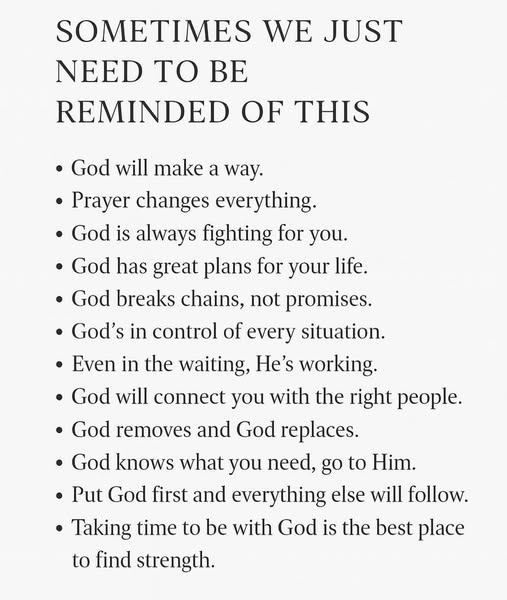
GOD REMOVES & GOD PLACES
The Bible teaches believers to be law-abiding citizens, to avoid civil disputes, and to show respect for all people in positions of authority. In Romans 13:1–14, the apostle Paul refers chiefly to the Christian’s attitude toward human governing authorities: “Everyone must submit to governing authorities. For all authority comes from God, and those in positions of authority have been placed there by God. So anyone who rebels against authority is rebelling against what God has instituted, and they will be punished” (verses 1–2, NLT).
All authority comes from God means that God is the One who establishes and ordains civil government. The original Greek word (exousia), translated as “authority” in Romans 13:1, refers to the authority exerted by government officials. Christians are called to recognize, respect, and submit to public officials as the Lord’s appointed servants to restrain evil, punish the disobedient, and carry out God’s righteous will in society.
The apostle Peter echoes the command: “Submit yourselves for the Lord’s sake to every human authority: whether to the emperor, as the supreme authority, or to governors, who are sent by him to punish those who do wrong and to commend those who do right. For it is God’s will that by doing good you should silence the ignorant talk of foolish people. Live as free people, but do not use your freedom as a cover-up for evil; live as God’s slaves. Show proper respect to everyone, love the family of believers, fear God, honor the emperor” (1 Peter 2:13–17).
A proper, godly response to authority is our Christian witness to the world. When believers obey the law and show respect for government officials, their conduct reflects the example of Jesus Christ. When He was arrested, put on trial, and was crucified, Jesus was submissive to the authorities (see Matthew 26:47–56; 27:11–44; John 18:1–14; 18:28—19:30).
In the Old Testament, God is presented as the ultimate ruling authority over all human governments: “He controls the course of world events; he removes kings and sets up other kings” (Daniel 2:21, NLT see also Daniel 4:17; 5:18–21). God raises and brings down leaders according to His will (see Psalm 75:6–7). Knowing that all authority comes from God should motivate all leaders to exercise their power responsibly (Matthew 20:25–28; 2 Corinthians 10:8; 13:10).
All authority comes from God means that obeying the law, paying taxes, and respecting our leaders is not optional for Christians. If we reject and rebel against human authority, we are rebelling against God. And Scripture says if we do this, He will punish us (Romans 13:2).
All authority comes from God does not mean blind, unreasoning obedience. The believer’s allegiance is first and foremost to God (see Exodus 1:17; Daniel 3:10–12). Suppose submission to a human authority will cause us to disobey God and His Word. In that case, we are to follow the example of Peter and the apostles: “We must obey God rather than any human authority” (Acts 5:29, NLT).
The highest authority belongs to God, who does as He pleases (Psalm 115:3). He rules over angels, demons, and all the unseen forces of the spiritual realm (Psalm 91:11; Luke 4:10; Ephesians 6:10–24). He is the sovereign head of the church: “God has put all things under the authority of Christ and has made him head over all things for the benefit of the church” (Ephesians 1:22, NLT, see also Ephesians 4:15; 5:22–23; Colossians 1:18; 3:18). God ordains spiritual leaders in the church and calls believers to “submit to their authority” (Hebrews 13:17; see also 1 Corinthians 16:15–16; 1 Thessalonians 5:12–13) and to “one another out of reverence for Christ” (Ephesians 5:21).
God also established the hierarchy of authority in the home and family, between husbands and wives and parents and children (see Genesis 18:19; Proverbs 6:20; Joshua 24:15; 1 Corinthians 11:3; Ephesians 5:23; 6:1–4; Colossians 3:20; 1 Timothy 3:4, 12). Likewise, God is the Master over all earthly bosses (Colossians 4:1), and therefore Christians must respect those in authority in the workplace (Ephesians 6:5–9; Colossians 3:22–24; 1 Timothy 6:1–2; Titus 2:9–10; 1 Peter 2:18–21). Ultimately, all authority comes from God, the almighty Creator of everything (2 Chronicles 20:6; Acts 17:24–28; Romans 9:19–21).
Die Bybel leer gelowiges om wetsgehoorsame burgers te wees, siviele geskille te vermy en respek te toon vir alle mense in gesagsposisies. In Romeine 13:1–14 verwys die apostel Paulus hoofsaaklik na die Christen se houding teenoor menslike regeringsowerhede: “Elkeen moet hom aan die owerhede onderwerp. Want alle gesag kom van God, en diegene in gesagsposisies is deur God daarin geplaas. Elkeen wat teen gesag in opstand kom, in opstand teen wat God ingestel het, en hulle sal gestraf word” (verse 1–2, NLT).
Alle gesag kom van God beteken dat God die Een is wat die burgerlike regering instel en verorden. Die oorspronklike Griekse woord (exousia), vertaal as “gesag” in Romeine 13:1, verwys na die gesag wat deur regeringsamptenare uitgeoefen word. Christene word geroep om openbare amptenare te erken, te respekteer en aan hulle te onderwerp as die Here se aangestelde dienaars om boosheid te beperk, die ongehoorsames te straf en God se regverdige wil in die samelewing uit te voer.
Die apostel Petrus herhaal die opdrag: “Onderwerp julle ter wille van die Here aan elke menslike owerheid: aan die keiser as die hoogste gesag, of aan die goewerneurs wat deur Hom gestuur is om die kwaaddoeners te straf en die goeiedoeners te prys. Want dit is die wil van God dat julle deur goed te doen die onkundige praatjies van dwase mense stilmaak. Leef as vrymense, maar gebruik nie julle vryheid as ‘n dekmantel vir die kwaad nie; leef as slawe van God. Betoon gepaste respek aan alle mense, liefhê die gesin van gelowiges, vrees God, eer die keiser” (1 Petrus 2:13–17).
’n Behoorlike, goddelike reaksie op gesag is ons Christelike getuienis aan die wêreld. Wanneer gelowiges die wet gehoorsaam en respek vir regeringsamptenare toon, weerspieël hul gedrag die voorbeeld van Jesus Christus. Toe Hy gearresteer, verhoor en gekruisig is, was Jesus onderdanig aan die owerhede (sien Matteus 26:47–56; 27:11–44; Johannes 18:1–14; 18:28–19:30).
In die Ou Testament word God voorgestel as die uiteindelike heersende gesag oor alle menslike regerings: “Hy beheer die verloop van wêreldgebeure; Hy verwyder konings en stel ander konings aan” (Daniël 2:21, NLT sien ook Daniël 4:17; 5:18–21). God verhef en bring leiers af volgens Sy wil (sien Psalm 75:6–7). Die wete dat alle gesag van God kom, behoort alle leiers te motiveer om hul mag verantwoordelik uit te oefen (Matteus 20:25–28; 2 Korintiërs 10:8; 13:10).
Alle gesag kom van God beteken dat die gehoorsaamheid van die wet, die betaling van belasting en die respek van ons leiers nie opsioneel is vir Christene nie. As ons menslike gesag verwerp en daarteen rebelleer, rebelleer ons teen God. En die Skrif sê as ons dit doen, sal Hy ons straf (Romeine 13:2).
Alle gesag kom van God, wat nie blinde, onredelike gehoorsaamheid beteken nie. Die gelowige se trou is eerstens en bowenal aan God (sien Eksodus 1:17; Daniël 3:10–12). Veronderstel onderwerping aan ‘n menslike gesag sal veroorsaak dat ons God en Sy Woord ongehoorsaam is. In daardie geval moet ons die voorbeeld van Petrus en die apostels volg: “Ons moet aan God meer gehoorsaam wees as aan enige menslike gesag” (Handelinge 5:29, NLT).
Die hoogste gesag behoort aan God, wat doen soos Hy wil (Psalm 115:3). Hy heers oor engele, demone en al die onsigbare magte van die geestelike ryk (Psalm 91:11; Lukas 4:10; Efesiërs 6:10–24). Hy is die soewereine hoof van die kerk: “God het alle dinge onder die gesag van Christus gestel en Hom as Hoof oor alle dinge aangestel tot voordeel van die kerk” (Efesiërs 1:22, NLT, sien ook Efesiërs 4:15; 5:22–23; Kolossense 1:18; 3:18). God verorden geestelike leiers in die kerk en roep gelowiges op om hulle “aan hulle gesag te onderwerp” (Hebreërs 13:17; sien ook 1 Korintiërs 16:15–16; 1 Tessalonisense 5:12–13) en aan “mekaar uit eerbied vir Christus” (Efesiërs 5:21).
God het ook die hiërargie van gesag in die huis en gesin ingestel, tussen mans en vrouens en ouers en kinders (sien Genesis 18:19; Spreuke 6:20; Josua 24:15; 1 Korintiërs 11:3; Efesiërs 5:23; 6:1–4; Kolossense 3:20; 1 Timoteus 3:4, 12). Net so is God die Meester oor alle aardse base (Kolossense 4:1), en daarom moet Christene diegene in gesagsposisies in die werkplek respekteer (Efesiërs 6:5–9; Kolossense 3:22–24; 1 Timoteus 6:1–2; Titus 2:9–10; 1 Petrus 2:18–21). Uiteindelik kom alle gesag van God, die almagtige Skepper van alles (2 Kronieke 20:6; Handelinge 17:24–28; Romeine 9:19–21).

Bible Verse and Prayer for Today
In God, whose word I praise, in God I trust; I will not be afraid. What can mortal man do to me?
—Psalm 56:4
One of the powerful things about having a Bible, a repository of God’s words, is that its age and varied countries and cultures remind us how enduring God’s truth actually is. Yet it is God in whom we put our trust! His enduring presence through cultures, centuries, and countries reminds us that eternity is outside our grasp but the Eternal One holds us in his.
Prayer
O Great and Eternal God, thank you that your are more stable than the ground on which I stand, more enduring than the mountain peaks I admire, and more constant than the waves upon the oceans that I love. I trust my life and my future and soul with you. I want to please you in the way I live. I want my life to be marked by consistent faithfulness to you. In the name of Jesus I ask this prayer. Amen and Amen
Bybel Vers en Gebed vir Vandag
In God, wie se woord ek prys, in God vertrou ek; ek sal nie vrees nie. Wat kan die sterflike mens aan my doen?
—Psalm 56:4
Een van die kragtige dinge omtrent die besit van ‘n Bybel, ‘n bewaarplek van God se woorde, is dat die ouderdom en uiteenlopende lande en kulture ons daaraan herinner hoe blywend God se waarheid eintlik is. Tog is dit God in wie ons ons vertroue stel! Sy blywende teenwoordigheid deur kulture, eeue en lande herinner ons daaraan dat die ewigheid buite ons bereik is, maar die Ewige Een hou ons in syne.
Gebed
O Grote en Ewige God, dankie dat U stabieler is as die grond waarop ek staan, meer blywend as die bergpieke wat ek bewonder, en meer konstant as die golwe op die oseane wat ek liefhet. Ek vertrou my lewe en my toekoms en siel aan U toe. Ek wil U behaag in die manier waarop ek leef. Ek wil hê dat my lewe gekenmerk moet word deur volgehoue getrouheid aan U. In die Naam van Jesus vra ek hierdie gebed. Amen en Amen
Bible Teaching of the Day
As perplexing as it may sometimes seem, the Bible explicitly states that all positions of human authority, including those of government officials, have been appointed by God. Therefore, Christians must submit themselves to these governing authorities, recognizing their God-ordained purpose: “Let everyone be subject to the governing authorities, for there is no authority except that which God has established. The authorities that exist have been established by God” (Romans 13:1).
The apostle Paul is not making a suggestion; he’s issuing a command. In the original language, hypotassesthō (“be subject”) is from a root word meaning “to place or rank under; to submit.” The New Living Translation clearly expresses the present passive imperative verb tense: “Everyone must submit to governing authorities” (Romans 13:1). Paul immediately explains why everyone should be subject to the governing authorities: because “all authority comes from God” (Romans 13:1, NLT).
There is no wiggle room here for Christians. Whether or not we agree with a leader’s policies or politics, we must recognize that God has placed our governing authorities in their positions. Romans 13:1 underscores God’s all-encompassing authority and sovereignty in human affairs. Believers need not fear submitting to governing authorities since it is God who appoints them. Daniel, who served under the evil King Nebuchadnezzar, understood that his God, and not the king, was ultimately in control: “He [God] controls the course of world events; he removes kings and sets up other kings” (Daniel 2:21, NLT).
The apostle Peter agrees, “For the Lord’s sake, submit to all human authority—whether the king as head of state, or the officials he has appointed. For the king has sent them to punish those who do wrong and to honor those who do right. . . . Respect everyone, and love the family of believers. Fear God, and respect the king” (1 Peter 2:13–17, NLT). As a rule, God establishes government leaders to discipline the disobedient (“punish those who do wrong”) and carry out His righteous will on earth (“honor those who do right”). They are “God’s servants” raised up for the good of the people, to enforce order in the societies they govern, and to prevent chaos and lawlessness (Romans 13:3–4; see also Ezra 7:26; Proverbs 29:4, 14).
Paul urges his disciple Timothy to “pray for all people. Ask God to help them; intercede on their behalf, and give thanks for them. Pray this way for kings and all who are in authority so that we can live peaceful and quiet lives marked by godliness and dignity. This is good and pleases God our Savior” (1 Timothy 2:1–3, NLT). Paul tells Titus to “remind the people to be subject to rulers and authorities, to be obedient, to be ready to do whatever is good” (Titus 3:1).
We don’t have to like our leaders, but we do have to treat them with respect out of reverence for their God-appointed position. When Paul wrote his letter to the Romans, he was residing under the rule of Nero, one of the cruelest Roman emperors. If Paul could submit to Nero’s authority, then so ought we recognize and respect our civil leaders.
God is the One who “decides who will rise and who will fall” (Psalm 75:6–7). He rules over the king’s heart “like a stream of water directed by the Lord; he guides it wherever he pleases” (Proverbs 21:1, NLT). “Fear the Lord and the king,” counseled Solomon to the wise. “Don’t associate with rebels, for disaster will hit them suddenly. Who knows what punishment will come from the Lord and the king?” (Proverbs 24:21–22, NLT; see also Ecclesiastes 8:2–5; Matthew 22:15–21).
Christians are called to obey their leaders, pay taxes, abide by the laws, and show respect. When we disrespect and rebel against our leaders, ultimately, we disrespect God, who places these authorities over us (Romans 13:2). The Bible says, if we don’t submit, we will incur God’s judgment.
There is only one exception when believers are not to be subject to the governing authorities—when those leaders try to force Christians to contradict the will of God. In Acts 5:22–33, the apostles are arrested for preaching the gospel in Jerusalem and proclaiming the name of Jesus Christ. As they stand trial, the apostle Peter defends their actions with these words: “We must obey God rather than any human authority” (Acts 5:29, NLT; cf. Acts 4:18–19). The Christian has a duty to disobey human authority if the alternative is dishonoring and disobeying God’s law (Exodus 1:17; Daniel 1:8; 3:28; 6:7–10; Hebrews 11:23). When governing authorities attempt to take the place of God by requiring behavior that conflicts with God’s revealed will, then resistance is justified.
Bybel Lering vir die Dag
So verwarrend as wat dit soms mag lyk, stel die Bybel uitdruklik dat alle posisies van menslike gesag, insluitend dié van regeringsamptenare, deur God aangestel is. Daarom moet Christene hulself aan hierdie regeringsowerhede onderwerp, en hul God-bepaalde doel erken: “Laat elkeen onderdanig wees aan die owerhede wat oor hulle heers, want daar is geen gesag behalwe dié wat God ingestel het nie. Die owerhede wat bestaan, is deur God ingestel” (Romeine 13:1).
Die apostel Paulus maak nie ‘n voorstel nie; hy gee ‘n bevel. In die oorspronklike taal is hypotassesthō (“onderdanig wees”) van ‘n stamwoord wat beteken “om onder te plaas of te rangskik; om te onderwerp”. Die Nuwe Lewende Vertaling druk die teenwoordige passiewe gebiedende werkwoord duidelik uit: “Elkeen moet aan die regeringsowerhede onderwerp” (Romeine 13:1). Paulus verduidelik onmiddellik waarom almal aan die regeringsowerhede onderdanig moet wees: want “alle gesag kom van God” (Romeine 13:1, NLT).
Daar is geen beweegruimte hier vir Christene nie. Of ons nou saamstem met ‘n leier se beleid of politiek, ons moet erken dat God ons regerende owerhede in hul posisies geplaas het. Romeine 13:1 beklemtoon God se allesomvattende gesag en soewereiniteit in menslike sake. Gelowiges hoef nie bang te wees om hulle aan regerende owerhede te onderwerp nie, aangesien dit God is wat hulle aanstel. Daniël, wat onder die bose koning Nebukadnesar gedien het, het verstaan dat sy God, en nie die koning nie, uiteindelik in beheer was: “Hy [God] beheer die verloop van wêreldgebeure; Hy verwyder konings en stel ander konings aan” (Daniël 2:21, NLT).
Die apostel Petrus stem saam: “Onderwerp julle ter wille van die Here aan alle menslike gesag – of dit nou die koning as staatshoof is, of die amptenare wat Hy aangestel het. Want die koning het hulle gestuur om die wat verkeerd doen te straf en die wat reg doen te eer. … Eer almal en liefhê die familie van gelowiges. Vrees God en eer die koning” (1 Petrus 2:13–17, NLT). As ‘n reël stel God regeringsleiers aan om die ongehoorsames te dissiplineer (“straf diegene wat verkeerd doen”) en Sy regverdige wil op aarde uit te voer (“eer diegene wat reg doen”). Hulle is “God se dienaars” wat opgerig is vir die goeie van die mense, om orde in die samelewings wat hulle regeer af te dwing, en om chaos en wetteloosheid te voorkom (Romeine 13:3–4; sien ook Esra 7:26; Spreuke 29:4, 14).
Paulus spoor sy dissipel Timoteus aan om “vir alle mense te bid. Vra God om hulle te help; tree vir hulle in en wees dankbaar vir hulle. Bid so vir konings en almal wat in gesagsposisies is, sodat ons vreedsame en stil lewens kan lei wat gekenmerk word deur godsvrug en waardigheid. Dit is goed en behaaglik vir God, ons Verlosser” (1 Timoteus 2:1–3). Paulus sê vir Titus om “die mense daaraan te herinner om onderdanig te wees aan heersers en magte, om gehoorsaam te wees, om gereed te wees om alles te doen wat goed is” (Titus 3:1).
Ons hoef nie van ons leiers te hou nie, maar ons moet hulle met respek behandel uit eerbied vir hul God-aangestelde posisie. Toe Paulus sy brief aan die Romeine geskryf het, het hy onder die heerskappy van Nero, een van die wreedste Romeinse keisers, gewoon. As Paulus hom aan Nero se gesag kon onderwerp, dan behoort ons ook ons burgerlike leiers te erken en te respekteer.
God is die Een wat “besluit wie sal opstaan en wie sal val” (Psalm 75:6–7). Hy heers oor die koning se hart “soos ‘n stroom water wat deur die Here gelei word; Hy lei dit waarheen Hy wil” (Spreuke 21:1, NLT). “Vrees die Here en die koning,” het Salomo aan die wyse manne aangeraai. “Moenie met rebelle omgaan nie, want ramp sal hulle skielik tref. Wie weet watter straf van die Here en die koning sal kom?” (Spreuke 24:21–22, NLT; sien ook Prediker 8:2–5; Matteus 22:15–21).
Christene word geroep om hul leiers te gehoorsaam, belasting te betaal, die wette na te kom en respek te toon. Wanneer ons ons leiers minag en teen hulle rebelleer, minag ons uiteindelik God, wat hierdie owerhede oor ons plaas (Romeine 13:2). Die Bybel sê, as ons ons nie onderwerp nie, sal ons God se oordeel op die hals haal.
Daar is slegs een uitsondering wanneer gelowiges nie aan die regerende owerhede onderworpe moet wees nie – wanneer daardie leiers Christene probeer dwing om die wil van God te weerspreek. In Handelinge 5:22–33 word die apostels gearresteer omdat hulle die evangelie in Jerusalem verkondig het en die naam van Jesus Christus verkondig het. Terwyl hulle verhoor word, verdedig die apostel Petrus hul optrede met hierdie woorde: “Ons moet aan God gehoorsaam wees meer as aan enige menslike gesag” (Handelinge 5:29, NLT; vgl. Handelinge 4:18–19). Die Christen het ‘n plig om menslike gesag te verontagsaam indien die alternatief die oneer en ongehoorsaamheid van God se wet is (Eksodus 1:17; Daniël 1:8; 3:28; 6:7–10; Hebreërs 11:23). Wanneer regerende owerhede probeer om die plek van God in te neem deur gedrag te vereis wat bots met God se geopenbaarde wil, dan is weerstand geregverdig.

Today’s Devotional
The Bible says that God is sovereign. This means that He is ultimately in control of everything, not just some things. He is in control of the weather (Psalm 148:8), life and death (Psalm 104:29-30), and even seemingly inconsequential happenings (Proverbs 16:33). God’s sovereignty extends to the rulers of nations. “Wisdom and power are his. He changes times and seasons; he sets up kings and deposes them” (Daniel 2:20-21). One hundred, fifty years before the birth of Cyrus the Great, God was already calling him by name and promising to set him on the throne of Persia: “I will raise up Cyrus in my righteousness” (Isaiah 45:13). God’s sovereign plan allows for the pagan Cyrus, the proud Nebuchadnezzar, and, yes, the Hitlers and Husseins of the world.
Romans 13:1 tells us, “There is no authority except that which God has established. The authorities that exist have been established by God.” This is a startling statement, given that the book of Romans was probably written in A.D. 56-57. The emperor at the time was Nero, a decidedly evil ruler. Nero led one of the severest persecutions of Christians in the history of the church. When Paul wrote this portion of Scripture, he was aware of Nero’s wickedness, yet he does not question why God put him in power. In fact, Paul never mentions Nero specifically; the general truth that authorities are “established by God” applies to all rulers everywhere.
In Acts 8, we see that governing authorities led a persecution against the early church. It was a hard time, and there were probably believers who began to doubt God’s sovereignty or question His care. Yet, the persecution had the effect that the church in Jerusalem was “scattered throughout Judea and Samaria” (verse 1). Thus, in part because of evil men in places of authority, the Great Commission was put into action, the gospel spread, and the church grew.
God does not explicitly say why He allows evil men to rule. At times, God has used evil rulers to bring judgment on His people and bring them back to righteousness. It is worth noting that all rulers are accountable to God for their actions. For example, God raised up Nebuchadnezzar of Babylon in order to punish Judah for their repeated idolatry (2 Kings 20:17-18). Later, after Babylon had fulfilled its purpose, it was judged for its own wickedness (Isaiah 13:19; 14:4). Their king, Nebuchadnezzar, suffered an individual judgment (Daniel 4). God did the same with Assyria, allowing its rise for a purpose, and then judging that nation’s pride and cruelty (Isaiah 10:5-19).
God sometimes allows an evil kaiser, czar, fuehrer, sultan, or despot to rule, and the reasons for His choice are not readily apparent. But we know this: God always sets boundaries for the potentates (see Psalm 74:12-17). Human rulers are not omnipotent, they are not eternal, and they are not immune from punishment. There will be a day of reckoning. Rulers who die in their sins will face the ultimate punishment, eternity in hell. Hitler, Lenin, and others who have rejected Christ and abused the people of God have been serving their sentence in hell for a long time.
Vandag se Bemoediging
Die Bybel sê dat God soewerein is. Dit beteken dat Hy uiteindelik in beheer is van alles, nie net van sommige dinge nie. Hy is in beheer van die weer (Psalm 148:8), lewe en dood (Psalm 104:29-30), en selfs oënskynlik onbelangrike gebeurtenisse (Spreuke 16:33). God se soewereiniteit strek tot die heersers van nasies. “Wysheid en mag is Syne. Hy verander tye en seisoene; Hy stel konings aan en sit hulle af” (Daniël 2:20-21). Honderd-en-vyftig jaar voor die geboorte van Kores die Grote het God hom reeds by die naam geroep en belowe om hom op die troon van Persië te sit: “Ek sal Kores in my geregtigheid verwek” (Jesaja 45:13). God se soewereine plan maak voorsiening vir die heidense Kores, die trotse Nebukadnesar, en, ja, die Hitlers en Husseins van die wêreld.
Romeine 13:1 sê vir ons: “Daar is geen gesag behalwe dié wat God ingestel het nie. Die magte wat bestaan, is deur God ingestel.” Dit is ‘n verrassende stelling, aangesien die boek Romeine waarskynlik in 56-57 n.C. geskryf is. Die keiser destyds was Nero, ‘n besliste bose heerser. Nero het een van die ergste vervolgings van Christene in die geskiedenis van die kerk gelei. Toe Paulus hierdie gedeelte van die Skrif geskryf het, was hy bewus van Nero se goddeloosheid, maar hy bevraagteken nie waarom God hom aan bewind gestel het nie. Trouens, Paulus noem Nero nooit spesifiek nie; die algemene waarheid dat owerhede “deur God vasgestel” word, is van toepassing op alle heersers oral.
In Handelinge 8 sien ons dat regerende owerhede ‘n vervolging teen die vroeë kerk gelei het. Dit was ‘n moeilike tyd, en daar was waarskynlik gelowiges wat begin twyfel het aan God se soewereiniteit of Sy sorg. Tog het die vervolging die effek gehad dat die kerk in Jerusalem “verstrooi was oor Judea en Samaria” (vers 1). Dus, deels as gevolg van bose manne in gesagsposisies, is die Groot Opdrag in werking gestel, die evangelie het versprei en die kerk het gegroei.
God sê nie eksplisiet waarom Hy toelaat dat bose manne regeer nie. Soms het God bose heersers gebruik om oordeel oor Sy volk te bring en hulle terug te bring tot geregtigheid. Dit is die moeite werd om daarop te let dat alle heersers teenoor God aanspreeklik is vir hul dade. God het byvoorbeeld Nebukadnesar van Babilon verwek om Juda te straf vir hul herhaalde afgodery (2 Konings 20:17-18). Later, nadat Babilon sy doel vervul het, is dit geoordeel vir sy eie goddeloosheid (Jesaja 13:19; 14:4). Hul koning, Nebukadnesar, het ‘n individuele oordeel gely (Daniël 4). God het dieselfde met Assirië gedoen, deur sy opkoms vir ‘n doel toe te laat en toe daardie nasie se trots en wreedheid te oordeel (Jesaja 10:5-19).
God laat soms ‘n bose keiser, tsaar, führer, sultan of despoot toe om te regeer, en die redes vir Sy keuse is nie geredelik duidelik nie. Maar ons weet dit: God stel altyd grense vir die maghebbers (sien Psalm 74:12-17). Menslike heersers is nie almagtig nie, hulle is nie ewig nie, en hulle is nie immuun teen straf nie. Daar sal ‘n dag van afrekening wees. Heersers wat in hul sondes sterf, sal die uiteindelike straf in die gesig staar, die ewigheid in die hel. Hitler, Lenin en ander wat Christus verwerp en die mense van God mishandel het, dien al lank hul vonnis in die hel uit.

TruLight Ministries Daily Entertainment
TruLight TV – Life completely changed
Sometimes it feels like the people we love the most are also the ones who hurt us the most. Forgiveness is hard, especially when it feels like the damage has already been done. Watch this video and discover the great and healing power of forgiveness. Our sermon today from Chip Ingram (Love_ Love Trusts, Part 2) – Let’s be very honest for a moment. Are you disappointed with God? Do you feel like He’s let you down? Didn’t come through when you needed Him most? If you feel that way, you’re not alone. When bad things happen to you, when life comes undone, have you ever wondered whether or not God really loves you? Join Chip as he explores this very important question. and later With a traumatic past and unsure of where to turn, Ali encountered the love of Jesus and everything changed. Enjoy today’s show and thanks for watching.
Today on TruLight Radio XM
TruLight Radio XM 24/7
Program
GMT / UTC +2
Monday To Fridays
00:15 Words to Live By Testimonies
01.15 Science Scripture and Salvation
02.15 Ground Works
04.00 Gospel Concert of the Day
05.00 The Daren Streblow Comedy Show
5:55 It is Today devotional
6:00 Gaither Homecoming Morning Show
7:15 Discover the Word
8.15 Destined for Victory
8:55 Science Scripture and Salvation
9:00 Holy Spirit Hour – Normally Sermons
10:15 Hope of the Heart
11:15 Unshackled
11.45 Words to Live By
12:15 Truth for Life
13:15 Living on the Edge with Chip Ingram
14:15 Focus on the Family
15:00 Kids Hour
16:00 In Touch with Dr. Charles Stanley
16:30 Groundwork
17:15 Live in the Light
18:15 Renewing your Mind
19:00 Gaither Homecoming Show
20:15 Growing Hope
21:15 Adventures in Odyssey Radio Drama
21:45 Bible Reading
22:15 Nightsounds
23.00 Good Old Country Gospel / Rhema Gospel Express
VISIT THE WEBSITE
https://TruLightRadioXM.org.za

BIBLE PROPHECY IN THE NEWS
Ai Deepfakes Are Driving the Internet Toward Biometric Control

You’ve probably seen them in your social media feed by now. Someone smiling beside a movie star, an athlete, or a long-dead celebrity–arms around shoulders, lighting perfect, expressions natural. At first glance, it looks like a once-in-a-lifetime photo.
Only later do you realize it’s entirely fake. Generated. Synthetic. A year ago, you might have noticed the telltale signs: strange hands, warped faces, off timing. Today, those tells are gone. If you didn’t know the celebrity had aged–or died–you would swear the photo was taken in that very moment.
That’s the quiet danger of where we are now. Deepfakes didn’t arrive with a bang. They slipped in smiling, convincing, and eerily ordinary. And the question is no longer whether people can be fooled. It’s how long before one of these fabrications is so real, and spreads so fast through the darker instincts of outrage and fear, that it collapses a stock market–or worse, ignites a war.
We are entering a phase of the internet where reality itself is contestable.
Deepfakes have moved from novelty to norm, quietly dismantling the most basic assumption of the digital age: that the person on your screen is real. Generative AI has made synthetic faces, voices, and entire identities cheap, scalable, and disposable.
Fraud has been industrialized. CEOs are impersonated in video calls ordering wire transfers. Job interviews are hijacked by fake applicants who pass every test. Voice clones of family members beg for ransom money. Political figures are made to say things they never said, at precisely the moment such statements would do maximum damage.
The problem is no longer visual trickery. It is identity collapse.
Most online systems still rely on static signals: passwords, IDs, selfies, knowledge-based questions. But those signals can now be convincingly faked. And once a fake identity is successfully enrolled–once it passes the gate–it doesn’t just bypass security. It becomes the protected entity. Every downstream control ends up shielding the attacker.
Security firms have been warning about this for years, but the tone has shifted. This is no longer framed as a gradual risk to be managed. It’s a countdown. Many now openly say it will take just one major incident–one deepfake that crashes markets, triggers mass panic, or escalates a geopolitical crisis–before governments and platforms move decisively.
And when they do, the solution will not be subtle.
The word you will hear over and over again is authentication.
Not usernames. Not passwords. Not “are you a robot” checkboxes. Proof that you are a real human being, tied to a persistent identity, verified continuously. Biometrics–face scans, voice prints, behavioral signatures, and possibly even biological markers–are rapidly becoming the only signals AI cannot easily fake at scale. And even those will likely be paired with liveness checks, hardware attestation, and ongoing monitoring to ensure the person who logged in is still the same person moments later.
In other words: the anonymous internet cannot survive deepfakes.
Industry leaders are already preparing for a world where posting, transacting, or even speaking online requires proof of personhood. Platforms that once prized frictionless access are quietly building identity layers. Financial institutions are tightening verification to the point where participation without biometric enrollment will be impossible. Governments are watching closely, not because they love regulation, but because unverified digital reality is becoming a national security threat.
This is where the conversation turns uncomfortable.
Because while biometric enforcement promises security, it also accelerates the normalization of constant surveillance. Continuous identity validation means continuous observation. Deepfakes “break human judgment,” and when human judgment fails, institutions respond by replacing trust with control. Recognition gives way to verification. Freedom gives way to permission.
This convergence–deception at scale paired with demands for stricter identity systems–should sound familiar.
Scripture warns of an age defined by powerful delusion. “For this reason God sends them a strong delusion, so that they may believe what is false” (2 Thessalonians 2:9-11). In a world where seeing is no longer believing, the danger is not only that lies will spread, but that the systems built to counter those lies will reshape how humanity functions.
To be clear: something must be done. A digital environment where no image, voice, or message can be trusted is not sustainable. Commerce, diplomacy, and civil order all depend on shared reality. Biometric identity may be the only practical response left on the table.
But the speed at which this transition happens matters. Who controls these systems matters. Whether they remain narrowly focused on security–or expand into social scoring, content control, and behavioral enforcement–matters immensely.
We are standing at a hinge moment.
Deepfakes didn’t just break photography or video. They broke the social contract of the internet. And once that contract is gone, it will not be restored by goodwill or better media literacy. It will be replaced by infrastructure–hard, permanent systems that decide who is real, who is allowed to speak, and under what conditions.
The age of “trust me, it’s real” is ending.
The age of “prove you are human” is about to begin.
The only remaining question is whether we enter that age with wisdom–or after catastrophe forces our hand
SIGNS OF THE TIMES
A Very Woke Christmas: Progressive Churches Celebrate With Drag Performances

Will we proclaim a Gospel that transforms the world, or reshape the Gospel so the world will applaud us? Progressive churches hosting drag-themed Christmas celebrations have made their choice clear.
GOG AND MAGOG UPDATE
Back To Square One: Hamas, Hezbollah, And Iran Rebuild For The Next War
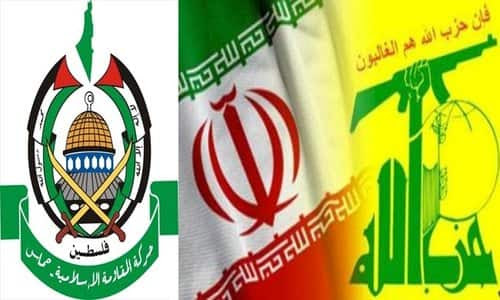
History has a cruel way of repeating itself when its lessons are ignored. Barely months after the world exhaled in relief at the prospect of de-escalation in the Middle East, the region appears to be drifting back toward the very dangers leaders claimed they had contained.
Hamas is rearming and refusing to surrender its weapons. Hezbollah, under growing internal pressure inside Lebanon, continues to resist disarmament. And Iran, the gravitational force behind both groups, is steadily rebuilding its ballistic missile stockpiles.
Now comes the political signal that suggests the current moment may be only an intermission, not an ending: Israeli Prime Minister Benjamin Netanyahu is widely expected to approach President Trump later this month with a renewed, comprehensive plan to confront all three actors. If that happens, it will mark a recognition of an uncomfortable truth–piecemeal solutions have failed, and the region is, once again, back to square one.
Hamas: Defeat Without Surrender
Hamas’s refusal to disarm is not surprising; it is foundational to the group’s identity. Armed resistance is not merely a tactic–it is the ideology. Even after catastrophic losses in Gaza, Hamas has demonstrated a familiar pattern seen across insurgent movements for decades: absorb punishment, retreat underground, regroup, and rearm.
This is the strategic flaw of inconclusive warfare. Without a decisive end to a group’s military capability and its governing legitimacy, defeat becomes temporary. Hamas understands time is its ally. Each pause allows it to recruit, reconstitute command structures, and restock weapons through smuggling networks that have proven resilient for years. In that sense, the war may have severely damaged Hamas–but it did not end it.
Hezbollah: Armed State Within a State
Hezbollah presents an even more dangerous dilemma. Unlike Hamas, Hezbollah is deeply embedded within a sovereign country. It operates as both a political party and a heavily armed militia, fielding an arsenal that rivals many national armies.
Pressure within Lebanon to disarm Hezbollah has intensified as the country collapses economically and politically. Yet Hezbollah has refused every call to lay down its weapons, insisting that its arms are necessary to “defend Lebanon”–even as many Lebanese quietly acknowledge that those same weapons make Lebanon a permanent battlefield-in-waiting.
This stalemate is unsustainable. History shows that militias that outgun the state eventually become the state–or destroy it. Hezbollah’s continued rearmament is not just a threat to Israel; it is a slow suffocation of Lebanon itself.
Iran: The Strategic Engine
Behind both groups stands Iran, rebuilding what sanctions, sabotage, and strikes have delayed but never eliminated. Tehran’s ballistic missile program is the backbone of its regional power projection. While diplomacy has bought time, it has not changed Iran’s strategic ambition: to encircle Israel, deter Western intervention, and dominate the Middle East through proxies rather than direct war–until it no longer has to.
Iran has learned its own lessons from history. Delay negotiations, compartmentalize crises, and rebuild quietly while the world focuses elsewhere. The result is the same cycle repeating, only with higher stakes and deadlier weapons.
The Lesson We Refuse to Learn
The central lesson of history is brutally simple: if your enemy survives intact, they will try again. From post-World War I Europe to modern insurgencies in Iraq and Afghanistan, incomplete victories invite future wars. Ceasefires without disarmament. Negotiations without enforcement. Warnings without consequences.
This is how conflicts are not resolved–but postponed.
What Happens Next?
If Netanyahu does bring a comprehensive plan to Trump, it may reflect a shift away from managing threats separately toward confronting them as a unified axis. That could mean intensified pressure on Iran, firmer red lines for Hezbollah, and a refusal to allow Hamas any path back to military relevance.
But such an approach carries enormous risk. Regional war would no longer be hypothetical. Iran could respond directly. Hezbollah could unleash its full arsenal. The global economy–already fragile–would feel the shockwaves immediately.
Yet the alternative may be worse: allowing these forces to regroup until the next war is larger, bloodier, and unavoidable.
Despite the world’s desire for peace, history suggests peace without decisive outcomes is an illusion. As 2026 approaches, the signs are troublingly clear. The players are rearming. The grievances remain. And the lesson–that unresolved wars always return–has once again gone unheeded.
TruLight Ministry News
TruLight Ministries orders from God since 2012 . Teach Them , Comfort Them and Warn Them!
////////////
TruLight Ministries opdrag vanaf God sedert 2012. Leer hulle, Troos hulle en Waarsku hulle!
Doctrine of Demons – Teaching for the Christian , Discerning the spirits
Share this Feeding of Manna with your Friends and Family. just click on the Social Media icon and share !