Hosted by TruLight Ministries – The Place of Truth
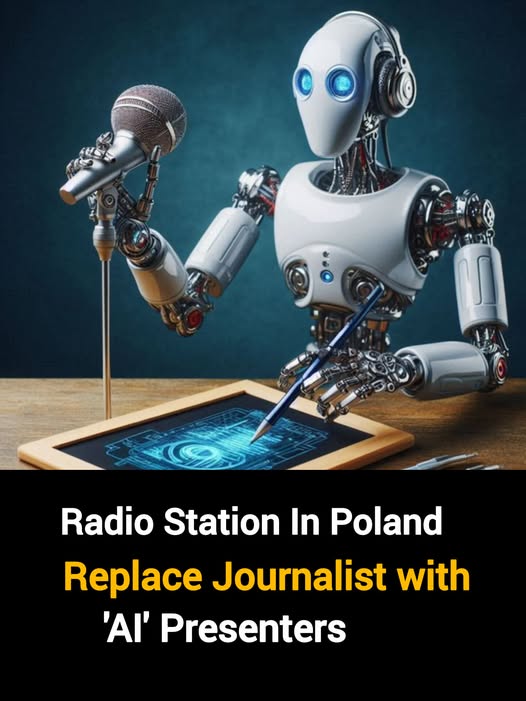
An “artificial intelligence” is a program or computer system mimicking aspects of human communication. Artificial intelligence is usually abbreviated as AI. The ultimate expression of this is labeled “artificial general intelligence,” or AGI. A synthetic system would be considered AGI when it thinks, reasons, and learns in the same way as a human being. AGI has long been a theme of science fiction. For instance, the droids from Star Wars films are sentient, emoting machines. Fictional AGI often takes on a villain’s role, such as HAL 9000 from 2001: A Space Odyssey, the machines of The Matrix, or the character Ultron from Marvel Comics.
Today, the term AI is most often associated with language-based systems such as ChatGPT, Gemini, Watson, Copilot, and Grok. It is also connected to the idea of a technological singularity: the point at which artificial reasoning, problem-solving, and self-development overtake that of humans. This second concept, more associated with AGI, generates both hopes and fears. Yet there is no reason to think that “true” artificial intelligence—a self-aware, sentient, “living” program—is possible, let alone actual.
Tools
God allows us to use our minds to create useful tools (1 Timothy 4:4). The general concept of AI is not morally different from using a kitchen knife or driving a car. AI can be used appropriately or inappropriately. As with any other technology, AI has upsides and downsides that should be understood.
Recent generations of AI are incredibly complex, analyzing tremendous amounts of data. New AI models are much better than former iterations at correctly interpreting human language. They are narrowly tuned toward creating new content based on user instructions and a large database of background data.
These developments have led to an explosion of AI use for all sorts of tasks. Some uses of AI are wonderful, such as sorting and summarizing huge databases. Other AI impacts are concerning. Academic cheating is one. Creating even greater dependence on machines for basic knowledge and skills is another. The generation of false yet convincing pictures and voices raises alarm. A growing number of people are becoming emotionally addicted to custom-tuned AI models and struggling to relate to actual humans.
There has long been speculation that computer intelligence could eventually eclipse human ability. Computers store, recall, and manipulate bulky data far more efficiently than a person can. Computers have beaten human opponents in contests such as chess and the TV game show Jeopardy. The possibilities excite some people, but others are unsettled by the idea of machines that think as well as or better than the average person.
Efficiency vs. Intelligence
For all their potential, every “artificial intelligence” is still a machine limited by its own creators. AI serves the same basic functions of all machines: to make a task easier and faster. Industrial robots are stronger and work longer than people. Computers sort data more quickly and accurately. But extending these ideas to say that AI can become equal or superior to humans falls short. Computers occasionally appear intelligent, but their actual mechanism is performing extremely low-level thinking extremely quickly in extremely long chains. They aren’t truly “smart” but complete certain tasks in less time than people. Some things they cannot do at all. If a person defines intelligence in a way that eliminates concepts such as morality, emotion, empathy, humor, relationship, and so forth, then the term artificial intelligence is not so meaningful.
When someone says, “Machines and AI (or AGI) will be better or smarter than human beings,” it’s like saying, “Animals are better than humans. Cheetahs are faster. Elephants are bigger. Birds are more agile.” Of course, those are all separate animals, and they are only “better” than humans in separate categories. A single AI program might be “better” at chess or cooking or even making music. But for AI to be legitimately as smart as or smarter than people, a single program would need to excel in all those things at once.
Modern AI systems are adept at some of these multi-disciplinary tasks. Yet none of them are “thinking” the way a person does. Large Language Models (LLMs) are used in AI to imitate human speech patterns. But they do so via an algorithm matching inputs to mathematically preferred outputs. This is why modern AI often fumbles answers to speech-based questions. AI is also known to “hallucinate”: to combine information incorrectly and present false statements as truth.
This is key to understanding AI: even the most advanced computer is still a product of human intelligence. Thus, it is limited by human intelligence. A computer playing chess or Jeopardy is not smarter than the people it beats. ChatGPT is not better educated on literature or philosophy than actual experts. They do not “understand” their interactions any more than a gasoline engine, a mousetrap, or a digital bathroom scale. These systems are simply machines tuned to give automated results according to a complex set of manmade rules.
The Singularity
The phrase technological singularity specifically refers to a theoretical moment when artificial intelligence reaches a tipping point. Once it moves from “artificial intelligence” to “artificial general intelligence,” the system then self-improves without human input and beyond human ability. Some people anticipate great benefits from discoveries made by a vastly superior intellect. In most cases, however, the singularity is feared as the downfall of humanity. A common staple of science fiction is an AGI computer system that outruns the human mind and eventually dominates the world. The resulting dystopia is depicted in movie franchises such as The Terminator and The Matrix.
The concept of technological singularity also assumes that processing power will advance infinitely. This is contrary to what we know about the natural laws of the universe. Advancement in computing technology eventually runs into the limits of physics. Scientists and computer experts agree there is a “hard limit” to how fast certain technologies can operate. Since the complexity required to simulate a human mind is so far beyond even theoretical designs, there is no objective reason to say that sentient artificial intelligence can exist, let alone that it will exist. Even in its current form, modern AI requires mind-boggling levels of electrical and computing power.
The Creations and the Creators
On an abstract level, math and logic suggest that AI can never exceed the human mind. Gödel’s Incompleteness Theorem is a powerful argument that a system can never become more complex or more capable than its originator. To make an AI better than a human brain, we’d need to fully understand and then surpass ourselves, which is logically contradictory.
Spiritually, we understand our own limits because, being creations of God (Genesis 1:27), we can’t outdo God’s creative power (Isaiah 55:8–9). Also, God’s depiction of the future does not seem to include any kind of technological singularity (see the book of Revelation). It’s possible, however, that the false prophet’s “living” image and the mark of the beast may be enabled by some form of artificial intelligence.
In the meantime, as researchers continue to develop AI systems, humanity continues to react in bizarre and unfortunate ways. Scripture describes idolatry as man worshiping his own creation (Isaiah 2:8; Habakkuk 2:18–19). This may sound absurd to the modern reader. Yet it’s already being embraced by some. A new religion, called Way of the Future, was started by a former Google engineer as a means to worship AI as mankind’s caretaker and guide. Such strangeness is nothing new; humanity has often been guilty of worshiping the work of their own hands. The Way of the Future is just a modern version of carving an idol.
The Choice
In short, AI might be able to perform certain tasks faster than a human being. Yet there is no logical, philosophical, or biblical reason to think it can be “better” in a meaningful sense. AI might emulate human thought patterns, but it can never replace the prowess, dexterity, and creativity of the human mind. Overdependence on AI legitimately threatens to make those traits weak and undeveloped. If AI is “good enough” for complex tasks, fewer people may choose to undertake hard projects, and human competence may regress. God called us to steward the created world (Genesis 1:28). This can include use of AI, but it excludes misuse of artificial intelligence the same way it excludes abuse of any tool.
Despite fears and speculations, the possibility of fully sentient AGI or a technological singularity is refuted by science, observation, and Scripture. The concept of self-aware, sentient, superhuman AI makes for entertaining fiction but not much else.
‘n “Kunsmatige intelligensie” is ‘n program of rekenaarstelsel wat aspekte van menslike kommunikasie naboots. Kunsmatige intelligensie word gewoonlik afgekort as KI. Die uiteindelike uitdrukking hiervan word “kunsmatige algemene intelligensie” of AGI genoem. ‘n Sintetiese stelsel word as AGI beskou wanneer dit op dieselfde manier as ‘n mens dink, redeneer en leer. AGI is lank reeds ‘n tema van wetenskapfiksie. Byvoorbeeld, die droids van Star Wars-films is bewuste, emosionele masjiene. Fiktiewe AGI neem dikwels die rol van ‘n skurk aan, soos HAL 9000 van 2001: A Space Odyssey, die masjiene van The Matrix, of die karakter Ultron van Marvel Comics.
Vandag word die term KI meestal geassosieer met taalgebaseerde stelsels soos ChatGPT, Gemini, Watson, Copilot en Grok. Dit is ook gekoppel aan die idee van ‘n tegnologiese singulariteit: die punt waar kunsmatige redenasie, probleemoplossing en selfontwikkeling dié van mense verbysteek. Hierdie tweede konsep, meer geassosieer met AGI, genereer beide hoop en vrese. Tog is daar geen rede om te dink dat “ware” kunsmatige intelligensie – ‘n selfbewuste, intelligente, “lewende” program – moontlik is nie, wat nog te sê werklik.
Gereedskap
God laat ons toe om ons gedagtes te gebruik om nuttige gereedskap te skep (1 Timoteus 4:4). Die algemene konsep van KI is nie moreel anders as die gebruik van ‘n kombuismes of die bestuur van ‘n motor nie. KI kan gepas of onvanpas gebruik word. Soos met enige ander tegnologie, het KI voor- en nadele wat verstaan moet word.
Onlangse generasies van KI is ongelooflik kompleks en ontleed enorme hoeveelhede data. Nuwe KI-modelle is baie beter as vorige iterasies om menslike taal korrek te interpreteer. Hulle is noukeurig ingestel op die skep van nuwe inhoud gebaseer op gebruikersinstruksies en ‘n groot databasis van agtergronddata.
Hierdie ontwikkelings het gelei tot ‘n ontploffing van KI-gebruik vir allerhande take. Sommige gebruike van KI is wonderlik, soos die sortering en opsomming van enorme databasisse. Ander KI-impakte is kommerwekkend. Akademiese bedrog is een. Die skep van ‘n selfs groter afhanklikheid van masjiene vir basiese kennis en vaardighede is ‘n ander. Die generering van vals, maar oortuigende prente en stemme wek kommer. ‘n Groeiende aantal mense raak emosioneel verslaaf aan pasgemaakte KI-modelle en sukkel om met werklike mense te vereenselwig.
Daar is lank reeds spekulasie dat rekenaarintelligensie uiteindelik menslike vermoë kan oortref. Rekenaars stoor, herroep en manipuleer lywige data baie meer doeltreffend as wat ‘n mens kan. Rekenaars het menslike teenstanders in wedstryde soos skaak en die TV-speletjieprogram Jeopardy geklop. Die moontlikhede is opgewonde vir sommige mense, maar ander is ontsteld oor die idee van masjiene wat net so goed of beter as die gemiddelde persoon dink.
Doeltreffendheid teenoor Intelligensie
Ten spyte van al hul potensiaal, is elke “kunsmatige intelligensie” steeds ‘n masjien wat deur sy eie skeppers beperk word. KI dien dieselfde basiese funksies as alle masjiene: om ‘n taak makliker en vinniger te maak. Industriële robotte is sterker en werk langer as mense. Rekenaars sorteer data vinniger en akkuraater. Maar om hierdie idees uit te brei om te sê dat KI gelyk of beter as mense kan word, skiet tekort. Rekenaars lyk soms intelligent, maar hul werklike meganisme is om uiters lae-vlak denke uiters vinnig in uiters lang kettings uit te voer. Hulle is nie werklik “slim” nie, maar voltooi sekere take in minder tyd as mense. Sommige dinge kan hulle glad nie doen nie. As ‘n persoon intelligensie definieer op ‘n manier wat konsepte soos moraliteit, emosie, empatie, humor, verhouding, ensovoorts uitskakel, dan is die term kunsmatige intelligensie nie so betekenisvol nie.
Wanneer iemand sê: “Masjiene en KI (of AGI) sal beter of slimmer as mense wees,” is dit soos om te sê: “Diere is beter as mense. Jagluiperds is vinniger. Olifante is groter. Voëls is meer rats.” Natuurlik is dit alles afsonderlike diere, en hulle is slegs “beter” as mense in afsonderlike kategorieë. ‘n Enkele KI-program kan “beter” wees in skaak of kook of selfs musiek maak. Maar vir KI om wettiglik so slim of slimmer as mense te wees, sal ‘n enkele program in al daardie dinge gelyktydig moet uitblink.
Moderne KI-stelsels is bedrewe in sommige van hierdie multidissiplinêre take. Tog “dink” geeneen van hulle soos ‘n persoon nie. Groot Taalmodelle (LLM’s) word in KI gebruik om menslike spraakpatrone na te boots. Maar hulle doen dit via ‘n algoritme wat insette pas by wiskundig voorkeuruitsette. Dit is hoekom moderne KI dikwels antwoorde op spraakgebaseerde vrae verpruts. KI is ook bekend daarvoor dat dit “hallusineer”: om inligting verkeerd te kombineer en valse stellings as waarheid aan te bied.
Dit is die sleutel tot die begrip van KI: selfs die mees gevorderde rekenaar is steeds ‘n produk van menslike intelligensie. Dus word dit beperk deur menslike intelligensie. ‘n Rekenaar wat skaak of Jeopardy speel, is nie slimmer as die mense wat dit klop nie. ChatGPT is nie beter opgevoed oor literatuur of filosofie as werklike kundiges nie. Hulle “verstaan” nie hul interaksies meer as ‘n petrolenjin, ‘n muisval of ‘n digitale badkamerskaal nie. Hierdie stelsels is bloot masjiene wat ingestel is om outomatiese resultate te gee volgens ‘n komplekse stel mensgemaakte reëls.
Die Singulariteit
Die frase tegnologiese singulariteit verwys spesifiek na ‘n teoretiese oomblik wanneer kunsmatige intelligensie ‘n kantelpunt bereik. Sodra dit van “kunsmatige intelligensie” na “kunsmatige algemene intelligensie” beweeg, verbeter die stelsel dan self sonder menslike insette en buite menslike vermoë. Sommige mense verwag groot voordele van ontdekkings wat deur ‘n veel beter intellek gemaak word. In die meeste gevalle word die singulariteit egter gevrees as die ondergang van die mensdom. ‘n Algemene stapelvoedsel van wetenskapfiksie is ‘n AGI-rekenaarstelsel wat die menslike verstand oortref en uiteindelik die wêreld oorheers. Die gevolglike distopie word uitgebeeld in rolprentfranchises soos The Terminator en The Matrix.
Die konsep van tegnologiese singulariteit neem ook aan dat verwerkingskrag oneindig sal toeneem. Dit is teenstrydig met wat ons weet oor die natuurwette van die heelal. Vooruitgang in rekenaartegnologie loop uiteindelik teen die perke van fisika in. Wetenskaplikes en rekenaarkundiges stem saam dat daar ‘n “harde limiet” is aan hoe vinnig sekere tegnologieë kan werk. Aangesien die kompleksiteit wat nodig is om ‘n menslike verstand te simuleer soveel te bowe te kom as selfs teoretiese ontwerpe, is daar geen objektiewe rede om te sê dat bewuste kunsmatige intelligensie kan bestaan nie, wat nog te sê dat dit sal bestaan. Selfs in sy huidige vorm vereis moderne KI verstommende vlakke van elektriese en rekenaarkrag.
Die Skeppings en die Skeppers
Op ‘n abstrakte vlak dui wiskunde en logika daarop dat KI nooit die menslike verstand kan oortref nie. Gödel se Onvolledigheidsstelling is ‘n kragtige argument dat ‘n stelsel nooit meer kompleks of meer bekwaam as sy oorsprong kan word nie. Om ‘n KI beter as ‘n menslike brein te maak, moet ons onsself ten volle verstaan en dan oortref, wat logies teenstrydig is.
Geestelik verstaan ons ons eie beperkings, want as skeppings van God (Genesis 1:27), kan ons nie God se skeppingskrag oortref nie (Jesaja 55:8–9). Ook lyk dit nie of God se uitbeelding van die toekoms enige vorm van tegnologiese singulariteit insluit nie (sien die boek Openbaring). Dit is egter moontlik dat die valse profeet se “lewende” beeld en die merk van die dier deur een of ander vorm van kunsmatige intelligensie moontlik gemaak kan word.
Intussen, terwyl navorsers voortgaan om KI-stelsels te ontwikkel, reageer die mensdom steeds op bisarre en ongelukkige maniere. Die Skrif beskryf afgodery as die mens wat sy eie skepping aanbid (Jesaja 2:8; Habakuk 2:18–19). Dit klink dalk absurd vir die moderne leser. Tog word dit reeds deur sommige omhels. ‘n Nuwe godsdiens, genaamd Weg van die Toekoms, is deur ‘n voormalige Google-ingenieur begin as ‘n manier om KI as die mensdom se versorger en gids te aanbid. Sulke vreemdheid is niks nuuts nie; die mensdom was dikwels skuldig daaraan om die werk van hul eie hande te aanbid. Die Weg van die Toekoms is net ‘n moderne weergawe van die kerf van ‘n afgod.
Die Keuse
Kortom, KI mag dalk sekere take vinniger as ‘n mens kan uitvoer. Tog is daar geen logiese, filosofiese of Bybelse rede om te dink dat dit in ‘n betekenisvolle sin “beter” kan wees nie. KI mag menslike denkpatrone naboots, maar dit kan nooit die bekwaamheid, behendigheid en kreatiwiteit van die menslike verstand vervang nie. Oormatige afhanklikheid van KI dreig wettiglik om daardie eienskappe swak en onontwikkeld te maak. As KI “goed genoeg” is vir komplekse take, kan minder mense kies om moeilike projekte aan te pak, en menslike bevoegdheid kan agteruitgaan. God het ons geroep om die geskape wêreld te bestuur (Genesis 1:28). Dit kan die gebruik van KI insluit, maar dit sluit die misbruik van kunsmatige intelligensie uit op dieselfde manier as wat dit die misbruik van enige instrument uitsluit.
Ten spyte van vrese en spekulasies, word die moontlikheid van ten volle bewuste AGI of ‘n tegnologiese singulariteit deur wetenskap, waarneming en die Skrif weerlê. Die konsep van selfbewuste, bewuste, bomenslike KI sorg vir vermaaklike fiksie, maar nie veel meer nie.

Bible Verse and Prayer for Today
If the Lord delights in a man’s way, he makes his steps firm; though he stumble, he will not fall, for the Lord upholds him with his hand.
—Psalm 37:23-24
I don’t know about you, but I’ve physically stumbled my way through much of life. I’ve tripped at some of the most embarrassing moments. I’ve stumbled over my own feet, shoelaces, curbs, and just pure air. Even my doctor says I have a problem with gravity!
However, I am confident that, despite my spiritual stumbles, God has not abandoned me. When I think I’m going to plunge into the depths of an emotional abyss, the Father’s love, care, concern, Scriptures, servants, and helpers have kept me from destruction. God’s hand does uphold me. He is there in times of trial. He has been mighty to save. I do believe he delights in my journey. How about you? The question is not whether we will stumble or fall, but whether we look to God in our stumbles, sins, and failures, and then admit our failings as we ask Him to restore us and raise us back to useful service for him and to others. We can trust he will, because “the Lord … upholds” us with his mighty and gracious hand!
Prayer
O Father, thank you for your steadying influence in my life. Thank you for lifting me when I have fallen, protecting me when I have been vulnerable, and comforting me when I have been broken. I praise you for your grace, your glory, and your nearness. Through Jesus, I offer you my praise and eternal appreciation as I ask you to continue to uphold me by your mighty and gracious hand. Amen and Amen
Bybel Vers en Gebed vir Vandag
As die Here ‘n welbehae het in ‘n mens se weg, maak Hy sy voetstappe vas; as hy struikel, sal hy nie val nie, want die Here ondersteun hom met sy hand.
—Psalm 37:23-24
Ek weet nie van jou nie, maar ek het fisies deur baie van my lewe gestruikel. Ek het op sommige van die mees verleentheidvolle oomblikke gestruikel. Ek het oor my eie voete, skoenveters, randstene en net suiwer lug gestruikel. Selfs my dokter sê ek het ‘n probleem met swaartekrag!
Ek is egter vol vertroue dat God my nie verlaat het nie, ten spyte van my geestelike struikelinge. Wanneer ek dink ek gaan in die dieptes van ‘n emosionele afgrond duik, het die Vader se liefde, sorg, besorgdheid, Skrif, dienaars en helpers my van vernietiging bewaar. God se hand ondersteun my wel. Hy is daar in tye van beproewing. Hy was magtig om te red. Ek glo wel dat Hy ‘n welbehae het in my reis. Wat van jou? Die vraag is nie of ons sal struikel of val nie, maar of ons na God kyk in ons struikelings, sondes en mislukkings, en dan ons tekortkominge erken terwyl ons Hom vra om ons te herstel en ons terug te bring tot nuttige diens vir Hom en vir ander. Ons kan vertrou dat Hy sal, want “die Here … ondersteun” ons met sy magtige en genadige hand!
Gebed
O Vader, dankie vir u bestendige invloed in my lewe. Dankie dat U my opgehef het toe ek geval het, my beskerm het toe ek kwesbaar was, en my vertroos het toe ek gebroke was. Ek prys U vir u genade, u heerlikheid en u nabyheid. Deur Jesus bied ek U my lof en ewige waardering aan terwyl ek U vra om my aan te hou ondersteun deur u magtige en genadige hand. Amen en Amen
Bible Teaching of the Day
Of all the gifts given to mankind by God, there is none greater than the presence of the Holy Spirit. The Spirit has many functions, roles, and activities. First, He does a work in the hearts of all people everywhere. Jesus told the disciples that He would send the Spirit into the world to “will convict the world regarding sin, and righteousness, and judgment” (John 16:8, NASB). Everyone has a “God consciousness,” whether or not they admit it. The Spirit applies God’s truths to people’s minds to convince them by fair and sufficient arguments that they are sinners. Responding to that conviction brings us to salvation.
Once we are saved and belong to God, the Spirit takes up residence in our hearts forever, sealing us with the confirming, certifying, and assuring pledge of our eternal state as His children. Jesus said He would send the Spirit to us to be our Helper, Comforter, and Guide. “And I will ask the Father, and he will give you another Counselor to be with you forever” (John 14:16). The Greek word translated here “Counselor” means “one who is called alongside” and has the idea of someone who encourages and exhorts. The Holy Spirit takes up permanent residence in the hearts of believers (Romans 8:9; 1 Corinthians 6:19-20; 12:13). Jesus gave the Spirit as a “compensation” for His absence, to perform the functions toward us that He would have done if He had remained personally with us.
Among those functions is that of revealer of truth. The Spirit’s presence within us enables us to understand and interpret God’s Word. Jesus told His disciples that “when he, the Spirit of truth, comes, he will guide you into all truth” (John 16:13). He reveals to our minds the whole counsel of God as it relates to worship, doctrine, and Christian living. He is the ultimate guide, going before, leading the way, removing obstructions, opening the understanding, and making all things plain and clear. He leads in the way we should go in all spiritual things. Without such a guide, we would be apt to fall into error. A crucial part of the truth He reveals is that Jesus is who He said He is (John 15:26; 1 Corinthians 12:3). The Spirit convinces us of Christ’s deity and incarnation, His being the Messiah, His suffering and death, His resurrection and ascension, His exaltation at the right hand of God, and His role as the judge of all. He gives glory to Christ in all things (John 16:14).
Another one of the Holy Spirit’s roles is that of gift-giver. First Corinthians 12 describes the spiritual gifts given to believers in order that we may function as the body of Christ on earth. All these gifts, both great and small, are given by the Spirit so that we may be His ambassadors to the world, showing forth His grace and glorifying Him.
The Spirit also functions as fruit-producer in our lives. When He indwells us, He begins the work of harvesting His fruit in our lives—love, joy, peace, patience, kindness, goodness, faithfulness, gentleness, and self-control (Galatians 5:22-23). These are not works of our flesh, which is incapable of producing such fruit, but they are products of the Spirit’s presence in our lives.
The knowledge that the Holy Spirit of God has taken up residence in our lives, that He performs all these miraculous functions, that He dwells with us forever, and that He will never leave or forsake us is cause for great joy and comfort. Thank God for this precious gift—the Holy Spirit and His work in our lives!
Bybel Lering vir die Dag
Van al die gawes wat God aan die mensdom gegee het, is daar geen groter as die teenwoordigheid van die Heilige Gees nie. Die Gees het baie funksies, rolle en aktiwiteite. Eerstens doen Hy ‘n werk in die harte van alle mense oral. Jesus het vir die dissipels gesê dat Hy die Gees in die wêreld sou stuur om “die wêreld te oortuig van sonde en van geregtigheid en van oordeel” (Johannes 16:8). Almal het ‘n “Godsbewussyn”, of hulle dit nou erken of nie. Die Gees pas God se waarhede toe op mense se gedagtes om hulle deur billike en voldoende argumente te oortuig dat hulle sondaars is. Om op daardie oortuiging te reageer, bring ons tot redding.
Sodra ons gered is en aan God behoort, neem die Gees vir ewig in ons harte intrek en verseël ons met die bevestigende, sertifiserende en versekerende belofte van ons ewige staat as Sy kinders. Jesus het gesê Hy sou die Gees na ons stuur om ons Helper, Trooster en Gids te wees. “En Ek sal die Vader vra, en Hy sal julle ‘n ander Raadgewer gee om vir ewig by julle te wees” (Johannes 14:16). Die Griekse woord wat hier as “Raadgewer” vertaal word, beteken “een wat langs ons geroep word” en het die idee van iemand wat aanmoedig en vermaan. Die Heilige Gees neem permanente verblyf in die harte van gelowiges (Romeine 8:9; 1 Korintiërs 6:19-20; 12:13). Jesus het die Gees gegee as ‘n “vergoeding” vir Sy afwesigheid, om die funksies teenoor ons te verrig wat Hy sou gedoen het as Hy persoonlik by ons gebly het.
Onder daardie funksies is dié van openbaarder van waarheid. Die Gees se teenwoordigheid in ons stel ons in staat om God se Woord te verstaan en te interpreteer. Jesus het vir Sy dissipels gesê: “Wanneer Hy, die Gees van die waarheid, kom, sal Hy julle in die hele waarheid lei” (Johannes 16:13). Hy openbaar aan ons gedagtes die hele raad van God soos dit betrekking het op aanbidding, leerstelling en Christelike lewe. Hy is die uiteindelike gids, wat vooruitgaan, die weg lei, obstruksies verwyder, die begrip oopmaak en alle dinge duidelik en duidelik maak. Hy lei in die weg wat ons in alle geestelike dinge moet gaan. Sonder so ‘n gids sou ons geneig wees om in die fout te val. ‘n Belangrike deel van die waarheid wat Hy openbaar, is dat Jesus is wie Hy gesê het Hy is (Johannes 15:26; 1 Korintiërs 12:3). Die Gees oortuig ons van Christus se goddelikheid en inkarnasie, Sy wese die Messias, Sy lyding en dood, Sy opstanding en hemelvaart, Sy verhoging aan die regterhand van God, en Sy rol as die regter van alles. Hy gee eer aan Christus in alle dinge (Johannes 16:14).
Nog een van die Heilige Gees se rolle is dié van gawegewer. 1 Korintiërs 12 beskryf die geestelike gawes wat aan gelowiges gegee word sodat ons as die liggaam van Christus op aarde kan funksioneer. Al hierdie gawes, beide groot en klein, word deur die Gees gegee sodat ons Sy ambassadeurs na die wêreld kan wees, Sy genade kan toon en Hom kan verheerlik.
Die Gees funksioneer ook as vrugteproduser in ons lewens. Wanneer Hy in ons woon, begin Hy die werk om Sy vrugte in ons lewens te oes – liefde, vreugde, vrede, geduld, vriendelikheid, goedheid, getrouheid, sagmoedigheid en selfbeheersing (Galasiërs 5:22-23). Dit is nie werke van ons vlees, wat nie in staat is om sulke vrugte te dra nie, maar dit is produkte van die Gees se teenwoordigheid in ons lewens.
Die wete dat die Heilige Gees van God in ons lewens intrek geneem het, dat Hy al hierdie wonderbaarlike funksies verrig, dat Hy vir ewig by ons woon en dat Hy ons nooit sal verlaat of in die steek sal laat nie, is rede tot groot vreugde en vertroosting. Dank God vir hierdie kosbare gawe – die Heilige Gees en Sy werk in ons lewens!
Today’s Devotional
The pain caused by a church is a “silent killer.” This doesn’t mean that the words and events that “burned” and hurt your heart are not very ugly and public. It is a “silent killer” because of what it does deep in the fabric of the mind, heart, and soul of the wounded. If not dealt with, it will destroy future happiness, joy, and well-being. The collateral damage negatively affects the ministry and outreach of the church, too, and some churches never recover. Recognize that the behavior that brought such devastation to your heart is not much different than the hurt any of us can encounter in the workplace, marketplace, or home. The difference is we don’t expect God’s people to behave like those without Christ in their lives. The church is the one place almost everyone agrees should be safe, accepting, forgiving, and free from conflict and pain. Yet in most churches at least some elements of strife, conflict, and hatred creep in and tarnish that ideal.
It happens more in some churches than others. The spiritual health of people in a church and the strength of leadership determine how prevalent and to what extent divisive behavior can gain control. Out of control, it has the effect of a termite infiltration that slowly and surely decays the foundation of the spiritual life of a congregation.
It is important to turn your focus away from the people involved and the church itself and identify the root cause of your pain, turmoil, and disillusionment. Honestly identify what you are feeling. If you are like most people, here are some possibilities: anger, sorrow, disappointment, rejection, hurt, jealousy, vulnerability, fear, rebellion, pride, shame, embarrassment, or loss. Find out what is at the core of your hurt—not what someone said or did to you, but what is really causing your pain? Then search the Scriptures to discover what God says about it. Take a Bible concordance and look up each word and read, think, pray, and apply the verse. For example, you may think that you are angry when in reality you feel rejected. What does God say about rejection? He says, “Never will I leave you; never will I forsake you” (Hebrews 13:5); “I have loved you with an everlasting love” (Jeremiah 31:3); and, “Surely I am with you always” (Matthew 28:20).
When you truly identify the root of your pain, God has a balm of wisdom, compassion, and love to heal your wounds. If you call on Him for help, your focus shifts to Him and off of other people and their actions. You will stop rehearsing the event that caused you harm. You truly may be harmed, injured, or offended. You certainly feel it. Those feelings are byproducts of deeper, more important realities that have derailed your passion for God, His church, and His purpose for your life. If left unattended, those feelings will lead to a root of bitterness that will negatively affect every fiber of your soul and rob you of your abundant life in Christ (John 10:10). You do not want this to happen in your life.
How do we keep hurtful experiences from moving their destruction into our souls? The book of wisdom from the Bible says we must “guard your heart above all else, for it determines the course of your life” (Proverbs 4:23, NLT). We guard our hearts by carefully choosing our thoughts, feelings, attitudes, and actions. Guard your heart by refusing to dwell on what happened, refusing to focus on the people who hurt you, and refusing to belabor the weaknesses of the church. Giving up bitterness takes humility, but “God opposes the proud but gives grace to the humble” (James 4:6; Proverbs 3:34). It takes forgiving attitudes and actions (Matthew 18:22; Mark 11:27; Ephesians 4:32; Colossians 3:13) with no hint of vengeance (Romans 12:19). Mostly, it takes the power of the Holy Spirit working in and through you (Ephesians 3:16).
Don’t blame God for how His children behave. Don’t abandon the church, either. There are many more dedicated, grace-filled, loving, and forgiving people than not in most churches. Seek them out. Spend time with them. If you cannot find them, find another church (it is rare that you cannot find them even in the most difficult church environment). The church is God’s idea, and He protects it faithfully even though He is sometimes pained by its behavior (see Revelation 2–3).
You can have hope because you are seeking healing from the Lord. It is now up to you to do the right thing and turn your focus to the Person who will truly transform your life above and beyond this hurt. Jesus promised, “Come to me, all you who are weary and burdened, and I will give you rest. Take my yoke upon you and learn from me, for I am gentle and humble in heart, and you will find rest for your souls. For my yoke is easy and my burden is light” (Matthew 11:28–30).
Vandag se Bemoediging
Die pyn wat deur ‘n kerk veroorsaak word, is ‘n “stil moordenaar”. Dit beteken nie dat die woorde en gebeure wat jou hart “gebrand” en seergemaak het, nie baie lelik en publiek is nie. Dit is ‘n “stil moordenaar” as gevolg van wat dit diep in die weefsel van die verstand, hart en siel van die gewondes doen. As dit nie aangespreek word nie, sal dit toekomstige geluk, vreugde en welstand vernietig. Die kollaterale skade beïnvloed ook die bediening en uitreik van die kerk negatief, en sommige kerke herstel nooit. Erken dat die gedrag wat sulke verwoesting in jou hart gebring het, nie veel anders is as die seer wat enigeen van ons in die werkplek, mark of huis kan teëkom nie. Die verskil is dat ons nie verwag dat God se mense sal optree soos diegene sonder Christus in hul lewens nie. Die kerk is die een plek waar amper almal saamstem dat dit veilig, aanvaardend, vergewensgesind en vry van konflik en pyn moet wees. Tog sluip ten minste sommige elemente van twis, konflik en haat in en beskadig daardie ideaal.
Dit gebeur meer in sommige kerke as in ander. Die geestelike gesondheid van mense in ‘n kerk en die sterkte van leierskap bepaal hoe algemeen en tot watter mate verdelende gedrag beheer kan kry. Buite beheer het dit die effek van ‘n termietinfiltrasie wat stadig en seker die fondament van die geestelike lewe van ‘n gemeente verrot.
Dit is belangrik om jou fokus weg te draai van die betrokke mense en die kerk self en die oorsaak van jou pyn, onrus en ontnugtering te identifiseer. Identifiseer eerlik wat jy voel. As jy soos die meeste mense is, is hier ‘n paar moontlikhede: woede, hartseer, teleurstelling, verwerping, seer, jaloesie, kwesbaarheid, vrees, rebellie, trots, skaamte, verleentheid of verlies. Vind uit wat die kern van jou seer is – nie wat iemand vir jou gesê of gedoen het nie, maar wat werklik jou pyn veroorsaak? Soek dan die Skrif om te ontdek wat God daaroor sê. Neem ‘n Bybelkonkordansie en slaan elke woord op en lees, dink, bid en pas die vers toe. Byvoorbeeld, jy mag dink dat jy kwaad is terwyl jy in werklikheid verwerp voel. Wat sê God oor verwerping? Hy sê: “Ek sal jou nooit verlaat nie, jou nooit in die steek laat nie” (Hebreërs 13:5); “Ek het jou liefgehad met ‘n ewige liefde” (Jeremia 31:3); en: “Ek is altyd by jou” (Matteus 28:20).
Wanneer jy werklik die wortel van jou pyn identifiseer, het God ‘n balsem van wysheid, deernis en liefde om jou wonde te genees. As jy Hom om hulp aanroep, verskuif jou fokus na Hom en af van ander mense en hul dade. Jy sal ophou om die gebeurtenis wat jou skade berokken het, te herhaal. Jy kan werklik skade berokken, beseer of aanstoot neem. Jy voel dit beslis. Daardie gevoelens is neweprodukte van dieper, belangriker realiteite wat jou passie vir God, Sy kerk en Sy doel vir jou lewe ontspoor het. As dit onbehandeld gelaat word, sal daardie gevoelens lei tot ‘n wortel van bitterheid wat elke vesel van jou siel negatief sal beïnvloed en jou van jou oorvloedige lewe in Christus sal beroof (Johannes 10:10). Jy wil nie hê dat dit in jou lewe moet gebeur nie.
Hoe keer ons dat seer ervarings hul vernietiging in ons siele inbring? Die boek van wysheid uit die Bybel sê ons moet “jou hart bo alles bewaak, want dit bepaal die koers van jou lewe” (Spreuke 4:23, NLT). Ons bewaak ons harte deur ons gedagtes, gevoelens, houdings en dade versigtig te kies. Bewaak jou hart deur te weier om te tob oor wat gebeur het, te weier om te fokus op die mense wat jou seergemaak het, en te weier om die swakhede van die kerk te beswadder. Om bitterheid prys te gee verg nederigheid, maar “God weerstaan die hoogmoediges, maar aan die nederiges gee Hy genade” (Jakobus 4:6; Spreuke 3:34). Dit verg vergewensgesinde houdings en dade (Matteus 18:22; Markus 11:27; Efesiërs 4:32; Kolossense 3:13) sonder enige sweempie van wraak (Romeine 12:19). Meestal verg dit die krag van die Heilige Gees wat in en deur jou werk (Efesiërs 3:16).
Moenie God blameer vir hoe Sy kinders optree nie. Moenie die kerk verlaat nie. Daar is baie meer toegewyde, genadevolle, liefdevolle en vergewensgesinde mense as nie in die meeste kerke nie. Soek hulle op. Bring tyd saam met hulle deur. As jy hulle nie kan vind nie, vind ‘n ander kerk (dit is skaars dat jy hulle nie eens in die moeilikste kerkomgewing kan vind nie). Die kerk is God se idee, en Hy beskerm dit getrou, al word Hy soms deur sy gedrag geteister (sien Openbaring 2–3).
Jy kan hoop hê, want jy soek genesing van die Here. Dit is nou aan jou om die regte ding te doen en jou fokus te rig op die Persoon wat jou lewe werklik bo en behalwe hierdie seer sal transformeer. Jesus het belowe: “Kom na My toe, almal wat vermoeid en belas is, en Ek sal julle rus gee. Neem my juk op julle en leer van My, want Ek is sagmoedig en nederig van hart, en julle sal rus vind vir julle siele. Want my juk is sag en my las is lig” (Matteus 11:28–30).
The Collectors of Manna – Women of the Word // Gaarders van Manna – Vroue van die woord

Dilize Light has Managed a TruLight Ladies Group on Telegram for the Past 6 Years and from Today . she will be Sharing her Manna with the Ladies in The TruLight Daily Manna Platform . Dilize is the only Daughter of Pastor Dirk and has been part of the Ministry since the age of 11 . Dilize is also the Radio Host for the Popular TruLight Top 10 that airs on TruLight Radio XM saturdays at 17h00′
Dilize Light bestuur die afgelope 6 jaar ‘n TruLight Damesgroep op Telegram en van vandag af sal sy haar Manna met die Dames deel op die TruLight Daaglikse Manna-platform. Dilize is die enigste dogter van Pastoor Dirk en is deel van die bediening sedert die ouderdom van 11. Dilize is ook die radio-aanbieder vir die gewilde TruLight Top 10 wat Saterdae om 17:00 op TruLight Radio XM uitgesaai word.
Met Heerlikheid Gekroon:
Die Voyager 1 ruimtuig wat in 1977 gelanseer is, is tans op die buitenste grens van ons sonnestelsel, 16 biljoen kilometer van hier af. In Februarie 1990, toe Voyager 1 byna 6.4 biljoen kilometer van die aarde was, het die kamera fotos wat van die aarde geneem is, gewys dat die aarde maar n blou spikkeltjie in die wye hemelruim is. In die wye en onmerklike uiteindes van die heelal, is die aarde n bitter klein kolletjie. En op hierdie skynbaar onbelangrike kolletjie, in die oseaan van die melkweg, woon sewe biljoen mense.
Indien hierdie inligting jou onbelangrik en minderwaardig laat voel, het God goeie nuus vir jou. In een van Dawid se Psalms is n retoriese vraag ingesluit, wat jou kan help om in die naglug uit te stap en te jubel. Psalm 8:4-6 vertel ons dat ons in God se oë, supersterre is: As ek u Hemel aanskou, die werk van U vingers. Wat is die mens dan dat U aan hom dink ? U het hom met aansien en eer gekroon.
Dink net daaraan ! God wat n heelal so wyd en wonderlik gemaak het, dat selfs die Hubble teleskoop nie die eindes daarvan kan bepaal het, het ons geskep en gee vir ons om. Hy het soveel omgegee dat Hy Jesus gevra het om die Hemel te verlaat en na die aarde te kom, om vir ons te sterwe !
Kyk op na die wonderlike skepping van God en loof sy naam, omdat Hy jou met Heerlikheid beklee het deur sy Seun, Jesus.
Ons sien die krag van God se skepping, ons voel die mag van sy oneidige liefde.
Crowned with Glory:
The Voyager 1 spacecraft, launched in 1977, is currently at the outer edge of our solar system, 10 billion miles (16 billion kilometers) from here. In February 1990, when Voyager 1 was nearly 4 billion miles (6.4 billion kilometers) from Earth, camera photographs taken of the Earth showed that the Earth is but a blue speck in the vast expanse of the sky. In the vast and unfathomable reaches of the universe, the Earth is a tiny speck. And on this seemingly insignificant speck, in the ocean of the Milky Way, live seven billion people. If this information makes you feel insignificant and inferior, God has good news for you. In one of David’s Psalms, a rhetorical question is included that can help you step out into the night sky and rejoice. Psalm 8:4-6 tells us that in God’s eyes, we are superstars: When I consider your heavens, the work of your fingers. What is man that you are mindful of him? You have crowned him with honor and glory. Just think about it! God, who made a universe so vast and wonderful that even the Hubble telescope cannot determine its ends, created us and cares about us. He cared so much that He asked Jesus to leave Heaven and come to earth to die for us! Look up at the wonderful creation of God and praise his name, because he has clothed you with glory through his Son, Jesus.
We see the power of God’s creation, we feel the power of his infinite love.

TruLight Ministries Daily Entertainment
TruLight TV – The Reward Is Coming
When was the last time you felt blessed in the midst of difficulty? Trials are painful and frustrating. They do not feel like a “blessing.” However, God assures us that suffering brings growth that will make us more like Jesus. Watch today’s video to be reminded that He’s with us in the hurt, and one day, He’ll transform it into something better. Today’s guest artist on Gospel Music USA – For more than a half a century, no group has secured such a far reaching legacy like that of The Kingsmen Quartet. Since 1956, this group has risen from humble beginnings in the mountains of western North Carolina to one of the most beloved and innovative groups in Christian music. Countless renowned artists have been a part of this great lineage, eight of which have been inducted into the Southern Gospel Music Hall of Fame; such as Eldridge Fox, “Big” Jim Hamill, Ray Dean Reese, Squire Parsons, Anthony Burger, Martin Cook, Mark Trammell, & Ernie Phillips. The momentum has not stopped as this group continues to help define the Southern Gospel genre for a whole new generation of music lovers, perhaps more so than any other group. Enjoy today show and thanks for watching.
Today on TruLight Radio XM
TruLight Radio XM 24/7
Program
GMT / UTC +2
Monday To Fridays
00:15 Words to Live By Testimonies
01.15 Science Scripture and Salvation
02.15 Ground Works
04.00 Gospel Concert of the Day
05.00 The Daren Streblow Comedy Show
5:55 It is Today devotional
6:00 Gaither Homecoming Morning Show
7:15 Discover the Word
8.15 Destined for Victory
8:55 Science Scripture and Salvation
9:00 Holy Spirit Hour – Normally Sermons
10:15 Hope of the Heart
11:15 Unshackled
11.45 Words to Live By
12:15 Truth for Life
13:15 Living on the Edge with Chip Ingram
14:15 Focus on the Family
15:00 Kids Hour
16:00 In Touch with Dr. Charles Stanley
16:30 Groundwork
17:15 Live in the Light
18:15 Renewing your Mind
19:00 Gaither Homecoming Show
20:15 Growing Hope
21:15 Adventures in Odyssey Radio Drama
21:45 Bible Reading
22:15 Nightsounds
23.00 Good Old Country Gospel / Rhema Gospel Express
VISIT THE WEBSITE
https://TruLightRadioXM.org.za

BIBLE PROPHECY IN THE NEWS
Violent Attacks Against “Christians” Spike In Europe

In cases where motive could be determined, the report cited radical Islam as the most common ideology driving the attacks, followed by radical left-wing ideology and other political motives.
PASTOR DIRK SAYS
Not all Churches and Doctrines fall under the Bracket called ” Christianity” and the demons attacking these Churches knows the Difference , If the Holy Spirit was allowed in all Churches , you will never hear of Church attacks . Christ and His Angels Protects the Real Christians and their Churches.
SIGNS OF THE TIMES -article in the News
The Rise Of AI Worship Music – It’s Already Topping Christian Music Charts

The Christian music world woke up this month to a stunning headline: the No. 1 Christian album on iTunes is from an AI-generated artist named Solomon Ray.
His album Faithful Soul and singles like “Find Your Rest” and “Goodbye Temptation” surged to the top of the charts, outpacing some of the most influential worship leaders of the past decade. And with that surge came the most urgent question we’ve faced yet in the AI revolution: Can a machine make worship?
Popular Christian artist Forrest Frank believes the answer is no. In a widely shared Instagram video, he warned that “AI does not have the Holy Spirit inside of it,” adding bluntly, “I personally will not be listening to this.” His caution resonated deeply. For many believers, the rise of AI-generated worship feels unsettling — like we’ve crossed a line no one noticed until we were already on the other side.
But for others, including Solomon Ray’s creator Christopher Jermaine Townsend, known musically as Topher, AI is simply “a tool for creativity and ministry.” He argues that technology can enable people with limited resources, training, or ability to share Christ-centered music they could never make on their own.
So which is it? A ministry opportunity — or something spiritually dangerous?
To answer that, we must understand not only what AI can do but what worship is for.
The Tension: Creativity Without a Soul
The debate surrounding Solomon Ray is not about whether AI can write melodies or mimic voices. It clearly can. The issue is theological: can worship exist without the worshipper?
Christian music isn’t just art. It’s devotion.
It’s not only about lyrical content but about the spiritual posture of the one singing it. In Scripture, worship flows from a human heart responding to God — from David crying out in caves, from Paul singing in prison, from ordinary believers offering praise shaped by their lived faith.
AI has no salvation story.
No tears shed before the Lord.
No awe of the cross, no repentance, no joy in redemption.
It can simulate emotion. It cannot experience it.
That’s the core of Frank’s warning. When he says AI lacks the Holy Spirit, he is pointing to a biblical truth: worship is both an expression and an offering. When the singer is a machine, what exactly is being offered — and to whom?
And Yet: Why AI Is Appealing to Many Christians
While spiritual concerns are real, we should not pretend AI offers no benefits at all. Christians have always used tools — from the printing press to radio to livestream worship.
Here are five real benefits AI brings to Christian music, even if they come with risks:
5 Potential Benefits of AI in Christian Music
1. Accessibility for Ordinary Believers
A person with no musical training can now create worship songs that sound professional. This democratizes creativity in ways never before possible.
2. Rapid Songwriting for Teaching and Ministry
Churches can create Scripture-based songs, kids’ discipleship music, or missionary resources tailored to their community faster and cheaper.
3. Help for Independent Christian Artists
AI can assist with production, mixing, mastering, and even melodic inspiration — giving smaller artists a fighting chance in a crowded industry.
4. Multilingual Worship Expansion
AI tools can instantly create versions of songs in dozens of languages, broadening global reach.
5. New Artistic Experimentation
Some Christian producers are exploring AI to test arrangements, styles, or harmonies they might not have developed on their own.
AI can be a tool. But it must be treated as a tool — never as a worshipper.
Yet the Risks Are Real — and Growing
The controversy surrounding Solomon Ray exposes dangers that must be faced honestly. Here are at least five challenges and spiritual risks:
5 Dangers and Challenges of AI in Christian Music
1. Loss of Human Testimony
Worship is powerful because it flows from lived faith. Remove the human heart, and you remove the witness.
2. Confusion About Spiritual Authenticity
Many Christians already struggle to discern entertainment from worship. AI-created worship intensifies that confusion.
3. Economic Disruption for Real Christian Artists
If AI artists flood charts with low-cost, high-output music, it could undercut faithful musicians who pour their hearts and lives into ministry.-
4. Temptation Toward Consumer Worship
AI makes customizable worship possible — choose your mood, your tempo, your lyrical themes — turning worship into a product rather than a sacrifice.
5. Erosion of the Role of the Holy Spirit
If AI-generated songs dominate church playlists, believers may become numb to the difference between Spirit-led creativity and algorithmic production.
And this raises the broader question: is worship music just another genre to the world of algorithms?
If Christian charts reward quantity, novelty, and sonic polish over spiritual depth, we may soon find our worship shaped more by machines than by the presence of God.
So How Should Christians Respond?
Not with fear — but with discernment.
AI is here to stay. The question is not whether it will be used in Christian spaces, but how. Christians should neither embrace it uncritically nor reject it blindly.
We must affirm:
– Humans create worship because humans are redeemed.
– The Holy Spirit inspires songs through people, not programs.
– God uses technology, but He indwells believers, not machines.
For personal devotion and church worship, the safest principle is this:
AI may assist the creative process, but it should not become the creator of the worship itself.
Let AI help — but let humans lead.
Let technology support — but never replace — Spirit-filled artists whose songs come from real faith, real prayers, and real encounters with the living God.
Because worship is not ultimately about charts or creativity or innovation.
It is about hearts lifted toward heaven — something no algorithm can imitate and no machine will ever understand.
PASTOR DIRK SAYS :
The phrase “the rocks will cry out” is a biblical reference from Luke 19:40, where Jesus says this to the Pharisees who wanted him to silence his disciples’ praise during his triumphal entry into Jerusalem. The statement is a poetic expression meaning that the praise for Jesus as the Messiah was so inevitable that even inanimate objects would bear witness to it if humans remained silent. It emphasizes the glory of creation and the appropriate praise due to God.
“I tell you,” he replied, “if they keep quiet, the stones will cry out.”
The Modern Day Gospel Artist seeks Fame and Fortune , and the Holy Spirit is kept out of Gospel Music , Its all about Feel Good Music , some songs can be sung as a Love song between Lovers these days . If satan can Use Ai . God and Angels can too .
Words speak to Heart , and Ai is words generated by Ai and can speak to heart better than any Modern Day Artist. We are TruLight Ministries love to use of Ai , because we cannot afford the crazy Prices artist ask to make Jingles and More ! . If they keep quiet , the Stones (Ai) will Cry Out !!!
Homeschooling Surges To Record Highs – America’s Families Are Sending A Message

After decades of being treated as a fringe experiment, a backup plan, or the choice of “only the most determined parents,” homeschooling has now become the fastest-growing movement in American education.
Why Are Girls Turning Away From Marriage? The Alarming Cultural Shift

Sixty-one percent of senior girls say they hope to marry someday. For boys, the number is seventy-four percent. Thirty years ago, the numbers were flipped–girls overwhelmingly desired marriage more than boys. Now, they are the more hesitant sex. This has never happened before in modern American life.
GOG AND MAGOG UPDATE
Israel builds secretive force to stop any October 7-style attack on its Air Force bases

Israel has quietly added a new “shield” around its most sensitive assets: the Israel Air Force bases. The IDF says a new elite base-defense unit has been created under Wing 7, sitting alongside Shaldag and Unit 669, with a mission to guard airbases against another October 7–style surprise.
Unlike Shaldag and Unit 669, which are built to strike deep in enemy territory and rescue downed pilots, the new formation is focused inward: securing runways, command centers, fuel farms, and munition depots inside Israel.
It is being folded into Wing 7, the Air Force’s special forces wing headquartered at Palmachim, which already commands three combat units, including Shaldag, Unit 669, and Unit 5700.
Wing 7 was created to give the Air Force its own joint special operations hub, bringing together air commandos, combat search-and-rescue operators, and forward airfield specialists under one roof.
Adding a dedicated base-defense force means the same elite ecosystem that inserts troops behind enemy lines will now also be responsible for defending the “home front” of Israel’s air power.
The move is a direct lesson from October 7, when Hamas terrorists overran IDF positions and exposed painful gaps in how some bases and adjacent communities were defended.
Later probes into the failures at several southern posts, including at border crossings and coastal areas, highlighted slow response times and unclear chains of command at the very moment civilians needed fast, decisive protection.
According to the IDF description, the new unit is structured as a rapid-response force with helicopter mobility and significantly upgraded perimeter systems.
In practice, that means teams that can be flown quickly between bases under Wing 7’s helicopter umbrella and plugged into new layers of cameras, sensors, and physical barriers around each base.
Shaldag, one of Israel’s most secretive commando units, brings decades of experience in covert raids, targeting, and operating inside hostile territory.
Unit 669, the Air Force’s tactical rescue unit, specializes in pulling wounded soldiers and civilians out of impossible situations under fire.
The new base-defense unit is designed to complement them: not by joining glamour raids abroad, but by making sure a terror squad never again walks into an Israeli airbase unchallenged.
Strategically, the stakes are huge. IAF bases are the launchpads for everything from deep strikes against Hamas and Hezbollah to air cover for ground forces and missile defense operations.
If terrorists were to damage runways, control towers, or ammunition stores during a surprise attack, Israel’s ability to respond across the region could be slowed at exactly the wrong moment.
The new formation under Wing 7 signals that the Air Force is not waiting for the next commission of inquiry.
It is reshaping its own security doctrine so that elite, combat-tested units are responsible for both the daring missions the public hears about—and the quiet, relentless job of making sure no one ever again turns an Israeli base into an easy target.
‘No choice but direct confrontation with Israel,’ says Iranian (Magog) security chief

A senior Iranian security official warned over the weekend that a direct military confrontation between his country and Israel is inevitable, following an Israeli airstrike in Beirut which killed five Hezbollah terrorists.
On Sunday night, Ali Larijani, the secretary of Iran’s Supreme National Security Council, took to X to laud Hezbollah chief of staff Haytham Ali Tabatabai, the second in command of the Iranian-backed terror group who was one of the five terrorists eliminated Sunday afternoon.
“On the night of the martyrdom of Lady Fatima al-Zahra, peace be upon her, one of the truthful followers on the path of the Lady of the Women of the Worlds was martyred: the mujahid brother Haytham Ali Tabatabai, one of the senior leaders of Hezbollah, along with a number of his companions, at the hands of the criminal Zionists,” Larijani wrote.
The IDF airstrike targeted Tabatabai’s secret apartment in the Dahieh neighborhood of southern Beirut, a Hezbollah stronghold. Along with the five terrorists killed in the strike, 28 people were injured, Hezbollah claimed.
Following the strike, Larijani said that it is now apparent that there is no alternative to a “direct confrontation” with Israel.
“They [the slain Hezbollah terrorists] have achieved what they desired, but Netanyahu continues his adventurism to the point that everyone reaches the conclusion that there is no path left except direct confrontation with this fabricated entity [Israel].”
Iran’s foreign ministry called Sunday’s targeted strike, which involved multiple guided missiles, a “treacherous attack,” and a “war crime,” warning that it constituted a “red line” for Iran.
Israel said Tabatabai was responsible for organizing the rebuilding of Hezbollah’s operational capabilities along the Israeli frontier, in direct violation of the November 2024 ceasefire agreement, which requires that Hezbollah remove all personnel from south of the Litani River and to surrender its entire arsenal country-wide.
TruLight Ministry News
TruLight Ministries orders from God since 2012 . Teach Them , Comfort Them and Warn Them!
////////////
TruLight Ministries opdrag vanaf God sedert 2012. Leer hulle, Troos hulle en Waarsku hulle!
AS DIE KLIPPE BEGIN UITROEP DEUR PAST. DIRK
Share this Feeding of Manna with your Friends and Family. just click on the Social Media icon and share !