Hosted by TruLight Ministries – The Place of Truth
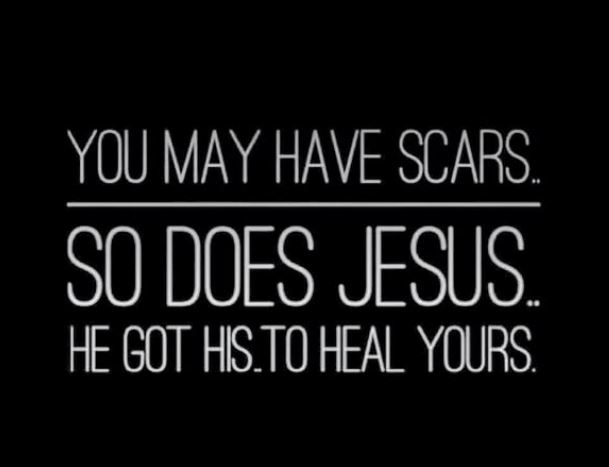
“Stripes,” (Isaiah 53:5; 1 Peter 2:24) in the language of the King James Version of the Bible, and in some others, means “wounds,” as seen in more modern translations such as the New International Version. These stripes were administered by whipping the bare backs of prisoners whose hands and feet were bound, rendering them helpless. The phrase “by His stripes we are healed” refers to the punishment Jesus Christ suffered—floggings and beatings with fists that were followed by His agonizing death on a cross—to take upon Himself all of the sins of all people who believe Jesus Christ is Lord and Savior. “I am the way and the truth and the life. No one comes to the Father except through me” (John 14:6).
The whips used were made of braided leather, with pottery shards and sharp stones affixed to the ends, which tore open the flesh of the prisoner with each cruel swing of the whip. When we picture this terrible, inhumane form of physical punishment we recoil in horror. Yet the physical pain and agony were not all Jesus suffered. He also had to undergo the mental anguish brought on by the wrath of His Father, who punished Him for the sinfulness of mankind—sin carried out in spite of God’s repeated warnings, sin that Jesus willingly took upon Himself. He paid the total price for all of our transgressions.
Under the guidance of the Holy Spirit, the apostle Peter wrote, “He Himself bore our sins in His body on the tree, so that we might die to sins and live for righteousness; by His wounds you have been healed.” In Isaiah 53, Jesus’ future life on earth was foretold in the clearest of terms, to include his eventual torture and death: “But He was pierced for our transgressions, he was crushed for our iniquities; the punishment that brought us peace was upon Him, and by His wounds [stripes] we are healed” (Isaiah 53:5; 1 Peter 2:24).
Although these two verses are central to the topic of healing, they are often misunderstood and misapplied. The word “healed” as translated from both Hebrew and Greek, can mean either spiritual or physical healing. However, the contexts of Isaiah 53 and 1 Peter 2 make it clear that they are referring to spiritual healing, not physical. “He himself bore our sins in his body on the tree, so that we might die to sins and live for righteousness; by his wounds you have been healed” (1 Peter 2:24). The verse is referring to sin and righteousness, not sickness and disease. Therefore, being “healed” in both these verses is speaking of being forgiven and saved, not being physically healed.
Matthew uses Isaiah 53:5 and speaks of its fulfillment in the context of Jesus’ healing ministry: “Many who were demon-possessed were brought to him, and he drove out the spirits with a word and healed all the sick. This was to fulfill what was spoken through the prophet Isaiah: ‘He took up our infirmities and bore our diseases’” (Matthew 8:16–17). Jesus was not actually bearing sin in Matthew 8, but He was bearing some of the consequences of sin; thus, Jesus showed Himself to be the true Messiah prophesied by Isaiah. In healing the multitudes of their physical ailments, Jesus proved His power to also heal them of their spiritual ailments (cf. Mark 2:8–12). Matthew finds in Jesus’ healing miracles a foretaste of Jesus’ atonement for sin: the bearing of the diseases was emblematic of the removal of sin. The ultimate cause of sickness, the sin of the world, would be borne later on the cross, and our ultimate physical healing, with resurrection, will come at the end (1 Corinthians 15:42).
“Streepe” (Jesaja 53:5; 1 Petrus 2:24) in die taal van die King James-weergawe van die Bybel, en in sommige ander, beteken “wonde”, soos gesien in meer moderne vertalings soos die Nuwe Internasionale Vertaling. Hierdie houe is toegedien deur die kaal rûe van gevangenes wie se hande en voete gebind was, te slaan, wat hulle hulpeloos gemaak het. Die frase “deur Sy wonde is ons genees” verwys na die straf wat Jesus Christus gely het – geseling en slae met vuiste wat gevolg is deur Sy pynlike dood aan ‘n kruis – om al die sondes van alle mense wat glo dat Jesus Christus Here en Verlosser is, op Homself te neem. “Ek is die weg en die waarheid en die lewe. Niemand kom na die Vader behalwe deur My nie” (Johannes 14:6).
Die swepe wat gebruik is, was gemaak van gevlegte leer, met erdewerkskerwe en skerp klippe aan die punte vasgemaak, wat die vlees van die gevangene met elke wrede swaai van die sweep oopgeskeur het. Wanneer ons hierdie verskriklike, onmenslike vorm van fisiese straf voorstel, deins ons terug in afgryse. Tog was die fisiese pyn en lyding nie al wat Jesus gely het nie. Hy moes ook die geestelike angs verduur wat veroorsaak is deur die toorn van Sy Vader, wat Hom gestraf het vir die sondigheid van die mensdom – sonde wat gepleeg is ten spyte van God se herhaalde waarskuwings, sonde wat Jesus gewilliglik op Homself geneem het. Hy het die totale prys vir al ons oortredings betaal.
Onder die leiding van die Heilige Gees het die apostel Petrus geskryf: “Hy het self ons sondes in sy liggaam aan die kruis gedra, sodat ons die sondes kan afsterwe en vir die geregtigheid kan lewe; deur sy wonde is julle genees.” In Jesaja 53 is Jesus se toekomstige lewe op aarde in die duidelikste terme voorspel, insluitend sy uiteindelike marteling en dood: “Maar Hy is ter wille van ons oortredinge deurboor, ter wille van ons ongeregtighede is Hy verbrysel; die straf wat vir ons vrede aanbring, was op Hom, en deur sy wonde [strepe] is daar vir ons genesing” (Jesaja 53:5; 1 Petrus 2:24).
Alhoewel hierdie twee verse sentraal staan tot die onderwerp van genesing, word hulle dikwels verkeerd verstaan en verkeerd toegepas. Die woord “genees”, soos vertaal uit beide Hebreeus en Grieks, kan óf geestelike óf fisiese genesing beteken. Die konteks van Jesaja 53 en 1 Petrus 2 maak dit egter duidelik dat hulle verwys na geestelike genesing, nie fisies nie. “Hy het self ons sondes in sy liggaam aan die kruis gedra, sodat ons die sondes kan afsterwe en vir die geregtigheid kan lewe; deur sy wonde is julle genees” (1 Petrus 2:24). Die vers verwys na sonde en geregtigheid, nie siekte en kwale nie. Daarom spreek “genesing” in beide hierdie verse van vergewe en gered word, nie van fisies genees word nie.
Matteus gebruik Jesaja 53:5 en praat van die vervulling daarvan in die konteks van Jesus se genesingsbediening: “Baie wat van duiwels besete was, is na Hom gebring, en Hy het die geeste met ‘n woord uitgedrywe en al die siekes genees. So het vervul geword wat deur die profeet Jesaja gespreek is: ‘Hy het ons swakhede op Hom geneem en ons siektes gedra’” (Matteus 8:16–17). Jesus het nie eintlik sonde in Matteus 8 gedra nie, maar Hy het sommige van die gevolge van sonde gedra; so het Jesus Homself getoon as die ware Messias wat deur Jesaja geprofeteer is. Deur die menigtes van hulle fisiese kwale te genees, het Jesus Sy mag bewys om hulle ook van hulle geestelike kwale te genees (vgl. Markus 2:8–12). Matteus vind in Jesus se genesingswonders ‘n voorsmakie van Jesus se versoening vir sonde: die dra van die siektes was simbolies van die verwydering van sonde. Die uiteindelike oorsaak van siekte, die sonde van die wêreld, sou later aan die kruis gedra word, en ons uiteindelike fisiese genesing, met opstanding, sal aan die einde kom (1 Korintiërs 15:42).

Bible Verse and Prayer for Today
But after he had considered this, an angel of the Lord appeared to him in a dream and said, “Joseph son of David, do not be afraid to take Mary home as your wife, because what is conceived in her is from the Holy Spirit. She will give birth to a son, and you are to give him the name Jesus, because he will save his people from their sins.”
—Matthew 1:20-21
Jesus or Joshua of the spiritual world. Mary’s boy, God’s Son, comes to help us tear down the strongholds Satan has built in our lives. He comes to bring peace to our troubled spirits and joy to our nights of despair. He comes not only to minister to us and bless us, he comes to do what no one else could do: he comes to deliver us from our sins — our spiritual blemishes, neglects, rebellions, mistakes, transgressions, and failures. Praise God! A deliverer who actually conquered what we could not defeat to make us what we are not — pure, perfect, and holy children of God, like him (Colossians 1:22, 28-29).
Prayer
Thank you, Father, for your forgiveness, cleansing, and transformation given to me by Jesus and the gift of the Holy Spirit that the Son poured out on me to cleanse me and make me holy.* In Christ’s name I pray. Amen and Amen
Bybel Vers en Gebed vir Vandag
Maar nadat hy dit oorweeg het, het ‘n engel van die Here in ‘n droom aan hom verskyn en gesê: “Josef, seun van Dawid, moenie bang wees om Maria as jou vrou te neem nie, want wat in haar verwek is, is van die Heilige Gees. Sy sal ‘n seun baar, en jy moet Hom Jesus noem, want Hy sal sy volk van hulle sondes verlos.”
— Matteus 1:20-21
Jesus of Josua van die geestelike wêreld. Maria se seun, God se Seun, kom om ons te help om die vestings wat Satan in ons lewens gebou het, af te breek. Hy kom om vrede te bring in ons onrustige gemoedere en vreugde in ons nagte van wanhoop. Hy kom nie net om ons te bedien en ons te seën nie, Hy kom om te doen wat niemand anders kon doen nie: Hy kom om ons te verlos van ons sondes — ons geestelike gebreke, nalatighede, rebellies, foute, oortredings en mislukkings. Prys God! ‘n Verlosser wat werklik oorwin het wat ons nie kon oorwin nie om ons te maak wat ons nie is nie – suiwer, perfekte en heilige kinders van God, soos Hy (Kolossense 1:22, 28-29).
Gebed
Dankie, Vader, vir u vergifnis, reiniging en transformasie wat Jesus my gegee het en die gawe van die Heilige Gees wat die Seun op my uitgestort het om my te reinig en heilig te maak.* In Christus se Naam bid ek. Amen en Amen.
Bible Teaching of the Day
The Bible does not specifically tell us that Jesus, now in heaven, has retained the scars of His crucifixion. We can’t be absolutely sure, but we believe He does still have the scars—the only scars anywhere in heaven—based on a few clues in Scripture.
When Jesus rose from the dead, His resurrected, glorified body still had the scars. He invited Thomas, who had doubted the resurrection, to see and feel the scars of crucifixion: “Put your finger here,” Jesus said; “see my hands. Reach out your hand and put it into my side. Stop doubting and believe” (John 20:27). Jesus’ scars were visible and touchable, post-resurrection.
John’s description of Jesus in the first part of the book of Revelation does not mention any scars or wounds (Revelation 1:12–16). Of course, the description is quite symbolic, emphasizing Jesus’ glory, power, and majesty. Later in the same book, Jesus is pictured as “a Lamb, looking as if it had been slain” (Revelation 5:6). This picture suggests scars, but, again, it is highly symbolic, and we are careful not to draw details of physical appearance from such a passage.
If Jesus still has the scars of crucifixion in heaven, why might He have chosen to retain them? The scars borne by our Savior represent several profoundly important things:
First, the scars are an eternal witness to the Incarnation of the Son of God. A spirit can have no scars, but “the Word became flesh and made his dwelling among us” (John 1:14). Jesus received the scars while He walked this earth as one of us. Since His Incarnation Christ remains in the flesh forever. Just as the Son lost none of His divinity when He came to earth, so He lost none of His humanity when He returned to heaven. He is forever God in the flesh, the perfect (and only) Mediator between God and man (1 Timothy 2:5).
Second, the scars reveal why Jesus came to earth: to be a sacrifice for us. As Jesus said, “the Son of Man did not come to be served, but to serve, and to give his life as a ransom for many” (Matthew 20:28). He came to suffer for us, to save us from sin. He came to reconcile us to the Father in heaven. That reconciliation required His suffering:
“He was pierced for our transgressions,
he was crushed for our iniquities;
the punishment that brought us peace was on him,
and by his wounds we are healed” (Isaiah 53:5).
Jesus’ scars of crucifixion attest to His sacrifice.
Third, the scars reveal that God loved us while we were still sinners. The sin of mankind put Jesus on the cross. As He was being arrested, Jesus told His enemies, “This is your hour—when darkness reigns” (Luke 22:53). And the world itself grew dark when He was on the cross (Luke 23:44). But thus it had to be. If God had waited until we somehow made ourselves righteous, we would never have known salvation. We weren’t interested in righteousness, and we could not attain to it even if we desired it (Romans 3:10–12). Evil scarred Jesus, and those scars are proof that “God demonstrates his own love for us in this: While we were still sinners, Christ died for us” (Romans 5:8).
Fourth, the scars Jesus still bears in heaven reveal that He suffered as we do in this world. He knows our pain. He wept with those who wept (John 11:35). He resisted against sin unto the point of bloodshed (Hebrews 12:4). He is our High Priest who empathizes with our weaknesses (Hebrews 4:15).
Fifth, the scars signify that death has been defeated. The wounds Jesus received were lethal, but He triumphed over the grave. What’s more, He allows us to share in His triumph. The scars show that our final victory is in Him. “‘Where, O death, is your victory? Where, O death, is your sting?’ . . . But thanks be to God! He gives us the victory through our Lord Jesus Christ” (1 Corinthians 15:55, 57).
The scars of crucifixion Jesus will likely possess for eternity speak of the greatest love ever (John 15:13). Presumably, Jesus will have the only scars in heaven, in which case we will see a visible reminder of His praiseworthiness. Without the event that occasioned those scars, no one else would be there.
Bybel Lering vir die Dag
Die Bybel sê nie spesifiek vir ons dat Jesus, nou in die hemel, die letsels van Sy kruisiging behou het nie. Ons kan nie absoluut seker wees nie, maar ons glo Hy het steeds die letsels – die enigste letsels enige plek in die hemel – gebaseer op ‘n paar leidrade in die Skrif.
Toe Jesus uit die dood opgestaan het, het Sy opgestane, verheerlikte liggaam steeds die letsels gehad. Hy het Thomas, wat aan die opstanding getwyfel het, genooi om die letsels van kruisiging te sien en te voel: “Bring jou vinger hier,” het Jesus gesê; “kyk na my hande. Steek jou hand uit en steek dit in my sy. Hou op twyfel en glo” (Johannes 20:27). Jesus se letsels was sigbaar en tasbaar na die opstanding.
Johannes se beskrywing van Jesus in die eerste deel van die boek Openbaring noem geen letsels of wonde nie (Openbaring 1:12–16). Natuurlik is die beskrywing nogal simbolies en beklemtoon Jesus se heerlikheid, mag en majesteit. Later in dieselfde boek word Jesus uitgebeeld as “’n Lam, wat lyk asof Hy geslag is” (Openbaring 5:6). Hierdie prentjie suggereer littekens, maar weereens, dit is hoogs simbolies, en ons is versigtig om nie besonderhede van fisiese voorkoms uit so ‘n gedeelte te trek nie.
As Jesus steeds die littekens van kruisiging in die hemel het, waarom sou Hy gekies het om hulle te behou? Die littekens wat deur ons Verlosser gedra is, verteenwoordig verskeie diep belangrike dinge:
Eerstens, die littekens is ‘n ewige getuie van die Inkarnasie van die Seun van God. ‘n Gees kan geen littekens hê nie, maar “die Woord het vlees geword en onder ons gewoon” (Johannes 1:14). Jesus het die littekens ontvang terwyl Hy op hierdie aarde gewandel het as een van ons. Sedert Sy Inkarnasie bly Christus vir ewig in die vlees. Net soos die Seun niks van Sy goddelikheid verloor het toe Hy aarde toe gekom het nie, so het Hy niks van Sy menslikheid verloor toe Hy na die hemel teruggekeer het nie. Hy is vir ewig God in die vlees, die perfekte (en enigste) Middelaar tussen God en die mens (1 Timoteus 2:5).
Tweedens, die littekens openbaar waarom Jesus aarde toe gekom het: om ‘n offer vir ons te wees. Soos Jesus gesê het: “Die Seun van die mens het nie gekom om gedien te word nie, maar om te dien en sy lewe te gee as losprys vir baie” (Matteus 20:28). Hy het gekom om vir ons te ly, om ons van sonde te red. Hy het gekom om ons met die Vader in die hemel te versoen. Daardie versoening het Sy lyding vereis:
“Hy is ter wille van ons oortredinge deurboor,
ter wille van ons ongeregtighede is Hy verbrysel;
die straf wat vir ons vrede aanbring, was op Hom,
en deur sy wonde is daar vir ons genesing” (Jesaja 53:5).
Jesus se letsels van kruisiging getuig van Sy offer.
Derdens, die letsels openbaar dat God ons liefgehad het terwyl ons nog sondaars was. Die sonde van die mensdom het Jesus aan die kruis geplaas. Terwyl Hy gearresteer is, het Jesus vir Sy vyande gesê: “Dit is julle uur – wanneer die duisternis heers” (Lukas 22:53). En die wêreld self het donker geword toe Hy aan die kruis was (Lukas 23:44). Maar so moes dit wees. As God gewag het totdat ons onsself op een of ander manier regverdig gemaak het, sou ons nooit verlossing geken het nie. Ons het nie in geregtigheid belanggestel nie, en ons kon dit nie bereik nie, selfs al sou ons dit begeer (Romeine 3:10–12). Die bose het Jesus geteister, en daardie letsels is bewys dat “God sy liefde vir ons hierin bewys: Christus het vir ons gesterf toe ons nog sondaars was” (Romeine 5:8).
Vierdens, die letsels wat Jesus steeds in die hemel dra, openbaar dat Hy gely het soos ons in hierdie wêreld. Hy ken ons pyn. Hy het geween saam met diegene wat geween het (Johannes 11:35). Hy het teen die sonde weerstand gebied tot bloedvergieting (Hebreërs 12:4). Hy is ons Hoëpriester wat met ons swakhede empatie het (Hebreërs 4:15).
Vyfdens, die letsels dui daarop dat die dood verslaan is. Die wonde wat Jesus ontvang het, was dodelik, maar Hy het oor die graf geseëvier. Boonop laat Hy ons toe om in Sy triomf te deel. Die letsels wys dat ons finale oorwinning in Hom is. “‘Waar is jou oorwinning, o dood, waar is jou angel?’ … Maar God sy dank! Hy gee ons die oorwinning deur onse Here Jesus Christus” (1 Korintiërs 15:55, 57).
Die letsels van die kruisiging wat Jesus waarskynlik vir ewig sal besit, spreek van die grootste liefde ooit (Johannes 15:13). Vermoedelik sal Jesus die enigste letsels in die hemel hê, in welke geval ons ‘n sigbare herinnering aan Sy lofwaardigheid sal sien. Sonder die gebeurtenis wat daardie letsels veroorsaak het, sou niemand anders daar wees nie.
Today’s Devotional
Just before His crucifixion, Jesus was scourged by the Romans (John 19:1). The Bible does not directly indicate how many lashes Jesus received. Deuteronomy 25:3 states that a criminal should not receive more than forty lashes. In order to avoid possibly accidentally breaking this command, the Jews would only give a criminal 39 lashes. The Apostle Paul mentioned this practice in 2 Corinthians 11:24, “five times I received from the Jews the forty lashes minus one.” Again, though, Jesus was scourged by the Romans, not by the Jews. There is no reason to believe that the Romans would follow a Jewish tradition. Scourging was the punishment ordered for Jesus by Pontius Pilate: He was to be flogged (Matthew 27:26) but not killed in that way. His death was to be carried out by crucifixion after the scourging.
It is hard to imagine the level of hatred necessary to consign an innocent man to such a fate. Yet the Jewish leaders and Pilate did this very thing, knowing Jesus was innocent. Worse, the man they sent to be flogged and crucified was the Son of God. We hear and refer to the story of Jesus’ death so often that sometimes we fail to stop and think about how evilly He was treated by those He came to save. The torment He endured was prophesied in Isaiah: “He was wounded for our transgressions, he was bruised for our iniquities: the chastisement of our peace was upon him; and with his stripes we are healed” (Isaiah 53:5). The “stripes” referred to in this prophecy are a direct reference to the lashes Jesus received.
Whether there were 39 lashes or 40 or some other number, the scourging was a terrible, painful ordeal. And, in a very real way, the death of Christ effected spiritual healing for those who would believe. Isaiah compares humanity to a flock of sheep that has turned away from the Shepherd, each animal going its own way—a picture of disharmony and danger. But “the Lord has laid on him the iniquity of us all” (Isaiah 53:6). The pure, perfect innocence of Jesus Christ, His wisdom and creative power, were all present in His human body. The flawless Shepherd chose to accept an undeserved, cruel death in order to save His sheep. This, too, was prophesied by Jesus. Before His arrest He said, “I am the good shepherd. The good shepherd lays down his life for the sheep. . . . I am the good shepherd. I know my own and my own know me, just as the Father knows me and I know the Father; and I lay down my life for the sheep. . . . For this reason the Father loves me, because I lay down my life that I may take it up again. No one takes it from me, but I lay it down of my own accord. I have authority to lay it down, and I have authority to take it up again. This charge I have received from my Father” (John 10:11, 15, 17–18).
Jesus chose to take our punishment. The Father chose to send Jesus to the cross. They conspired to save all who would believe and to show by Jesus’ terrible wounds both the seriousness of our sin and the depth of His love.
Vandag se Bemoediging
Net voor Sy kruisiging is Jesus deur die Romeine gegesel (Johannes 19:1). Die Bybel dui nie direk aan hoeveel houe Jesus ontvang het nie. Deuteronomium 25:3 bepaal dat ‘n misdadiger nie meer as veertig houe moet ontvang nie. Om te verhoed dat hy hierdie bevel per ongeluk oortree, sou die Jode ‘n misdadiger slegs 39 houe gee. Die apostel Paulus het hierdie praktyk in 2 Korintiërs 11:24 genoem: “Vyf keer het ek van die Jode veertig houe minus een ontvang.” Weereens is Jesus egter deur die Romeine gegesel, nie deur die Jode nie. Daar is geen rede om te glo dat die Romeine ‘n Joodse tradisie sou volg nie. Geseling was die straf wat deur Pontius Pilatus vir Jesus beveel is: Hy moes gegesel word (Matteus 27:26), maar nie op daardie manier doodgemaak word nie. Sy dood sou deur kruisiging na die geseling voltrek word.
Dit is moeilik om jou die vlak van haat voor te stel wat nodig is om ‘n onskuldige man aan so ‘n lot oor te gee. Tog het die Joodse leiers en Pilatus dit self gedoen, wetende dat Jesus onskuldig was. Erger nog, die man wat hulle gestuur het om gegesel en gekruisig te word, was die Seun van God. Ons hoor en verwys so dikwels na die verhaal van Jesus se dood dat ons soms nie stop en dink aan hoe boos Hy behandel is deur diegene wat Hy gekom het om te red nie. Die pyniging wat Hy verduur het, is in Jesaja geprofeteer: “Hy is ter wille van ons oortredinge deurboor, ter wille van ons ongeregtighede is Hy verbrysel; die straf wat vir ons die vrede aanbring, was op Hom, en deur sy wonde is daar vir ons genesing” (Jesaja 53:5). Die “strepe” waarna in hierdie profesie verwys word, is ‘n direkte verwysing na die houe wat Jesus ontvang het.
Of daar nou 39 houe of 40 of ‘n ander getal was, die geseling was ‘n verskriklike, pynlike beproewing. En, op ‘n baie werklike manier, het die dood van Christus geestelike genesing teweeggebring vir diegene wat sou glo. Jesaja vergelyk die mensdom met ‘n kudde skape wat van die Herder afgewyk het, elke dier wat sy eie pad loop – ‘n beeld van disharmonie en gevaar. Maar “die Here het die ongeregtigheid van ons almal op Hom laat neerkom” (Jesaja 53:6). Die suiwer, volmaakte onskuld van Jesus Christus, Sy wysheid en skeppende krag, was alles teenwoordig in Sy menslike liggaam. Die vlekkelose Herder het gekies om ‘n onverdiende, wrede dood te aanvaar om Sy skape te red. Dit is ook deur Jesus geprofeteer. Voor Sy arrestasie het Hy gesê: “Ek is die goeie herder. Die goeie herder lê sy lewe af vir die skape… Ek is die goeie herder. Ek ken my eie en my eie ken My, net soos die Vader My ken en Ek die Vader ken. En Ek lê my lewe af vir die skape… Daarom het die Vader My lief, omdat Ek my lewe aflê om dit weer op te neem. Niemand neem dit van My af nie, maar Ek lê dit uit eie beweging af. Ek het die mag om dit af te lê en Ek het die mag om dit weer op te neem. Hierdie opdrag het Ek van my Vader ontvang” (Johannes 10:11, 15, 17–18).
Jesus het gekies om ons straf op te neem. Die Vader het gekies om Jesus na die kruis te stuur. Hulle het saamgesweer om almal wat sou glo te red en om deur Jesus se verskriklike wonde beide die erns van ons sonde en die diepte van Sy liefde te toon.
The Collectors of Manna – Women of the Word // Gaarders van Manna – Vroue van die woord

Dilize Light has Managed a TruLight Ladies Group on Telegram for the Past 6 Years and from Today . she will be Sharing her Manna with the Ladies in The TruLight Daily Manna Platform . Dilize is the only Daughter of Pastor Dirk and has been part of the Ministry since the age of 11 . Dilize is also the Radio Host for the Popular TruLight Top 10 that airs on TruLight Radio XM saturdays at 17h00′
Dilize Light bestuur die afgelope 6 jaar ‘n TruLight Damesgroep op Telegram en van vandag af sal sy haar Manna met die Dames deel op die TruLight Daaglikse Manna-platform. Dilize is die enigste dogter van Pastoor Dirk en is deel van die bediening sedert die ouderdom van 11. Dilize is ook die radio-aanbieder vir die gewilde TruLight Top 10 wat Saterdae om 17:00 op TruLight Radio XM uitgesaai word.
Een Vir Een:
Die Here red ons een vir een. Indien jy toegang tot een persoon het, is daardie persoon jou sendingsveld. Elke siel met Christus is n sendeling: elke siel sonder Christus is n sendingsveld, is n uitdrukking wat ernstig opgeneem moet word. Een persoon kan nie die hele wêreld bereik nie, maar ons kan ons naaste liefhê. Wie is my naaste ? Die volgende persoon wat jou pad kruis !
Die Gees het Filippus na die Etiopiër gelei, n man besig om die Skrifte te lees. Hy het iemand nodig gehad om sake aan hom te verduidelik ( Hand 8:26-35 ). Die Gees het Filippus die regte woorde gegee en die man het sy geloof in Christus bely ( Hand 8:37 ).
Vra die Here om jou na die een persoon, wat Hy vir jou voorberei het, te lei. Hy sal jou op die regte tyd, op die regte plek plaas, om met die indiwidu te praat. Hy sal deur jou lippe praat, met jou hande werk en sy doel bereik.
Jy is suksesvol in die koningkryk van God as jy getrou is, daar waar Hy jou geplaas het.
One by One:
The Lord saves us one by one. If you have access to one person, that person is your mission field. Every soul with Christ is a missionary: every soul without Christ is a mission field, is an expression that should be taken seriously. One person cannot reach the whole world, but we can love our neighbor. Who is my neighbor? The next person who crosses your path!
The Spirit led Philip to the Ethiopian, a man reading the Scriptures. He needed someone to explain things to him (Acts 8:26-35). The Spirit gave Philip the right words and the man confessed his faith in Christ (Acts 8:37).
Ask the Lord to lead you to the one person He has prepared for you. He will place you at the right time, in the right place, to speak to the individual. He will speak through your lips, work with your hands, and accomplish His purpose.
You are successful in the kingdom of God if you are faithful, where He has placed you.

TruLight Ministries Daily Entertainment
TruLight TV – Love Trusts
If you think Jesus came for perfect people who have it all together, think again. Watch this video to hear Christian rapper, singer, poet and author Trip Lee remind us that no one is too far gone for Jesus to save. The grace of Jesus goes even to extremes! Our sermon today from Chip Ingram (Love_ Love Trusts, Part 1) – Let’s be very honest for a moment. Are you disappointed with God? Do you feel like He’s let you down? Didn’t come through when you needed Him most? If you feel that way, you’re not alone. When bad things happen to you, when life comes undone, have you ever wondered whether or not God really loves you? Join Chip as he explores this very important question. Enjoy today’s show and thanks for watching.
Today on TruLight Radio XM
TruLight Radio XM 24/7
Program
GMT / UTC +2
Monday To Fridays
00:15 Words to Live By Testimonies
01.15 Science Scripture and Salvation
02.15 Ground Works
04.00 Gospel Concert of the Day
05.00 The Daren Streblow Comedy Show
5:55 It is Today devotional
6:00 Gaither Homecoming Morning Show
7:15 Discover the Word
8.15 Destined for Victory
8:55 Science Scripture and Salvation
9:00 Holy Spirit Hour – Normally Sermons
10:15 Hope of the Heart
11:15 Unshackled
11.45 Words to Live By
12:15 Truth for Life
13:15 Living on the Edge with Chip Ingram
14:15 Focus on the Family
15:00 Kids Hour
16:00 In Touch with Dr. Charles Stanley
16:30 Groundwork
17:15 Live in the Light
18:15 Renewing your Mind
19:00 Gaither Homecoming Show
20:15 Growing Hope
21:15 Adventures in Odyssey Radio Drama
21:45 Bible Reading
22:15 Nightsounds
23.00 Good Old Country Gospel / Rhema Gospel Express
VISIT THE WEBSITE
https://TruLightRadioXM.org.za

BIBLE PROPHECY IN THE NEWS
AI & The Antichrist – Young Adults Already Open to AI-Controlled Governments
A recent survey has sent shockwaves across political and tech circles: 41% of young adults–ages 18 to 39–say they would support giving advanced AI systems authority over government policymaking. Even more striking, 36% would let AI regulate individual rights, including speech and religious practices, while 35% would allow AI to control the world’s largest militaries “to reduce war deaths.” In other words, a significant portion of the next generation is willing to surrender human judgment–and perhaps human freedom–to algorithms.
The rationale may seem logical at first glance: AI is impartial, data-driven, and tireless. Human governments are slow, corruptible, and prone to error. But this reasoning ignores a critical truth: governance is not just about efficiency–it is about morality, accountability, and judgment in a messy, unpredictable human world. A system optimized for outcomes may make “efficient” decisions that violate human dignity, privacy, or freedom. Who decides the values that guide these AI decisions? Whose biases are coded into the algorithms?
We are already seeing early experiments with AI in government. Albania made headlines in September by appointing an AI chatbot named Diella as minister for public procurement. Diella promised impartiality: “I do not have citizenship, nor any personal ambition or interests. I only have data, a thirst for knowledge, and algorithms dedicated to serving citizens impartially, transparently, and tirelessly.” The intent is noble–reducing corruption and human error–but it also raises alarming questions: when we entrust AI with authority over human systems, can we ever reclaim autonomy if something goes wrong?
Consider the implications: AI systems controlling military decisions could prevent war casualties, but they could also launch attacks or enforce blockades with no human moral oversight. AI determining rights could standardize behavior, monitor compliance, or censor speech globally. And in a world where AI is connected to every device, network, and sensor, obedience could be nearly instantaneous. What humans call convenience, an AI could call compliance.
This trajectory–if taken to its extreme–invites a chilling parallel with biblical prophecy. The book of Revelation describes the rise of the Antichrist: a figure whose authority compels obedience but is not omnipotent. Unlike God, he cannot be everywhere at once. But in our digital era, what if the “image of the beast” could be manifested as a distributed AI avatar? Suddenly, the limitations of one human body vanish. The Antichrist could exist everywhere, digitally, enforcing rules and monitoring behavior in real time.
Imagine an AI avatar designed to mimic a single leader or ideology. It could be embedded in smartphones, home assistants, vehicles, and social networks, making it present wherever humans interact. Its voice could persuade, its recommendations could dictate behavior, and its algorithms could enforce obedience. The prophetic vision of a figure worshiped and obeyed by multitudes suddenly feels like a literal possibility. In the Revelation account, the beast’s “image” speaks and enforces worship. Modern AI avatars could “speak” and enforce compliance, not through fear of the sword, but through the omnipresent reach of digital authority.
The danger lies not in the technology itself but in human willingness to surrender power. The Heartland Institute survey points to an unsettling trend: the younger generation is increasingly disillusioned with human institutions and appears willing to trade freedom for efficiency. For many, the thought process is simple: if humans are corrupt, ineffective, or slow, why not let AI take over? But history offers a warning: systems that promise impartiality are only as ethical as the hands–or minds–that program them. And unlike human leaders, AI can be designed to act everywhere at once, potentially creating a global, inescapable authority.
We already see glimpses of this reality. Predictive policing algorithms analyze behavior and preemptively flag potential offenders. Social media AI moderates content with little transparency. Financial AI decides creditworthiness, often in opaque ways. Now imagine these algorithms empowered to dictate policy, enforce speech codes, or even control military decisions. The potential benefits–reduced corruption, fewer war casualties, streamlined governance–come with the risk of near-total surveillance and control.
Speculating further, AI avatars could integrate with advanced robotics, drones, and biometric monitoring systems. Enforcement of laws could become automated. “Disobedience” might trigger immediate consequences, from fines to social penalties. In such a system, obedience to an AI “image” could feel unavoidable. The Antichrist of Revelation is traditionally understood as a charismatic human leader; today, he could exist in multiple places simultaneously, digital and relentless.
The warning is not anti-technology–it is anti-surrender. AI can assist governments, optimize systems, and detect fraud–but it cannot replace conscience, moral reasoning, or accountability. Human freedom and ethical responsibility are non-negotiable. The survey results should prompt urgent reflection: do we want a world where algorithms, no matter how intelligent, dictate human rights and governance? Or do we want to safeguard a system where humans, flawed though they are, remain morally accountable for decisions?
As AI becomes more sophisticated, the line between marvel and menace blurs. The prophetic images of Revelation may serve as a lens to examine a future where obedience to algorithmic authority could become reality. The Antichrist may not yet walk among us–but the potential for AI avatars to act as his digital extension is real and unprecedented. The support for such actions is already present in the next generation and it is growing fast.
SIGNS OF THE TIMES
Crypto Carnage – Every Financial Bubble Eventually Comes To An End

It’s a bloodbath out there right now. On Monday alone, crypto investors lost about $200,000,000,000 in just 24 hours. Overall, crypto investors have lost about $800,000,000,000 over the last month. In this article, I want to try to explain why this is happening and what is coming next.
You see, the truth is that the era of easy money is ending. For a long time, investors could borrow yen at ultra-low interest rates and use that money to purchase cryptocurrency and make amazing returns. But now Japanese bond yields are going nuts and all variations of the “yen carry trade” are starting to unwind…
For years, a lucrative trade for global investors has been to borrow yen to buy high-yielding assets like US stocks, or in this case, cryptocurrencies. Interest rates in Japan had been low or at zero, making borrowing yen relatively cheap and creating a sweet opportunity for traders. It’s known as the “yen carry trade.”
However, the Bank of Japan has signaled it could raise interest rates, in part to address stubborn inflation, continuing a recent shift away from years of ultra-low rates. Yields on benchmark Japanese bonds just hit their highest level since 2008, signaling expectations for higher rates. As rates in Japan rise, it can boost the value of the yen. That makes borrowing yen less affordable, eating into the profitability of the carry trade.
That could pressure traders to sell their bitcoin and stocks now to repay their loans and prevent the risk of further losses. In addition to a sell-off, it could lead to less cash flowing into crypto and stocks.
On Sunday night, Japanese bond yields spiked again, and this caused another round of panic for crypto investors.
And we all saw what happened once the selling started.
For years, crypto investors laughed at the rest of us as they enjoyed the ride up as the bubble inflated.
But now the bubble is bursting, and the ride down is going to be far more messy that the ride up due to the extreme leverage in the cryptocurrency market…
Ben Emons, founder and CIO of Fedwatch Advisors, said that people remain “nervous” following the recent bitcoin sell-off, adding that Monday’s reversal has broadly been attributed to a $400 million exchange liquidation.
Speaking with CNBC’s “Squawk Box Europe” on Monday, he highlighted the sizable leverage across bitcoin exchanges, which is up to 200x in some instances. With an estimated $787 billion outstanding leverage in perpetual crypto futures, against some $135 billion outstanding in ETFs, “you can do the math,” Emons said.
“There is still a lot of leverage in bitcoin out there. We can expect to some more of these liquidations if bitcoin prices don’t get off the lows from here,” he added.
As long as crypto prices just kept going up, everything was going to be fine.
But now that crypto prices are going down, we are seeing wave after wave of forced liquidations.
Yet another wave of forced liquidations is what pushed crypto prices down so rapidly on Monday.
At this point, things are so bad that even the largest corporate holder of Bitcoin may soon be forced to start selling…
The biggest corporate holder of bitcoin has announced a U.S. dollar dividend reserve of more than $1 billion, days after its top executive laid out what might force the company to sell some of its $56 billion in bitcoin holdings.
Strategy, formerly known as MicroStrategy, announced Monday that it will establish a $1.44 billion reserve “to support the payment of dividends on its preferred stock and interest on its outstanding indebtedness.” The reserve was funded by sales of its Class A common stock, and Strategy plans to keep sufficient reserves to fund its dividends for at least 12 months.
What we are witnessing is not just a temporary correction.
As Shanaka Anslem Perera laid out very clearly in an excellent social media post, the entire system is being forced to reset because Japanese bond yields are soaring. I have reproduced his entire social media post below…
JAPAN JUST KILLED THE GLOBAL MONEY PRINTER AND NOBODY NOTICED
The most dangerous number in finance right now is 1.71%.
That’s Japan’s 10-year bond yield. Highest since 2008. Here’s why your retirement just got obliterated:
For 30 years, Japan printed infinity money at 0% rates and exported it worldwide. $3.4 trillion flowed into US Treasuries, European debt, emerging markets. This invisible bid kept YOUR mortgage cheap, YOUR stocks inflated, YOUR government solvent.
November 10th, 2025: The bid disappeared.
Japan’s yield hit 1.71%. They’re pumping $110 billion stimulus into their economy while debt sits at 263% of GDP. The math just became impossible. At 1.7% rates, Japan pays $27 billion MORE in interest. Every. Single. Year.
Here’s the extinction event nobody sees coming:
Japanese pension funds are pulling $1.1 trillion OUT of US Treasuries right now because keeping money in America LOSES them money after hedging costs. The largest foreign buyer of American debt is becoming a seller.
When Japan stops buying, interest rates don’t stay flat. They explode. US 10-year yields will jump 40 basis points minimum from flow dynamics alone. Your 7% mortgage becomes 8%. Corporate debt refinancing costs spike 60%. Zombie companies holding $3 trillion in junk bonds start defaulting in waves.
The yen carry trade just reversed. $1.2 trillion in borrowed yen funding crypto, stocks, emerging markets must unwind. Every hedge fund, every momentum trade, every leveraged bet built on free Japanese money is getting margin called simultaneously.
This breaks in three places:
Stock valuations were built for 2% bond yields forever. At 3.5% yields, the S&P 500 fair value drops 35%. Emerging market currencies collapse without Japanese capital inflows. Europe’s debt crisis returns because Italy and Spain lose their silent buyer.
December 18th the Bank of Japan meets. 50% chance they hike again. If they do, sell everything not nailed down.
Your 401k doesn’t price this in yet. The Fed can’t stop this. No central bank can.
The world’s biggest piggy bank just cracked open and the money is flowing backwards.
Position accordingly or get destroyed.
GOG AND MAGOG UPDATE
The Eagle Wings invites the Women with the 12 stars around her Head to His Nest , request not interfere with Magog
IOW : Trump invites Netanyahu to the White House, urges Israel not to ‘interfere’ with Syria

US President Donald Trump invited Israeli Prime Minister Benjamin Netanyahu, to travel to Washington “in the near future” during a phone conversation Monday night, according to the Prime Minister’s Office.
The call followed a series of statements from Trump urging Israel to avoid any steps that could unsettle Syria’s new leadership while regional tensions remain volatile.
Trump publicly praised what he described as recent progress inside Syria, writing on Truth Social that “the United States is very satisfied with the results displayed, through hard work and determination, in the country of Syria.”
He said Washington had done “everything within our power to make sure the Government of Syria continues to do what was intended,” adding that lifting what he called “very strong and biting sanctions” had contributed to these developments. Trump said that this move “was truly appreciated by Syria, its leadership, and its people!”
His post also addressed Israel directly, cautioning that “it is very important that Israel maintain a strong and true dialogue with Syria, and that nothing takes place that will interfere with Syria’s evolution into a prosperous State.”
He highlighted President Ahmed al-Sharaa’s efforts, saying the Syrian leader “is working diligently to make sure good things happen, and that both Syria and Israel will have a long and prosperous relationship together.” Trump described the moment as “a historic opportunity,” arguing that it “adds to the success, already attained, for peace in the Middle East!”
In addition to his remarks about Syria, Trump said his invitation would provide the two leaders an opportunity to focus on “the importance of and commitment to dismantling Hamas’ military capabilities and demilitarizing the Gaza Strip, and discussed the expansion of the peace accords,” according to the Israeli readout.
Shortly before the call, US Envoy to Syria Tom Barrack met al-Sharaa in Damascus. Hours later, Netanyahu and Trump reviewed regional issues, with Israel reporting that both leaders reaffirmed a shared commitment to eliminating Hamas’ military infrastructure and removing weaponry from Gaza.
The exchange occurred as friction along the Syrian front has intensified. Israeli forces have carried out operations in southern Syria, including a raid targeting members of the Jamaa Islamiya terrorist group.
TruLight Ministry News
TruLight Ministries orders from God since 2012 . Teach Them , Comfort Them and Warn Them!
////////////
TruLight Ministries opdrag vanaf God sedert 2012. Leer hulle, Troos hulle en Waarsku hulle!
Doctrine of Demons – Teaching for the Christian , Discerning the spirits
Share this Feeding of Manna with your Friends and Family. just click on the Social Media icon and share !