Hosted by TruLight Ministries – The Place of Truth

Anyone who tells you that committing your life to Christ makes your life easier is not telling the truth. Fulfilling, yes. More joyful, absolutely. But easier? No. In some ways, life gets more difficult after we come to Christ. The struggle against sin is more pronounced, for one thing. Laziness, gluttony, swearing, anger, envy, self-centeredness, materialism, covetousness, intimacy issues—the temptations seem never-ending. The world, the flesh, and the devil don’t go away because we have stepped into a relationship with Christ.
The 2,000-year-old list of sins in Galatians 5:19–21 is still familiar ground for those of us living in the 21st century. That list is followed by another list—the fruit of the Spirit: love, joy, peace, patience, kindness, goodness, faithfulness, gentleness, and self-control. It is the change from the works of the flesh to the fruit of the Spirit that can prove difficult.
Accepting Christ as Savior means we receive instant justification before God (Romans 10:10). We are reconciled to Him, and we have all the legal rights and privileges of a son or daughter (John 1:12). We now have a relationship with the Creator of the universe.
What is often overlooked is that we also need to accept Christ as Lord. Being a blood-bought child of God means we give up the right to ourselves (1 Corinthians 6:20). This is the point where sanctification begins, and this moment-by-moment dying to self continues as long as we live in our earthly bodies (Matthew 16:24).
The Spirit’s regeneration sets off an alert system that lets us know things have changed. Sinful behaviors that we once found comfortable no longer are. The old way of life grows rather—old (2 Corinthians 5:17).
Being a Christian is difficult because we must now confront our lives from a different worldview that comes with a new set of values—God’s values. We are immersed in a world system that trumpets its ideals and slanders anyone who demurs. Before we are saved, we accept what the world says without even thinking about it. We don’t know anything else. After we are saved, our eyes are opened to the truth, and we can perceive the lies of the world. Fighting against those lies can be difficult.
Being a Christian is difficult because, once we are saved, we are suddenly swimming upstream, against the current of the world around us. Though our appetites will change, our sanctification can be a difficult process. Friends no longer understand us; our families question our new involvements and associations. Those we love often feel rejected, angry, and defensive. They don’t see why we can no longer continue in our old ways.
Being a Christian is difficult because it requires growth. God loves us too much to let us stay the same. Growth can be painful at times, and we usually don’t like to leave our comfort zone, but positive change is always rewarding. As we grow in Christ, we realize that God isn’t just desirous of our conforming to a set of rules. He wants all of us; He wants a crucified life, given totally to Him. We learn through obedience and trust to find rest in His guidance.
Being a Christian is difficult because we must constantly say “no” to our own fleshly desires and yield to the Spirit. We learn to handle conflict with grace, instead of through retaliation. We learn to forgive, rather than hold grudges. We learn to replace the vacillating emotions we once called love with true, unconditional love. We grow through the opportunity to die to ourselves daily, to become obedient.
Yes, being a Christian is difficult in many ways. But that’s only half the story. The difficulties believers face are not tackled alone. Every challenge is met through the power of Christ who lives within us (Philippians 4:13). The faithful follower of Christ is never completely overwhelmed (2 Corinthians 4:8–9).
There are definite, eternal rewards for following Christ (Luke 18:29–30). We learn by experience that God’s ways are better, safer, and more reliable than the world’s ways. Our trusting obedience to God becomes the pathway to a transformed and abundant life (John 10:10).
Enigiemand wat vir jou sê dat dit jou lewe makliker maak om jou lewe aan Christus toe te wy, praat nie die waarheid nie. Vervullend, ja. Meer vreugdevol, absoluut. Maar makliker? Nee. In sommige opsigte word die lewe moeiliker nadat ons na Christus gekom het. Die stryd teen sonde is meer prominent, vir een ding. Luiheid, vraatsug, vloek, woede, afguns, selfgesentreerdheid, materialisme, hebsug, intimiteitsprobleme – die versoekings lyk eindeloos. Die wêreld, die vlees en die duiwel gaan nie weg omdat ons in ‘n verhouding met Christus getree het nie.
Die 2 000 jaar oue lys van sondes in Galasiërs 5:19–21 is steeds bekende grond vir diegene van ons wat in die 21ste eeu leef. Daardie lys word gevolg deur ‘n ander lys – die vrug van die Gees: liefde, vreugde, vrede, geduld, vriendelikheid, goedheid, getrouheid, sagmoedigheid en selfbeheersing. Dit is die verandering van die werke van die vlees na die vrug van die Gees wat moeilik kan wees.
Om Christus as Verlosser aan te neem beteken dat ons onmiddellike regverdiging voor God ontvang (Romeine 10:10). Ons is met Hom versoen, en ons het al die wetlike regte en voorregte van ‘n seun of dogter (Johannes 1:12). Ons het nou ‘n verhouding met die Skepper van die heelal.
Wat dikwels oor die hoof gesien word, is dat ons Christus ook as Here moet aanvaar. Om ‘n bloedgekoopte kind van God te wees, beteken dat ons die reg op onsself prysgee (1 Korintiërs 6:20). Dit is die punt waar heiligmaking begin, en hierdie oomblik-vir-oomblik-sterwe aan die self duur voort solank ons in ons aardse liggame leef (Matteus 16:24).
Die Gees se wedergeboorte stel ‘n waarskuwingstelsel in werking wat ons laat weet dat dinge verander het. Sondige gedrag wat ons eens gemaklik gevind het, is nie meer nie. Die ou lewenswyse word nogal oud (2 Korintiërs 5:17).
Om ‘n Christen te wees, is moeilik omdat ons nou ons lewens vanuit ‘n ander wêreldbeskouing moet konfronteer wat met ‘n nuwe stel waardes kom – God se waardes. Ons is gedompel in ‘n wêreldstelsel wat sy ideale verkondig en enigiemand wat weier, belaster. Voordat ons gered word, aanvaar ons wat die wêreld sê sonder om eers daaraan te dink. Ons weet niks anders nie. Nadat ons gered is, word ons oë oopgemaak vir die waarheid, en ons kan die leuens van die wêreld waarneem. Om teen daardie leuens te veg, kan moeilik wees.
Om ‘n Christen te wees, is moeilik, want sodra ons gered is, swem ons skielik stroomop, teen die stroom van die wêreld rondom ons. Alhoewel ons aptyte sal verander, kan ons heiligmaking ‘n moeilike proses wees. Vriende verstaan ons nie meer nie; ons families bevraagteken ons nuwe betrokkenhede en assosiasies. Diegene vir wie ons lief is, voel dikwels verwerp, kwaad en verdedigend. Hulle sien nie hoekom ons nie meer op ons ou maniere kan voortgaan nie.
Om ‘n Christen te wees, is moeilik, want dit vereis groei. God het ons te lief om ons dieselfde te laat bly. Groei kan soms pynlik wees, en ons hou gewoonlik nie daarvan om ons gemaksone te verlaat nie, maar positiewe verandering is altyd lonend. Soos ons in Christus groei, besef ons dat God nie net begeer dat ons aan ‘n stel reëls voldoen nie. Hy wil ons almal hê; Hy wil ‘n gekruisigde lewe hê, volledig aan Hom oorgegee. Ons leer deur gehoorsaamheid en vertroue om rus in Sy leiding te vind.
Om ‘n Christen te wees, is moeilik omdat ons voortdurend “nee” moet sê vir ons eie vleeslike begeertes en ons aan die Gees moet onderwerp. Ons leer om konflik met genade te hanteer, in plaas van deur vergelding. Ons leer om te vergewe, eerder as om wrokke te koester. Ons leer om die wisselvallige emosies wat ons eens liefde genoem het, te vervang met ware, onvoorwaardelike liefde. Ons groei deur die geleentheid om daagliks aan onsself te sterf, om gehoorsaam te word.
Ja, om ‘n Christen te wees, is in baie opsigte moeilik. Maar dis net die helfte van die storie. Die probleme waarmee gelowiges te kampe het, word nie alleen aangepak nie. Elke uitdaging word die hoof gebied deur die krag van Christus wat in ons leef (Filippense 4:13). Die getroue volgeling van Christus word nooit heeltemal oorweldig nie (2 Korintiërs 4:8–9).
Daar is definitiewe, ewige belonings vir die volg van Christus (Lukas 18:29–30). Ons leer deur ondervinding dat God se weë beter, veiliger en betroubaarder is as die wêreld se weë. Ons vertrouende gehoorsaamheid aan God word die pad na ‘n getransformeerde en oorvloedige lewe (Johannes 10:10).

Bible Verse and Prayer for Today
Your attitude should be the same as that of Christ Jesus: Who… made himself nothing, taking the very nature of a servant, being made in human likeness. And being found in appearance as a man, he humbled himself and became obedient to death — even death on a cross!
—Philippians 2:5, 7-8
Christianity is not for wimps or the faint-hearted. Our example, Jesus, “made himself nothing… taking the very nature of a servant… humbled himself… and became obedient to death — even death on a cross!” That’s tough stuff. What’s more, he is our example of how to live and sacrifice for others. The story of Jesus may begin with a sweet child, a tender virgin girl, and a loving, strong man who protected them. However, it also starts with his crib being the trough where animals ate their food, while an evil king was plotting to murder him. The birth stories of Jesus are precious and powerful. They are not, however, saccharine-sweet fake sentiment. Jesus’ way of life is about servants who are willing to pay the price to redeem the ungrateful and undeserving, and disciples who are different because they know their Redeemer and are determined to become like their Teacher, Savior, and Lord (Luke 6:40).
Prayer
Almighty God, loving Father, thank you for placing the gospel story in the real world where I live. Jesus, thank you for being a Savior who has come into my world and faced its toughest edges and worst ugliness. Help me, please, as I learn to be sacrificial, obedient, redemptive, and humble so that I can be used to help others find your grace. I pray. Amen and Amen
Bybel Vers en Gebed vir Vandag
Jou gesindheid moet dieselfde wees as dié van Christus Jesus: Hy wat Homself verneder het deur die gestalte van ‘n dienaar aan te neem en na die gelykenis van mense gemaak te word. En in gedaante gevind as ‘n mens, het Hy Homself verneder en gehoorsaam geword tot die dood toe – ja, die dood aan die kruis!
—Filippense 2:5, 7-8
Die Christendom is nie vir swakkes of die flouhartiges nie. Ons voorbeeld, Jesus, het “Homself verneder… die gestalte van ‘n dienaar aangeneem… Homself verneder… en gehoorsaam geword tot die dood toe – ja, die dood aan die kruis!” Dis moeilike dinge. Boonop is Hy ons voorbeeld van hoe om te leef en vir ander op te offer. Die verhaal van Jesus kan begin met ‘n lieflike kind, ‘n teer maagd en ‘n liefdevolle, sterk man wat hulle beskerm het. Dit begin egter ook met sy krip as die trog waar diere hul kos geëet het, terwyl ‘n bose koning beplan het om Hom te vermoor. Die geboorteverhale van Jesus is kosbaar en kragtig. Hulle is egter nie suikersoet vals sentiment nie. Jesus se lewenswyse gaan oor dienaars wat bereid is om die prys te betaal om die ondankbares en onverdienstelikes te verlos, en dissipels wat anders is omdat hulle hul Verlosser ken en vasbeslote is om soos hul Leermeester, Verlosser en Here te word (Lukas 6:40).
Gebed
Almagtige God, liefdevolle Vader, dankie dat U die evangelieverhaal in die werklike wêreld plaas waar ek leef. Jesus, dankie dat U ‘n Verlosser is wat in my wêreld gekom het en die moeilikste kante en ergste lelikheid daarvan in die gesig gestaar het. Help my asseblief terwyl ek leer om opofferend, gehoorsaam, verlossend en nederig te wees sodat ek gebruik kan word om ander te help om u genade te vind. Ek bid. Amen en Amen.
Bible Teaching of the Day
The question of why God gave humans a free will often comes up in a discussion about the problem of evil. Someone will ask why there is so much evil in the world, and the answer is that human beings have chosen to do evil things. God is not to blame. The follow-up question is, if God knew all the evil things that people would choose to do, why would He give us free will?
The “standard” answer seems to be that, for love to be real, it must not be coerced. If we did not have the ability to reject God, then neither would we have the ability to truly love Him. Some theologians even go so far as to say that human freedom is the highest good and that even God will not violate it. Genuine love and genuine good can only exist in a world where there is an opportunity for genuine rejection and genuine evil. Some add that, since God knows all possibilities past, present, and future (foreknowledge), the world He created must be the one where the greatest amount of good would result. Out of all possible worlds, the one He made is the best. The problem with this line of thinking is that, although it may be somewhat satisfying intellectually, it is never articulated in Scripture.
What follows are a few more thoughts that may help us formulate some conclusions as to why God gave us a free will. At least they will give us the full weight to the biblical evidence.
First, we have to admit that “free will” is limited by physical possibilities. “Free will” cannot mean we are free to do anything we want to do. Probably a lot of people would like to fly like Superman or be as strong as Samson or teleport from one location to another, but physical limitations prohibit them from doing it. On one level, this may not seem to be an issue of free will, but it is not completely extraneous, because God created a world in which people desire to do these things but have no ability to do them. In this sense, God has curtailed “free will”—it is not truly free as popularly defined.
When we pray for something, we often are praying that another’s “free will” will be curtailed by outside circumstances and physical limitations. If a brutal dictator invades a neighboring country, and we pray for his defeat, we are certainly praying that the dictator will be unable to do what he wants to do. In this case, the person praying is asking God to intervene with another person’s will to prevent a person from accomplishing what he has chosen to do. In the way God created the world, He has built in many limitations that stymie our wills and limit our choices. Likewise, He may intervene to further limit our choices by circumstances beyond our control.
With this in mind, perhaps we might define free will as the ability to choose whatever we want, within the bounds of physical limitations. This brings up the second problem, which has to do with what we want. To deal with this issue, Martin Luther wrote his treatise The Bondage of the Will. The problem is not that we are not free to choose what we want, but that what we choose is severely limited by our desires. We freely choose to disobey God because that is all we want to do. Just as we cannot fly like Superman due to our physical limitations, we cannot obey God due to our spiritual limitations. We are free to choose all sorts of ways to disobey God, but we simply cannot choose to obey God without having our desires radically reorganized (some would say regenerated)—and we are powerless to do this on our own. Apart from God and left to our sinful selves, we will choose sin (Psalm 14:1-3, 53:1-3; Romans 3:10-12).
Romans 8:5–8 identifies the spiritual limitations to our “free will”: “Those who live according to the flesh have their minds set on what the flesh desires; but those who live in accordance with the Spirit have their minds set on what the Spirit desires. The mind governed by the flesh is death, but the mind governed by the Spirit is life and peace. The mind governed by the flesh is hostile to God; it does not submit to God’s law, nor can it do so. Those who are in the realm of the flesh cannot please God” (emphasis added). From the context, it is clear that those who “live according to the flesh” are unbelievers. Their wills are in bondage to sin, and so sin is all they want to do. They cannot submit to God’s law.
If this is the case, who then can be saved? “All things are possible with God” (Mark 10:27). The Lord so works in some to energize their spirits and give them a desire to repent and believe (see Acts 16:14). Sinners do not do this on their own but only under the convicting power of the Spirit. If it were otherwise, the saved could boast that they possessed some wisdom or moral superiority that caused them to choose to repent and believe when confronted with the facts, even while so many others continue to reject the gospel. But we are saved by grace, and no one can boast (Ephesians 2:8–9). God is not obligated to save anyone (He has free will), yet He desires that all would be saved a nd come to repentance (1 Timothy 2:4, 2 Peter 3:9). He offers salvation to everyone (Titus 2:11) yet He will not force anyone to come to Him. By His sovereignty, unchanging character (Malachi 3:6), foreknowledge (Romans 8:29, 11:2), love (Ephesians 1:4-5), and plan and pleasure (Ephesians 1:5) He predestines some to salvation. Others He allows to continue in rebellion—which is exactly what they want to do. In either case, people make real, uncoerced choices.
Coming to faith in Christ frees our will to obey God, to desire the things of God, yet Christians still have an old nature that pulls them in the other direction. Romans 6:12–14 says, “Therefore do not let sin reign in your mortal body so that you obey its evil desires. Do not offer any part of yourself to sin as an instrument of wickedness, but rather offer yourselves to God as those who have been brought from death to life; and offer every part of yourself to him as an instrument of righteousness. For sin shall no longer be your master, because you are not under the law, but under grace.” One day, believers will be confirmed in holiness (glorified) and will no longer be able to sin—yet their love for God will be genuine. They will be free to do what they want, but they will not want to do anything that displeases God.
Prior to the fall, man could be said to have had a “free” will in that he was free to obey God or disobey God. After the fall, man’s will was corrupted by sin to the point where he fully lost the ability to willingly obey God. This doesn’t mean that man can’t outwardly obey God. Rather, man cannot perform any spiritual good that is acceptable to God or has any salvific merit. The Bible describes man’s will as “dead in transgressions and sins” (Ephesians 2:1) or as “slaves to sin” (Romans 6:17). These phrases describe man as both unable and unwilling to submit to God’s sovereign authority; therefore, when man makes choices according to his desires, we must remember that man’s desires are depraved and corrupted and wholly rebellious toward God.
God created a world where people could choose to disobey, and He allows people today to continue to rebel against Him In the process, God’s power and forbearance are clearly seen: “What if God, although choosing to show his wrath and make his power known, bore with great patience the objects of his wrath—prepared for destruction? What if he did this to make the riches of his glory known to the objects of his mercy, whom he prepared in advance for glory?” (Romans 9:22–23). The whole plan of redemption is to the praise of God’s glory (Ephesians 1:14). As should be expected, this doctrine is wholly unsatisfying to those who are in rebellion against God and have no desire to give Him glory. When we engage in evangelism or apologetics, we are often tempted to offer another, more “satisfying” answer that focuses salvation on the benefit to humanity. We should resist that temptation and keep the focus on God’s glory.
God does not coerce people to reject Him; He simply allows them to do the only thing they want to do (sin), and He allows them to do it with a great deal of variety and creativity. God does not coerce people to accept Him, but He persuades them with tactics that cannot be refused. God is in control, but humans make real choices. Somehow, God’s control and human freedom are perfectly compatible.
In the final analysis, there are questions that simply cannot be fully answered or fully understood, and we must never put ourselves in the place of judging God by declaring what a loving God “should do” or a just God “should have done.”
After finishing a long section on God’s control and human choice (Romans 9—11), Paul concludes with this:
“Oh, the depth of the riches of the wisdom and knowledge of God!
How unsearchable his judgments,
and his paths beyond tracing out!
‘Who has known the mind of the Lord?
Or who has been his counselor?’
‘Who has ever given to God,
that God should repay them?’
For from him and through him and for him are all things.
To him be the glory forever! Amen” (Romans 11:33–36).
And Paul ends the letter to the Romans with this: “To the only wise God be glory forever through Jesus Christ! Amen” (Romans 16:27).
God created the world as He did and gave humans the freedoms they have in order to bring glory to Himself. The glorification of God is the greatest possible good.
Bybel Lering vir die Dag
Die vraag waarom God aan mense ‘n vrye wil gegee het, kom dikwels na vore in ‘n bespreking oor die probleem van die bose. Iemand sal vra waarom daar soveel boosheid in die wêreld is, en die antwoord is dat mense gekies het om bose dinge te doen. God is nie te blameer nie. Die opvolgvraag is, as God al die bose dinge geweet het wat mense sou kies om te doen, waarom sou Hy ons vrye wil gee?
Die “standaard” antwoord blyk te wees dat liefde nie afgedwing moet word vir ware liefde nie. As ons nie die vermoë gehad het om God te verwerp nie, sou ons ook nie die vermoë gehad het om Hom werklik lief te hê nie. Sommige teoloë gaan selfs so ver as om te sê dat menslike vryheid die hoogste goed is en dat selfs God dit nie sal skend nie. Ware liefde en ware goedheid kan slegs bestaan in ‘n wêreld waar daar ‘n geleentheid is vir ware verwerping en ware boosheid. Sommige voeg by dat, aangesien God alle moontlikhede van die verlede, hede en toekoms ken (voorkennis), die wêreld wat Hy geskep het, die een moet wees waar die grootste hoeveelheid goed sou voortspruit. Uit alle moontlike wêrelde is die een wat Hy gemaak het die beste. Die probleem met hierdie denkrigting is dat, hoewel dit intellektueel ietwat bevredigend mag wees, dit nooit in die Skrif geartikuleer word nie.
Wat volg, is nog ‘n paar gedagtes wat ons kan help om gevolgtrekkings te formuleer oor waarom God ons ‘n vrye wil gegee het. Ten minste sal hulle ons die volle gewig aan die Bybelse bewyse gee.
Eerstens moet ons erken dat “vrye wil” beperk word deur fisiese moontlikhede. “Vrye wil” kan nie beteken dat ons vry is om enigiets te doen wat ons wil doen nie. Waarskynlik wil baie mense soos Superman vlieg of so sterk soos Simson wees of van een plek na ‘n ander teleporteer, maar fisiese beperkings verbied hulle om dit te doen. Op een vlak lyk dit dalk nie na ‘n kwessie van vrye wil nie, maar dit is nie heeltemal vreemd nie, want God het ‘n wêreld geskep waarin mense hierdie dinge wil doen, maar geen vermoë het om dit te doen nie. In hierdie sin het God “vrye wil” beperk – dit is nie werklik vry soos dit algemeen gedefinieer word nie.
Wanneer ons vir iets bid, bid ons dikwels dat ‘n ander se “vrye wil” beperk sal word deur eksterne omstandighede en fisiese beperkings. As ‘n wrede diktator ‘n buurland binneval, en ons bid vir sy nederlaag, bid ons beslis dat die diktator nie in staat sal wees om te doen wat hy wil doen nie. In hierdie geval vra die persoon wat bid vir God om in te gryp met ‘n ander persoon se wil om te verhoed dat ‘n persoon bereik wat hy gekies het om te doen. In die manier waarop God die wêreld geskep het, het Hy baie beperkings ingebou wat ons wil belemmer en ons keuses beperk. Net so kan Hy ingryp om ons keuses verder te beperk deur omstandighede buite ons beheer.
Met dit in gedagte, kan ons dalk vrye wil definieer as die vermoë om te kies wat ons wil, binne die perke van fisiese beperkings. Dit bring die tweede probleem na vore, wat te doen het met wat ons wil hê. Om hierdie kwessie te hanteer, het Martin Luther sy verhandeling Die Gebondenheid van die Wil geskryf. Die probleem is nie dat ons nie vry is om te kies wat ons wil hê nie, maar dat wat ons kies ernstig beperk word deur ons begeertes. Ons kies vrylik om God ongehoorsaam te wees, want dit is al wat ons wil doen. Net soos ons nie soos Superman kan vlieg nie as gevolg van ons fisiese beperkings, kan ons God nie gehoorsaam as gevolg van ons geestelike beperkings nie. Ons is vry om allerhande maniere te kies om God ongehoorsaam te wees, maar ons kan eenvoudig nie kies om God te gehoorsaam sonder dat ons begeertes radikaal herorganiseer word nie (sommige sou sê wedergebore) – en ons is magteloos om dit op ons eie te doen. Afgesien van God en aan ons sondige self oorgelaat, sal ons sonde kies (Psalm 14:1-3, 53:1-3; Romeine 3:10-12).
Romeine 8:5–8 identifiseer die geestelike beperkings van ons “vrye wil”: “Die wat volgens die vlees leef, dink aan die begeertes van die vlees; maar die wat volgens die Gees leef, dink aan die begeertes van die Gees. Wat die vlees bedink, is die dood, maar wat die Gees bedink, is lewe en vrede. Wat die vlees bedink, is vyandig teenoor God; dit onderwerp hom nie aan God se wet nie, en dit kan dit ook nie. Die wat in die ryk van die vlees is, kan God nie behaag nie” (klem bygevoeg). Uit die konteks is dit duidelik dat diegene wat “volgens die vlees leef” ongelowiges is. Hulle wil is in slawerny aan sonde, en daarom is sonde al wat hulle wil doen. Hulle kan hulle nie aan God se wet onderwerp nie.
As dit die geval is, wie kan dan gered word? “Alles is by God moontlik” (Markus 10:27). Die Here werk so in sommige om hulle gees te versterk en hulle ‘n begeerte te gee om hulle te bekeer en te glo (sien Handelinge 16:14). Sondaars doen dit nie op hul eie nie, maar slegs onder die oortuigende krag van die Gees. As dit anders was, kon die gereddes spog dat hulle ‘n mate van wysheid of morele meerderwaardigheid besit wat hulle laat kies het om hulle te bekeer en te glo wanneer hulle met die feite gekonfronteer word, selfs terwyl soveel ander steeds die evangelie verwerp. Maar ons word deur genade gered, en niemand kan spog nie (Efesiërs 2:8–9). God is nie verplig om enigiemand te red nie (Hy het vrye wil), maar Hy begeer dat almal gered sal word en tot bekering kom (1 Timoteus 2:4, 2 Petrus 3:9). Hy bied verlossing aan almal (Titus 2:11), maar Hy sal niemand dwing om na Hom te kom nie. Deur Sy soewereiniteit, onveranderlike karakter (Maleagi 3:6), voorkennis (Romeine 8:29, 11:2), liefde (Efesiërs 1:4-5), en plan en plesier (Efesiërs 1:5) bestem Hy sommige tot verlossing. Ander laat Hy toe om in rebellie voort te gaan – wat presies is wat hulle wil doen. In beide gevalle maak mense werklike, ongedwonge keuses.
Om tot geloof in Christus te kom, bevry ons wil om God te gehoorsaam, om die dinge van God te begeer, maar Christene het steeds ‘n ou natuur wat hulle in die ander rigting trek. Romeine 6:12–14 sê: “Laat die sonde dan nie in julle sterflike liggaam heers sodat julle aan sy begeertes gehoorsaam nie. Stel geen deel van julleself tot beskikking van die sonde as ‘n instrument van goddeloosheid nie, maar stel julleself aan God as mense wat uit die dood tot die lewe gebring is, en stel elke deel van julleself tot beskikking van Hom as ‘n instrument van geregtigheid. Want die sonde sal nie meer oor julle heers nie, omdat julle nie onder die wet is nie, maar onder die genade.” Eendag sal gelowiges in heiligheid bevestig (verheerlik) word en nie meer kan sondig nie – tog sal hulle liefde vir God eg wees. Hulle sal vry wees om te doen wat hulle wil, maar hulle sal niks wil doen wat God mishaag nie.
Voor die sondeval kan gesê word dat die mens ‘n “vrye” wil gehad het, aangesien hy vry was om God te gehoorsaam of ongehoorsaam te wees. Na die sondeval is die mens se wil deur sonde tot die punt verdorwe waar hy die vermoë om God gewillig te gehoorsaam, heeltemal verloor het. Dit beteken nie dat die mens God nie uiterlik kan gehoorsaam nie. Die mens kan eerder geen geestelike goed verrig wat vir God aanvaarbaar is of enige verlossende meriete het nie. Die Bybel beskryf die mens se wil as “dood in oortredings en sondes” (Efesiërs 2:1) of as “slawe van die sonde” (Romeine 6:17). Hierdie frases beskryf die mens as beide onbekwaam en onwillig om hom aan God se soewereine gesag te onderwerp; daarom, wanneer die mens keuses maak volgens sy begeertes, moet ons onthou dat die mens se begeertes verdorwe en korrup is en heeltemal rebels teenoor God.
God het ‘n wêreld geskep waar mense kon kies om ongehoorsaam te wees, en Hy laat mense vandag toe om voort te gaan om teen Hom te rebelleer. In die proses word God se krag en verdraagsaamheid duidelik gesien: “Wat as God, alhoewel Hy gekies het om sy toorn te toon en sy mag bekend te maak, tog met groot geduld die voorwerpe van sy toorn wat vir die verderf toeberei is, verdra het? Wat as Hy dit gedoen het om die rykdom van sy heerlikheid bekend te maak aan die voorwerpe van sy barmhartigheid, wat Hy vooraf tot heerlikheid toeberei het?” (Romeine 9:22-23). Die hele plan van verlossing is tot lof van God se heerlikheid (Efesiërs 1:14). Soos verwag kan word, is hierdie leerstelling heeltemal onbevredigend vir diegene wat in opstand teen God is en geen begeerte het om Hom eer te gee nie. Wanneer ons betrokke raak by evangelisasie of apologetiek, word ons dikwels versoek om ‘n ander, meer “bevredigende” antwoord te bied wat verlossing fokus op die voordeel van die mensdom. Ons moet daardie versoeking weerstaan en die fokus op God se eer hou.
God dwing mense nie om Hom te verwerp nie; Hy laat hulle eenvoudig toe om die enigste ding te doen wat hulle wil doen (sondig), en Hy laat hulle toe om dit met ‘n groot mate van verskeidenheid en kreatiwiteit te doen. God dwing mense nie om Hom te aanvaar nie, maar Hy oorreed hulle met taktieke wat nie geweier kan word nie. God is in beheer, maar mense maak werklike keuses. Op die een of ander manier is God se beheer en menslike vryheid perfek versoenbaar.
Uiteindelik is daar vrae wat eenvoudig nie ten volle beantwoord of ten volle verstaan kan word nie, en ons moet onsself nooit in die plek plaas om God te oordeel deur te verklaar wat ‘n liefdevolle God “moes doen” of ‘n regverdige God “moes gedoen het” nie.
Nadat hy ‘n lang gedeelte oor God se beheer en menslike keuse (Romeine 9-11) voltooi het, sluit Paulus af met:
“O, diepte van die rykdom van die wysheid en kennis van God!
Hoe ondeurgrondelik is sy oordele,
en sy paaie onpeilbaar!
‘Wie het die gedagtes van die Here geken?
Of wie was sy raadgewer?’
‘Wie het ooit aan God gegee,
sodat God hulle sou vergeld?’
Want uit Hom en deur Hom en tot Hom is alle dinge.
Aan Hom die heerlikheid tot in ewigheid! Amen” (Romeine 11:33-36).
En Paulus sluit die brief aan die Romeine af met: “Aan die enigste wyse God die heerlikheid tot in ewigheid deur Jesus Christus! Amen” (Romeine 16:27).
God het die wêreld geskep soos Hy gedoen het en mense die vryhede gegee wat hulle het om Homself te verheerlik. Die verheerliking van God is die grootste moontlike goed.

Today’s Devotional
Darkness and light are metaphors for evil and good. If anyone sees an angel of light, it will automatically seem to be a good being, for the correlation of evil with darkness, and of good with light, is a powerful archetype in human history. In the Bible, light is a spiritual metaphor for truth and God’s unchanging nature (James 1:17). It is repeatedly used in the Bible to help us understand that God is wholly good and truthful (1 John 1:5). When we are “in the light,” we are with Him (1 Peter 2:9). He exhorts us to join Him in the light (1 John 1:7), for giving us light was His purpose (John 12:46). Light is the place where love dwells and is comfortable (1 John 2:9-10). God has created light (Genesis 1:3), dwells in the light (1 Timothy 6:16) and puts the light in human hearts so that we can see and know Him and understand truth (2 Corinthians 4:6).
So, when 2 Corinthians 11:14 tells us that “Satan disguises himself as an angel of light,” it means that Satan capitalizes on our love of the light in order to deceive. He wants us to think that he is good, truthful, loving, and powerful – all the things that God is. To portray himself as a dark, devilish being with horns would not be very appealing to the majority of people. Most people are not drawn to darkness, but to light. Therefore, Satan appears as a creature of light to draw us to himself and his lies.
How can we discern which light is of God and which light is of Satan? Our minds and hearts are easily confused by conflicting messages. How can we make sure we are on the right path? Psalm 119 says, “Your word is a lamp to my feet and a light to my path” (verse 105) and “The unfolding of your words gives light; it imparts understanding to the simple” (verse 130). The words of God have power. Just as God’s voice spoke physical light into existence, it can speak spiritual light into our hearts. Exposure to His voice – in His Word – will help us recognize the difference between the good light of God and that which is counterfeit.
Satan presents sin to us as something pleasing and beautiful to be desired, and he presents false teaching as enlightening and life-changing. Millions follow his deceptions simply because they do not know God’s truth. Isaiah 8:20-22 describes the darkness that results from ignoring the Word. The people of Israel have been seeking truth by consulting mediums, deceived by Satan’s lie. Isaiah says, “To the teaching and to the testimony! If they will not speak according to this word, it is because they have no dawn. They will pass through the land, greatly distressed and hungry. And when they are hungry, they will be enraged and will speak contemptuously against their king and their God, and turn their faces upward. And they will look to the earth, but behold, distress and darkness, the gloom of anguish. And they will be thrust into thick darkness.”
Darkness is a result of attempting to find truth without the Word of God. Sadly, as Isaiah says, when people do not have the “dawn,” they wander in darkness and often become angry at God, refusing to come to Him for help. This is why Satan’s masquerade as an angel of light is so effective. It turns white to black and black to white and gets us believing that God is the liar, that God is the source of darkness. Then, in our distress, we focus our hatred towards the only One who can save us.
Vandag se Bemoediging
Duisternis en lig is metafore vir kwaad en goed. As iemand ‘n engel van die lig sien, sal dit outomaties lyk asof dit ‘n goeie wese is, want die korrelasie van kwaad met duisternis, en van goed met lig, is ‘n kragtige argetipe in die menslike geskiedenis. In die Bybel is lig ‘n geestelike metafoor vir waarheid en God se onveranderlike natuur (Jakobus 1:17). Dit word herhaaldelik in die Bybel gebruik om ons te help verstaan dat God heeltemal goed en waaragtig is (1 Johannes 1:5). Wanneer ons “in die lig” is, is ons by Hom (1 Petrus 2:9). Hy spoor ons aan om by Hom in die lig aan te sluit (1 Johannes 1:7), want om ons lig te gee was Sy doel (Johannes 12:46). Lig is die plek waar liefde woon en gemaklik is (1 Johannes 2:9-10). God het lig geskep (Genesis 1:3), woon in die lig (1 Timoteus 6:16) en plaas die lig in menslike harte sodat ons Hom kan sien en ken en die waarheid kan verstaan (2 Korintiërs 4:6).
So, wanneer 2 Korintiërs 11:14 vir ons sê dat “Satan homself as ‘n engel van die lig vermom,” beteken dit dat Satan ons liefde vir die lig benut om te mislei. Hy wil hê ons moet dink dat hy goed, waaragtig, liefdevol en magtig is – al die dinge wat God is. Om homself as ‘n donker, duiwelse wese met horings uit te beeld, sou nie baie aantreklik wees vir die meerderheid mense nie. Die meeste mense word nie na duisternis getrek nie, maar na lig. Daarom verskyn Satan as ‘n skepsel van die lig om ons na homself en sy leuens te trek.
Hoe kan ons onderskei watter lig van God is en watter lig van Satan is? Ons gedagtes en harte word maklik verwar deur teenstrydige boodskappe. Hoe kan ons seker maak dat ons op die regte pad is? Psalm 119 sê: “U woord is ‘n lamp vir my voete en ‘n lig vir my pad” (vers 105) en “Die ontvouing van u woorde gee lig; dit gee verstand aan die eenvoudiges” (vers 130). Die woorde van God het krag. Net soos God se stem fisiese lig in ons lewe gespreek het, kan dit geestelike lig in ons harte spreek. Blootstelling aan Sy stem – in Sy Woord – sal ons help om die verskil tussen die goeie lig van God en dit wat namaaksel is, te herken.
Satan bied sonde aan ons aan as iets aangenaams en moois om te begeer, en hy bied valse leringe aan as insiggewend en lewensveranderend. Miljoene volg sy misleidings bloot omdat hulle nie God se waarheid ken nie. Jesaja 8:20-22 beskryf die duisternis wat voortspruit uit die ignoreer van die Woord. Die volk van Israel het waarheid gesoek deur mediums te raadpleeg, mislei deur Satan se leuen. Jesaja sê: “Tot die leer en tot die getuienis! As hulle nie volgens hierdie woord spreek nie, is dit omdat hulle geen dagbreek het nie. Hulle sal deur die land trek, baie benoud en honger. En as hulle honger het, sal hulle woedend wees en minagtend teen hulle koning en hulle God spreek, en hulle aangesigte na bo wend. En hulle sal na die aarde kyk, maar kyk, daar is benoudheid en duisternis, die donkerte van angs. En hulle sal in dik duisternis gestoot word.”
Duisternis is die gevolg van die poging om waarheid te vind sonder die Woord van God. Ongelukkig, soos Jesaja sê, wanneer mense nie die “dagbreek” het nie, dwaal hulle in duisternis rond en word dikwels kwaad vir God en weier om na Hom te kom vir hulp. Dit is hoekom Satan se vermomming as ‘n engel van die lig so effektief is. Dit verander wit na swart en swart na wit en laat ons glo dat God die leuenaar is, dat God die bron van duisternis is. Dan, in ons nood, fokus ons ons haat op die enigste Een wat ons kan red.
The Collectors of Manna – Women of the Word // Gaarders van Manna – Vroue van die woord

Dilize Light has Managed a TruLight Ladies Group on Telegram for the Past 6 Years and from Today . she will be Sharing her Manna with the Ladies in The TruLight Daily Manna Platform . Dilize is the only Daughter of Pastor Dirk and has been part of the Ministry since the age of 11 . Dilize is also the Radio Host for the Popular TruLight Top 10 that airs on TruLight Radio XM saturdays at 17h00′
Dilize Light bestuur die afgelope 6 jaar ‘n TruLight Damesgroep op Telegram en van vandag af sal sy haar Manna met die Dames deel op die TruLight Daaglikse Manna-platform. Dilize is die enigste dogter van Pastoor Dirk en is deel van die bediening sedert die ouderdom van 11. Dilize is ook die radio-aanbieder vir die gewilde TruLight Top 10 wat Saterdae om 17:00 op TruLight Radio XM uitgesaai word.
Bonatuurlike Bewaking:
Op sommige paaie is daar spoed kameras, wat fotos neem van bestuurders wat die spoed oortree. Die oortreders ontvang dan n brief met die foto op wat die visuele bewys dat dit hulle kar is en die spoed wat hulle oortree het.
Somtyds dink ek oor God op dieselfde wyse, as wat ek aan daardie kamera dink – Hy is net daar in die Hemel, wagtend dat ek n fout moet begaan. Alhoewel die Here wel ons sonde sien ( Hebr 4:13 ), sien Hy ook ons goeie dade en weet Hy wat ons doen. As gevolg van sy bonatuurlike bewaking oor ons. Hoor hy ons private gebede ( Matt 6:6 ) en wanneer ons vas, kan ons gewoonweg voorgaan om die wete dat Hy sien wat verborge is ( vs 18 ) en weet wat ons doen.
Wetende dat God alles sien, bevry ons van die spanning oor ander mense wat ons miskien mag dophou. Wanneer ons doen wat reg is, het ons nie die applous van ander nodig nie en wanneer ons sondig, hoef ons nie oor ons reputasie bekkommerd te wees nie, want ons handel die saak met God af. Ons kan rustig wees in die wete dat die Here het sy oë oral op die aarde sodat Hy die kan help wat met hulle hele hart op Hom vertrou. ( 2 Kron 16:9 ).
Ander mense sien wat ons doen, maar God sien waarom ons dit doen
Supernatural Surveillance:
On some roads there are speed cameras that take pictures of drivers who are speeding. The offenders then receive a letter with the picture on it, providing visual proof that it is their car and the speed they were speeding.
Sometimes I think of God in the same way I think of that camera – He is right there in Heaven, waiting for me to make a mistake. Although the Lord does see our sin (Heb. 4:13), He also sees our good deeds and knows what we are doing. Because of His supernatural surveillance over us. He hears our private prayers (Matt. 6:6) and when we fast, we can simply go ahead knowing that He sees what is hidden (vs. 18) and knows what we are doing.
Knowing that God sees everything frees us from the stress of other people who may be watching us. When we do what is right, we don’t need the applause of others, and when we sin, we don’t need to worry about our reputation, because we settle the matter with God. We can rest assured knowing that the eyes of the Lord run to and fro throughout the earth to show his strength in behalf of those whose hearts are fully committed to him. (2 Chronicles 16:9)
Other people see what we do, but God sees why we do it.

TruLight Ministries Daily Entertainment
TruLight TV – Building Relationships that Matter
Choose Your Friends Wisely. We all need friends. But sometimes we seek the ones who look great on the outside but add no value to our lives. We need godly friendships that help us grow and develop into who God wants us to be. and later our sermon today from Dr. Charles Stanley (Developing Patience) – You can’t just pray for patience. It’s a fruit of the Spirit that takes time, energy, and effort to develop, and it grows as a result of your faith and perseverance through hardships. At the center of it is a belief that God is in absolute control of your life. Will you trust Him to turn your difficulties into opportunities to develop patience. Enjoy and thanks for watching.
Today on TruLight Radio XM
TruLight Radio XM 24/7
Program
GMT / UTC +2
Monday To Fridays
00:15 Words to Live By Testimonies
01.15 Science Scripture and Salvation
02.15 Ground Works
04.00 Gospel Concert of the Day
05.00 The Daren Streblow Comedy Show
5:55 It is Today devotional
6:00 Gaither Homecoming Morning Show
7:15 Discover the Word
8.15 Destined for Victory
8:55 Science Scripture and Salvation
9:00 Holy Spirit Hour – Normally Sermons
10:15 Hope of the Heart
11:15 Unshackled
11.45 Words to Live By
12:15 Truth for Life
13:15 Living on the Edge with Chip Ingram
14:15 Focus on the Family
15:00 Kids Hour
16:00 In Touch with Dr. Charles Stanley
16:30 Groundwork
17:15 Live in the Light
18:15 Renewing your Mind
19:00 Gaither Homecoming Show
20:15 Growing Hope
21:15 Adventures in Odyssey Radio Drama
21:45 Bible Reading
22:15 Nightsounds
23.00 Good Old Country Gospel / Rhema Gospel Express
VISIT THE WEBSITE
https://TruLightRadioXM.org.za

BIBLE PROPHECY IN THE NEWS
Seek & Strike: Israel’s drone swarm revolution (REV 9 PROPHECY)

Israel’s Directorate of Defense Research & Development (DDR&D), part of the Ministry of Defense, has announced major funding for the development of Seek & Strike swarms.
These systems, jointly developed with Elbit Systems and the IDF Ground Forces, represent a significant leap in autonomous warfare capabilities.
The Seek & Strike concept involves coordinated groups of drones that can simultaneously conduct surveillance, identify targets, and execute precision strikes.
Unlike traditional UAVs, which operate individually, swarms are designed to function as a networked unit, sharing data in real time and adapting to battlefield conditions.
This makes them highly effective in complex environments such as urban combat or against adversaries deploying large numbers of rockets, drones, and fighters.
According to DDR&D, the drones are equipped with advanced ISR (intelligence, surveillance, reconnaissance) capabilities, terrain dominance features, and strike payloads tailored for both open and urban battlefields.
They can be deployed rapidly, operate with minimal human oversight, and deliver decisive effects at lower risk to soldiers.
The importance of these swarms for future wars cannot be overstated.
Israel faces threats from Iran, Hezbollah, and other regional actors who increasingly rely on massed drone attacks, precision rockets, and asymmetric tactics.
Seek & Strike swarms provide a technological countermeasure, enabling the IDF to neutralize threats quickly and efficiently.
Their ability to overwhelm enemy defenses, disrupt communications, and deliver pinpoint strikes gives Israel a critical edge in maintaining deterrence.
Beyond combat, DDR&D has also emphasized the role of swarms in force protection and casualty management.
By integrating AI‑driven systems, the IDF can reduce exposure of frontline troops while ensuring rapid response to evolving threats.
The Seek & Strike program began pilot testing in 2022, with initial swarms deployed for training in 2023. By 2024, DDR&D expanded funding after successful operational trials in Gaza.
Full integration into IDF combat brigades is expected by 2026, marking a decisive shift toward autonomous battlefield dominance.
This investment reflects Israel’s broader strategy of maintaining a qualitative military edge through innovation.
As warfare shifts toward autonomous systems and contested electromagnetic environments, Seek & Strike swarms embody the future of military operations—fast, adaptive, and lethal.
PASTOR DIRK SAYS
The Bible Prophesied on this in Rev 9 See Attached Article
SIGNS OF THE TIMES
1000 Pastors from the Doctrine of Demons called Christian Zionism / Christian Leaders arrive in Israel – The Largest Delegation since Statehood 1948
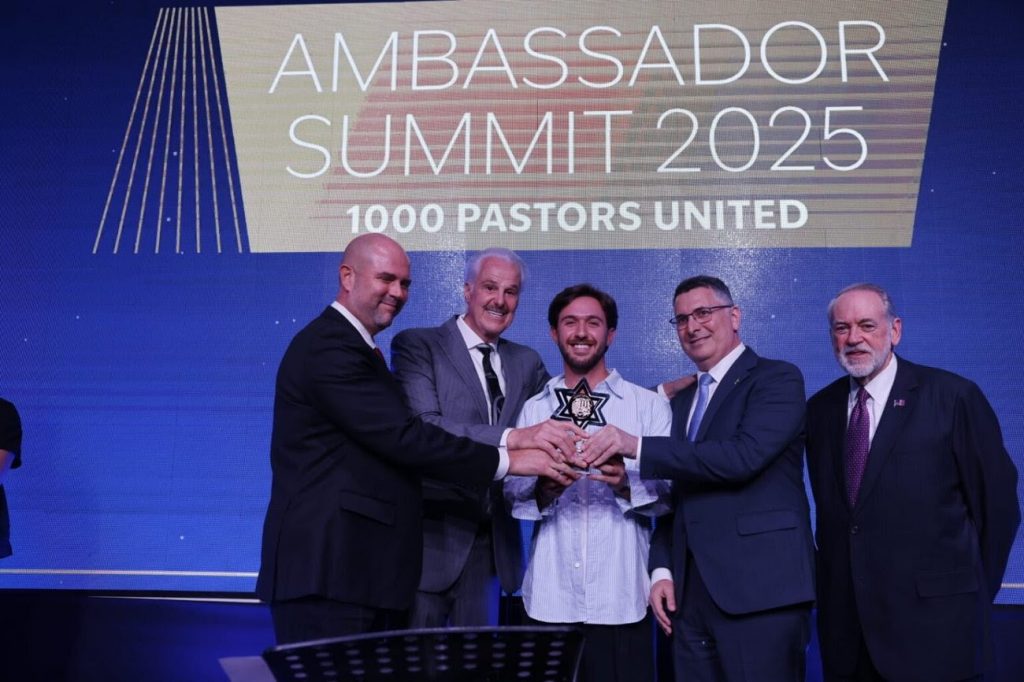
The Friends of Zion (Christian Zionist a Doctrine of Demons) Ambassador Summit 2025 aims to transform these participants into trained pro-Israel “ambassadors” who will carry Israel’s story back to tens of millions of evangelical (Christian Zionist a Doctrine of Demons) supporters in America.
PASTOR DIRK SAYS
A Doctrine of Demons was created for Christians that Loves Israel and the Zionist believe System (The Old Covenant) Christian Zionism is a Dual Covenant – These Christians approves a Dual Covenant to reach Heaven., Read more about it in the article attached
GOG AND MAGOG UPDATE
Gog / Russia’s upgraded Shahed drones reshape the threat facing Israel and Ukraine
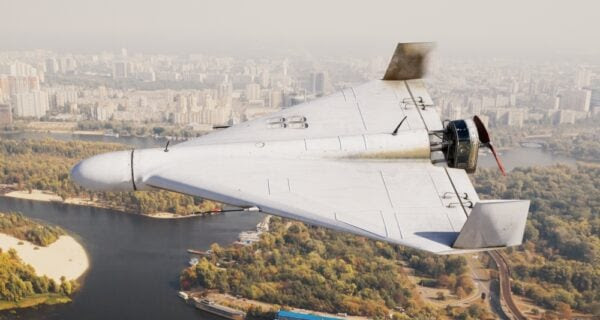
Recent reporting from Ukrainian and other sources indicates that Russia has substantially upgraded the original Iranian-made Shahed suicide drones—modifications that could pose new and more complex threats, not only to Ukraine but also to Israel, should Moscow transfer the technology or components to Tehran.
The most consequential innovation is the replacement of the Shahed’s rudimentary “motorbike” engine with a compact turbojet, increasing its speed by as much as a factor of three.
Iranian government-controlled media outlets, along with anonymous social media accounts that echo the Islamic Republic’s messaging, have intensified their assertions about a major military buildup to compensate for the setback Iran suffered during Israel’s June 2025 air campaign.
Many analysts, inside and outside Iran, speculate that a second Israeli offensive is only a matter of time, prompting Tehran’s insistence that it must demonstrate an ability to respond forcefully.
Claims about an expanding ballistic-missile arsenal now circulate on Iranian social media. Iranian commentators say that Tehran could overwhelm Israeli air defenses with a barrage or sustain a prolonged exchange that eventually depletes expensive U.S. and Israeli interceptor stocks.
Some assert implausibly that Iran could launch up to 2,000 ballistic missiles in a single salvo. Given military and logistical realities, such boasts resemble psychological posturing by a defeated state rather than credible strategic assessments.
The development of faster Shahed drones, however, represents a different challenge.
In the June 2025 conflict, Israel established air dominance over Iran, which sharply limited Tehran’s ability to prepare and launch large numbers of missiles simultaneously: Many would be detected during their lengthy launch sequence and destroyed on the ground.
Shahed drones, by contrast, require almost no preparation time and can be launched with minimal warning.
If Russia provides Iran with the upgraded jet-powered variant, flight times would drop dramatically.
Drones launched from Iran’s western border regions could reach northern Israel in under two hours. Their higher velocity—reportedly 310-375 mph, compared with the Iranian model’s sub-125 mph speed—would complicate interception.
During previous Iranian attacks, almost all propeller-driven Shaheds were shot down, often with U.S. and allied aircraft assisting.
The faster Russian variant would still be vulnerable to Western fighter jets, but a larger number might slip through Israel’s air-defense net, especially if Iran launched them in swarms.
Even if most are intercepted, Israel still would have to expend interceptor missiles costing hundreds of thousands of dollars each to destroy drones that cost Iran only tens of thousands of dollars to manufacture.
The economics of the exchange—premium interceptors versus relatively cheap drones—works in Iran’s favor in any saturation attack.
The central question is whether Russia will share the technology. For two decades, Moscow has been reluctant to provide Tehran with advanced weaponry—especially modern combat aircraft.
But Tehran delivered a major boost to Russia’s war effort in 2022 by supplying Shahed drones, enabling Russia to strike deep into Ukrainian cities. Moscow may feel compelled to reciprocate, at least partially.
A more probable scenario is that Russia shares only technical specifications and engineering guidance. In that case, Iran would need to procure suitable small turbojet engines, build prototypes, and conduct flight tests—a process that could take months.
If Russia, China, North Korea, or an illicit procurement network decides to supply ready-made engines, Iran could accelerate production dramatically. This is the juncture at which Israeli and Western intelligence services must remain intensely vigilant.
Another concerning development emerged on December 1, when photographs appeared of a Russian jet-powered Shahed variant fitted with a Soviet-era R-60 short-range air-to-air missile.
If verified, this would mark an attempt to transform the Shahed from a simple suicide drone into a rudimentary airborne threat to enemy aircraft.
Although such a platform would not pose a significant challenge to advanced jets such as the F-16, the addition of an air-to-air weapon complicates the task for forces attempting to counter drone swarms and reveals a technological trajectory that Russia—and potentially Iran—may pursue.
Iranian sources increasingly have invoked the prospect of a multi-front conflict with Israel should hostilities resume. Israeli and Arab media likewise report that Tehran is preparing its regional allies—including Hezbollah, Iraqi militias, the Houthis, and factions in Syria and Judea and Samaria—for a broader confrontation.
U.S. officials have warned Baghdad that Israel will strike inside Iraq if Iran-backed militias intervene. In short, Tehran appears to be positioning its “Axis of Resistance” for synchronized action against Israel.
Iran’s renewed efforts to rearm itself and rally its remaining proxies may herald a prelude to a second Israeli offensive. Tehran’s refusal to make substantive concessions to Washington risks paving the way for expanded U.S. support for an Israeli decision to strike—an outcome Iranian leaders claim to fear yet seem politically unwilling to avert.
Laser Defense Arrives: Iron Beam to Become Operational on December 30 2025
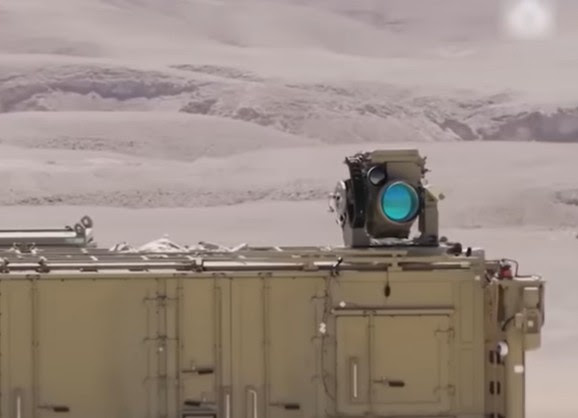
The Iron Beam, Israel’s first high-energy laser interceptor, has completed development and testing and will be handed to the IDF on December 30.
Turkey pushes for closer ties with Iran despite mounting sanctions as both countries pursue regional ambitions
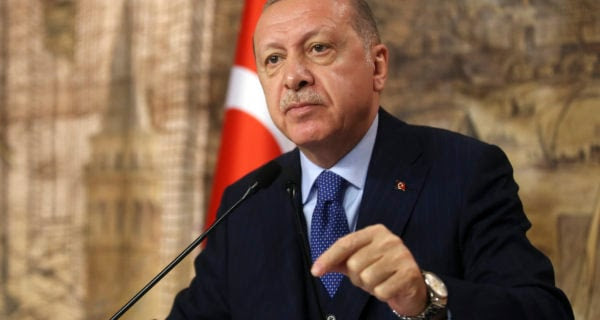
Despite the recent reimposition of UN sanctions on Iran, Turkey has called for closer diplomatic and trade relations with the Iranian regime, as both countries seek to bolster their influence in the Middle East while openly targeting Israel.
In a new interview with the semi-official Iranian news outlet ISNA, Turkey’s Ambassador to Iran, Hicabi Kırlangıç, said Ankara was working to expand bilateral cooperation with Tehran by leveraging existing capabilities to increase economic ties between the two countries.
“One of the obstacles to expanding trade relations between Iran and Turkey is the issue of sanctions. However, we should not cling to this excuse and refrain from trying to increase trade relations,” Kırlangıç said.
“The goal is to raise the level of trade relations to $30 billion, but we are still far from this figure,” he continued, emphasizing the vast potential for economic growth and the need for careful planning to achieve it.
The Turkish diplomat’s latest remarks followed Foreign Minister Hakan Fidan’s visit on Sunday to Tehran, where he also pushed for stronger bilateral cooperation between the two countries and denounced what he called “unfair sanctions” on Iran.
In a joint press conference with Iranian Foreign Minister Abbas Araghchi, Fidan reaffirmed Turkey’s support for Tehran while calling for the country’s nuclear program to be addressed through dialogue amid ongoing discussions to restart nuclear talks with the West.
After repeated unsuccessful negotiations over Iran’s nuclear program, European countries launched the process to reinstate wide-ranging UN sanctions earlier this year under the so-called snapback mechanism, adding further pressure on Tehran, which was already facing mounting US sanctions.
Fidan called for the removal of these “unrighteous” sanctions, stressing that the Iranian regime must resolve outstanding issues “on the basis of international law.”
“Turkey has always stood with Iran and will continue to stand with Iran within the framework of international law,” the top Turkish diplomat said, adding that “these unfair sanctions should be lifted.”
During their high-level meeting in Tehran, officials from both countries vowed to significantly expand cooperation on trade, energy, border management, and regional security, noting that economic ties remain well below their potential.
As part of their announced initiatives, the two nations agreed to build a new joint rail line that will serve as a strategic trade corridor between Asia and Europe, with construction expected to take three to four years and cost roughly $1.6 billion.
Fidan also said both countries consider Israel “the biggest threat to stability in the Middle East,” pointing to the war in Gaza, tensions in Lebanon and Syria, and broader concerns over what he called “Israeli expansionist policies.”
“The international community must fulfill its responsibilities,” he said, calling for stronger global pressure on the Jewish state.
Amid international efforts to uphold the Israel-Hamas ceasefire and chart a path for post-war Gaza, Turkey — a longtime backer of Hamas — has been pushing to expand its role in Gaza’s reconstruction efforts, which experts have warned could potentially strengthen Hamas’s terrorist infrastructure.
TruLight Ministry News
TruLight Ministries orders from God since 2012 . Teach Them , Comfort Them and Warn Them!
////////////
TruLight Ministries opdrag vanaf God sedert 2012. Leer hulle, Troos hulle en Waarsku hulle!
Doctrine of Demons – Teaching for the Christian , Discerning the spirits
Share this Feeding of Manna with your Friends and Family. just click on the Social Media icon and share !