Hosted by TruLight Ministries – The Place of Truth
Technically, repentance is a change of mind, not a turning from sin. The Greek word translated “repentance” is metanoia, and the meaning is simply “a change of mind.” In common usage, however, we often speak of repentance as “a turning from sin.” There is a good reason for this.
Repentance is often associated with salvation in Scripture. What happens when the Holy Spirit begins His work to bring a person to salvation? The Spirit gives the sinner a personal understanding and infallible conviction that the facts concerning his spiritual state are true. Those facts are his personal sin, the eternal punishment due him for his sin, the substitutionary nature of Jesus’ suffering for his sin, and the need for faith in Jesus to save him from his sin. From that convicting work of the Holy Spirit (John 16:8), the sinner repents—he changes his mind—about sin, the Savior, and salvation.
When a repentant person changes his mind about sin, that change of mind naturally leads to a turning from sin. Sin is no longer desirable or fun, because sin brings condemnation. The repentant sinner begins to abhor his past misdeeds. And he begins to seek ways to amend his behavior (see Luke 19:8). So, ultimately, the result of the change of mind about sin is good deeds. The sinner turns away from sin toward faith in the Savior, and that faith is shown in action (see James 2:17).
The change of mind (repentance) is not precisely the same as the active turning from sin and visible performance of good deeds, but one leads to the other. In this way, repentance is related to turning from sin. When people speak of repentance as a turning from sin (rather than a change of mind), they are using a figure of speech called metonymy. In metonymy, the name of a concept is replaced with a word suggested by the original.
Metonymy is quite common in everyday language. For example, news reports that begin, “The White House issued a statement today,” are using metonymy, as the name for the building where the President lives is substituted for the name of the President himself.
In the Bible we can see other examples of metonymy. In Mark 9:17 the father states that his son has “a mute spirit” (NKJV). The evil spirit itself is not mute. The evil spirit causes the boy to be mute. The spirit is named after the effect it produces: a mute child. The metonymy here replaces the cause with the effect. Similarly, using the word repentance to mean “a turning from sin” replaces the cause with the effect. The cause is repentance, a change of mind; the effect is a turning away from sin. A word is replaced by a related concept. That’s metonymy.
In summary, repentance is a change of mind. But the full biblical understanding of repentance goes beyond that. In relationship to salvation, repentance is a change of mind from an embrace of sin to rejection of sin and from rejection of Christ to faith in Christ. Such repentance is something only God can enable (John 6:44; Acts 11:18; 2 Timothy 2:25). Therefore, true biblical repentance will always result in a change of behavior. Maybe not instantly, but inevitably and progressively.
Tegnies gesproke is bekering ‘n verandering van denke, nie ‘n wegdraai van sonde nie. Die Griekse woord wat as “bekering” vertaal word, is metanoia, en die betekenis is eenvoudig “‘n verandering van denke”. In algemene gebruik praat ons egter dikwels van bekering as “‘n wegdraai van sonde”. Daar is ‘n goeie rede hiervoor.
Bekering word dikwels in die Skrif met verlossing geassosieer. Wat gebeur wanneer die Heilige Gees Sy werk begin om ‘n persoon tot verlossing te bring? Die Gees gee die sondaar ‘n persoonlike begrip en onfeilbare oortuiging dat die feite rakende sy geestelike toestand waar is. Daardie feite is sy persoonlike sonde, die ewige straf wat hom verskuldig is vir sy sonde, die plaasvervangende aard van Jesus se lyding vir sy sonde, en die behoefte aan geloof in Jesus om hom van sy sonde te red. Uit daardie oortuigende werk van die Heilige Gees (Johannes 16:8) bekeer die sondaar hom—hy verander sy denke—oor sonde, die Verlosser en verlossing.
Wanneer ‘n berouvolle persoon sy denke oor sonde verander, lei daardie verandering van denke natuurlik tot ‘n wegdraai van sonde. Sonde is nie meer wenslik of pret nie, want sonde bring veroordeling. Die berouvolle sondaar begin sy vorige misdade verafsku. En hy begin maniere soek om sy gedrag te verbeter (sien Lukas 19:8). Dus, uiteindelik, is die gevolg van die verandering van denke oor sonde goeie dade. Die sondaar draai weg van sonde na geloof in die Verlosser, en daardie geloof word in aksie getoon (sien Jakobus 2:17).
Die verandering van denke (bekering) is nie presies dieselfde as die aktiewe wegdraai van sonde en sigbare uitvoering van goeie dade nie, maar die een lei tot die ander. Op hierdie manier hou bekering verband met wegdraai van sonde. Wanneer mense van bekering praat as ‘n wegdraai van sonde (eerder as ‘n verandering van denke), gebruik hulle ‘n figuurlike spraak genaamd metonimie. In metonimie word die naam van ‘n konsep vervang met ‘n woord wat deur die oorspronklike voorgestel word.
Metonimie is redelik algemeen in alledaagse taal. Byvoorbeeld, nuusberigte wat begin met “Die Withuis het vandag ‘n verklaring uitgereik”, gebruik metonimie, aangesien die naam vir die gebou waar die President woon, vervang word met die naam van die President self.
In die Bybel kan ons ander voorbeelde van metonimie sien. In Markus 9:17 sê die vader dat sy seun “‘n stom gees” het (NKJV). Die bose gees self is nie stom nie. Die bose gees veroorsaak dat die seun stom word. Die gees is vernoem na die effek wat dit produseer: ‘n stom kind. Die metonimie vervang hier die oorsaak met die gevolg. Net so vervang die woord bekering om “‘n afkeer van sonde” te beteken, die oorsaak met die gevolg. Die oorsaak is bekering, ‘n verandering van denke; die effek is ‘n afkeer van sonde. ‘n Woord word vervang deur ‘n verwante konsep. Dit is metonimie.
Opsommend is bekering ‘n verandering van denke. Maar die volle Bybelse begrip van bekering gaan verder as dit. In verhouding tot verlossing is bekering ‘n verandering van denke van ‘n omhelsing van sonde na verwerping van sonde en van verwerping van Christus na geloof in Christus. Sulke bekering is iets wat slegs God kan moontlik maak (Johannes 6:44; Handelinge 11:18; 2 Timoteus 2:25). Daarom sal ware Bybelse bekering altyd lei tot ‘n verandering van gedrag. Miskien nie onmiddellik nie, maar onvermydelik en progressief.

Bible Verse and Prayer for Today
Let us therefore make every effort to do what leads to peace and to mutual edification.
—Romans 14:19
“Let us… make every effort!”
That’s quite a challenge. But notice where that exertion is to be focused: peace and mutual edification. Both sides of this exhortation are two-way responsibilities. I must pursue and share peace if I am going to have it myself. I must edify, and be open to being edified, if mutual edification and encouragement are going to happen. In other words, we live with other people in God’s family. He wants us to be responsible for making relationships work in our spiritual family. He reminds us it will require strenuous effort. But, isn’t that true in every family relationship? Love means sacrifice, effort, and concern for others, as well as love, generosity, and encouragement given to others. When we share our love willingly and peacefully, we’re much more likely to see them both coming back to us more abundantly!
Prayer
Dear Heavenly Father, please forgive me for my impatience and selfishness. Defeat the bad attitude of competitiveness that I sometimes display in arguments and disagreements with others in your family. Energize me by your Spirit to see areas where I can be a blessing and an encouragement to others. In Jesus’ name, I pray to live at peace and be a blessing in your holy family. Amen and Amen
Bybel Vers en Gebed vir Vandag
Laat ons dus alles in ons vermoë doen om te doen wat tot vrede en wedersydse opbouing lei.
—Romeine 14:19
“Laat ons… alles in ons vermoë doen!”
Dis nogal ‘n uitdaging. Maar let op waar daardie inspanning gefokus moet wees: vrede en wedersydse opbouing. Beide kante van hierdie vermaning is tweerigtingverantwoordelikhede. Ek moet vrede nastreef en deel as ek dit self wil hê. Ek moet opbou en oop wees om opgebou te word as wedersydse opbouing en bemoediging gaan plaasvind. Met ander woorde, ons leef saam met ander mense in God se familie. Hy wil hê ons moet verantwoordelik wees om verhoudings in ons geestelike familie te laat werk. Hy herinner ons daaraan dat dit strawwe inspanning sal verg. Maar is dit nie waar in elke familieverhouding nie? Liefde beteken opoffering, moeite en besorgdheid oor ander, sowel as liefde, vrygewigheid en bemoediging wat aan ander gegee word. Wanneer ons ons liefde gewillig en vreedsaam deel, is ons baie meer geneig om te sien dat albei meer oorvloedig na ons terugkom!
Gebed
Liewe Hemelse Vader, vergeef my asseblief vir my ongeduld en selfsug. Oorwin die slegte gesindheid van mededingendheid wat ek soms in argumente en meningsverskille met ander in u familie toon. Versterk my deur u Gees om areas te sien waar ek ‘n seën en ‘n bemoediging vir ander kan wees. In Jesus se Naam bid ek om in vrede te leef en ‘n seën in u heilige familie te wees. Amen en Amen.
Bible Teaching of the Day
Every time a new politician steps into the ring, he promises change. But change can be good or bad. We know we should change oil, lightbulbs, and dirty diapers. And growth requires change. But many people believe we should also change our morals, ethics, and beliefs to accommodate changes in culture. But should everything be open to change? The Bible gives us clear guidelines on what should change and what should stay the same.
“I, the Lord, never change,” God declares in Malachi 3:6. So that’s where we start. Change means a move in another direction. For God to change would mean that He either becomes better or worse, and God is ultimate perfection. He cannot change because He cannot be better than He already is; and He cannot fail or become less than perfect, so He cannot become worse than He is. God’s quality of never changing is called immutability.
God never changes, and nothing about Him changes: His character traits such as love, mercy, kindness, justice, and wisdom always exist in perfection. The methods He uses to deal with human beings have changed through the centuries, but the values and purposes behind those methods did not. For example, under the Mosaic Covenant, God declared that animals sacrificed in the manner He prescribed would atone for the sins of the people (Leviticus 4:23; 9:2–13; Numbers 29:11). Under the terms of the New Covenant, the Son of God Himself became the sacrifice, and the old system, having served its purpose, became obsolete (Luke 22:20; Hebrews 9:11–14). God’s holiness, His wrath against sin, and His extension of mercy did not change, but He did provide a better sacrifice for us: the perfect Lamb of God (John 1:29; Hebrews 10:10). This change from the Old Covenant to the New was needed, and it is wonderful, securing eternal life for those who trust in Christ (John 3:16–18).
God never changes, but people do: our bodies, brains, ideas, and values all change. In fact, God built into us the ability to change. Part of being created in God’s image is that human beings can think, reason, and come to conclusions distinct from physical or material realities (Genesis 1:27).
When God created Adam and Eve, they were perfect, but mutable. Any change they experienced was good, as they tended the garden and learned more of God and of each other. But sin brought about a negative change that altered not only Adam and Eve’s behavior and thinking but also their very nature. As a result, their environment changed, along with all of human history. In our sin, we lost our perfect environment and were left to wrest survival from an unforgiving planet (Genesis 3:17–19). Change had come, and it was not a good change.
Even when mankind fell into sin, God did not change. His love for humanity and desire for fellowship with them remained the same. So He took steps to redeem us from our sin—we are powerless to change ourselves in that regard—and He sent His only begotten Son to save us. Repentance and faith in Christ is God’s avenue of change to restore us to Himself.
Once we are “in Christ,” everything changes. We are born again (John 3:3). Our ideas change. Our perspective changes. Our values and actions change to line up with God’s Word. As the Holy Spirit works within us, we find that “the old has gone, the new is here!” (2 Corinthians 5:17). The Christian life is an ongoing series of changes as we grow in knowledge, faith, and holiness (1 Peter 1:16; Hebrews 12:14). We grow in Christ (2 Peter 3:18), and growth requires change.
Even good changes can be uncomfortable and scary. The Israelites in slavery in Egypt at first resisted Moses’ attempts to free them, believing Moses was a troublemaker who was making things worse for them—indeed, things did get worse before they got better (Exodus 5). At the pool of Bethesda, Jesus found an infirm man who had suffered his condition for a long time. Interestingly, Jesus asked him, “Do you want to get well?” (John 5:6). A strange question with a logical purpose. Before the Lord introduced the man to lifelong change, He wanted to know: do you really want this, or are you more comfortable with your life of begging and living off the charity of others? Are you ready to change?
Some people believe that God’s Word must change or adapt to keep up with the times. However, Jesus strongly validated the Scriptures and called them “truth” (John 17:17). He also said, “For truly I tell you, until heaven and earth disappear, not the smallest letter, not the least stroke of a pen, will by any means disappear from the Law until everything is accomplished” (Matthew 5:18). If God’s character does not change, then His Word does not change. His truth, standards, and way of salvation will never change (John 14:6). Changeable humans do not have the power or authority to change God’s Word, and only the foolish will try.
Change for its own sake is neither good nor bad. It depends on the direction the change takes you. We should be willing to change our minds and our lifestyles when we are shown from God’s infallible Word that we are wrong. We should embrace change, no matter how hard it is, when it comes from God. But we must respect that some things never change and are not meant to: pretending we can change God or His Word to fit our preferences is a dangerous idea and only leads to destruction.
Bybel Lering vir die Dag
Elke keer as ‘n nuwe politikus in die kryt tree, belowe hy verandering. Maar verandering kan goed of sleg wees. Ons weet ons moet olie, gloeilampe en vuil doeke vervang. En groei vereis verandering. Maar baie mense glo ons moet ook ons morele waardes, etiek en oortuigings verander om veranderinge in kultuur te akkommodeer. Maar moet alles oop wees vir verandering? Die Bybel gee ons duidelike riglyne oor wat moet verander en wat dieselfde moet bly.
“Ek, die Here, verander nooit nie,” verklaar God in Maleagi 3:6. So dit is waar ons begin. Verandering beteken ‘n beweging in ‘n ander rigting. Vir God om te verander, sou beteken dat Hy óf beter óf slegter word, en God is uiteindelike perfeksie. Hy kan nie verander nie, want Hy kan nie beter wees as wat Hy reeds is nie; en Hy kan nie misluk of minder as perfek word nie, dus kan Hy nie slegter word as wat Hy is nie. God se eienskap om nooit te verander nie, word onveranderlikheid genoem.
God verander nooit, en niks aan Hom verander nie: Sy karaktertrekke soos liefde, genade, vriendelikheid, geregtigheid en wysheid bestaan altyd in perfeksie. Die metodes wat Hy gebruik om met mense te handel, het deur die eeue heen verander, maar die waardes en doelwitte agter daardie metodes nie. Byvoorbeeld, onder die Mosaïese Verbond het God verklaar dat diere wat op die manier wat Hy voorgeskryf het, geoffer is, versoening sou doen vir die sondes van die mense (Levitikus 4:23; 9:2–13; Numeri 29:11). Onder die bepalings van die Nuwe Verbond het die Seun van God self die offer geword, en die ou stelsel, nadat dit sy doel gedien het, het verouderd geraak (Lukas 22:20; Hebreërs 9:11–14). God se heiligheid, Sy toorn teen sonde en Sy uitbreiding van genade het nie verander nie, maar Hy het wel ‘n beter offer vir ons voorsien: die perfekte Lam van God (Johannes 1:29; Hebreërs 10:10). Hierdie verandering van die Ou Verbond na die Nuwe was nodig, en dit is wonderlik, om die ewige lewe te verseker vir diegene wat op Christus vertrou (Johannes 3:16–18).
God verander nooit nie, maar mense wel: ons liggame, breine, idees en waardes verander almal. Trouens, God het in ons die vermoë ingebou om te verander. Deel van die skepping na God se beeld is dat mense kan dink, redeneer en tot gevolgtrekkings kan kom wat verskil van fisiese of materiële realiteite (Genesis 1:27).
Toe God Adam en Eva geskep het, was hulle perfek, maar veranderlik. Enige verandering wat hulle ervaar het, was goed, aangesien hulle die tuin versorg het en meer van God en van mekaar geleer het. Maar sonde het ‘n negatiewe verandering teweeggebring wat nie net Adam en Eva se gedrag en denke verander het nie, maar ook hul eie natuur. Gevolglik het hul omgewing verander, saam met die hele menslike geskiedenis. In ons sonde het ons ons perfekte omgewing verloor en moes ons oorlewing van ‘n onvergewensgesinde planeet afvuur (Genesis 3:17–19). Verandering het gekom, en dit was nie ‘n goeie verandering nie.
Selfs toe die mensdom in sonde geval het, het God nie verander nie. Sy liefde vir die mensdom en begeerte na gemeenskap met hulle het dieselfde gebly. Hy het dus stappe gedoen om ons van ons sonde te verlos – ons is magteloos om onsself in daardie opsig te verander – en Hy het Sy eniggebore Seun gestuur om ons te red. Bekering en geloof in Christus is God se weg van verandering om ons tot Homself te herstel.
Sodra ons “in Christus” is, verander alles. Ons word wedergebore (Johannes 3:3). Ons idees verander. Ons perspektief verander. Ons waardes en dade verander om in lyn te kom met God se Woord. Soos die Heilige Gees in ons werk, vind ons dat “die oue verby is, die nuwe is hier!” (2 Korintiërs 5:17). Die Christelike lewe is ‘n voortdurende reeks veranderinge soos ons groei in kennis, geloof en heiligheid (1 Petrus 1:16; Hebreërs 12:14). Ons groei in Christus (2 Petrus 3:18), en groei vereis verandering.
Selfs goeie veranderinge kan ongemaklik en eng wees. Die Israeliete in slawerny in Egipte het aanvanklik Moses se pogings om hulle te bevry, teëgestaan, omdat hulle geglo het dat Moses ‘n moeilikheidmaker was wat dinge vir hulle erger gemaak het – inderdaad, dinge het erger geword voordat dit beter geword het (Eksodus 5). By die poel van Betesda het Jesus ‘n siek man gevind wat lank aan sy toestand gely het. Interessant genoeg het Jesus hom gevra: “Wil jy gesond word?” (Johannes 5:6). ’n Vreemde vraag met ’n logiese doel. Voordat die Here die man aan lewenslange verandering voorgestel het, wou Hy weet: wil jy dit regtig hê, of is jy meer gemaklik met jou lewe van bedel en leef van die liefdadigheid van ander? Is jy gereed om te verander?
Sommige mense glo dat God se Woord moet verander of aanpas om tred te hou met die tye. Jesus het egter die Skrifte sterk bekragtig en dit “waarheid” genoem (Johannes 17:17). Hy het ook gesê: “Want voorwaar Ek sê vir julle, voordat die hemel en die aarde vergaan, sal nie die kleinste letter, nie die kleinste penstreep ooit uit die wet verdwyn totdat alles volbring is nie” (Matteus 5:18). As God se karakter nie verander nie, dan verander Sy Woord nie. Sy waarheid, standaarde en weg van verlossing sal nooit verander nie (Johannes 14:6). Veranderlike mense het nie die mag of gesag om God se Woord te verander nie, en slegs die dwase sal probeer.
Verandering op sigself is nie goed of sleg nie. Dit hang af van die rigting wat die verandering jou neem. Ons moet bereid wees om ons denke en ons lewenstyle te verander wanneer God se onfeilbare Woord ons wys dat ons verkeerd is. Ons moet verandering omhels, maak nie saak hoe moeilik dit is nie, wanneer dit van God af kom. Maar ons moet respekteer dat sommige dinge nooit verander nie en ook nie bedoel is om te verander nie: om voor te gee dat ons God of Sy Woord kan verander om by ons voorkeure te pas, is ‘n gevaarlike idee en lei slegs tot vernietiging.
Today’s Devotional
Fear seems to be a root cause of many of these problems. It’s no wonder people are fearful in a world where it appears nothing is reliable. It can be quite disturbing for a person to realize almost everything in life is ultimately out of his control—from the weather to his bank account balance. All the things people rely on for their security will sooner or later fail them. But the Christian who confesses the sovereignty of an Almighty God who works all things for his good (Romans 8:28) has the antidote to negative thinking.
When a Christian’s thinking is primarily negative, anxious, or doubtful, and there’s no underlying physiological cause affecting brain chemistry, it’s likely a sign of a lack of faith. The author of Hebrews states, “Without faith it is impossible to please God” (Hebrews 11:6), and, according to Proverbs 29:25, fear is a trap but trust in the Lord keeps a man safe. Jesus, when boating with His disciples during a terrible storm, asked them, “You of little faith, why are you so afraid?” (Matthew 8:26). Those who struggle with negative thinking should do the same thing they would do with any other sin—confess it (agree with God that negative thinking is wrong because it reveals a lack of trust) and make every effort to change the behavior.
Prayer is a key part of overcoming negativity. Jesus taught that prayer should include praise to the Father and a focus on His holiness (Matthew 6:9; see also Psalm 95:2). As we pray “with thanksgiving” (Philippians 4:6), we focus on the blessings we have received and leave no room for negative thoughts. The Holy Spirit will be faithful to help the repentant believer overcome negative thinking (Matthew 7:7–11).
Daily Bible reading, particularly studies that focus on the promises of God, are of great help in overcoming negative thinking. It’s helpful to remember that, no matter how dismal the present circumstances, Christians have been promised God’s love and victory in Christ (Romans 8:37–39; 2 Corinthians 2:14).
The Scriptures are bursting with admonitions from God to His people to overcome fear and doubt—over 350 commands to “fear not.” As a matter of fact, the one verbal encouragement Jesus gives more than any other is a call to fearless living (e.g., Matthew 6:25; 9:2; 10:28; 10:31).
The struggle against negative thinking is a battle for the mind. The apostle Paul tells believers what to think about: things that are true, noble, right, pure, lovely, admirable, excellent and praiseworthy (Philippians 4:8). Besides defining what thoughts should fill our minds, this text implicitly teaches that we can control what we think about. When a negative thought comes, the thinker who has the mind of Christ (1 Corinthians 2:16) has the ability to push it out of the mind and replace it with godly thoughts. This takes practice, but with persistence, it gets easier. Christians must think about what they’re thinking about and not allow their minds to have free rein. In our spiritual warfare, we’ve been given the helmet of salvation—spiritual armor for the mind.
As long as Christians live in a fearful, stressful world, negative thoughts will come. We have the option of either stamping out those thoughts or nurturing them. The good news is, negative thoughts can be replaced with positive ones, and the more that godly substitution takes place, the more peace and joy we can experience.
Vandag se Bemoediging
Vrees blyk ‘n oorsaak van baie van hierdie probleme te wees. Dit is geen wonder dat mense vreesbevange is in ‘n wêreld waar dit lyk asof niks betroubaar is nie. Dit kan nogal ontstellend wees vir ‘n persoon om te besef dat byna alles in die lewe uiteindelik buite sy beheer is – van die weer tot sy bankrekeningbalans. Al die dinge waarop mense staatmaak vir hul veiligheid, sal hulle vroeër of later in die steek laat. Maar die Christen wat die soewereiniteit van ‘n Almagtige God bely wat alle dinge tot sy beswil laat meewerk (Romeine 8:28), het die teenmiddel vir negatiewe denke.
Wanneer ‘n Christen se denke hoofsaaklik negatief, angstig of twyfelagtig is, en daar geen onderliggende fisiologiese oorsaak is wat breinchemie beïnvloed nie, is dit waarskynlik ‘n teken van ‘n gebrek aan geloof. Die outeur van Hebreërs sê: “Sonder geloof is dit onmoontlik om God te behaag” (Hebreërs 11:6), en volgens Spreuke 29:25 is vrees ‘n lokval, maar vertroue in die Here hou ‘n mens veilig. Jesus, toe Hy tydens ‘n verskriklike storm saam met Sy dissipels gevaar het, het hulle gevra: “Julle kleingelowiges, waarom is julle so bang?” (Matteus 8:26). Diegene wat sukkel met negatiewe denke, moet dieselfde doen as wat hulle met enige ander sonde sou doen – dit bely (met God saamstem dat negatiewe denke verkeerd is omdat dit ‘n gebrek aan vertroue openbaar) en alles in die werk stel om die gedrag te verander.
Gebed is ‘n sleuteldeel van die oorkoming van negatiwiteit. Jesus het geleer dat gebed lof aan die Vader en ‘n fokus op Sy heiligheid moet insluit (Matteus 6:9; sien ook Psalm 95:2). Terwyl ons “met danksegging” bid (Filippense 4:6), fokus ons op die seëninge wat ons ontvang het en laat ons geen plek vir negatiewe gedagtes nie. Die Heilige Gees sal getrou wees om die berouvolle gelowige te help om negatiewe denke te oorkom (Matteus 7:7–11).
Daaglikse Bybellees, veral studies wat fokus op die beloftes van God, is van groot hulp om negatiewe denke te oorkom. Dit is nuttig om te onthou dat, ongeag hoe somber die huidige omstandighede is, Christene God se liefde en oorwinning in Christus belowe is (Romeine 8:37–39; 2 Korintiërs 2:14).
Die Skrif bars van vermanings van God aan Sy mense om vrees en twyfel te oorkom—meer as 350 bevele om “nie te vrees nie.” Trouens, die een verbale aanmoediging wat Jesus meer as enige ander gee, is ‘n oproep tot vreeslose lewe (bv. Matteus 6:25; 9:2; 10:28; 10:31).
Die stryd teen negatiewe denke is ‘n stryd om die verstand. Die apostel Paulus sê vir gelowiges waaroor hulle moet dink: dinge wat waar, edel, reg, suiwer, lieflik, bewonderenswaardig, uitnemend en prysenswaardig is (Filippense 4:8). Behalwe dat dit definieer watter gedagtes ons gedagtes moet vul, leer hierdie teks implisiet dat ons kan beheer waaroor ons dink. Wanneer ‘n negatiewe gedagte kom, het die denker wat die verstand van Christus het (1 Korintiërs 2:16) die vermoë om dit uit die verstand te stoot en dit met goddelike gedagtes te vervang. Dit verg oefening, maar met volharding word dit makliker. Christene moet dink oor waaroor hulle dink en nie toelaat dat hul gedagtes vrye teuels het nie. In ons geestelike oorlogvoering is ons die helm van verlossing gegee—geestelike wapenrusting vir die verstand.
Solank Christene in ‘n vreesaanjaende, stresvolle wêreld leef, sal negatiewe gedagtes opduik. Ons het die opsie om daardie gedagtes uit te wis of te koester. Die goeie nuus is dat negatiewe gedagtes met positiewe gedagtes vervang kan word, en hoe meer goddelike vervanging plaasvind, hoe meer vrede en vreugde kan ons ervaar.
The Collectors of Manna – Women of the Word // Gaarders van Manna – Vroue van die woord
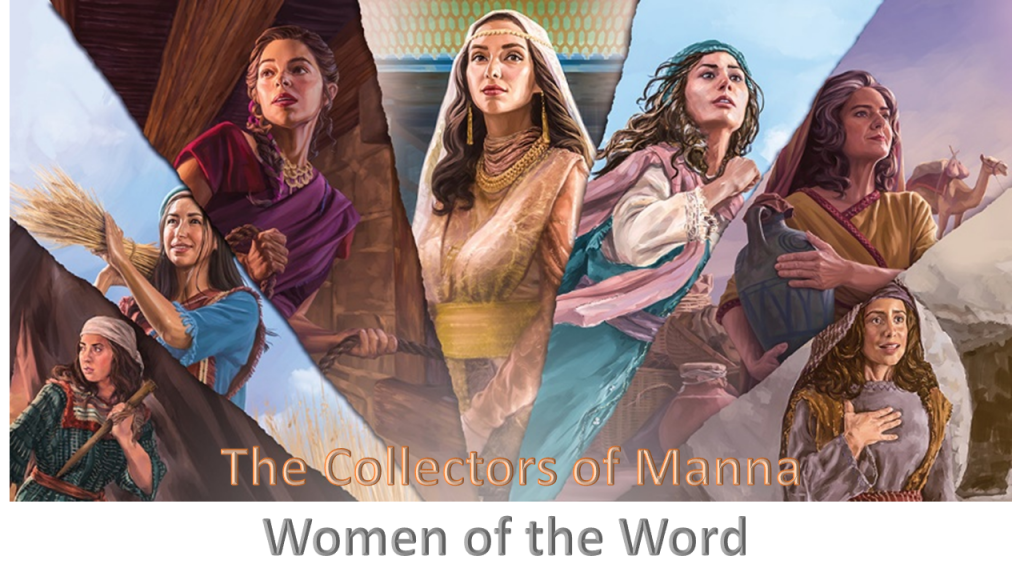
Dilize Light has Managed a TruLight Ladies Group on Telegram for the Past 6 Years and from Today . she will be Sharing her Manna with the Ladies in The TruLight Daily Manna Platform . Dilize is the only Daughter of Pastor Dirk and has been part of the Ministry since the age of 11 . Dilize is also the Radio Host for the Popular TruLight Top 10 that airs on TruLight Radio XM saturdays at 17h00′
Dilize Light bestuur die afgelope 6 jaar ‘n TruLight Damesgroep op Telegram en van vandag af sal sy haar Manna met die Dames deel op die TruLight Daaglikse Manna-platform. Dilize is die enigste dogter van Pastoor Dirk en is deel van die bediening sedert die ouderdom van 11. Dilize is ook die radio-aanbieder vir die gewilde TruLight Top 10 wat Saterdae om 17:00 op TruLight Radio XM uitgesaai word.
Die Gawe Van Slaap:
Slaap is noodsaaklik vir goeie gesondheid. Wetskaplikes weet nie presies waarom nie, maar hulle weet wel wat gebeur as ons nie genoeg slaap kry nie. Ons stel onsself bloot aan vroeë veroudering.
Gewigstoename en siektes en verkoue. Wat die Here in ons liggane doen terwyl ons slaap, is niks minder as n wonderwerk nie. Terwyl ons niks doen nie, gee God ons nuwe krag, vernuwe Hy die selle in ons liggaam en reorganiseer Hy die inligting in die brein.
Daar is baie redes waarom mense nie genoeg slaap kry nie, maar die Bybel dui duidelik aan dat om jou te oorwerk, nie een van die redes moet wees nie ( PS 127.2). Slaap is n gawe van God, wat ons met dankbaarheid moet aanvaar. Indien ons nie genoeg kry nie, moet ons vasstel waarom. Staan ons vroeg op en gaan slaap laat om meer geld te kry, sodat ons goed kan aankoop wat ons nie regtig nodig het nie ? Is ons besig met sendingwerk wat ons dink niemand anders in staat is om te kan doen nie ?
Ek is soms geneig om te dink die werk wat ek doen wanneer ek wakker is, is belangriker as dit wat God doen wanneer ek slaap. Maar deur God se gawe van slaap te weier, is soos om vir Hom te sê dat my werk belangriker as syne is.
God gee aan sy geliefdes slaap ( Ps 127:2). Hy gee ons nie soveel werk, dat dit vir ons onmoontlik is om die gawe te aanvaar nie.
As ons nie tyd neem en n rukkie rus nie, mag ons heeltemal uitrafel.
The Gift of Sleep:
Sleep is essential for good health. Legalists don’t know exactly why, but they do know what happens when we don’t get enough sleep. We expose ourselves to premature aging.
Weight gain and illness and colds. What the Lord does in our bodies while we sleep is nothing short of a miracle. While we are doing nothing, God gives us new strength, renews the cells in our bodies, and reorganizes the information in the brain.
There are many reasons why people don’t get enough sleep, but the Bible clearly indicates that overworking yourself should not be one of the reasons (PS 127.2). Sleep is a gift from God, which we should accept with gratitude. If we don’t get enough, we need to determine why. Do we get up early and go to bed late to get more money so that we can buy things we don’t really need? Are we busy with missionary work that we think no one else is capable of doing?
I sometimes tend to think that the work I do when I am awake is more important than what God does when I am asleep. But by refusing God’s gift of sleep, I am telling Him that my work is more important than His.
God gives sleep to His beloved (Ps. 127:2). He does not give us so much work that it is impossible for us to accept the gift.
If we do not take time and rest for a while, we may completely unravel.

TruLight Ministries Daily Entertainment
TruLight TV – Kingdom Kidz TV – TEACHING KIDS TO LOVE LIKE GOD
Parker and Rose are on the case to solve an incredible mystery! In the eighth and final episode of “Mystery Manor,” all the clues will finally be revealed! , Meanwhile, on Konnect HQ, it’s Valentine’s Day, and Walt’s feeling a little unsure about love and what it really means. So Dot helps him figure out what it looks like to love others in God’s way. and later join Gus for a step-by-step guide on how to draw Shadrach from the Bible! This and some stunning gospel kids’ songs Enjoy.
Today on TruLight Radio XM
TruLight Radio XM 24/7
Program
GMT / UTC +2
Monday To Fridays
00:15 Words to Live By Testimonies
01.15 Science Scripture and Salvation
02.15 Ground Works
04.00 Gospel Concert of the Day
05.00 The Daren Streblow Comedy Show
5:55 It is Today devotional
6:00 Gaither Homecoming Morning Show
7:15 Discover the Word
8.15 Destined for Victory
8:55 Science Scripture and Salvation
9:00 Holy Spirit Hour – Normally Sermons
10:15 Hope of the Heart
11:15 Unshackled
11.45 Words to Live By
12:15 Truth for Life
13:15 Living on the Edge with Chip Ingram
14:15 Focus on the Family
15:00 Kids Hour
16:00 In Touch with Dr. Charles Stanley
16:30 Groundwork
17:15 Live in the Light
18:15 Renewing your Mind
19:00 Gaither Homecoming Show
20:15 Growing Hope
21:15 Adventures in Odyssey Radio Drama
21:45 Bible Reading
22:15 Nightsounds
23.00 Good Old Country Gospel / Rhema Gospel Express
VISIT THE WEBSITE
https://TruLightRadioXM.org.za

BIBLE PROPHECY IN THE NEWS
King of the South will sign 7 Year Peace Agreement , only when Country of Palestine is in Place! IOW
Saudi crown prince tells Trump Riyadh wants to join Abraham Accords, but only with Palestinian state
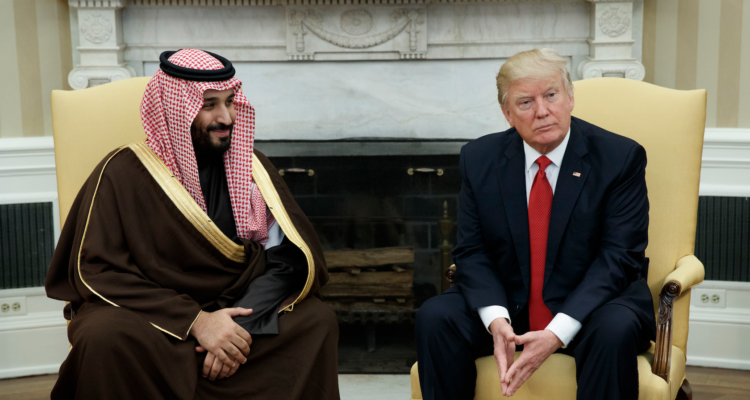
Saudi Arabia signaled a renewed interest in formal ties with Israel during Crown Prince Mohammed bin Salman’s meeting with President Donald Trump at the White House on Tuesday, marking the heir’s first visit to Washington in seven years.
According to U.S. officials, the crown prince told the president that Riyadh “wants to be part of the Abraham Accords – but also ensure a path to the two-state solution.”
After the talks, President Trump briefed reporters on the discussion, saying the prospect of an agreement between Israel and Saudi Arabia received a positive response from the crown prince.
He also said the Saudis were prepared to play a central role in rebuilding Gaza and noted that bin Salman pledged to “definitely help” finance reconstruction.
During an extended public exchange in the Oval Office, President Trump said efforts to advance calm across the region were proceeding cooperatively. “The Palestinians are doing very well… We’re working very closely with a lot of people that make everybody happy, including Israel, the Palestinians and everybody,” he said, presenting the talks as part of a broader diplomatic push.
The president also stated he was ready to authorize the sale of top-tier American aircraft to the kingdom and said both Saudi Arabia and Israel will benefit; “As far as I’m concerned, I think they are both at a level where they should get top-of-the-line (F-35s),” he said.
Still, any Saudi move toward the Abraham Accords will face political hurdles. Israeli Prime Minister Benjamin Netanyahu has consistently rejected the creation of a Palestinian state, even as he welcomed the UN Security Council’s endorsement of President Trump’s Gaza framework, which contains elements pointing to a two-state requirement.
Israeli defense officials have also voiced concern that supplying F-35s to the Saudis could weaken Israel’s longstanding qualitative military edge. Jerusalem has previously intervened to block deliveries of advanced aircraft to states such as Turkey and the UAE, citing the same principle.
IDF: Saudi F-35 deal will endanger Israel’s military edge

Israeli military officials say their exclusive access to F-35 jets is essential to maintaining a military edge in the region.
The Israeli military has formally expressed its opposition to the U.S. selling advanced F-35 fighter jets to Saudi Arabia, warning that such a deal could undermine Israel’s long-standing air superiority in the region.
According to an internal IDF document viewed by the Hebrew-language outlet Ynet, senior Air Force officials argued that Israel’s exclusive access to the F-35 is critical to maintaining its qualitative military edge in the Middle East.
The report noted that recent comments by President Donald Trump make the sale to Saudi Arabia appear increasingly likely.
Should Riyadh obtain the jets, the officials cautioned, Israel would lose a significant operational advantage and face a shift in the regional balance of power.
They also raised concerns that providing F-35s to Saudi Arabia could delay Israel’s recently approved order for additional aircraft, potentially forcing Israel to wait longer to receive the new jets it has already requested.
TruLight Ministry News
TruLight Ministries orders from God since 2012 . Teach Them , Comfort Them and Warn Them!
////////////
TruLight Ministries opdrag vanaf God sedert 2012. Leer hulle, Troos hulle en Waarsku hulle!
Share this Feeding of Manna with your Friends and Family. just click on the Social Media icon and share !