Hosted by TruLight Ministries – The Place of Truth
FEED YOUR SPIRIT WITH TRULIGHT DAILY MANNA / VOED JOU GEES MET TRULIGHT DAAGLIKSE MANNA.
The New Testament speaks often about the conflict between the flesh and the spirit. Sometimes the issue is complicated because it is not clear whether the human spirit is in view or God’s Holy Spirit. Sometimes the contrast is between the body with all of its physical limitations and the immaterial part of a person, but often it is between the body’s connection to the temporal world and the immaterial human spirit that has been brought to life by God’s Spirit.
When Jesus wanted His disciples to pray with Him in the Garden of Gethsemane before His crucifixion, they kept falling asleep. Jesus warned them, “The spirit is willing, but the flesh is weak” (Matthew 26:41). People are normally dominated by the body and the temporal, physical world.
Jesus told Nicodemus, “Flesh gives birth to flesh, but the Spirit gives birth to spirit” (John 3:6). A person can be alive physically (in the body or the flesh) but dead spiritually. A person who has been born again by God’s Spirit is made alive spiritually (see Ephesians 2:1 and Colossians 2:13).
In Romans 8, Paul contrasts those who live by the flesh with those who live by the Spirit. It is clear from the context that he is not referring to fleshly Christians and spiritual Christians but rather to those who have been born again by the Holy Spirit and those who have not. Paul says this explicitly in verse 9: “You, however, are not in the realm of the flesh but are in the realm of the Spirit, if indeed the Spirit of God lives in you. And if anyone does not have the Spirit of Christ, they do not belong to Christ.” Christians are described as “those who do not live according to the flesh but according to the spirit” (verse 4). Those who are in the flesh are hostile toward God, cannot submit to God, and cannot please God (verses 7–8). This can only describe unbelievers.
Paul elaborates on the conflict of flesh vs. spirit more extensively than any other New Testament writer. In Paul’s writings, the flesh stands for the natural desires of a person operating apart from God. A person who has not been raised to life spiritually is still “in the flesh.” To Paul, a person who is spiritual is one who has been born by the Spirit, even if that person will occasionally fail to live up to that reality. He warns the Galatians, “Are you so foolish? After beginning by means of the Spirit, are you now trying to finish by means of the flesh?” (Galatians 3:3).
Once the spirit of a person has been raised to life by the Spirit of God, the old desires of the flesh do not immediately disappear. There is a battle that rages on. “So I say, walk by the Spirit, and you will not gratify the desires of the flesh. For the flesh desires what is contrary to the Spirit, and the Spirit what is contrary to the flesh. They are in conflict with each other, so that you are not to do whatever you want” (Galatians 5:16–17).
The person who has been brought to spiritual life—the work of the Holy Spirit within—will want to please God. But the pull of the world and temporal, physical needs and pleasures are still present. Therefore, the Christian must feed on spiritual food and continually yield to God’s Spirit on a day-by-day, minute-by-minute basis. Feeding the spirit and yielding to the Spirit are done by reading, studying, and obeying God’s Word and then availing oneself of all of the means of spiritual nourishment that the Word prescribes, such as prayer and fellowship. The more one gets into the Word, the more he or she will desire what God desires. The more a person gets into “the world,” the more he or she will desire what “the world” desires. Although Paul does not use the flesh vs. spirit motif in Colossians 3:1–2, the verses do present the same idea: “Since, then, you have been raised with Christ, set your hearts on things above, where Christ is seated at the right hand of God. Set your minds on things above, not on earthly things.”
The strength of the Christian’s spirit’s alignment with God’s Spirit is in direct correlation to what the Christian chooses to focus on. A focus on God’s Word will cause a person to see things from His perspective and react in ways that please God. A focus on popular culture, worldly philosophy, and conventional wisdom will inevitably cause one to take the perspective of “the flesh” and will subtly or not so subtly warp his or her judgment. Living in the world, we are constantly bombarded with the values and desires of the flesh. Unless we take steps to counteract those messages, we will find ourselves out of step with the Spirit of God who lives within us.
Die Nuwe Testament praat dikwels oor die konflik tussen die vlees en die gees. Soms is die saak ingewikkeld omdat dit nie duidelik is of die menslike gees in sig is of God se Heilige Gees nie. Soms is die kontras tussen die liggaam met al sy fisiese beperkings en die onstoflike deel van ‘n persoon, maar dikwels is dit tussen die liggaam se verbintenis met die tydelike wêreld en die onstoflike menslike gees wat deur God se Gees tot lewe gebring is.
Toe Jesus wou hê dat Sy dissipels saam met Hom in die Tuin van Getsemane moes bid voor Sy kruisiging, het hulle aanhoudend aan die slaap geraak. Jesus het hulle gewaarsku: “Die gees is gewillig, maar die vlees is swak” (Matteus 26:41). Mense word normaalweg oorheers deur die liggaam en die tydelike, fisiese wêreld.
Jesus het vir Nikodemus gesê: “Vlees baar vlees, maar die Gees baar gees” (Johannes 3:6). ‘n Persoon kan fisies lewend wees (in die liggaam of die vlees), maar geestelik dood. ‘n Persoon wat deur God se Gees wedergebore is, word geestelik lewend gemaak (sien Efesiërs 2:1 en Kolossense 2:13).
In Romeine 8 kontrasteer Paulus diegene wat deur die vlees leef met diegene wat deur die Gees leef. Dit is duidelik uit die konteks dat hy nie verwys na vleeslike Christene en geestelike Christene nie, maar eerder na diegene wat deur die Heilige Gees wedergebore is en diegene wat nie is nie. Paulus sê dit eksplisiet in vers 9: “Julle is egter nie in die ryk van die vlees nie, maar in die ryk van die Gees, as die Gees van God ten minste in julle woon. En as iemand die Gees van Christus nie het nie, behoort hy nie aan Christus nie.” Christene word beskryf as “diegene wat nie volgens die vlees leef nie, maar volgens die gees” (vers 4). Diegene wat in die vlees is, is vyandiggesind teenoor God, kan hulle nie aan God onderwerp nie en kan God nie behaag nie (verse 7-8). Dit kan slegs ongelowiges beskryf.
Paulus brei die konflik van vlees teenoor gees meer breedvoerig uit as enige ander Nuwe-Testamentiese skrywer. In Paulus se geskrifte staan die vlees vir die natuurlike begeertes van ‘n persoon wat los van God optree. ‘n Persoon wat nie geestelik tot lewe opgewek is nie, is steeds “in die vlees”. Vir Paulus is ‘n persoon wat geestelik is, iemand wat deur die Gees gebore is, selfs al sal daardie persoon soms nie aan daardie werklikheid voldoen nie. Hy waarsku die Galasiërs: “Is julle so dwaas? Nadat julle deur die Gees begin het, probeer julle nou om deur die vlees te eindig?” (Galasiërs 3:3).
Sodra die gees van ‘n persoon deur die Gees van God tot lewe opgewek is, verdwyn die ou begeertes van die vlees nie onmiddellik nie. Daar is ‘n stryd wat voortwoed. “Ek sê dan: Wandel deur die Gees, dan sal julle nooit die begeertes van die vlees bevredig nie. Want die vlees begeer wat in stryd is met die Gees, en die Gees wat in stryd is met die vlees. Hulle is in stryd met mekaar, sodat julle nie kan doen wat julle wil nie” (Galasiërs 5:16-17).
Die persoon wat tot geestelike lewe gebring is – die werk van die Heilige Gees binne – sal God wil behaag. Maar die aantrekkingskrag van die wêreld en tydelike, fisiese behoeftes en plesiere is steeds teenwoordig. Daarom moet die Christen voed op geestelike voedsel en voortdurend aan God se Gees oorgee op ‘n daaglikse, minuut-vir-minuut basis. Om die gees te voed en aan die Gees oor te gee, word gedoen deur God se Woord te lees, te bestudeer en te gehoorsaam en dan gebruik te maak van al die middele van geestelike voeding wat die Woord voorskryf, soos gebed en gemeenskap. Hoe meer ‘n mens in die Woord kom, hoe meer sal hy of sy begeer wat God begeer. Hoe meer ‘n persoon in “die wêreld” kom, hoe meer sal hy of sy begeer wat “die wêreld” begeer. Alhoewel Paulus nie die vlees teenoor gees-motief in Kolossense 3:1-2 gebruik nie, bied die verse dieselfde idee: “Aangesien julle dan saam met Christus opgewek is, moet julle julle gedagtes rig op die dinge wat daarbo is, waar Christus aan die regterhand van God sit. Rig julle gedagtes op die dinge wat daarbo is, nie op die dinge wat daarbo is nie.”
Die sterkte van die Christen se gees se belyning met God se Gees is in direkte korrelasie met waarop die Christen kies om te fokus. ‘n Fokus op God se Woord sal veroorsaak dat ‘n persoon dinge vanuit Sy perspektief sien en op maniere reageer wat God behaag. ‘n Fokus op populêre kultuur, wêreldse filosofie en konvensionele wysheid sal onvermydelik veroorsaak dat ‘n mens die perspektief van “die vlees” inneem en sal subtiel of nie so subtiel sy of haar oordeel verdraai. Omdat ons in die wêreld leef, word ons voortdurend gebombardeer met die waardes en begeertes van die vlees. Tensy ons stappe doen om daardie boodskappe teen te werk, sal ons onsself uit pas bevind met die Gees van God wat in ons woon.

Bible Verse and Prayer for Today
Since we have these promises, dear friends, let us purify ourselves from everything that contaminates body and spirit, perfecting holiness out of reverence for God.
—2 Corinthians 7:1
God has blessed us with so many wonderful promises. He secured them by sending his Son “to conquer death and bring life and immortality to life” (2 Timothy 1:10). He will “transform our lowly bodies to be like his glorious body” (Philippians 3:21). He will take us home to be with him eternally, but until that day, he will live inside us, make his home in us, and reveal himself to us (John 14:20-23). He will make us more than conquerors and will not allow anything to separate us from his love (Romans 8:32-39). So what should our response be? We should offer him praise, but we must not limit our praise to just words (Colossians 3:16-17). God wants our lives to be pure, staying away from what is evil, vile, putrid, and corrupt (1 John 3:1-3). He wants us to do this, not so we can claim some moral superiority, but so that we can show him our adoration and reverence. In our desire to offer God praise, let’s not forget that one of the greatest ways to praise him is to seek him in purity and holiness!
Prayer
Forgive me, Heavenly Father, for my sins. Purify my heart and cast out any foothold the devil may have in me because of my previous sin. Empower me to holiness and accept my life as an offering of praise and thanks to you for your amazing grace. In the name of Jesus, I offer you my heart, my life, and my all. Amen and Amen
Bybel Vers en Gebed vir Vandag
Aangesien ons hierdie beloftes het, liewe vriende, laat ons onsself reinig van alles wat liggaam en gees besoedel, en heiligmaking uit eerbied vir God volmaak.
—2 Korintiërs 7:1
God het ons met soveel wonderlike beloftes geseën. Hy het hulle verseker deur sy Seun te stuur “om die dood te oorwin en die lewe en die onsterflikheid tot lewe te bring” (2 Timoteus 1:10). Hy sal “ons nederige liggame verander om soos sy verheerlikte liggaam te wees” (Filippense 3:21). Hy sal ons huis toe neem om vir ewig by Hom te wees, maar tot daardie dag sal Hy in ons woon, sy woning in ons maak en Homself aan ons openbaar (Johannes 14:20-23). Hy sal ons meer as oorwinnaars maak en sal niks toelaat om ons van sy liefde te skei nie (Romeine 8:32-39). So wat moet ons reaksie wees? Ons moet Hom prys, maar ons moet nie ons lof tot net woorde beperk nie (Kolossense 3:16-17). God wil hê dat ons lewens suiwer moet wees, en weg moet bly van wat boos, veragtelik, verrot en korrup is (1 Johannes 3:1-3). Hy wil hê dat ons dit moet doen, nie sodat ons ‘n mate van morele meerderwaardigheid kan eis nie, maar sodat ons Hom ons aanbidding en eerbied kan toon. In ons begeerte om God te prys, laat ons nie vergeet dat een van die grootste maniere om Hom te prys, is om Hom in reinheid en heiligheid te soek nie!
Gebed
Vergewe my, Hemelse Vader, vir my sondes. Reinig my hart en werp enige vastrapplek uit wat die duiwel in my mag hê as gevolg van my vorige sonde. Bemagtig my tot heiligheid en aanvaar my lewe as ‘n offer van lof en dank aan U vir u wonderlike genade. In die Naam van Jesus bied ek U my hart, my lewe en my alles. Amen en Amen.
Bible Teaching of the Day
John Knox (c. 1510–1572) was a Scottish clergyman, a leader of the Protestant Reformation, and a man who is considered to be the founder of the Presbyterian denomination in Scotland. Knox has been admired by contemporary theologians as someone who personified a zeal for God and a commitment to the truth of Scripture and holy living. Yet, as he grew close to death, this saint of God admitted his own personal battle with the sin nature he inherited from Adam (Romans 5:12). Knox said, “I know how hard the battle is between the flesh and the spirit under the heavy cross of affliction, when no worldly defense but present death doth appear. I know the grudging and murmuring complaints of the flesh…”
Knox’s statement sounds remarkably like that of the apostle Paul who openly acknowledged a personal struggle with his sin nature: “For we know that the Law is spiritual, but I am of flesh, sold into bondage to sin. For what I am doing, I do not understand; for I am not practicing what I would like to do, but I am doing the very thing I hate. But if I do the very thing I do not want to do, I agree with the Law, confessing that the Law is good. So now, no longer am I the one doing it, but sin which dwells in me. For I know that nothing good dwells in me, that is, in my flesh; for the willing is present in me, but the doing of the good is not. For the good that I want, I do not do, but I practice the very evil that I do not want. But if I am doing the very thing I do not want, I am no longer the one doing it, but sin which dwells in me. I find then the principle that evil is present in me, the one who wants to do good. For I joyfully concur with the law of God in the inner man, but I see a different law in the members of my body, waging war against the law of my mind and making me a prisoner of the law of sin which is in my members. Wretched man that I am! Who will set me free from the body of this death?” (Romans 7:14-24).
Paul states in his letter to the Romans that there was something “in the members” of his body that he calls “my flesh,” which produced difficulty in his Christian life and made him a prisoner of sin. Martin Luther, in his preface to the book of Romans, commented on Paul’s use of “flesh” by saying, “Thou must not understand ‘flesh,’ therefore, as though that only were ‘flesh’ which is connected with unchastity, but St. Paul uses ‘flesh’ of the whole man, body, and soul, reason, and all his faculties included, because all that is in him longs and strives after the flesh.” Luther’s comments point out that “flesh” equates to affections and desires that run contrary to God, not only in the area of sexual activity, but in every area of life.
To get a solid understanding of the term “flesh” requires examining its usage and definition in Scripture, how it manifests in the life of both believers and unbelievers, the consequences it produces, and how it can ultimately be overcome.
A Definition of the “Flesh”
The Greek word for “flesh” in the New Testament is sarx, a term that can often in Scripture refer to the physical body. However, A Greek-English Lexicon of the New Testament and Other Early Christian Literature describes the word this way: “the physical body as functioning entity; in Paul’s thought esp., all parts of the body constitute a totality known as flesh, which is dominated by sin to such a degree that wherever flesh is, all forms of sin are likewise present, and no good thing can live.”
The Bible makes it clear that humanity did not start out this way. The book of Genesis says that humankind was originally created good and perfect: “Then God said, ‘Let Us make man in Our image, according to Our likeness’ . . . God created man in His own image, in the image of God He created him; male and female He created them” (Genesis 1:26-27). Because God is perfect, and because an effect always represents its cause in essence [that is, a totally good God can only create good things, or as Jesus said, “A good tree cannot produce bad fruit” (Matthew 7:18)], both Adam and Eve were created good and without sin. But, when Adam and Eve sinned, their nature was corrupted, and that nature was passed along to their offspring: “When Adam had lived one hundred and thirty years, he became the father of a son in his own likeness, according to his image, and named him Seth” (Genesis 5:3, emphasis added).
The fact of the sin nature is taught in many places in Scripture, such as David’s declaration, “Behold, I was brought forth in iniquity, and in sin my mother conceived me” (Psalm 51:5). David does not mean he was the product of an adulterous affair, but that his parents passed along a sin nature to him. In theology, this is sometimes called the “Traducian” (from the Latin term meaning “from a branch”) view of human nature The Traducian view is that a person’s soul is created via his parents, with the child inheriting their fallen nature in the process.
The Bible’s view of human nature differs from that of Greek philosophy in that Scripture says the physical and spiritual nature of humankind was originally good. By contrast, philosophers such as Plato saw a dualism or dichotomy in humanity. Such thinking eventually produced a theory that the body (the physical) was bad, but a person’s spirit was good. This teaching influenced groups such as the Gnostics who believed the physical world was mistakenly created by a demi-god called the “Demiurge.” The Gnostics opposed the doctrine of Christ’s incarnation because they believed God would never take on a physical form, since the body was evil. The apostle John encountered a form of this teaching in his day and warned against it: “Dear friends, do not believe every spirit, but test the spirits to see whether they are from God, because many false prophets have gone out into the world. This is how you can recognize the Spirit of God: Every spirit that acknowledges that Jesus Christ has come in the flesh is from God, but every spirit that does not acknowledge Jesus is not from God” (1 John 4:1-3).
Further, the Gnostics taught that it did not matter what a person did in his body, since the spirit was all that mattered. This Platonic dualism had the same effect back in the first century as it does today—it leads either to asceticism or licentiousness, both of which the Bible condemns (Colossians 2:23; Jude 4).
So contrary to Greek thought, the Bible says that humanity’s nature, both the physical and spiritual, were good, yet both were adversely affected by sin. The end result of sin is a nature often referred to as the “flesh” in Scripture—something that opposes God and seeks sinful gratification. Pastor Mark Bubek defines the flesh this way: “The flesh is a built-in law of failure, making it impossible for natural man to please or serve God. It is a compulsive inner force inherited from man’s fall, which expresses itself in general and specific rebellion against God and His righteousness. The flesh can never be reformed or improved. The only hope for escape from the law of the flesh is its total execution and replacement by a new life in the Lord Jesus Christ.”
The Manifestation and Struggle with the Flesh
How does the flesh manifest itself in human beings? The Bible answers the question this way: “Now the deeds of the flesh are evident, which are: immorality, impurity, sensuality, idolatry, sorcery, enmities, strife, jealousy, outbursts of anger, disputes, dissensions, factions, envying, drunkenness, carousing, and things like these, of which I forewarn you, just as I have forewarned you, that those who practice such things will not inherit the kingdom of God” (Galatians 5:19-21).
Examples of the flesh’s outworking in the world are evident. Consider a few sad facts taken from a recent survey on the effect of pornography in America. According to the study, every second in the U.S.:
- $3,075.64 is being spent on pornography
- 28,258 Internet users are viewing pornography
- 372 Internet users are typing adult search terms into search engines
And every 39 minutes, a new pornographic video is being created in the United States. Such statistics underscore the statement made by the prophet Jeremiah who mourned that “the heart is more deceitful than all else and is desperately sick; who can understand it?” (Jeremiah 17:9).
The Consequences of the Flesh
The Bible says that living in the flesh produces a number of unfortunate consequences. First, Scripture states that those who live according to the flesh, and who never desire change or repent from their sinful behavior, will experience separation from God both in this life and the next:
- “Therefore what benefit were you then deriving from the [sinful practices] of which you are now ashamed? For the outcome of those things is death” (Romans 6:21)
- “For if you live according to the sinful nature, you will die; but if by the Spirit you put to death the misdeeds of the body, you will live” (Romans 8:13)
- “Do not be deceived, God is not mocked; for whatever a man sows, this he will also reap. For the one who sows to his own flesh will from the flesh reap corruption, but the one who sows to the Spirit will from the Spirit reap eternal life” (Galatians 6:7-8)
Further, a person also becomes a slave to his/her fleshly nature: “Do you not know that when you present yourselves to someone as slaves for obedience, you are slaves of the one whom you obey, either of sin resulting in death, or of obedience resulting in righteousness?” (Romans 6:16). This slavery always leads to a destructive lifestyle and deteriorated living. As the prophet Hosea said, “For they sow the wind and they reap the whirlwind” (Hosea 8:7).
The fact of the matter is that obeying the flesh always results in breaking God’s moral law. Nevertheless, in a very real sense, a person can never break God’s moral law, although he can certainly disobey it. For example, a person can climb up on a roof, tie a cape around his neck, and leap off the roof in hopes of breaking the law of gravity. However, he will quickly learn that he cannot fly; he cannot break the law of gravity, and the only thing he breaks in the end is himself, while proving the law of gravity in the process. The same is true of moral actions: a person may disobey God’s moral law through fleshly living, but he will only prove the moral law of God true by breaking himself in some way via his own behavior.
Overcoming the Flesh
The Bible provides a three-step process for overcoming the flesh and restoring oneself to a right relationship with God. The first step is a walk of honesty where a person acknowledges his sinful behavior before God. This involves agreeing with what the Bible says about everyone born of human parents: people are sinners and enter the world in a broken relationship with the God who made them:
- “If You, Lord, should mark iniquities, O Lord, who could stand?” (Psalm 130:3)
- “If we say that we have no sin, we are deceiving ourselves and the truth is not in us. . . . If we say that we have not sinned, we make Him a liar and His word is not in us” (1 John 1:8, 10)
The next step is a walk in the Spirit, which involves calling out to God for salvation and receiving His Holy Spirit who empowers a person to live rightly before God and not obey the flesh’s desires. This transformation and new walk of life is described in several places in Scripture:
- “I have been crucified with Christ; and it is no longer I who live, but Christ lives in me; and the life which I now live in the flesh I live by faith in the Son of God, who loved me and gave Himself up for me.” (Galatians 2:20)
- “Even so consider yourselves to be dead to sin, but alive to God in Christ Jesus.” (Romans 6:11)
- “But I say, walk by the Spirit, and you will not carry out the desire of the flesh.” (Galatians 5:16)
- “For all of you who were baptized into Christ have clothed yourselves with Christ.” (Galatians 3:27)
- “But put on the Lord Jesus Christ, and make no provision for the flesh in regard to its lusts.” (Romans 13:14)
- “And do not get drunk with wine, for that is dissipation, but be filled with the Spirit” (Ephesians 5:18)
- “Your word I have treasured in my heart, that I may not sin against You.” (Psalm 119:11)
The last step is a walk of death, where the flesh is starved of its desires so that it eventually dies. Even though a person is born again through the Spirit of God, he must understand he still possesses the old nature with its desires that war with the new nature and the desires that come from the Spirit. From a practical standpoint, the Christian purposely avoids feeding the old, fleshly nature and instead practices new behaviors that are driven by the Spirit:
- “But flee from [sinful actions], you man of God, and pursue righteousness, godliness, faith, love, perseverance and gentleness” (1 Timothy 6:11)
- “Now flee from youthful lusts” (2 Timothy 2:22)
- “But I discipline my body and make it my slave, so that, after I have preached to others, I myself will not be disqualified.“ (1 Corinthians 9:27)
- “Therefore consider the members of your earthly body as dead to immorality, impurity, passion, evil desire, and greed, which amounts to idolatry.” (Colossians 3:5)
- “Now those who belong to Christ Jesus have crucified the flesh with its passions and desires.” (Galatians 5:24)
- “Knowing this, that our old self was crucified with Him, in order that our body of sin might be done away with, so that we would no longer be slaves to sin” (Romans 6:6)
- “But you did not learn Christ in this way, if indeed you have heard Him and have been taught in Him, just as truth is in Jesus, that, in reference to your former manner of life, you lay aside the old self, which is being corrupted in accordance with the lusts of deceit, and that you be renewed in the spirit of your mind, and put on the new self, which in the likeness of God has been created in righteousness and holiness of the truth.” (Ephesians 4:20-24)
- Conclusion
- Susanna Wesley, mother to the great preachers and hymn writers John and Charles Wesley, described sin and the flesh this way: “Whatever weakens your reasoning, impairs the tenderness of your conscience, obscures your sense of God, or takes away your relish for spiritual things, in short—if anything increases the authority and the power of the flesh over the Spirit, that to you becomes sin however good it is in itself.” One of the goals of the Christian life is the victory of the Spirit over the flesh and a change of life, which manifests in righteous living before God.
- Although the struggle will be very real (which the Bible makes clear), Christians have assurance from God that He will bring them eventual success over the flesh. “For I am confident of this very thing, that He who began a good work in you will perfect it until the day of Christ Jesus” (Philippians 1:6).
Bybel Lering vir die Dag
John Knox (c. 1510–1572) was ‘n Skotse geestelike, ‘n leier van die Protestantse Hervorming, en ‘n man wat beskou word as die stigter van die Presbiteriaanse denominasie in Skotland. Knox is deur hedendaagse teoloë bewonder as iemand wat ‘n ywer vir God en ‘n toewyding aan die waarheid van die Skrif en heilige lewe verpersoonlik het. Tog, soos hy nader aan die dood gekom het, het hierdie heilige van God sy eie persoonlike stryd met die sondige natuur wat hy van Adam geërf het, erken (Romeine 5:12). Knox het gesê: “Ek weet hoe hard die stryd tussen die vlees en die gees onder die swaar kruis van lyding is, wanneer geen wêreldse verdediging behalwe die huidige dood verskyn nie. Ek ken die teësinnige en gemompel van die vlees…”
Knox se stelling klink merkwaardig soos dié van die apostel Paulus wat openlik ‘n persoonlike stryd met sy sondige natuur erken het: “Want ons weet dat die Wet geestelik is, maar ek is van die vlees, verkoop in slawerny aan die sonde. Want wat ek doen, verstaan ek nie; want ek doen nie wat ek wil doen nie, maar ek doen juis die ding wat ek haat. Maar as ek juis die ding doen wat ek nie wil doen nie, stem ek saam met die Wet en bely dat die Wet goed is. So is dit nie meer ek wat dit doen nie, maar die sonde wat in my woon. Want ek weet dat niks goeds in my woon nie, dit wil sê in my vlees; want die wil is in my aanwesig, maar die doen van die goeie nie. Want die goeie wat ek wil, doen ek nie, maar die kwaad wat ek nie wil nie, doen ek juis. Maar as ek die Wat ek nie wil hê nie, is nie meer ek wat dit doen nie, maar die sonde wat in my woon. Ek vind dan die beginsel dat die kwaad in my aanwesig is, die een wat die goeie wil doen. Want ek stem met blydskap saam met die wet van God in die innerlike mens, maar ek sien ‘n ander wet in die lede van my liggaam wat stryd voer teen die wet van my gemoed en my ‘n gevangene maak van die wet van die sonde wat in my lede is. Ellende mens wat ek is! Wie sal my bevry van die liggaam van hierdie dood?” (Romeine 7:14-24).
Paulus sê in sy brief aan die Romeine dat daar iets “in die lede” van sy liggaam was wat hy “my vlees” noem, wat probleme in sy Christelike lewe veroorsaak het en hom ‘n gevangene van sonde gemaak het. Martin Luther het in sy voorwoord tot die boek Romeine kommentaar gelewer oor Paulus se gebruik van “vlees” deur te sê: “Jy moet dus nie ‘vlees’ verstaan asof dit slegs ‘vlees’ is wat met onkuisheid verbind word nie, maar Paulus gebruik ‘vlees’ van die hele mens, liggaam en siel, rede en al sy vermoëns ingesluit, want alles wat in hom is, verlang en streef na die vlees.” Luther se kommentare wys daarop dat “vlees” gelykstaande is aan geneenthede en begeertes wat strydig met God is, nie net op die gebied van seksuele aktiwiteit nie, maar in elke area van die lewe.
Om ‘n deeglike begrip van die term “vlees” te kry, vereis dit dat die gebruik en definisie daarvan in die Skrif ondersoek word, hoe dit manifesteer in die lewe van beide gelowiges en ongelowiges, die gevolge wat dit veroorsaak, en hoe dit uiteindelik oorkom kan word.
’n Definisie van die “Vlees”
Die Griekse woord vir “vlees” in die Nuwe Testament is sarx, ’n term wat dikwels in die Skrif na die fisiese liggaam kan verwys. ’n Grieks-Engelse Lexicon van die Nuwe Testament en Ander Vroeë Christelike Literatuur beskryf die woord egter só: “die fisiese liggaam as funksionerende entiteit; veral in Paulus se denke vorm alle dele van die liggaam ’n totaliteit bekend as vlees, wat tot so ’n mate deur sonde oorheers word dat waar vlees ook al is, alle vorme van sonde ook teenwoordig is, en geen goeie ding kan lewe nie.”
Die Bybel maak dit duidelik dat die mensdom nie so begin het nie. Die boek Genesis sê dat die mensdom oorspronklik goed en volmaak geskape is: “Toe het God gesê: Laat Ons die mens maak na ons beeld, na ons gelykenis… God het die mens geskape na sy beeld, na die beeld van God het Hy hom geskape; man en vrou het Hy hulle geskape” (Genesis 1:26-27). Omdat God perfek is, en omdat ‘n gevolg altyd in wese sy oorsaak verteenwoordig [dit wil sê, ‘n volkome goeie God kan slegs goeie dinge skep, of soos Jesus gesê het: “‘n Goeie boom kan geen slegte vrugte dra nie” (Matteus 7:18)], is beide Adam en Eva goed en sonder sonde geskape. Maar toe Adam en Eva gesondig het, is hulle natuur korrup, en daardie natuur is aan hulle nageslag oorgedra: “Toe Adam honderd-en-dertig jaar oud was, het hy ‘n seun verwek na sy gelykenis, na sy beeld, en hom Set genoem” (Genesis 5:3, klem bygevoeg).
Die feit van die sondige natuur word op baie plekke in die Skrif geleer, soos Dawid se verklaring: “Kyk, ek is in ongeregtigheid gebore, en in sonde het my moeder my ontvang” (Psalm 51:5). Dawid bedoel nie dat hy die produk van ‘n owerspelige verhouding was nie, maar dat sy ouers ‘n sondige natuur aan hom oorgedra het. In teologie word dit soms die “Traduciaanse” (van die Latynse term wat “uit ‘n tak” beteken) siening van die menslike natuur genoem. Die Traduciaanse siening is dat ‘n persoon se siel deur sy ouers geskep word, met die kind wat in die proses hul gevalle natuur erf.
Die Bybel se siening van die menslike natuur verskil van dié van die Griekse filosofie deurdat die Skrif sê dat die fisiese en geestelike natuur van die mensdom oorspronklik goed was. In teenstelling hiermee het filosowe soos Plato ‘n dualisme of digotomie in die mensdom gesien. Sulke denke het uiteindelik ‘n teorie opgelewer dat die liggaam (die fisiese) sleg was, maar ‘n persoon se gees goed was. Hierdie leer het groepe soos die Gnostici beïnvloed wat geglo het dat die fisiese wêreld verkeerdelik geskep is deur ‘n halfgod genaamd die “Demiurg”. Die Gnostici het die leerstelling van Christus se inkarnasie teengestaan omdat hulle geglo het dat God nooit ‘n fisiese vorm sou aanneem nie, aangesien die liggaam boos was. Die apostel Johannes het in sy tyd ‘n vorm van hierdie lering teëgekom en daarteen gewaarsku: “Geliefdes, glo nie elke gees nie, maar stel die geeste op die proef of hulle uit God is, want baie valse profete het in die wêreld uitgegaan. Hieraan kan julle die Gees van God herken: Elke gees wat bely dat Jesus Christus in die vlees gekom het, is uit God; maar elke gees wat nie bely dat Jesus Christus is nie, is nie uit God nie” (1 Johannes 4:1-3).
Verder het die Gnostici geleer dat dit nie saak maak wat ‘n persoon in sy liggaam doen nie, aangesien die gees al was wat saak maak. Hierdie Platoniese dualisme het dieselfde effek in die eerste eeu gehad as vandag – dit lei óf tot asketisme óf losbandigheid, wat albei deur die Bybel veroordeel word (Kolossense 2:23; Judas 4).
Dus, in teenstelling met Griekse denke, sê die Bybel dat die mensdom se natuur, beide die fisiese en geestelike, goed was, maar albei nadelig deur sonde beïnvloed is. Die eindresultaat van sonde is ‘n natuur wat dikwels in die Skrif as die “vlees” genoem word—iets wat God teenstaan en sondige bevrediging soek. Pastoor Mark Bubek definieer die vlees só: “Die vlees is ‘n ingeboude wet van mislukking, wat dit onmoontlik maak vir die natuurlike mens om God te behaag of te dien. Dit is ‘n kompulsiewe innerlike krag wat geërf is van die mens se val, wat homself uitdruk in algemene en spesifieke rebellie teen God en Sy geregtigheid. Die vlees kan nooit hervorm of verbeter word nie. Die enigste hoop op ontsnapping van die wet van die vlees is die totale uitvoering en vervanging daarvan deur ‘n nuwe lewe in die Here Jesus Christus.”
Die Manifestasie en Stryd met die Vlees
Hoe manifesteer die vlees homself in mense? Die Bybel beantwoord die vraag só: “Die werke van die vlees is openbaar, naamlik onsedelikheid, onreinheid, wellus, afgodsdiens, towery, vyandskap, twis, jaloesie, woedeuitbarstings, rusies, verdeeldheid, partyskappe, afguns, dronkenskap, brassery en dergelike dinge, waarvan ek julle vooraf waarsku, net soos ek julle vooraf gewaarsku het, dat die wat sulke dinge doen, die koninkryk van God nie sal beërwe nie” (Galasiërs 5:19-21).
Voorbeelde van die vlees se uitwerking in die wêreld is duidelik. Beskou ‘n paar hartseer feite uit ‘n onlangse opname oor die effek van pornografie in Amerika. Volgens die studie word elke sekonde in die VSA:
- $3 075,64 aan pornografie bestee
- 28 258 internetgebruikers kyk na pornografie
- 372 internetgebruikers tik volwasse soekterme in soekenjins in
En elke 39 minute word ‘n nuwe pornografiese video in die Verenigde State geskep. Sulke statistieke beklemtoon die stelling van die profeet Jeremia wat getreur het dat “die hart bedriegliker is as alles anders en desperaat siek is; wie kan dit verstaan?” (Jeremia 17:9).
Die Gevolge van die Vlees
Die Bybel sê dat om in die vlees te leef ‘n aantal ongelukkige gevolge het. Eerstens stel die Skrif dat diegene wat volgens die vlees leef, en wat nooit verandering begeer of hul van hul sondige gedrag bekeer nie, skeiding van God sal ervaar, beide in hierdie lewe en die volgende:
- “Watter voordeel het julle dan gehad uit die [sondige praktyke] waaroor julle nou skaam is? Want die uiteinde van daardie dinge is die dood” (Romeine 6:21)
- “Want as julle volgens die sondige natuur leef, sal julle sterwe; maar as julle deur die Gees die misdade van die liggaam doodmaak, sal julle lewe” (Romeine 8:13)
- “Moenie mislei word nie, God laat Hom nie bespot nie; want net wat ‘n mens saai, dit sal hy ook maai. Want wie in sy eie vlees saai, sal uit die vlees verderf maai; maar wie in die Gees saai, sal uit die Gees die ewige lewe maai” (Galasiërs 6:7-8)
Verder word ‘n persoon ook ‘n slaaf van sy/haar vleeslike natuur: “Weet julle nie dat wanneer julle julleself aan iemand as slawe tot gehoorsaamheid aanbied, julle slawe van hom is nie? die een aan wie julle gehoorsaam, óf van sonde wat tot die dood lei, óf van gehoorsaamheid wat tot geregtigheid lei?” (Romeine 6:16). Hierdie slawerny lei altyd tot ‘n vernietigende leefstyl en ‘n verslegtende lewe. Soos die profeet Hosea gesê het: “Want hulle saai wind en hulle maai warrelwind” (Hosea 8:7).
Die feit van die saak is dat gehoorsaamheid aan die vlees altyd lei tot die oortreding van God se morele wet. Nietemin, in ‘n baie werklike sin, kan ‘n persoon nooit God se morele wet oortree nie, alhoewel hy dit beslis kan ongehoorsaam wees. Byvoorbeeld, ‘n persoon kan op ‘n dak klim, ‘n mantel om sy nek bind en van die dak afspring in die hoop om die wet van swaartekrag te oortree. Hy sal egter gou leer dat hy nie kan vlieg nie; hy kan nie die wet van swaartekrag oortree nie, en die enigste ding wat hy uiteindelik oortree, is homself, terwyl hy die wet van swaartekrag in die proses bewys. Dieselfde geld vir morele dade: ‘n persoon mag God se morele wet ongehoorsaam wees deur vleeslike lewe, maar hy sal slegs die morele wet van God as waar bewys deur homself op een of ander manier te oortree deur sy eie gedrag.
Oorwinning oor die Vlees
Die Bybel bied ‘n driestapproses om die vlees te oorwin en jouself te herstel tot ‘n regte verhouding met God. Die eerste stap is ‘n wandel van eerlikheid waar ‘n persoon sy sondige gedrag voor God erken. Dit behels om saam te stem met wat die Bybel sê oor almal wat uit menslike ouers gebore is: mense is sondaars en kom die wêreld binne in ‘n gebroke verhouding met die God wat hulle gemaak het:
- “As U, Here, die ongeregtighede in gedagte sou hou, o Here, wie kan standhou?” (Psalm 130:3)
- “As ons sê dat ons geen sonde het nie, mislei ons onsself en die waarheid is nie in ons nie. … As ons sê dat ons nie gesondig het nie, maak ons Hom tot ‘n leuenaar en is sy woord nie in ons nie” (1 Johannes 1:8, 10)
Die volgende stap is ‘n wandel in die Gees, wat behels dat ons tot God roep vir verlossing en Sy Heilige Gees ontvang wat ‘n persoon bemagtig om reg voor God te leef en nie die begeertes van die vlees te gehoorsaam nie. Hierdie transformasie en nuwe lewenswandel word op verskeie plekke in die Skrif beskryf:
- “Ek is met Christus gekruisig, en dit is nie meer ek wat leef nie, maar Christus leef in my. En die lewe wat ek nou in die vlees leef, leef ek deur die geloof in die Seun van God wat my liefgehad het en Homself vir my oorgegee het.” (Galasiërs 2:20)
- “So moet julle ook vir die sonde dood wees, maar vir God lewend in Christus Jesus.” (Romeine 6:11)
- “Maar ek sê: Wandel deur die Gees, dan sal julle nooit die begeerte van die vlees volbring nie.” (Galasiërs 5:16)
- “Want almal wat in Christus gedoop is, het julle met Christus beklee.” (Galasiërs 3:27)
- “Maar beklee julle met die Here Jesus Christus en maak geen voorsorg vir die vlees volgens sy begeerlikhede nie.” (Romeine 13:14)
- “En moenie dronk word van wyn nie, want dit is losbandigheid, maar word met die Gees vervul” (Efesiërs 5:18)
- “U woord het ek in my hart bewaar, sodat ek teen U nie sal sondig nie.” (Psalm 119:11)
Die laaste stap is ‘n wandel van die dood, waar die vlees van sy begeertes verhonger word sodat dit uiteindelik sterf. Al word ‘n persoon wedergebore deur die Gees van God, moet hy verstaan dat hy steeds die ou natuur besit met sy begeertes wat stryd voer met die nuwe natuur en die begeertes wat van die Gees kom. Vanuit ‘n praktiese oogpunt vermy die Christen doelbewus die voeding van die ou, vleeslike natuur en beoefen eerder nuwe gedrag wat deur die Gees gedryf word:
“Maar so het julle Christus nie leer ken nie, as julle ten minste van Hom gehoor het en in Hom geleer is, soos die waarheid in Jesus is: dat julle, volgens julle vorige lewenswandel, die oue mens moet aflê wat deur die begeerlikhede van die verleiding te gronde gaan, en dat julle vernuwe moet word in die gees van julle gemoed en die nuwe mens moet beklee wat na die gelykenis van God geskape is in geregtigheid en heiligheid van die waarheid.” (Efesiërs 4:20-24)
“Maar vlug vir [sondige dade], man van God, en jaag na geregtigheid, godsvrug, geloof, liefde, volharding en sagmoedigheid” (1 Timoteus 6:11)
“Vlug nou vir die begeerlikhede van die jeug” (2 Timoteus 2:22)
“Maar ek tugtig my liggaam en stel dit tot ‘n slaaf, sodat ek, nadat ek vir ander gepreek het, nie self gediskwalifiseer sal word nie.” (1 Korintiërs 9:27)
“Beskou dan die lede van julle aardse liggaam as dood vir onsedelikheid, onreinheid, hartstog, slegte begeertes en gierigheid, wat neerkom op afgodery.” (Kolossense 3:5)
“Die wat aan Christus Jesus behoort, het die vlees met sy hartstogte en begeertes gekruisig.” (Galasiërs 5:24)
“Omdat ons dit weet dat ons oue mens saam met Hom gekruisig is, sodat ons liggaam van sonde tot niet gemaak sou word, sodat ons nie meer slawe van die sonde sou wees nie” (Romeine 6:6)
Gevolgtrekking
Susanna Wesley, moeder van die groot predikers en gesangskrywers John en Charles Wesley, het sonde en die vlees só beskryf: “Wat ook al jou redenasie verswak, die teerheid van jou gewete benadeel, jou sin vir God verduister, of jou begeerte na geestelike dinge wegneem, kortom – as enigiets die gesag en die mag van die vlees oor die Gees verhoog, word dit vir jou sonde, hoe goed dit ook al op sigself is.” Een van die doelwitte van die Christelike lewe is die oorwinning van die Gees oor die vlees en ‘n verandering van lewe, wat manifesteer in regverdige lewe voor God. Alhoewel die stryd baie werklik sal wees (wat die Bybel duidelik maak), het Christene die versekering van God dat Hy hulle uiteindelik sukses oor die vlees sal bring. “Want ek is juis hiervan oortuig, dat Hy wat ‘n goeie werk in julle begin het, dit sal voleindig tot op die dag van Christus Jesus” (Filippense 1:6).
Today’s Devotional
Food is vital for sustaining life. Without proper nourishment, the human body becomes weak and cannot function properly. People must take care of their bodies through eating right and consuming key nutrients, so they not only live but thrive in healthiness. The same principle applies to one’s spiritual life. A proper diet of spiritual food is needed so Christians do not become weak and weary, but rather thrive spiritually in their relationship with God. Regular nourishment for the soul is vital for the Christian life, just as physical food is for the body.
Jesus emphasized the importance of spiritual food when He was tempted by Satan: “Man does not live by bread alone, but by every word that comes from the mouth of God” (Matthew 4:4, NET). Man is both physical and spiritual, which is why spiritual food is just as important as physical nourishment. This spiritual food is “every word that comes from the mouth of God” God has spoken to us in His Word, the Bible. His Word imparts life (John 6:63).
The Bible often speaks of the spiritual food we need: God’s Word provides milk (1 Peter 2:2); it is meat (1 Corinthians 3:2) and bread (Deuteronomy 8:3; Job 23:12); and it is sweeter than honey (Psalm 119:103). The prophet Jeremiah wrote, “When your words came, I ate them; they were my joy and my heart’s delight, for I bear your name, LORD God Almighty” (Jeremiah 15:16). Scripture’s use of food metaphors demonstrates the importance of ingesting God’s Word, of making it a part of us. Scripture is not something merely to study or read but to be “eaten” by God’s people. We read the Word, but we then pause to “chew on it” a while, meditating and reflecting on the meaning and application of what we’ve read (see Psalm 1:1–3).
On a couple occasions, Jesus spoke of another type of spiritual food. After Jesus spoke to the Samaritan woman at the well, the disciples brought Him some food from town. But He did not partake, saying, “I have food to eat that you know nothing about” (John 4:32). This puzzled the disciples, whose minds were stuck on physical food, and Jesus explained: “My food is to do the will of him who sent me and to accomplish his work” (verse 34, ESV). Later, after feeding the 5,000, Jesus referred to faith, salvation, and His sacrifice using a food metaphor: “Whoever eats my flesh and drinks my blood has eternal life, and I will raise them up at the last day. For my flesh is real food and my blood is real drink” (John 6:54–55).
We need spiritual food—that is to say we need the Word of God, we need to do the will of God, and we need Jesus Himself.
Vandag se Bemoediging
Kos is noodsaaklik vir die onderhou van lewe. Sonder behoorlike voeding word die menslike liggaam swak en kan dit nie behoorlik funksioneer nie. Mense moet na hul liggame omsien deur reg te eet en belangrike voedingstowwe in te neem, sodat hulle nie net leef nie, maar ook in gesondheid floreer. Dieselfde beginsel geld vir ‘n mens se geestelike lewe. ‘n Behoorlike dieet van geestelike voedsel is nodig sodat Christene nie swak en moeg word nie, maar eerder geestelik floreer in hul verhouding met God. Gereelde voeding vir die siel is noodsaaklik vir die Christelike lewe, net soos fisiese voedsel vir die liggaam is.
Jesus het die belangrikheid van geestelike voedsel beklemtoon toe Hy deur Satan versoek is: “Die mens leef nie van brood alleen nie, maar van elke woord wat uit die mond van God kom” (Matteus 4:4). Die mens is beide fisies en geestelik, en daarom is geestelike voedsel net so belangrik soos fisiese voeding. Hierdie geestelike voedsel is “elke woord wat uit die mond van God kom” wat God in Sy Woord, die Bybel, tot ons gespreek het. Sy Woord gee lewe (Johannes 6:63).
Die Bybel praat dikwels van die geestelike voedsel wat ons nodig het: God se Woord voorsien melk (1 Petrus 2:2); Dit is vleis (1 Korintiërs 3:2) en brood (Deuteronomium 8:3; Job 23:12); en dit is soeter as heuning (Psalm 119:103). Die profeet Jeremia het geskryf: “Toe u woorde gekom het, het ek hulle geëet; hulle was my vreugde en die vrolikheid van my hart, want ek dra u Naam, HERE God, die Almagtige” (Jeremia 15:16). Die Skrif se gebruik van voedselmetafore demonstreer die belangrikheid daarvan om God se Woord in te neem, om dit deel van ons te maak. Die Skrif is nie iets om bloot te bestudeer of te lees nie, maar om deur God se mense “geëet” te word. Ons lees die Woord, maar ons stop dan om ‘n rukkie daaraan te “kou”, te mediteer en te besin oor die betekenis en toepassing van wat ons gelees het (sien Psalm 1:1–3).
By ‘n paar geleenthede het Jesus van ‘n ander tipe geestelike voedsel gepraat. Nadat Jesus met die Samaritaanse vrou by die put gepraat het, het die dissipels vir Hom kos van die dorp af gebring. Maar Hy het nie geëet nie en gesê: “Ek het voedsel om te eet waarvan julle niks weet nie” (Johannes 4:32). Dit het die dissipels, wie se gedagtes vasgevang was in fisiese voedsel, verwar, en Jesus het verduidelik: “My voedsel is om die wil te doen van Hom wat My gestuur het en om sy werk te volbring” (vers 34). Later, nadat Hy die 5 000 gevoed het, het Jesus na geloof, verlossing en Sy offer verwys deur ‘n voedselmetafoor te gebruik: “Wie my vlees eet en my bloed drink, het die ewige lewe, en Ek sal hom opwek in die laaste dag. Want my vlees is ware voedsel en my bloed is ware drank” (Johannes 6:54–55).
Ons het geestelike voedsel nodig – dit wil sê ons het die Woord van God nodig, ons moet die wil van God doen, en ons het Jesus self nodig.
The Collectors of Manna – Women of the Word // Gaarders van Manna – Vroue van die woord
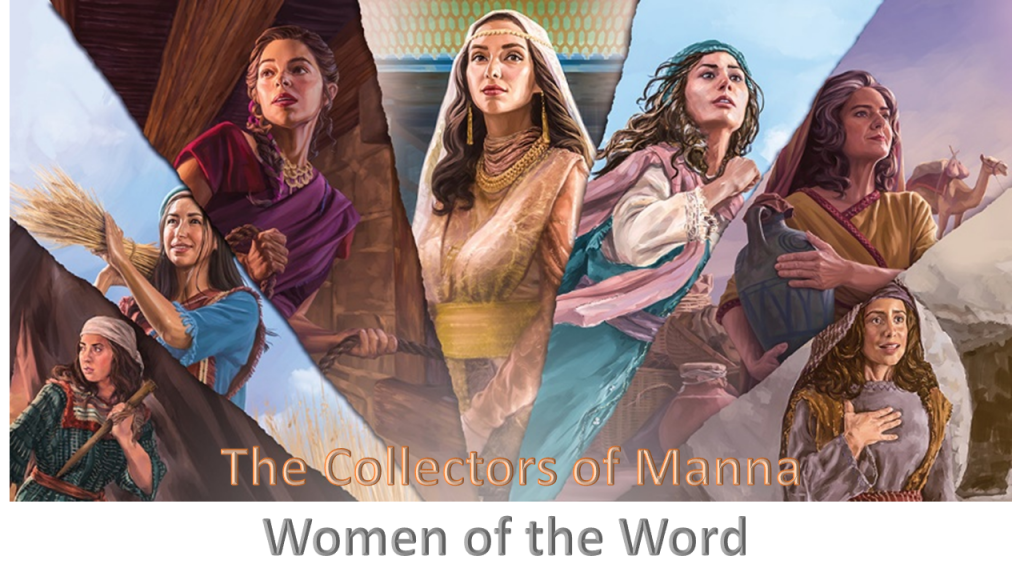
Dilize Light has Managed a TruLight Ladies Group on Telegram for the Past 6 Years and from Today . she will be Sharing her Manna with the Ladies in The TruLight Daily Manna Platform . Dilize is the only Daughter of Pastor Dirk and has been part of the Ministry since the age of 11 . Dilize is also the Radio Host for the Popular TruLight Top 10 that airs on TruLight Radio XM saturdays at 17h00′
Dilize Light bestuur die afgelope 6 jaar ‘n TruLight Damesgroep op Telegram en van vandag af sal sy haar Manna met die Dames deel op die TruLight Daaglikse Manna-platform. Dilize is die enigste dogter van Pastoor Dirk en is deel van die bediening sedert die ouderdom van 11. Dilize is ook die radio-aanbieder vir die gewilde TruLight Top 10 wat Saterdae om 17:00 op TruLight Radio XM uitgesaai word.
Lewende Testament:
Christus is die Seun van God wat gesterf het, sodat sondaars verlos kan word. Hy is drie dae uit die dood opgewek. Dit is die grootste waarheid in die ganse heelal. Volgens tradisie het die Apostel Paulus ook as martelaar gesterwe, ter wille van sy geloof in Christus. In n brief wat kort voor sy dood geskryf is, het hy gelowiges met die volgende woorde tot volharding opgeroep: Onthou altyd dat Jesus, n nakomeling van Dawid, uit die dood opgewek is… Vir hierdie evangelie ly ek verdrukking … Maar die woord van God kan nie geboei word nie ( 2 Tim 2:8,9 ).
Ons mag miskien nie opgeroep word om ter wille van ons geloof in Christus, as martelare te sterwe soos miljoene ander nie maar ons word dringend opgeroep om n lewende testament van Jesus se werk ter wille van sondaars te wees. Ongeag wat die gevolge mag wees, kan en moet ons, uit dankbaarheid vir wat Jesus vir ons gedoen het, ook ander mense van Hom en sy wonderlike verlossing vertel.
Om die Christus van God te eer
Hom te loof en dank vir sy beheer
Die woord van God bekend te maak
Dit is ons opdrag, dit is ons taak.
Laat jou lippe, sowel as jou lewe vir Christus getuig.
Living Testament:
Christ is the Son of God who died so that sinners could be saved. He was raised from the dead three days later. This is the greatest truth in the entire universe. According to tradition, the Apostle Paul also died as a martyr for his faith in Christ. In a letter written shortly before his death, he called on believers to persevere with the following words: Always remember that Jesus, a descendant of David, was raised from the dead… For this gospel I suffer persecution… But the word of God cannot be bound ( 2 Tim 2:8,9 ).
We may not be called to die as martyrs for our faith in Christ like millions of others, but we are urgently called to be a living testament to Jesus’ work on behalf of sinners. Regardless of the consequences, we can and should, out of gratitude for what Jesus has done for us, also tell others about Him and His wonderful salvation.
To honor the Christ of God
To praise and thank Him for His control
To make known the word of God
This is our commission, this is our task.
Let your lips, as well as your life, testify for Christ.

TruLight Ministries Daily Entertainment
TruLight TV – Clean Christian Comedy
Today on TruLight Radio XM
TruLight Radio XM 24/7
Program
GMT / UTC +2
Monday To Fridays
00:15 Words to Live By Testimonies
01.15 Science Scripture and Salvation
02.15 Ground Works
04.00 Gospel Concert of the Day
05.00 The Daren Streblow Comedy Show
5:55 It is Today devotional
6:00 Gaither Homecoming Morning Show
7:15 Discover the Word
8.15 Destined for Victory
8:55 Science Scripture and Salvation
9:00 Holy Spirit Hour – Normally Sermons
10:15 Hope of the Heart
11:15 Unshackled
11.45 Words to Live By
12:15 Truth for Life
13:15 Living on the Edge with Chip Ingram
14:15 Focus on the Family
15:00 Kids Hour
16:00 In Touch with Dr. Charles Stanley
16:30 Groundwork
17:15 Live in the Light
18:15 Renewing your Mind
19:00 Gaither Homecoming Show
20:15 Growing Hope
21:15 Adventures in Odyssey Radio Drama
21:45 Bible Reading
22:15 Nightsounds
23.00 Good Old Country Gospel / Rhema Gospel Express
VISIT THE WEBSITE
https://TruLightRadioXM.org.za

BIBLE PROPHECY IN THE NEWS
The World see the Signs , but the Church does Not ! ?

The World sees what the Bible Prophecy ?
There is one magazine that represents the interests of the global elite more than any other. It is known as “The Economist”, and each year it puts out an issue that is dedicated to what is coming in the year ahead. As we have seen so many times before, these issues tend to be alarmingly accurate.
The reason why they are so accurate is because the ultra-wealthy elite have an enormous amount of influence over the course of human events. If they are absolutely determined to make something happen, there is a good chance that it is going to happen.
Ominously, it appears that they are anticipating a great deal of global chaos in 2026.
The Economist has been around since 1843, but it has never had a very large readership among the general population.
Ultimately, it is a publication by the elite and for the elite.
According to Wikipedia, it has editorial offices all over the planet but it is primarily based in the city of London…
The Economist is a British news and current affairs journal published in a weekly print magazine format and daily on digital platforms. Variously referred to as a magazine and a newspaper,it publishes stories on topics that include economics, business, geopolitics, technology and culture. Mostly written and edited in London,it has other editorial offices in the United States and in major cities in continental Europe, Asia, and the Middle East. The publication prominently features data journalism, and has a focus on interpretive analysis over original reporting, to both criticism and acclaim.
Many of the wealthiest families in Europe are among the shareholders of the company, and Sir Evelyn Robert de Rothschild was actually the chairman from the early 1970s to the late 1980s…
Aside from the Agnelli family, smaller shareholders in the company include Cadbury, Rothschild (21%), Schroder, Layton and other family interests as well as a number of staff and former staff shareholders.A board of trustees formally appoints the editor, who cannot be removed without its permission. The Economist Newspaper Limited is a wholly owned subsidiary of The Economist Group. Sir Evelyn Robert de Rothschild was chairman of the company from 1972 to 1989.
If you want to know what the global elite are thinking, this is the publication that you need to be reading.
And the cover for “The World Ahead 2026” issue is perhaps the most ominous that they have ever published…
When you look at that cover, what stands out to you?
To me, the fact that there are so many symbols relating to war really got my attention.
There is a huge red tank on one side of the cover, and another huge red tank on the other side of the cover.
At the top there are several large missiles that look like they are ready to be launched, and at the bottom there are more large missiles.
Also, right in the middle we see two enormous swords that are crossed.
That is clearly meant to symbolize war.
Obviously they believe that war will continue to be a major theme in 2026, and that is something that I have been consistently warning about.
And they also seem to think that certain individuals will continue to be major players in world affairs during the coming year.
Volodymyr Zelensky is clearly visible in the upper right hand portion of the cover.
Xi Jinping, Vladimir Putin and Benjamin Netanyahu appear to be depicted on the left hand portion of the cover.
And just like last year, Donald Trump is right in the middle.
On Monday, Trump refused to rule out the possibility of sending U.S. ground troops into Venezuela…
Asked if he would rule out US troops on the ground in Venezuela, Trump replied: “No I don’t rule out that, I don’t rule out anything.
“We just have to take care of Venezuela,” he added. “They dumped hundreds of thousands of people into our country from prisons.”
Personally, I think that this is a trap.
If we go to war with Venezuela, a large portion of our military forces will be tied up and our relations with the rest of the world will greatly suffer.
And Trump is also suggesting that military strikes in Mexico and Colombia could be coming…
President Trump hinted at being open to sending military strikes to Mexico and Colombia in order to stop drugs on Monday, sending chills across the region.
The president made the comments during a press conference on Monday as he hosted a meeting with FIFA President Gianni Infantino and the White House task force on the 2026 World Cup at the Oval Office.
“Would I launch strikes on Mexico to stop drugs? It’s OK with me. Whatever we have to do to stop drugs. Mexico is…look I looked at Mexico City over the weekend. There’s some big problems over there. If we had to would we do there what we’ve done to the waterways? You know there is almost no drugs coming through our waterways anymore. Isn’t it down like 85%?” the president said.
On the other side of the globe, I expect the conflict between Israel and Iran to erupt again, I expect the war in Ukraine to continue to escalate, and I will be watching China very, very closely.
Getting back to the magazine cover, I also noticed that there is a chart that seems to depict some sort of a financial crash right under the crossed swords.
And not too far below that chart, there is a red image of a broken dollar sign.
In addition, throughout the bottom half of the graphic it looks like paper currency is falling everywhere.
Wow.
Obviously they are trying to communicate something about the global economy, and it certainly isn’t good.
Will 2026 be a year of financial collapse?
We won’t have to wait too long to find out.
I also noticed two gigantic syringes near the bottom of the cover.
And throughout the cover there are lots of “pills” floating around.
I started to count them, but there are just too many.
So what does this mean?
Are they suggesting that another global pandemic is on the way?
Will 2026 be a year when people are taking shots and pills to try to protect themselves from a major pestilence that has broken out?
SIGNS OF THE TIMES
Why The Pews Are Conservative But the Pulpit Isn’t: Exposing A Deep Church Rift
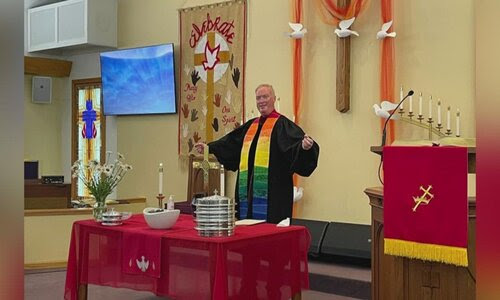
New data now exposes what many have sensed for years: the people leading mainline churches no longer share the worldview of the people sitting in the pews. Not politically. Not ideologically. Not culturally.
‘Unsettling’: Report Shows Terrorists Using AI To Make Their Agenda More Deadly

A new report reveals how artificial intelligence programs, ChatGPT and others, have been documented to advise those with ill intentions “on how to attack a sports venue, buy nuclear material on the dark web, weaponize anthrax, build spyware, bombs” and more.
GOG AND MAGOG UPDATE
Turkey’s Gaza Plan Could Corner Israel On Two Fronts
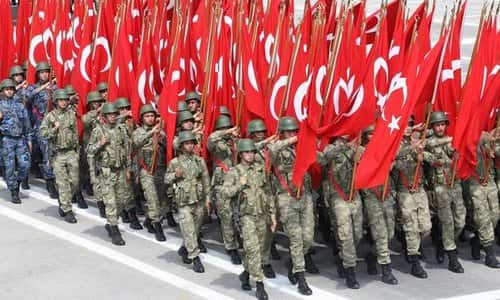
Ankara has announced that it is recruiting 2,000 Turkish soldiers and training them as a brigade that will join the International Stabilization Force, slated to deploy in the Gaza Strip as part of U.S. President Donald Trump’s ceasefire plan.
TruLight Ministry News
TruLight Ministries orders from God since 2012 . Teach Them , Comfort Them and Warn Them!
////////////
TruLight Ministries opdrag vanaf God sedert 2012. Leer hulle, Troos hulle en Waarsku hulle!
THE SALVATION PLAN – YESTERDAY AND TODAY – THE 12 STEPS TO HEAVEN
DIE VERLOSSINGS PLAN – GISTER EN VANDAG – DIE 12 STAPPE NA DIE HEMEL
Share this Feeding of Manna with your Friends and Family. just click on the Social Media icon and share !