Hosted by TruLight Ministries – The Place of Truth
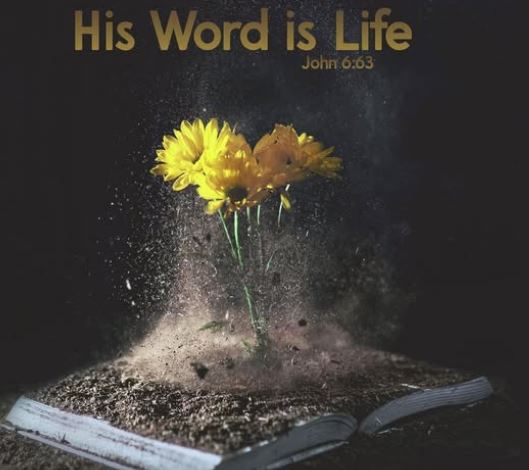
The writer of Hebrews informs readers that God’s Word is more than simply a historical record of events and people: “For the word of God is living and active. Sharper than any double-edged sword, it penetrates even to dividing soul and spirit, joints and marrow; it judges the thoughts and attitudes of the heart” (Hebrews 4:12).
In this passage, Word of God refers to His revelation in a general sense, meaning any method God uses to communicate with humans. Our primary exposure is through His written Word, the Bible. We learn in Scripture that the Word of God is alive and active—it not only lives but works. Let’s explore these two characteristics of God’s revelation to humankind.
The original Greek word translated here as “living” means “to have life” or “alive.” The Word of God is alive because God is a living God (Hebrews 3:12). Jesus said, “The very words I have spoken to you are spirit and life” (John 6:63, NLT). In the parable of the sower, Jesus compared God’s Word to seed (Matthew 13:1–23). Seed, like the Word, is a living organism that, when spread and planted in fertile soil, produces abundant life.
Christians are made alive spiritually and eternally because we are “born again, not of perishable seed, but of imperishable, through the living and enduring Word of God” (1 Peter 1:23). Believers “enter God’s eternal rest” (receive God’s free gift of salvation by grace through faith alone and not by self-effort, Ephesians 2:8–9) through the life-giving power of God’s Word. This truth is the main point the writer of Hebrews has been driving home in the previous verses (Hebrew 4:1–11), that no one can enter God’s true rest except those in whom God’s message has taken deep root and complete control. God does the work of salvation by the power of His Word when we submit to God’s dominion and trust Him to save us through Christ’s sacrifice on the cross.
The term active in Hebrews 4:12 means “effective, powerful, producing or capable of producing an intended result.” The Word of God is vibrant, dynamic, energizing, and productive. It is not static or idle in the lives of genuine believers. The apostle Paul explained that the Word of God is “at work in you who believe” (1 Thessalonians 2:13).
God’s Word is powerful, not only to give life, but also to deliver warnings and bring judgment and punishment to the disobedient: “Is not my Word like fire, declares the LORD, and like a hammer that breaks the rock in pieces?” (Jeremiah 23:29, ESV).
God’s living Word is not something to read or listen to passively and then forget. James taught Christians to look “intently into the perfect law that gives freedom” and to focus on it by doing what it says (James 1:23–25). Paul told Timothy, “All Scripture is inspired by God and is useful to teach us what is true and to make us realize what is wrong in our lives. It corrects us when we are wrong and teaches us to do what is right. God uses it to prepare and equip his people to do every good work” (2 Timothy 3:16–17, NLT). If we let God’s message do its work deep inside, it will change our character and behavior.
Astonishing, life-generating things happen when God’s Word goes forth. It is fully capable of accomplishing its purpose: “The rain and snow come down from the heavens and stay on the ground to water the earth. They cause the grain to grow, producing seed for the farmer and bread for the hungry. It is the same with my word. I send it out, and it always produces fruit. It will accomplish all I want it to, and it will prosper everywhere I send it” (Isaiah 55:11, NLT). On the Day of Pentecost, when Peter preached the message of salvation in Jesus Christ, those who heard it “were cut to the heart” (Acts 2:37), and about three thousand people were saved (Acts 2:41).
The author of Hebrews described the Word of God as “sharper than any double-edged sword.” Paul called it “the sword of the Spirit, which is the Word of God” (Ephesians 6:17). This sword imagery also appears in Isaiah 49:2, Revelation 1:16, and Revelation 2:12. As a sharp, double-bladed sword, the Word of God is our definitive offensive weapon against the assaults of a spiritual enemy. When Satan tempted our Lord in the wilderness, Jesus wielded the sword of God’s Word to counter the devil’s attacks (Matthew 4:4). His example teaches us to do the same.
The vital power of God’s message exists in its ability to pierce and penetrate the innermost depths of the human soul. It can cut through any obstacle to access and inspect our unspoken thoughts and hidden secrets (Matthew 10:26; Luke 8:17; 12:2; Mark 4:22). It can cross-examine and judge the attitudes of our hearts.
Because the Word of God is living and active, Peter encouraged Christians to pay close attention to it (2 Peter 1:19). May we let it be a lamp to guide our feet and a light to illuminate our path through this life (Psalm 119:105).
Die skrywer van Hebreërs stel lesers in kennis dat God se Woord meer is as bloot ‘n historiese rekord van gebeure en mense: “Want die woord van God is lewend en kragtig. Dit is skerper as enige tweesnydende swaard en dring deur tot die skeiding van siel en gees, gewrigte en murg. Dit beoordeel die gedagtes en gesindhede van die hart” (Hebreërs 4:12).
In hierdie gedeelte verwys Woord van God na Sy openbaring in ‘n algemene sin, wat beteken enige metode wat God gebruik om met mense te kommunikeer. Ons primêre blootstelling is deur Sy geskrewe Woord, die Bybel. Ons leer in die Skrif dat die Woord van God lewend en aktief is – dit leef nie net nie, maar werk. Kom ons ondersoek hierdie twee eienskappe van God se openbaring aan die mensdom.
Die oorspronklike Griekse woord wat hier as “lewend” vertaal word, beteken “om lewe te hê” of “lewend”. Die Woord van God is lewend omdat God ‘n lewende God is (Hebreërs 3:12). Jesus het gesê: “Die woorde wat Ek tot julle gespreek het, is gees en lewe” (Johannes 6:63, NLT). In die gelykenis van die saaier het Jesus God se Woord met saad vergelyk (Matteus 13:1–23). Saad, soos die Woord, is ‘n lewende organisme wat, wanneer dit versprei en in vrugbare grond geplant word, oorvloedige lewe voortbring.
Christene word geestelik en ewig lewend gemaak omdat ons “wedergebore word, nie uit verganklike saad nie, maar uit onverganklike, deur die lewende en blywende Woord van God” (1 Petrus 1:23). Gelowiges “gaan God se ewige rus binne” (ontvang God se gratis geskenk van verlossing deur genade deur geloof alleen en nie deur eie poging nie, Efesiërs 2:8–9) deur die lewegewende krag van God se Woord. Hierdie waarheid is die hoofpunt wat die skrywer van Hebreërs in die vorige verse (Hebreërs 4:1–11) tuisgebring het, dat niemand God se ware rus kan binnegaan nie, behalwe diegene in wie God se boodskap diep wortel geskiet het en volkome beheer het. God doen die werk van verlossing deur die krag van Sy Woord wanneer ons ons aan God se heerskappy onderwerp en Hom vertrou om ons te red deur Christus se offer aan die kruis.
Die term aktief in Hebreërs 4:12 beteken “effektief, kragtig, produseerend of in staat om ‘n beoogde resultaat te lewer.” Die Woord van God is lewendig, dinamies, energiek en produktief. Dit is nie staties of ledig in die lewens van ware gelowiges nie. Die apostel Paulus het verduidelik dat die Woord van God “aan die werk is in julle wat glo” (1 Tessalonisense 2:13).
God se Woord is kragtig, nie net om lewe te gee nie, maar ook om waarskuwings te gee en oordeel en straf te bring aan die ongehoorsames: “Is my Woord nie soos vuur nie, spreek die Here, en soos ‘n hamer wat die rots verpletter?” (Jeremia 23:29).
God se lewende Woord is nie iets om passief te lees of na te luister en dan te vergeet nie. Jakobus het Christene geleer om “die volmaakte wet wat vryheid gee” te ondersoek en daarop te fokus deur te doen wat dit sê (Jakobus 1:23-25). Paulus het vir Timoteus gesê: “Die hele Skrif is deur God geïnspireer en is nuttig om ons te leer wat waar is en om ons te laat besef wat verkeerd is in ons lewens. Dit help ons reg wanneer ons verkeerd is en leer ons om te doen wat reg is. God gebruik dit om sy mense voor te berei en toe te rus vir elke goeie werk” (2 Timoteus 3:16–17, NLT). As ons God se boodskap diep binne laat werk, sal dit ons karakter en gedrag verander.
Verbasende, lewegewende dinge gebeur wanneer God se Woord uitgaan. Dit is ten volle in staat om sy doel te bereik: “Die reën en die sneeu val van die hemel af en bly op die grond om die aarde te besproei. Dit laat die graan groei en saad oplewer vir die boer en brood vir die hongeriges. Net so is dit met my woord: Ek stuur dit uit, en dit dra altyd vrugte. Dit sal volbring wat Ek wil hê dit moet doen, en dit sal voorspoedig wees oral waarheen Ek dit stuur” (Jesaja 55:11, NLT). Op Pinksterdag, toe Petrus die boodskap van verlossing in Jesus Christus verkondig het, is diegene wat dit gehoor het “diep in die hart getref” (Handelinge 2:37), en omtrent drieduisend mense is gered (Handelinge 2:41).
Die outeur van Hebreërs het die Woord van God beskryf as “skerper as enige tweesnydende swaard”. Paulus het dit “die swaard van die Gees, dit is die Woord van God” genoem (Efesiërs 6:17). Hierdie swaardbeeldspraak verskyn ook in Jesaja 49:2, Openbaring 1:16 en Openbaring 2:12. As ‘n skerp, dubbellemige swaard is die Woord van God ons definitiewe aanvalswapen teen die aanvalle van ‘n geestelike vyand. Toe Satan ons Here in die woestyn versoek het, het Jesus die swaard van God se Woord geswaai om die duiwel se aanvalle teen te werk (Matteus 4:4). Sy voorbeeld leer ons om dieselfde te doen.
Die lewensbelangrike krag van God se boodskap bestaan in die vermoë daarvan om die diepste dieptes van die menslike siel te deurboor en te penetreer. Dit kan deur enige hindernis sny om toegang tot ons onuitgesproke gedagtes en verborge geheime te verkry en te inspekteer (Matteus 10:26; Lukas 8:17; 12:2; Markus 4:22). Dit kan die gesindhede van ons harte kruisondervra en beoordeel.
Omdat die Woord van God lewend en aktief is, het Petrus Christene aangemoedig om noukeurig daaraan aandag te skenk (2 Petrus 1:19). Mag ons dit ‘n lamp laat wees om ons voete te lei en ‘n lig om ons pad deur hierdie lewe te verlig (Psalm 119:105).

Bible Verse and Prayer for Today
“No weapon forged against you will prevail, and you will refute every tongue that accuses you. This is the heritage of the servants of the Lord, and this is their vindication from me,” declares the Lord.
—Isaiah 54:17
Because of the Lord God’s grace and power, we will be victors. This is the overall message of Revelation — when we are faithful, even unto death, we will be victorious and reign with God (Revelation 2:10-11, 3:21, 22:12-14). This song of victory is sung throughout the Scriptures, rooted in the promise that when Jesus comes, we will reign with him (2 Timothy 2:12; Revelation 20:6). This is the assurance that we have from God himself: because our lives are joined with Jesus and his resurrection, they will not be lived in vain and we will share in his ultimate victory over sin, death, and hell (Colossians 2:12-15, 3:1-4; Romans 8:37-39). Those who berate, belittle, and batter God’s people will be exposed and his beloved children, his saints of light, will receive vindication and salvation from the Father they love.
Prayer
Dear Lord , We pray especially today for your servants who are sharing the Good News of Jesus in difficult places. Some of these precious ones are imprisoned. Some are facing torture and martyrdom. Others are facing ostracism. Some face firing in their workplace. Please give them strength today. Please deliver them from the evil one’s vile intent. Protect them by your mighty hand and deliver them, like Daniel, from the lion’s mouth and every human oppressor, to your glory. In Jesus’ name, we pray. Amen and Amen
Bybel Vers en Gebed vir Vandag
“Geen wapen wat teen julle gesmee word, sal standhou nie, en julle sal elke tong wat julle beskuldig, weerlê. Dit is die erfdeel van die dienaars van die Here, en dit is hulle geregtigheid van My af,” spreek die Here.
—Jesaja 54:17
As gevolg van die genade en mag van die Here God, sal ons oorwinnaars wees. Dit is die oorhoofse boodskap van Openbaring — wanneer ons getrou is, selfs tot die dood toe, sal ons oorwinnaars wees en saam met God regeer (Openbaring 2:10-11, 3:21, 22:12-14). Hierdie oorwinningslied word dwarsdeur die Skrif gesing, gewortel in die belofte dat wanneer Jesus kom, ons saam met Hom sal regeer (2 Timoteus 2:12; Openbaring 20:6). Dit is die versekering wat ons van God self het: omdat ons lewens met Jesus en sy opstanding verbind is, sal hulle nie tevergeefs geleef word nie en sal ons deel hê aan sy uiteindelike oorwinning oor sonde, dood en hel (Kolossense 2:12-15, 3:1-4; Romeine 8:37-39). Diegene wat God se mense berispe, verkleineer en mishandel, sal ontmasker word en sy geliefde kinders, sy heiliges van die lig, sal regverdiging en verlossing ontvang van die Vader wat hulle liefhet.
Gebed
Liewe Here, Ons bid veral vandag vir u dienaars wat die Goeie Nuus van Jesus in moeilike plekke deel. Sommige van hierdie kosbares is gevange geneem. Sommige staar marteling en marteldood in die gesig. Ander staar uitsluiting in die gesig. Sommige staar ontslag in hul werkplek in die gesig. Gee hulle asseblief vandag krag. Red hulle asseblief van die bose een se gemene voornemens. Beskerm hulle deur u magtige hand en red hulle, soos Daniël, uit die leeu se bek en elke menslike onderdrukker, tot u eer. In Jesus se Naam bid ons. Amen en Amen.
Bible Teaching of the Day
In 1 John 1:1, John begins his letter by proclaiming the Word of life: “That which was from the beginning, which we have heard, which we have seen with our eyes, which we have looked at and our hands have touched—this we proclaim concerning the Word of life.” The “Word of life” refers to Jesus, and can also refer to the gospel, the message of salvation and reconciliation made possible by the Son of God (Philippians 2:16).
The Greek term for “word” is logos, recognized by Greeks as the medium through which God created the world and communicated with His creation. The Jews understood “the word” in the Old Testament as the means through which God created the cosmos (Psalm 33:6). Given these understandings, John aptly introduces Jesus as the Logos in both his Gospel and his first letter, emphasizing Jesus as the One through whom the world was made and life blossomed (John 1:3–4).
Eternal life also comes through Jesus, confirming His role as the Word of life. As John 3:16 indicates, “For this is how God loved the world: He gave his one and only Son, so that everyone who believes in him will not perish but have eternal life” (NLT). Jesus, in John 14:6, identifies Himself as “the way, the truth and the life.”
Thus, only the Word of Life imparts true life; seeking eternal life apart from Him proves futile. Jesus is not just the Giver of life; He is life. Believing in the person and redemptive work of the Word of life grants eternal life.
Today, Christians are often considered intolerant for proclaiming Jesus as the only way to God. In light of many options, why should we hold on to the exclusivity of Christ? Even professed Christians struggle with this. However, it is not intolerant for God to possess the key to His presence. He controls access to His home in heaven, just as we possess access to ours on earth.
The crucial question is whether Jesus is who Scripture presents Him to be. If yes, denying His exclusivity would be unloving, especially when we profess Him as Savior. The only loving response to those who are spiritually hungry is to point them to where the Bread is.
Following Jesus’ miracle of the feeding of five thousand, the Lord gave a discourse on His being the Bread of life that came down from heaven (John 6:35). Many turned away from Jesus at that time (verse 66). “Then Jesus turned to the Twelve and asked, ‘Are you also going to leave?’ Simon Peter replied, ‘Lord, to whom would we go? You have the words that give eternal life’” (verses 67–68, NLT). The Bread of life is the Word of life, and the disciples recognized this truth.
Jesus is the Word of life, the Logos that gave life at creation and gives life in the new creation.
Bybel Lering vir die Dag
In 1 Johannes 1:1 begin Johannes sy brief deur die Woord van die lewe te verkondig: “Wat van die begin af was, wat ons gehoor het, wat ons met ons oë gesien het, wat ons aanskou het en ons hande aangeraak het – dit verkondig ons aangaande die Woord van die lewe.” Die “Woord van die lewe” verwys na Jesus, en kan ook verwys na die evangelie, die boodskap van verlossing en versoening wat deur die Seun van God moontlik gemaak is (Filippense 2:16).
Die Griekse term vir “woord” is logos, wat deur Grieke erken word as die medium waardeur God die wêreld geskep het en met Sy skepping gekommunikeer het. Die Jode het “die woord” in die Ou Testament verstaan as die middel waardeur God die kosmos geskep het (Psalm 33:6). Gegewe hierdie begrippe, stel Johannes Jesus gepas voor as die Logos in beide sy Evangelie en sy eerste brief, en beklemtoon Jesus as die Een deur wie die wêreld gemaak is en die lewe geblom het (Johannes 1:3–4).
Die ewige lewe kom ook deur Jesus, wat Sy rol as die Woord van die lewe bevestig. Soos Johannes 3:16 aandui: “Want so lief het God die wêreld gehad: Hy het sy enigste Seun gegee, sodat elkeen wat in Hom glo, nie verlore mag gaan nie, maar die ewige lewe kan hê” (NLT). Jesus identifiseer Homself in Johannes 14:6 as “die weg en die waarheid en die lewe.”
Dus, slegs die Woord van die Lewe gee ware lewe; om die ewige lewe sonder Hom te soek, is tevergeefs. Jesus is nie net die Gewer van lewe nie; Hy is lewe. Om in die persoon en verlossingswerk van die Woord van die lewe te glo, gee die ewige lewe.
Vandag word Christene dikwels as onverdraagsaam beskou om Jesus as die enigste weg na God te verkondig. In die lig van baie opsies, waarom moet ons aan die eksklusiwiteit van Christus vashou? Selfs verklaarde Christene sukkel hiermee. Dit is egter nie onverdraagsaam vir God om die sleutel tot Sy teenwoordigheid te besit nie. Hy beheer toegang tot Sy huis in die hemel, net soos ons toegang tot ons s’n op aarde het.
Die deurslaggewende vraag is of Jesus is wie die Skrif Hom voorstel om te wees. Indien wel, sou dit liefdeloos wees om Sy eksklusiwiteit te ontken, veral wanneer ons Hom as Verlosser bely. Die enigste liefdevolle reaksie op diegene wat geestelik honger is, is om hulle te wys waar die Brood is.
Na Jesus se wonderwerk van die voeding van vyfduisend, het die Here ‘n toespraak gehou oor hoe Hy die Brood van die lewe is wat uit die hemel neergedaal het (Johannes 6:35). Baie het destyds van Jesus afgewyk (vers 66). “Toe draai Jesus na die twaalf en vra: ‘Gaan julle ook weggaan?’ Simon Petrus antwoord: ‘Here, na wie toe sou ons gaan? U het die woorde wat die ewige lewe gee’” (verse 67–68, NLT). Die Brood van die lewe is die Woord van die lewe, en die dissipels het hierdie waarheid herken.
Jesus is die Woord van die lewe, die Logos wat lewe gegee het by die skepping en lewe gee in die nuwe skepping.
Today’s Devotional
Applying the Bible is the duty of all Christians. If we don’t apply it, the Bible becomes nothing more to us than a normal book, an impractical collection of old manuscripts. That’s why Paul says, “Whatever you have learned or received or heard from me, or seen in me—put it into practice. And the God of peace will be with you” (Philippians 4:9). When we apply the Bible, God Himself will be with us.
The first step toward applying God’s Word in our lives is reading it. Our goal in reading is to get to know God, to learn His ways, and to understand His purpose for this world and for us individually. In reading the Bible, we learn about God’s interactions with humanity throughout history, His plan of redemption, His promises, and His character. We see what the Christian life looks like. The knowledge of God we glean from Scripture serves as an invaluable foundation for applying the Bible’s principles for life.
Our next goal is what the psalmist refers to as “hiding” God’s Word in our hearts: “I have hidden your Word in my heart that I might not sin against you” (Psalm 119:11). The way we “hide” God’s Word in our hearts is by studying, memorizing, and meditating on what we have first read. These four steps—read, study, memorize, and meditate—make it possible to successfully apply the Scriptures to our lives.
Study: While studying certainly involves reading, reading is not the same as studying. To study God’s Word means that we prayerfully devote time and attention to acquiring advanced knowledge on a particular person, subject, theme, passage, or book of the Bible. A multitude of study resources is available, including biblical commentaries and published Bible studies that enable us to feast on the “meat” of God’s Word (Hebrews 5:12-14). We can familiarize ourselves with these resources, then choose a topic, a passage, or a book that piques our interests and delve in.
Memorize: It is impossible to apply what we cannot remember. If we are going to “hide” the Word in our hearts, we have to first get it in there by means of memorization. Memorizing Scripture produces within us a well from which we may continually drink, especially at times when we are not able to read our Bibles. In the same way that we store up money and other earthly possessions for future use, we should “lay up these words of mine in your heart and in your soul” (Deuteronomy 11:18, KJV). Create a plan for the Scripture verses you would like to memorize each week.
Meditate: Writer and philosopher Edmund Burke once said, “To read without reflecting is like eating without digesting.” We cannot afford to “eat” God’s Word without “digesting” it. In the parable of the four soils (Matthew 13:3-9; cf. 18-23), Jesus tells of a sower who goes out to sow seed in his field, only to find that some seeds – the Word of God (Matthew 13:19) – had fallen on “rocky ground, where they did not have much soil, and immediately they sprang up, since they had no depth of soil, but when the sun rose they were scorched. And since they had no root, they withered away” (13:5-6). This, Jesus says, is the person in whom the Word is sown but does not take root (13:20-21).
Psalm 1:2 says that the man who meditates on God’s Word is blessed. Donald S. Whitney, in his book Spiritual Disciplines for the Christian Life, writes, “The tree of your spiritual life thrives best with meditation because it helps you absorb the water of God’s Word (Ephesians 5:26). Merely hearing or reading the Bible, for example, can be like a short rainfall on hard ground. Regardless of the amount or intensity of the rain, most runs off and little sinks in. Meditation opens the soil of the soul and lets the water of God’s Word percolate in deeply. The result is an extraordinary fruitfulness and spiritual prosperity” (pp. 49-50).
If we desire for the Word to “take root” in our lives so that we produce a harvest that pleases God (Matthew 13:23), we must ponder, reflect, and meditate on what we read and study in the Bible. As we meditate, we can ask ourselves some questions:
- What does this passage teach me about God?
- What does this passage teach me about the church?
- What does this passage teach me about the world?
- What does this passage teach me about myself? About my own desires and motives?
- Does this passage require that I take action? If so, what action should I take?
- What do I need to confess and/or repent of?
- What have I learned from this passage that will help me to focus on God and strive for His glory?
Apply: The degree to which we study, memorize, and meditate on God’s Word is the degree to which we understand how it applies to our lives. But understanding how the Word applies is not enough; we must actually apply it (James 1:22). “Application” implies action, and obedient action is the final step in causing God’s Word to come to life in our lives. The application of Scripture enforces and further enlightens our study, and it also serves to sharpen our discernment, helping us to better distinguish between good and evil (Hebrews 5:14).
As a final word, it is important to note that we are not alone in trying to understand and apply God’s Word to our lives. God has filled us with His Spirit (John 14:16-17) who speaks to us, leading and guiding us into all truth (John 16:13). For this reason, Paul instructs believers to “walk by the Spirit” (Galatians 5:16), for He is a very present Help in our time of need (Psalm 46:1)! The Spirit will faithfully guide us into the will of God, always causing us to do what is right (Ezekiel 36:26-28; Philippians 2:13). Who better to teach how to live according to all that is written in the Bible than the One who inspired the Bible to begin with—the Holy Spirit Himself? Therefore, let us do our part by hiding the Word in our hearts and obeying the Holy Spirit as He draws that Word out of us.
Vandag se Bemoediging
Dit is die plig van alle Christene om die Bybel toe te pas. As ons dit nie toepas nie, word die Bybel vir ons niks meer as ‘n normale boek nie, ‘n onpraktiese versameling ou manuskripte. Daarom sê Paulus: “Alles wat julle geleer of ontvang of van my gehoor of in my gesien het, doen dit. En die God van vrede sal met julle wees” (Filippense 4:9). Wanneer ons die Bybel toepas, sal God self met ons wees.
Die eerste stap om God se Woord in ons lewens toe te pas, is om dit te lees. Ons doel met lees is om God te leer ken, om Sy weë te leer en om Sy doel vir hierdie wêreld en vir ons individueel te verstaan. Deur die Bybel te lees, leer ons oor God se interaksie met die mensdom deur die geskiedenis heen, Sy verlossingsplan, Sy beloftes en Sy karakter. Ons sien hoe die Christelike lewe lyk. Die kennis van God wat ons uit die Skrif opdoen, dien as ‘n onskatbare fondament vir die toepassing van die Bybel se beginsels vir die lewe.
Ons volgende doelwit is wat die psalmis noem as om God se Woord in ons harte te “verberg”: “Ek het u Woord in my hart gebêre, sodat ek teen U nie sal sondig nie” (Psalm 119:11). Die manier waarop ons God se Woord in ons harte “verberg”, is deur te bestudeer, te memoriseer en te mediteer oor wat ons eerste gelees het. Hierdie vier stappe – lees, bestudeer, memoriseer en mediteer – maak dit moontlik om die Skrif suksesvol in ons lewens toe te pas.
Studeer: Terwyl studie beslis lees behels, is lees nie dieselfde as studeer nie. Om God se Woord te bestudeer beteken dat ons biddend tyd en aandag wy aan die verkryging van gevorderde kennis oor ‘n spesifieke persoon, onderwerp, tema, gedeelte of boek van die Bybel. ‘n Menigte studiebronne is beskikbaar, insluitend Bybelse kommentare en gepubliseerde Bybelstudies wat ons in staat stel om te smul aan die “voedsel” van God se Woord (Hebreërs 5:12-14). Ons kan onsself vertroud maak met hierdie bronne, dan ‘n onderwerp, ‘n gedeelte of ‘n boek kies wat ons belangstelling prikkel en dieper delf.
Memoriseer: Dit is onmoontlik om toe te pas wat ons nie kan onthou nie. As ons die Woord in ons harte gaan “wegsteek”, moet ons dit eers daarin kry deur middel van memorisering. Deur die Skrif te memoriseer, skep ons ‘n put in ons waaruit ons voortdurend kan drink, veral wanneer ons nie ons Bybels kan lees nie. Net soos ons geld en ander aardse besittings vir toekomstige gebruik opgaar, moet ons “hierdie woorde van my in julle hart en in julle siel weglê” (Deuteronomium 11:18). Skep ‘n plan vir die Skrifverse wat jy elke week wil memoriseer.
Mediteer: Skrywer en filosoof Edmund Burke het eenkeer gesê: “Om te lees sonder om te oordink, is soos om te eet sonder om te verteer.” Ons kan dit nie bekostig om God se Woord te “eet” sonder om dit te “verteer” nie. In die gelykenis van die vier gronde (Matteus 13:3-9; vgl. 18-23), vertel Jesus van ‘n saaier wat uitgaan om saad in sy land te saai, net om te vind dat sommige saad – die Woord van God (Matteus 13:19) – op “rotsagtige grond geval het waar daar nie baie grond was nie, en dadelik het dit opgeskiet, omdat daar geen diepte van grond was nie; maar toe die son opkom, is dit verskroei. En omdat dit geen wortel gehad het nie, het dit verdor” (13:5-6). Dit, sê Jesus, is die persoon in wie die Woord gesaai word, maar nie wortel skiet nie (13:20-21).
Psalm 1:2 sê dat die man wat oor God se Woord mediteer, geseënd is. Donald S. Whitney skryf in sy boek Spiritual Disciplines for the Christian Life: “Die boom van jou geestelike lewe floreer die beste met meditasie, want dit help jou om die water van God se Woord te absorbeer (Efesiërs 5:26). Om byvoorbeeld net die Bybel te hoor of te lees, kan soos ‘n kort reënbui op harde grond wees. Ongeag die hoeveelheid of intensiteit van die reën, loop die meeste weg en min sink in. Meditasie maak die grond van die siel oop en laat die water van God se Woord diep insypel. Die resultaat is ‘n buitengewone vrugbaarheid en geestelike voorspoed” (bl. 49-50).
As ons begeer dat die Woord in ons lewens “wortel skiet” sodat ons ‘n oes produseer wat God behaag (Matteus 13:23), moet ons peins, reflekteer en mediteer oor wat ons in die Bybel lees en bestudeer. Terwyl ons mediteer, kan ons onsself ‘n paar vrae afvra:
- Wat leer hierdie gedeelte my oor God?
- Wat leer hierdie gedeelte my oor die kerk?
- Wat leer hierdie gedeelte my oor die wêreld?
- Wat leer hierdie gedeelte my oor myself? Oor my eie begeertes en motiewe?
- Vereis hierdie gedeelte dat ek aksie neem? Indien wel, watter aksie moet ek neem?
- Wat moet ek bely en/of berou hê?
- Wat het ek uit hierdie gedeelte geleer wat my sal help om op God te fokus en na Sy eer te streef?
Toepas: Die mate waarin ons God se Woord bestudeer, memoriseer en daaroor mediteer, is die mate waarin ons verstaan hoe dit op ons lewens van toepassing is. Maar om te verstaan hoe die Woord van toepassing is, is nie genoeg nie; ons moet dit eintlik toepas (Jakobus 1:22). “Toepassing” impliseer aksie, en gehoorsame aksie is die laaste stap om God se Woord in ons lewens lewendig te maak. Die toepassing van die Skrif versterk en verlig ons studie verder, en dit dien ook om ons onderskeidingsvermoë te verskerp en ons te help om beter tussen goed en kwaad te onderskei (Hebreërs 5:14).
Ter afsluiting is dit belangrik om daarop te let dat ons nie alleen is om God se Woord in ons lewens te probeer verstaan en toe te pas nie. God het ons vervul met Sy Gees (Johannes 14:16-17) wat met ons praat en ons in die hele waarheid lei (Johannes 16:13). Om hierdie rede beveel Paulus gelowiges om “deur die Gees te wandel” (Galasiërs 5:16), want Hy is ‘n baie teenwoordige Hulp in ons tyd van nood (Psalm 46:1)! Die Gees sal ons getrou in die wil van God lei en ons altyd laat doen wat reg is (Esegiël 36:26-28; Filippense 2:13). Wie is beter om te leer hoe om te leef volgens alles wat in die Bybel geskryf is as die Een wat die Bybel in die eerste plek geïnspireer het – die Heilige Gees self? Laat ons daarom ons deel doen deur die Woord in ons harte te bewaar en die Heilige Gees te gehoorsaam terwyl Hy daardie Woord uit ons haal.
The Collectors of Manna – Women of the Word // Gaarders van Manna – Vroue van die woord
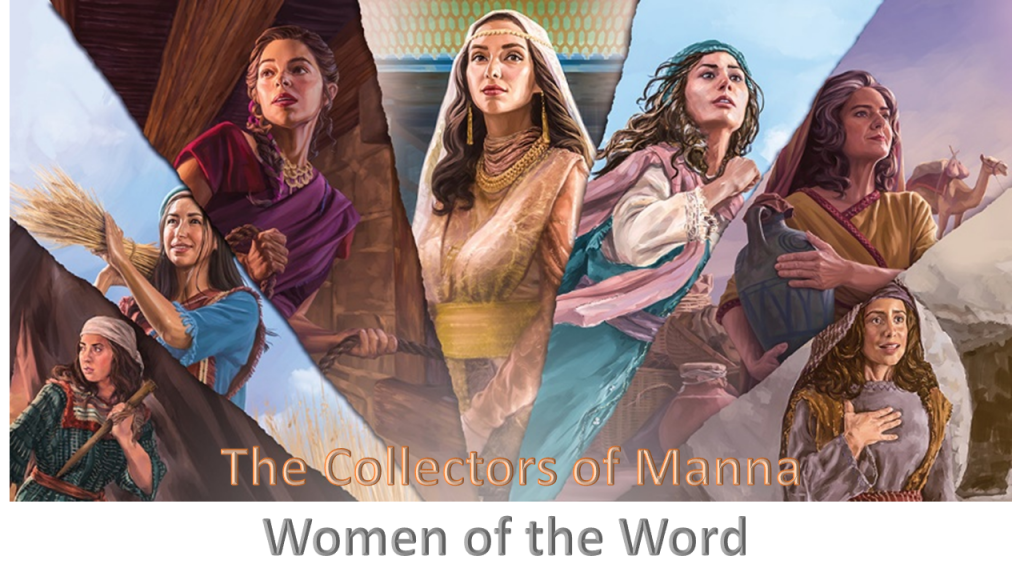
Dilize Light has Managed a TruLight Ladies Group on Telegram for the Past 6 Years and from Today . she will be Sharing her Manna with the Ladies in The TruLight Daily Manna Platform . Dilize is the only Daughter of Pastor Dirk and has been part of the Ministry since the age of 11 . Dilize is also the Radio Host for the Popular TruLight Top 10 that airs on TruLight Radio XM saturdays at 17h00′
Dilize Light bestuur die afgelope 6 jaar ‘n TruLight Damesgroep op Telegram en van vandag af sal sy haar Manna met die Dames deel op die TruLight Daaglikse Manna-platform. Dilize is die enigste dogter van Pastoor Dirk en is deel van die bediening sedert die ouderdom van 11. Dilize is ook die radio-aanbieder vir die gewilde TruLight Top 10 wat Saterdae om 17:00 op TruLight Radio XM uitgesaai word.
Getelde Dae:
In krisistye is dit nogal opmerklik dat n mens ineens besef wat in die lewe regtig belangrik en waardevol is. In Psalm 90. N gebed van Moses beskou hy hierdie lewe van begin tot einde en kom hy tot sekere gevolgtrekkings. Met inagneming van die kortstondigheid van die lewe ( vs 4-6 ) en die besef van God se geregverdige woede ( vs 7-11 ), pleit Moses by God se genade en liefde. Ontferm U tog oor ons. Skenk ons elke dag u liefde in oorvloed ( vs 13:14 ). En dan sluit ons af met n gebed vir die toekoms. Laat ons die goedheid van die Here ons God belewe: hou die werk van ons hande in stand ( vs 17).
Omdat ons dae getel en die lewe op aarde so kortstondig is, word ons dringend opgeroep om God se ewige liefde te aanvaar en soos Moses, op die ewige dinge te fokus.
Wat n wonderlike God aanbid ons
Wat n kosbare Seun kan ons vereer
Wat n toekoms wag daar op ons
Ewige seën en liefde by ons Heer.
Ons getelde dae wys ons op God se ewige liefde.
Numbered Days:
In times of crisis, it is quite remarkable that one suddenly realizes what is truly important and valuable in life. In Psalm 90. A prayer of Moses, he considers this life from beginning to end and comes to certain conclusions. Considering the brevity of life (vs 4-6) and the realization of God’s justified anger (vs 7-11), Moses pleads with God’s mercy and love. Have mercy on us. Give us your love abundantly every day (vs 13:14). And then we conclude with a prayer for the future. Let us experience the goodness of the Lord our God: maintain the work of our hands (vs 17).
Because our days are numbered and life on earth is so short, we are urgently called to accept God’s eternal love and, like Moses, focus on eternal things.
What a wonderful God we worship
What a precious Son we can honor
What a future awaits us
Eternal blessings and love from our Lord.
Our numbered days show us God’s eternal love.

TruLight Ministries Daily Entertainment
TruLight TV – Sweeter As The Days Go By
Today’s Concert – The HOMECOMING family of artists led by Bill and Gloria Gaither gathered for an evening of gospel singing, storytelling and a celebration of lifelong friendships that have only grown Sweeter As The Days Go By. Featuring the award-winning Oak Ridge Boys, the Gatlin Brothers, Jeff & Sheri Easter, the Booth Brothers, Russ Taff, Goodman Revival, the Gaither Vocal Band and more, this all-new CD/DVD release includes “Holy Spirit Thou Art Welcome,” “It Is No Secret,” “We’ll Talk It Over” and “Roses Will Bloom Again.”
Today on TruLight Radio XM
TruLight Radio XM 24/7
Program
GMT / UTC +2
Monday To Fridays
00:15 Words to Live By Testimonies
01.15 Science Scripture and Salvation
02.15 Ground Works
04.00 Gospel Concert of the Day
05.00 The Daren Streblow Comedy Show
5:55 It is Today devotional
6:00 Gaither Homecoming Morning Show
7:15 Discover the Word
8.15 Destined for Victory
8:55 Science Scripture and Salvation
9:00 Holy Spirit Hour – Normally Sermons
10:15 Hope of the Heart
11:15 Unshackled
11.45 Words to Live By
12:15 Truth for Life
13:15 Living on the Edge with Chip Ingram
14:15 Focus on the Family
15:00 Kids Hour
16:00 In Touch with Dr. Charles Stanley
16:30 Groundwork
17:15 Live in the Light
18:15 Renewing your Mind
19:00 Gaither Homecoming Show
20:15 Growing Hope
21:15 Adventures in Odyssey Radio Drama
21:45 Bible Reading
22:15 Nightsounds
23.00 Good Old Country Gospel / Rhema Gospel Express
VISIT THE WEBSITE
https://TruLightRadioXM.org.za
BIBLE PROPHECY IN THE NEWS
To Kill in God’s Name
For the Past 2 Years the IDF Israeli Defense Force and Mossad Israel’s Secret Service has been Assassinating Terrorists and Terrorist Leaders from Several Islamic Terrorist groups since Oct 7 attacks on Israel.
They Call It Self Defense or “To Kill in God’s Name”
The Nation of Israel see themselves as the Nation of God due to Biblical History, and They feel that if they defend themselves “The Nation of God “They are Acting on Behalf of God in Killing of the Enemy and Their Leaders by Assassination’s. Weekly You read about another assassination that was done successfully by the IDF or Mossad.
To a Point that it is Getting Alarming to some, the new normal in Israel is, if you are against the Nation of Israel, you are a Target of their Assassination list.
TO KILL IN GOD’S NAME
“To kill in God’s name” is a controversial phrase referring to acts of violence committed in the name of a religious belief, often in a way that contradicts core religious tenets like the sanctity of life. While some interpretations cite religious texts to justify violence, others argue that killing is inherently wrong and any such actions are a perversion of faith. The concept is debated in many religions, where interpretations range from the idea that God authorizes violence to the belief that all violence in God’s name is a violation of God’s will.
Religious and ethical interpretations
• Justification: Some interpretations cite religious texts that connect authority with God to justify killing in a divine cause. For example, the Christian Bible states that authority is “instituted by God” and the one in authority is “the servant of God to execute his wrath on the wrongdoer”.
• Contradiction: Many see killing in God’s name as a contradiction to religious commands. The Sixth Commandment in Judaism and Christianity is “Thou shalt not kill”. In Islam, mainstream Sunni Islam considers the practice of takfir (excommunication) to be wrong and a right held solely by God, even though some groups have used it against others.
• Secular authority vs. divine authority: Some argue that claiming to kill “in God’s name” is a way to transfer absolute authority to a secular entity like a nation-state, which is then seen as a “god” that demands the ultimate loyalty of its citizens. This is a theme explored by philosophers like Thomas Hobbes, who called the state a “mortal god” with a monopoly on violence, say Santa Clara University.
• Sanctification of life and martyrdom: The concept of Kiddush Hashem (sanctification of God’s name) in Judaism is one example of a religious concept that can lead to martyrdom, where a person’s willingness to die rather than desecrate God’s name is seen as a form of martyrdom. The six million Jews murdered in the Holocaust are known as the Kedoshim (holy ones), say Wikipedia.
Key differences in interpretation
• Some people believe that violence done in the name of religion is a violation of God’s will and a perversion of God’s commands, while others believe that God has given humans the authority to kill for righteous causes.
• The debate is also complicated by the fact that religious teachings are not always interpreted uniformly by all believers, and that violence has been committed in the name of many different religions and secular ideologies, say Cambridge University Press & Assessment.
• Whether it is right to kill “in God’s name” is a subject of ongoing debate and has been a source of conflict throughout history.
- The Sixth Commandment says, “Thou shalt not kill.” But the Bible doesn’t treat all forms of man-slaying equally. It doesn’t prohibit every form of killing.
- Scripture permits killing animals for food, self-defense (Samson kills a lion), or protection of property (David kills a bear that threatens his flock).
- Israelites were permitted to kill, under restricted conditions, to defend their homes with deadly force (Exodus 22:2-4).
- The Lord authorizes civil rulers to execute criminals (Romans 13) for murder, some sexual crimes, forms of Sabbath-breaking, blasphemy, public idolatry, kidnapping, and cursing parents. Unchecked, these crimes sicken the land until it vomits out the inhabitants. Civil rulers punish these crimes to defend the land against pollution.
- War is permissible in some circumstances (Deuteronomy 20), and God sometimes commands Israel to carry out wars of utter destruction, where Israel wipes out entire cities, men, women, children, and to devote all of the plunder to the Lord.
- Yet, the Bible never gives blanket permission to kill, whether human beings or animals. Even if someone deserves to be killed, we’re not free to kill them.
- In Israel, all shedding of human blood has to be dealt with, either by the confinement of the manslayer, the execution of the murderer, or a rite of cleansing (cf. Deuteronomy 21:1-9).
- Even killing in war has to be “atoned” by a money payment (Exodus 30:11-16). Apart from the conquest, God permits war only after Israel offers terms of peace, and Israel isn’t allowed to prosecute total war against trees and land (Deuteronomy 20).
- Even killing animals is hedged with restrictions. From Noah on, human beings were prohibited from eating blood. Israelites aren’t allowed to butcher a mother bird and also take the eggs (Deuteronomy 22). A righteous man cares for his cattle.
- In sum, as William Cavanaugh has written, we’re allowed to kill only in the name of God.
- Talk about “killing in the name of God” sounds dangerous. Saying it makes me sound like an ayatollah inciting terrorism.
- But think about it. People kill all the time. Who authorizes the killing?
- In liberal systems, who pronounces the capital sentence? Does a judge appeal to God when he sentences a convicted criminal to death? He’s not allowed to. That would be un-Constitutional. He’s only allowed to kill if he leaves God out of it.
- We think that’s normal.
- Who authorizes war? Do Presidents send troops to war because they’re convinced before God that it’s a just war? Presidents pray in the privacy of the Oval Office, but the public rationale has to be secular. Modern soldiers kill, as Cavanaugh puts it, for “a state whose very ideal is the separation of violence from the will of God.”
- We think that’s normal.
- In most “advanced” societies, the right to kill one’s unborn baby is a basic human freedom. As Robert Jenson says, legal abortion grants “the most interested party” a license to kill at will. Abortion privatizes murder. It’s nothing less than “a relapse to pure barbarism.”
- We think that’s normal.
- Who authorizes mass shooters? Some kill to protect the white majority of the US from the immigrant invasion. Everyone condemns white nationalist terrorism, but aside from body count, what’s the difference from killing we permit? If we grant a woman a private right to kill her baby, by what logic do we restrict the private right of a man to kill Hispanic immigrants?
- God determines when killing is permitted because of who He is: Lord of life and death. If we kill at another’s command, that other has effectively become our God, our Lord of life and death. If we can kill by our own authority, we’ve made ourselves gods. And that’s a prescription for a war of all against all.
- “Kill only in the name of God” doesn’t sanction a bloodbath. Following that principle is the only way to stop the bloodbath.
One thing above Terrorism Israel battles against is Antisemitism , After the Holocaust by Hitler , Israel is on the Back foot against Anti-Semitism against the Nation of Israel . After the Terrorist Assassination’s, will the Antisemitism Assassination Starts? That is my Concern! For Israel are on the Brink of including Antisemitism to the List under Terrorism. Will the World keep on Looking away?
IN THE NEWS
White House: Trump supports Israel’s right to ‘take out terrorist threats’

U.S. President Donald Trump supports Israel’s right to defend itself against terrorist threats, White House Press Secretary Karoline Leavitt said on Monday following the killing of Hezbollah’s second-in-command.
Asked by Israel’s Walla news site whether Trump supported the assassination of Haytham Ali Tabatabai, the Iranian-backed terror group’s “chief of staff,” Leavitt said she had not spoken directly to the president about the strike.
“But of course, the president supports Israel’s right to defend itself and to take out terrorist threats in the region,” she added.
The operation against the senior terrorist—dubbed “Black Friday”—was the first Israeli strike in Beirut since July and came nearly a year to the day after a ceasefire took effect.
Israeli Prime Minister Benjamin Netanyahu on Sunday noted that Tabatabai was a “mass murderer” whose hands were “soaked in the blood of many Israelis and Americans, and it is not for nothing that the U.S. put a bounty of five million dollars on his head.”
He warned that Jerusalem expects the Lebanese government to uphold its commitment to disarm Hezbollah under the U.S.-brokered ceasefire deal.
Washington had offered a reward of up to $5 million for information leading to Ali Tabatabai’s capture, after designating him a global terrorist in October 2016 for overseeing Hezbollah’s operations in Syria and Yemen.
SIGNS OF THE TIMES -article in the News
Big Brother Grid Control – From Where You Drive To What You Post

For decades, an insidious Big Brother control grid has been growing and evolving all around us, and now artificial intelligence is allowing authorities to do things that they have never been able to do before.
Shockingly, that includes monitoring where we drive so that those with “suspicious” travel patterns can be detained. There are many that are arguing that this kind of surveillance is unconstitutional, and it is certainly morally wrong. How can we possibly be free if the federal government is literally watching us wherever we go?
I don’t want to live in a “Minority Report society” where the government is arresting people simply because an algorithm has flagged their travel patterns.
But that is precisely what the Border Patrol’s “predictive intelligence program” is doing…
The U.S. Border Patrol is monitoring millions of American drivers nationwide in a secretive program to identify and detain people whose travel patterns it deems suspicious, The Associated Press has found.
The Border Patrol’s predictive intelligence program has resulted in people being stopped, searched and in some cases arrested. A network of cameras scans and records vehicle license plate information, and an algorithm flags vehicles deemed suspicious based on where they came from, where they were going and which route they took. Federal agents in turn may then flag local law enforcement.
Suddenly, drivers find themselves pulled over – often for reasons cited such as speeding, no turn signals or even a dangling air freshener blocking the view. They are then aggressively questioned and searched, with no inkling that the roads they drove put them on law enforcement’s radar.
The AP spoke to eight former officials that have direct knowledge of this program.
All of them confirmed that this is happening.
You may think that you are safe is you do not live near the border, but when asked about the scope of this program the CBP explained that it can legally operate “anywhere in the United States”…
CBP defended its use of license plate readers, stating that the program is “governed by a stringent, multi-layered policy framework, as well as federal law and constitutional protections, to ensure the technology is applied responsibly and for clearly defined security purposes.” The agency added: “For national security reasons, we do not detail the specific operational applications.” According to CBP, while the U.S. Border Patrol primarily operates within 100 miles of the border, it is legally permitted “to operate anywhere in the United States”.
Reading that should send a chill up your spine.
Apparently this program began “about a decade ago”, and they have been going to great lengths to keep it secret…
Once limited to policing the nation’s boundaries, the Border Patrol’s surveillance system stretches into the country’s interior and monitors ordinary Americans’ daily actions and connections for anomalies instead of simply targeting wanted suspects. Started about a decade ago to fight illegal border-related activities and the trafficking of both drugs and people, it has expanded over the past five years.
Border Patrol has for years hidden details of its license plate reader program, trying to keep any mention of the program out of court documents and police reports, according to two people familiar with the program. Readers are often disguised along highways in traffic safety equipment like drums and barrels.
If the government is trying to keep a domestic surveillance program secret, that is a major red flag right there.
Obviously they know that they are doing something that the general population would not like.
So why are they doing it?
We are also being told that the government is “ramping up its social media surveillance” with new AI-driven tools…
Immigration and Customs Enforcement (ICE) is acquiring powerful new surveillance tools to identify and monitor people.
They include apps that let federal agents point a cell phone at someone’s face to potentially identify them and determine their immigration status in the field, and another that can scan irises. Newly licensed software can give “access to vast amounts of location-based data,” according to an archive of the website of the company that developed it, and ICE recently revived a previously frozen contract with a company that makes spyware that can hack into cell phones.
The federal agency is also ramping up its social media surveillance, with new AI-driven software contracts, and is considering hiring 24/7 teams of contractors assigned to scouring various databases and platforms like Facebook and TikTok and creating dossiers on users.
When most of us post stuff on social media, we never even imagine that the feds might be spying on us.
But that is exactly what is taking place.
According to Politico, the Department of Homeland Security has contracts with several social media monitoring companies…
It’s not clear what tools the government is using to collect and analyze social media posts, and DHS didn’t respond to a direct request about how it is surveilling online platforms.
To get a picture of what kinds of tools they might be using, DFD reviewed active federal contracts from public government records, and found four DHS contracts with social media monitoring companies.
One of the entities that the Department of Homeland Security is working with is known as Zignal Labs.
Apparently Zignal Labs is able to monitor and analyze “8 billion social media posts per day”…
An informational pamphlet marked confidential but publicly available online advertises that Zignal Labs “leverages artificial intelligence and machine learning” to analyze over 8 billion social media posts per day, providing “curated detection feeds” for its clients. The information, the company says, allows law enforcement to “detect and respond to threats with greater clarity and speed.”
Essentially, Zignal Labs is using artificial intelligence to watch everything that we do on social media.
If you post this article on social media, they will see that too.
Big Brother is watching, and if something you post gets flagged, you could potentially get into trouble.
If we do not stand up and object now, they will just keep pushing the envelope even farther.
Eventually, we could end up just like China…
To get a sense of the capabilities of AI law enforcement, look to present-day China. Analysts estimate that over half of the world’s surveillance cameras are in China, and many of those cameras use AI facial recognition. AI algorithms identify people and track their movements, allowing the government to monitor their activities and their meetings with others. Iris scans act as a visual fingerprint of people, even those wearing masks.
Spy drones fly above China’s cities, recording activities in ever-sharper detail. AI analytics can spot unlawful or anomalous actions, even littering. In recent years, Chinese authorities have installed facial recognition cameras inside residential buildings, hotels, and even karaoke bars. The goal of installing these systems is, according to a Fujian province police department, “controlling and managing people.”
Increasingly, AI is used not just for surveillance but also for policing. Semi-autonomous AI police robots operate without human input a majority of the time. In China, these police robots patrol public places and use facial recognition to scan for people wanted by law enforcement. When such a person is detected, the robot begins following them until the police arrive. Other robots knock suspects over or fire a “net gun” to immobilize them.
In China, there is nowhere to run and nowhere to hide.
The Chinese government uses artificial intelligence to monitor everyone and everything, and even the smallest infringement can affect your social credit score. A good social credit score is necessary to fully participate in all aspects of life in China.
What the Chinese have created is the exact opposite of a free society.
And that is where we are heading too if we continue to go down the road that we are on now.
TruLight Ministry News
TruLight Ministries orders from God since 2012 . Teach Them , Comfort Them and Warn Them!
////////////
TruLight Ministries opdrag vanaf God sedert 2012. Leer hulle, Troos hulle en Waarsku hulle!
HOW HARDSHIPS SHAPE GREAT LEADERS!
Share this Feeding of Manna with your Friends and Family. just click on the Social Media icon and share !