Hosted by TruLight Ministries – The Place of Truth
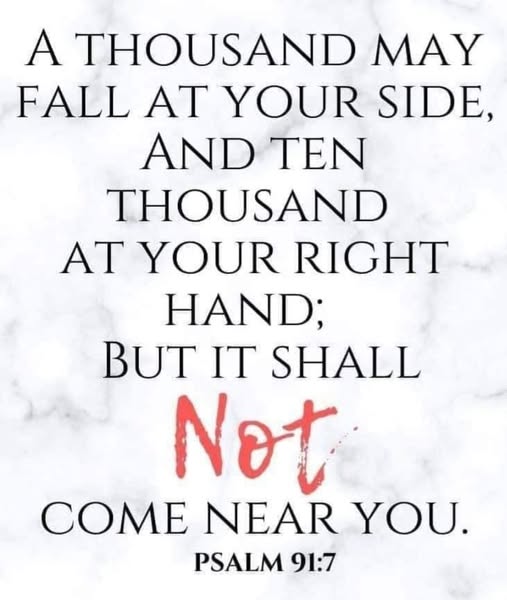
This Promise can only be claimed when the Conditions are Met ! God : Die Belofte kan slegs opge-eis word wanneer die Voorwaarde gedoen is! God.
There are literally hundreds of God’s promises in the Bible. How can we know which promises apply to us, which promises we can claim? To frame this question another way, how can one tell the difference between general promises and specific promises? A general promise is one that is given by the Holy Spirit to every believer in every age. When the author penned the promise, he set no limitations on time period or recipient.
An example of a general promise is 1 John 1:9, “If we confess our sins, He is faithful and just to forgive us our sins and to cleanse us from all unrighteousness.” This promise is based on the forgiving nature of God and is available to all believers everywhere. Another example of a general promise is Philippians 4:7, “And the peace of God, which transcends all understanding, will guard your hearts and your minds in Christ Jesus.” This promise is made to all believers who, refusing to worry, bring their requests to God (v. 8). Other examples of general promises include Psalm 1:3; 27:10; 31:24; John 4:13-14 (note the word “whoever”); and Revelation 3:20.
A specific promise is one that is made to specific individuals on specific occasions. The context of the promise will usually make clear who the recipient is. For example, the promise of 1 Kings 9:5 is very specific: “I will establish your royal throne over Israel forever.” The preceding and following verses make it clear that God is speaking only to King Solomon.
Luke 2:35 contains another specific promise: “And a sword will pierce your own soul too.” This prophecy/promise was directed to Mary and was fulfilled in her lifetime. While a specific promise is not made to all believers generally, the Holy Spirit can still use a specific promise to guide or encourage any of His children. For example, the promise of Isaiah 54:10 was written with Israel in mind, but the Holy Spirit has used these words to comfort many Christians today: “my unfailing love for you will not be shaken nor my covenant of peace be removed.”
As he was led to take the gospel to the Gentiles, the apostle Paul claimed the promise of Isaiah: “I have made you a light for the Gentiles, that you may bring salvation to the ends of the earth” (Acts 13:47). Isaiah’s promise was originally meant for the Messiah, but in it Paul found guidance from the Lord for his own life. When claiming one of God’s promises from Scripture, we should keep the following principles in mind:
1) God’s promises are often conditional. Look for the word “if” in the context.
2) God gives us promises to help us better submit to His will and trust Him. A promise does not make God bend to our will.
3) We cannot presume to know precisely when, where, or how God’s promises will be fulfilled in our lives.
Daar is letterlik honderde van God se beloftes in die Bybel. Hoe kan ons weet watter beloftes op ons van toepassing is, watter beloftes ons kan opeis? Om hierdie vraag anders te stel, hoe kan mens die verskil tussen algemene beloftes en spesifieke beloftes onderskei? ‘n Algemene belofte is een wat deur die Heilige Gees aan elke gelowige in elke eeu gegee word. Toe die outeur die belofte neergeskryf het, het hy geen beperkings op tydstip of ontvanger gestel nie.
‘n Voorbeeld van ‘n algemene belofte is 1 Johannes 1:9, “As ons ons sondes bely, is Hy getrou en regverdig om ons ons sondes te vergewe en ons van alle ongeregtigheid te reinig.” Hierdie belofte is gebaseer op die vergewende aard van God en is beskikbaar vir alle gelowiges oral. Nog ‘n voorbeeld van ‘n algemene belofte is Filippense 4:7, “En die vrede van God, wat alle verstand te bowe gaan, sal julle harte en julle sinne bewaar in Christus Jesus.” Hierdie belofte word gemaak aan alle gelowiges wat, weier om bekommerd te wees, hul versoeke na God bring (v. 8). Ander voorbeelde van algemene beloftes sluit in Psalm 1:3; 27:10; 31:24; Johannes 4:13-14 (let op die woord “wie ook al”); en Openbaring 3:20.
’n Spesifieke belofte is een wat aan spesifieke individue by spesifieke geleenthede gemaak word. Die konteks van die belofte sal gewoonlik duidelik maak wie die ontvanger is. Byvoorbeeld, die belofte van 1 Konings 9:5 is baie spesifiek: “Ek sal jou koninklike troon oor Israel vir ewig vestig.” Die voorafgaande en volgende verse maak dit duidelik dat God slegs met koning Salomo praat.
Lukas 2:35 bevat nog ’n spesifieke belofte: “’n Swaard sal ook deur jou eie siel gaan.” Hierdie profesie/belofte was aan Maria gerig en is in haar leeftyd vervul. Terwyl ’n spesifieke belofte nie oor die algemeen aan alle gelowiges gemaak word nie, kan die Heilige Gees steeds ’n spesifieke belofte gebruik om enige van Sy kinders te lei of aan te moedig. Byvoorbeeld, die belofte van Jesaja 54:10 is met Israel in gedagte geskryf, maar die Heilige Gees het hierdie woorde gebruik om baie Christene vandag te troos: “my onfeilbare liefde vir jou sal nie geskud word en my vredesverbond nie verwyder word nie.”
Terwyl hy gelei is om die evangelie na die heidene te neem, het die apostel Paulus die belofte van Jesaja opgeëis: “Ek het jou ‘n lig vir die heidene gemaak, sodat jy verlossing kan bring tot aan die eindes van die aarde” (Handelinge 13:47). Jesaja se belofte was oorspronklik bedoel vir die Messias, maar daarin het Paulus leiding van die Here vir sy eie lewe gevind. Wanneer ons een van God se beloftes uit die Skrif opeis, moet ons die volgende beginsels in gedagte hou:
1) God se beloftes is dikwels voorwaardelik. Soek die woord “as” in die konteks.
2) God gee ons beloftes om ons te help om ons beter aan Sy wil te onderwerp en Hom te vertrou. ‘n Belofte laat God nie voor ons wil buig nie.
3) Ons kan nie aanneem dat ons presies weet wanneer, waar of hoe God se beloftes in ons lewens vervul sal word nie.

Bible Verse and Prayer for Today
If I must boast, I will boast of the things that show my weakness.
—2 Corinthians 11:30
One of Paul’s recurring themes throughout 2 Corinthians is that God’s strength is made perfect in weakness. In 1 Corinthians, he emphasized that the strength, wisdom, and power of God are shown in what is normally a sign of weakness and humiliation — the cross (1 Corinthians 1:18-2:5). Paul wasn’t a wimp — remember all that he endured and kept on serving the Lord (2 Corinthians 11:24-27). He just knew that even with all his training and talent, he wasn’t skilled, smart, or strong enough to do all that needed to be done for the Kingdom of God. As folks compared him with those who were supposed to be stronger and better teachers, he didn’t try to outdo them with his credentials — even though he could. Instead, Paul knew that when we recognize our insufficiency, God takes our weakness and uses it powerfully when we offer ourselves to him. Our lives must show that the “all-surpassing power” for ministry “is from God and not from us” (2 Corinthians 4:7).
Prayer
Dear Heavenly Father, thank you for all those times you have strengthened me when I was under trial, given me wisdom in difficult situations, empowered me when I faced hardships, and used me mightily in opportunities greater than my ability to handle. I recognize that you saved and sustained me by Your grace so that I can serve in ways better beyond my natural abilities. Your glory and power enabled this to happen, so I praise and thank you in Jesus’ name. Amen and Amen
Bybel Vers en Gebed vir Vandag
As ek moet roem, sal ek roem oor die dinge wat my swakheid toon.
—2 Korintiërs 11:30
Een van Paulus se herhalende temas dwarsdeur 2 Korintiërs is dat God se krag in swakheid volbring word. In 1 Korintiërs beklemtoon hy dat die krag, wysheid en mag van God getoon word in wat normaalweg ‘n teken van swakheid en vernedering is – die kruis (1 Korintiërs 1:18-2:5). Paulus was nie ‘n swakkeling nie – onthou alles wat hy verduur het en aangehou het om die Here te dien (2 Korintiërs 11:24-27). Hy het net geweet dat selfs met al sy opleiding en talent, hy nie vaardig, slim of sterk genoeg was om alles te doen wat vir die Koninkryk van God gedoen moes word nie. Terwyl mense hom vergelyk het met diegene wat veronderstel was om sterker en beter onderwysers te wees, het hy nie probeer om hulle met sy geloofsbriewe te oortref nie – al kon hy. In plaas daarvan het Paulus geweet dat wanneer ons ons ontoereikendheid erken, God ons swakheid neem en dit kragtig gebruik wanneer ons onsself aan Hom aanbied. Ons lewens moet wys dat die “allesoortreffende krag” vir bediening “van God is en nie van ons nie” (2 Korintiërs 4:7).
Gebed
Liewe Hemelse Vader, dankie vir al die kere wat U my versterk het toe ek beproewinge ondergaan het, my wysheid gegee het in moeilike situasies, my bemagtig het toe ek swaarkry in die gesig gestaar het, en my kragtig gebruik het in geleenthede groter as my vermoë om te hanteer. Ek erken dat U my gered en onderhou het deur U genade sodat ek op maniere kan dien wat beter is as my natuurlike vermoëns. U heerlikheid en krag het dit moontlik gemaak om te gebeur, daarom prys en dank ek U in Jesus se Naam. Amen en Amen
Bible Teaching of the Day
Jesus said, “Ask and you will receive, and your joy will be complete” in John 16:24. Similar statements are found in Matthew 7:7; 21:22; Mark 11:24; Luke 11:9; and John 15:7. Is this a blanket promise with no conditions? If we ask for three hundred pounds of chocolate delivered to our door, is God obligated to give it to us? Or are Jesus’ words to be understood in light of other revelation?
If we assume that “ask and you will receive” means “ask for anything you want and I’ll give it to you,” then we have turned the Lord into a cosmic genie who serves our every whim. This is the problem of prosperity gospel and word of faith teachings.
In the Sermon on the Mount, Jesus says that whoever asks receives, whoever seeks finds, and whoever knocks will find an open door (Matthew 7:7–8). But with this and all other verses we must examine the context. Jesus goes on to say that God will not fail to give His children good things (verse 11). So, this is one condition to the promise of “ask and receive”: what we ask for must be good in God’s estimation. God will give advantageous gifts to His children; He will not give us bad or injurious things, no matter how much we clamor for them. The best example of a good gift is the Holy Spirit, according to Luke 11:13. We begin to see a two-fold purpose of prayer—to increase our understanding of what God calls “good” and to cultivate a desire in us for what is good.
Our prayers to God are not unlike our requests of men. Our prayers are based in a relationship, as Jesus points out in Matthew 7:8. If a child asks his father for something the father knows to be hurtful, the request is denied. The child may be frustrated and unhappy when he doesn’t get what he asked for, but he should trust his father. Conversely, when the child asks for something that the father knows is beneficial, the father will provide it eagerly because he loves his child.
We have another condition to the promise of “ask and receive” in John 14:14, “You may ask me for anything in my name, and I will do it.” Here, Jesus does not promise His disciples anything and everything they want; rather, He instructs them to ask “in my name.” To pray in Jesus’ name is to pray on the basis of Jesus’ authority, but it also involves praying according to the will of God, for the will of God is what Jesus always did (John 6:38). This truth is stated explicitly in 1 John 5:14, “If we ask anything according to his will, he hears us.” Our requests must be congruent with the will of God.
The promise of “ask and receive,” even with its conditions, can never disappoint. There is no chance of things we need not being in God’s will. He promises to supply what we need when we “seek first his kingdom and his righteousness” (Matthew 6:33). Of course, what we want is not always what we need. If what we want is not in God’s will, then we really don’t want to receive it. God knows what is good for us and is faithful and loving to say “no” to selfish and foolish prayers, no matter how much we want what we’re asking for.
God will always give us good things. Our job is to understand what is good, so that we know what to ask for. The natural mind cannot understand this. But, when we offer ourselves as “a living sacrifice” and are transformed by the renewing of our minds, then we “will be able to test and approve what God’s will is—his good, pleasing and perfect will” (Romans 12:1–2). Then, asking for what we need in faith, we will have all we need for life, godliness, and fullness of joy (John 16:24).
The biblical instruction concerning prayer is that we pray for the good things that we truly need, according to the will of God, in the authority of Jesus Christ, persistently (see Luke 18:1), unselfishly (see James 4:3), and in faith (see James 1:6). In Matthew 21:22 Jesus again emphasizes faith: “If you believe, you will receive whatever you ask for in prayer.” Those who truly believe God will witness the amazing, infinite power of God. However, comparing Scripture with Scripture, we know that the asking must be done within the will of God. Part of having faith is acceding to God’s plan as best. If we ask for healing, and that is the best thing for us, we should not doubt that God will heal us. If He does not heal, then not being healed is a necessary part of a larger plan—one that is ultimately for our good.
Consider Psalm 37:4: “Delight yourself in the Lord and He will give you the desires of your heart.” This verse does not give us a way to manipulate God; nor does it mean that, if we obey, He will reward us with whatever treat we crave. Rather, it means that, when we delight ourselves in God, then we will find everything we want and need in Him. The key here is that the heart of the seeker is changed—when we delight in the Lord, God’s desires begin to become our own. When our desires match God’s, then our prayers are automatically aligned with His will.
Among the most important prayers in the life of a Christian are “Teach me to love you above all else” and “Cause me to want what you want.” When we truly desire God, when we are passionate to see His will accomplished in this world, and when we ask for what brings Him glory, He is eager to give us anything we ask. Sometimes the things that glorify God are pleasant—a marriage or a child. Sometimes they are difficult for us—a failure that humbles us or a physical weakness that makes us more dependent upon God (see 2 Corinthians 12:7). But, when we pray within His will, in the authority of Jesus, persistently, unselfishly, and in faith, we will receive what we need.
Bybel Lering vir die Dag
Jesus het gesê: “Vra en julle sal ontvang, en julle blydskap sal volkome wees” in Johannes 16:24. Soortgelyke stellings word gevind in Matteus 7:7; 21:22; Markus 11:24; Lukas 11:9; en Johannes 15:7. Is dit ‘n algemene belofte sonder voorwaardes? As ons vra vir driehonderd pond sjokolade wat by ons deur afgelewer word, is God verplig om dit vir ons te gee? Of moet Jesus se woorde verstaan word in die lig van ander openbarings?
As ons aanvaar dat “vra en julle sal ontvang” beteken “vra vir enigiets wat julle wil hê en Ek sal dit vir julle gee”, dan het ons die Here in ‘n kosmiese gees verander wat elke grillerigheid van ons bedien. Dit is die probleem van die voorspoedevangelie en die woord van geloofsleer.
In die Bergpredikasie sê Jesus dat elkeen wat vra, ontvang, elkeen wat soek, vind, en elkeen wat klop, ‘n oop deur sal vind (Matteus 7:7–8). Maar met hierdie en alle ander verse moet ons die konteks ondersoek. Jesus gaan voort om te sê dat God nie sal versuim om Sy kinders goeie dinge te gee nie (vers 11). Dit is dus een voorwaarde vir die belofte van “vra en ontvang”: wat ons vra, moet goed wees in God se oë. God sal voordelige gawes aan Sy kinders gee; Hy sal ons nie slegte of skadelike dinge gee nie, maak nie saak hoeveel ons daarna smeek nie. Die beste voorbeeld van ‘n goeie gawe is die Heilige Gees, volgens Lukas 11:13. Ons begin ‘n tweeledige doel van gebed sien – om ons begrip van wat God “goed” noem, te vergroot en om ‘n begeerte in ons te kweek vir wat goed is.
Ons gebede tot God is nie anders as ons versoeke van mense nie. Ons gebede is gebaseer op ‘n verhouding, soos Jesus in Matteus 7:8 uitwys. As ‘n kind sy vader vra vir iets wat die vader weet seermaak, word die versoek geweier. Die kind mag gefrustreerd en ongelukkig wees wanneer hy nie kry wat hy gevra het nie, maar hy moet sy vader vertrou. Omgekeerd, wanneer die kind iets vra wat die vader weet voordelig is, sal die vader dit gretig voorsien omdat hy sy kind liefhet.
Ons het nog ‘n voorwaarde vir die belofte van “vra en ontvang” in Johannes 14:14: “Julle mag My enigiets in my Naam vra, en Ek sal dit doen.” Hier belowe Jesus nie Sy dissipels enigiets en alles wat hulle wil hê nie; eerder gee Hy hulle opdrag om te vra “in my Naam.” Om in Jesus se naam te bid, is om te bid op grond van Jesus se gesag, maar dit behels ook om te bid volgens die wil van God, want die wil van God is wat Jesus altyd gedoen het (Johannes 6:38). Hierdie waarheid word eksplisiet in 1 Johannes 5:14 gestel: “As ons enigiets volgens sy wil vra, verhoor Hy ons.” Ons versoeke moet ooreenstem met die wil van God.
Die belofte van “vra en ontvang”, selfs met sy voorwaardes, kan nooit teleurstel nie. Daar is geen kans dat dinge wat ons nodig het nie in God se wil is nie. Hy belowe om te voorsien wat ons nodig het wanneer ons “eers sy koninkryk en sy geregtigheid soek” (Matteus 6:33). Natuurlik is wat ons wil hê nie altyd wat ons nodig het nie. As wat ons wil hê nie in God se wil is nie, dan wil ons dit regtig nie ontvang nie. God weet wat goed is vir ons en is getrou en liefdevol om “nee” te sê vir selfsugtige en dwase gebede, maak nie saak hoeveel ons wil hê wat ons vra nie.
God sal ons altyd goeie dinge gee. Ons taak is om te verstaan wat goed is, sodat ons weet waarvoor om te vra. Die natuurlike verstand kan dit nie verstaan nie. Maar wanneer ons onsself as “’n lewende offer” aanbied en verander word deur die vernuwing van ons denke, dan sal ons “sy goeie, welgevallige en volmaakte wil kan beproef en onderskei” (Romeine 12:1–2). Dan, as ons in geloof vra vir wat ons nodig het, sal ons alles hê wat ons nodig het vir die lewe, godsvrug en volheid van vreugde (Johannes 16:24).
Die Bybelse opdrag rakende gebed is dat ons bid vir die goeie dinge wat ons werklik nodig het, volgens die wil van God, in die gesag van Jesus Christus, volhardend (sien Lukas 18:1), onselfsugtig (sien Jakobus 4:3), en in geloof (sien Jakobus 1:6). In Matteus 21:22 beklemtoon Jesus weer geloof: “As julle glo, sal julle alles ontvang wat julle in gebed vra.” Diegene wat werklik in God glo, sal die verstommende, oneindige krag van God aanskou. As ons egter Skrif met Skrif vergelyk, weet ons dat die vra binne die wil van God gedoen moet word. Deel van geloof hê, is om God se plan so goed as moontlik te aanvaar. As ons om genesing vra, en dit is die beste ding vir ons, moet ons nie twyfel dat God ons sal genees nie. As Hy nie genees nie, dan is die nie-genesing ‘n noodsaaklike deel van ‘n groter plan – een wat uiteindelik tot ons beswil is.
Oorweeg Psalm 37:4: “Verlustig jou in die Here en Hy sal jou gee die begeertes van jou hart.” Hierdie vers gee ons nie ‘n manier om God te manipuleer nie; Dit beteken ook nie dat, as ons gehoorsaam is, Hy ons sal beloon met enige bederf wat ons begeer nie. Dit beteken eerder dat wanneer ons onsself in God verlustig, ons alles wat ons wil hê en nodig het in Hom sal vind. Die sleutel hier is dat die hart van die soeker verander word – wanneer ons ons in die Here verlustig, begin God se begeertes ons eie word. Wanneer ons begeertes ooreenstem met God s’n, word ons gebede outomaties in lyn gebring met Sy wil.
Today’s Devotional
The concept of taking a person “under one’s wing” is familiar to us today. When an individual is alone, in a new position, or needing special guidance, another, more experienced person may offer to take the other “under his wing” to care for, teach, and guide. In Scripture, under His wings is a metaphor for the protective refuge of God’s presence. The imagery alludes to a mother bird taking her vulnerable hatchlings under her wings to nurture, train, shelter, guide, and protect.
Jesus applied the phrase to His concern for Israel: “Jerusalem, Jerusalem, who kills the prophets and stones those who are sent to her. How often I wanted to gather your children together, as a hen gathers her chicks under her wings, but you were not willing!” (Matthew 23:37, CSB; see also Luke 13:34).
Boaz recognized that Ruth, a Moabite foreigner, had sought refuge under the God of Israel’s wings (Ruth 2:10–12). “People take refuge in the shadow of your wings,” says Psalm 36:7. The psalmist seeks refuge and shelter “under His wings” (Psalm 57:1; 61:4) and even sings for joy “in the shadow of His wings” (Psalm 63:7, ESV).
But there is a richer, fuller application for under His wings that emerges in Psalm 91. In the first verse, the same idea of God as a sheltering refuge is established: “Whoever dwells in the shelter of the Most High will rest in the shadow of the Almighty” (Psalm 91:1). In God’s presence are security, guidance, protection, and care.
Some Bible versions replace “the shelter of the Most High” with “the secret place of the Most High.” In the Old Testament, the Jewish people associated God’s presence with a specific place—the Holy of Holies. Inside the wilderness tabernacle and then, later, in the temple was a secret, innermost chamber where only the high priest could enter once a year to make atonement for the sins of the people (Exodus 28; Hebrews 9:7). This sacred place of worship contained the ark of the covenant covered by the mercy seat where God was enthroned, and His holy presence dwelled among His people (Exodus 25:22; Numbers 7:89).
Upon the mercy seat sat two hammered gold cherubim, or angels, with their wings overshadowing the ark: “The cherubim will face each other and look down on the atonement cover. With their wings spread above it, they will protect it” (Exodus 25:20, NLT).
The one who “dwells in the secret place of the Most High” and “abides in the shadow of the Almighty” is the one whose sins have been atoned for and who stands clean and forgiven. Only then can one say of the Lord, “He is my refuge and my fortress, my God, in whom I trust” (Psalm 91:2). The psalmist continues: “Surely he will save you from the fowler’s snare and from the deadly pestilence. He will cover you with his feathers, and under his wings you will find refuge; his faithfulness will be your shield and rampart” (Psalm 91:3–4).
Those who are protected by the salvation of the Lord through faith in Jesus Christ will dwell forever in God’s presence. They will escape death and the snare of the devil (Hebrews 2:14; 2 Timothy 2:24). They can now enter the secret place—the holy of holies (Hebrews 10:19–22). They can boldly approach God’s throne of grace (Hebrews 4:16) anytime, not just once a year, because of the death of Jesus Christ on the cross and His shed blood, which opened up a new and living way.
From the days of the wilderness wanderings, the people of God have taken refuge under His wings: “He found them in a desert land, in an empty, howling wasteland. He surrounded them and watched over them. . . . Like an eagle that rouses her chicks and hovers over her young, so he spread his wings to take them up and carried them safely on his pinions. The LORD alone guided them” (Deuteronomy 32:10–12, NLT). Whenever the children of Israel needed help, they prayed, “Hide me under the shadow of your wings” (Psalm 17:8). And now, because of Jesus Christ’s redeeming sacrifice, we can forever abide under His wings in the protected shelter of His presence.
Vandag se Bemoediging
Die konsep om ‘n persoon “onder sy vlerk” te neem, is vandag vir ons bekend. Wanneer ‘n individu alleen is, in ‘n nuwe posisie is, of spesiale leiding nodig het, kan ‘n ander, meer ervare persoon aanbied om die ander “onder sy vlerk” te neem om vir hulle te sorg, hulle te leer en te lei. In die Skrif is “onder Sy vlerke” ‘n metafoor vir die beskermende toevlug van God se teenwoordigheid. Die beeldspraak verwys na ‘n moedervoël wat haar kwesbare kuikens onder haar vlerke neem om te koester, op te lei, te skuil, te lei en te beskerm.
Jesus het die frase toegepas op Sy besorgdheid oor Israel: “Jerusalem, Jerusalem, jy wat die profete doodmaak en stenig dié wat na jou gestuur is! Hoe dikwels wou Ek jou kinders bymekaarmaak soos ‘n hen haar kuikens onder haar vlerke bymekaarmaak, maar julle wou nie!” (Matteus 23:37; sien ook Lukas 13:34).
Boas het erken dat Rut, ‘n Moabitiese vreemdeling, skuiling gesoek het onder die God van Israel se vlerke (Rut 2:10-12). “Mense soek skuiling in die skaduwee van u vlerke,” sê Psalm 36:7. Die psalmis soek skuiling en beskutting “onder Sy vlerke” (Psalm 57:1; 61:4) en sing selfs van vreugde “in die skaduwee van Sy vlerke” (Psalm 63:7).
Maar daar is ‘n ryker, voller toepassing van onder Sy vlerke wat in Psalm 91 na vore kom. In die eerste vers word dieselfde idee van God as ‘n beskutte toevlug gevestig: “Wie in die skuiling van die Allerhoogste woon, sal rus in die skaduwee van die Almagtige” (Psalm 91:1). In God se teenwoordigheid is sekuriteit, leiding, beskerming en sorg.
Sommige Bybelweergawes vervang “die skuiling van die Allerhoogste” met “die geheime plek van die Allerhoogste”. In die Ou Testament het die Joodse volk God se teenwoordigheid met ‘n spesifieke plek geassosieer – die Allerheiligste. Binne die woestyn-tabernakel en later in die tempel was ‘n geheime, binneste kamer waar slegs die hoëpriester een keer per jaar kon ingaan om versoening te doen vir die sondes van die volk (Eksodus 28; Hebreërs 9:7). Hierdie heilige plek van aanbidding het die verbondsark bevat, bedek deur die versoendeksel waar God op sy troon was, en Sy heilige teenwoordigheid onder Sy volk gewoon het (Eksodus 25:22; Numeri 7:89).
Op die versoendeksel het twee gehamerde goue gerubs, of engele, gesit met hul vlerke wat die ark oorskadu: “Die gerubs sal na mekaar kyk en neerkyk op die versoendeksel. Met hul vlerke uitgesprei daaroor sal hulle dit beskerm” (Eksodus 25:20, NLT).
Die een wat “in die skuilplek van die Allerhoogste woon” en “in die skaduwee van die Almagtige vertoef”, is die een wie se sondes versoen is en wat rein en vergewe staan. Slegs dan kan ‘n mens van die Here sê: “Hy is my toevlug en my bergvesting, my God op wie ek vertrou” (Psalm 91:2). Die psalmis gaan voort: “Hy sal jou red van die strik van die voëlvanger, van die dodelike pes. Hy sal jou dek met sy vere, en onder sy vleuels sal jy skuiling vind; sy trou sal jou skild en skans wees” (Psalm 91:3–4).
Diegene wat deur die verlossing van die Here beskerm word deur geloof in Jesus Christus, sal vir ewig in God se teenwoordigheid woon. Hulle sal die dood en die strik van die duiwel ontvlug (Hebreërs 2:14; 2 Timoteus 2:24). Hulle kan nou die geheime plek binnegaan – die allerheiligste (Hebreërs 10:19–22). Hulle kan enige tyd met vrymoedigheid God se troon van genade nader (Hebreërs 4:16), nie net een keer per jaar nie, as gevolg van die dood van Jesus Christus aan die kruis en Sy gestorte bloed, wat ‘n nuwe en lewende weg oopgemaak het.
Van die dae van omswerwinge in die woestyn af het die volk van God skuiling gesoek onder Sy vlerke: “Hy het hulle gevind in ‘n woestynland, in ‘n leë, gehuilende wildernis. Hy het hulle omsingel en oor hulle gewaak. … Soos ‘n arend sy kuikens opwek en oor sy kleintjies sweef, so het Hy sy vlerke uitgesprei om hulle op te tel en hulle veilig op sy vlerke gedra. Die HERE alleen het hulle gelei” (Deuteronomium 32:10–12). Wanneer die kinders van Israel hulp nodig gehad het, het hulle gebid: “Verberg my in die skaduwee van u vlerke” (Psalm 17:8). En nou, as gevolg van Jesus Christus se verlossende offer, kan ons vir ewig onder Sy vlerke vertoef in die beskermde skuiling van Sy teenwoordigheid.
The Collectors of Manna – Women of the Word // Gaarders van Manna – Vroue van die woord

Dilize Light has Managed a TruLight Ladies Group on Telegram for the Past 6 Years and from Today . she will be Sharing her Manna with the Ladies in The TruLight Daily Manna Platform . Dilize is the only Daughter of Pastor Dirk and has been part of the Ministry since the age of 11 . Dilize is also the Radio Host for the Popular TruLight Top 10 that airs on TruLight Radio XM saturdays at 17h00′
Dilize Light bestuur die afgelope 6 jaar ‘n TruLight Damesgroep op Telegram en van vandag af sal sy haar Manna met die Dames deel op die TruLight Daaglikse Manna-platform. Dilize is die enigste dogter van Pastoor Dirk en is deel van die bediening sedert die ouderdom van 11. Dilize is ook die radio-aanbieder vir die gewilde TruLight Top 10 wat Saterdae om 17:00 op TruLight Radio XM uitgesaai word.
Die Aanbieding:
My Pa (Pastoor Dirk) is n uitstekende kok, ek sien gewoontlik baie uit as ek weet my Pa het die dag kos gemaak want dit is altyd vol van heerlike geure van speserye en n smaaklike maaltyd. Maar my pa weet nie net hoe om heerlike geregte voor te berei nie, maar hoe om dit op die mooiste en kleurigste manier aan te bied. Die kleure van die kos soos dit op die bord gerangskik is, verwelkom my altyd na die tafel om my pa se handewerk te geniet. Maar die kos was nie so aantreklik voor my pa dit gemaak het nie, die vleis was rou en bloederig en rys is hard en groente moes afgespoel word voordat ons dit kon eet.
Dit herinner my aan die genadige werk wat Jesus in my lewe gedoen het. Ek is maar te goed bewus van my eie swakhede en neiging tot sonde. Ek weet dat ek, in my huidige toestand nie voor God mag verskyn nie, maar tog, as Jesus my gered het, word ek n nuwe mens ( 2 Kor 5:17 ). Hy neem my net soos ek is, en maak my soos wat ek behoort te wees – heilig, sonder smet en onberispelik ( Kol 1:22 ). Hy bring my voor die Vader as iemand wat waardig is om voor Hom te verskyn.
Mag sy transformarende werk in ons, ons stimuleer, sodat ons so sal leef dat ons aan God se vereistes te kan voldoen. Mag ons nederig en dankbaar teenoor Hom wees vir Christus se afrondingswerk in ons lewens.
Jesus neem ons net soos ons is, en maak ons wat ons behoort te wees.
The Presentation:
My Dad (Pastor Dirk) is an excellent cook, I usually look forward to it when I know my Dad has cooked the day’s food because it is always full of delicious aromas of spices and a tasty meal. But my dad not only knows how to prepare delicious dishes, but how to present them in the most beautiful and colorful way. The colors of the food as it is arranged on the plate always welcome me to the table to enjoy my dad’s handiwork. But the food was not so attractive before my dad made it, the meat was raw and bloody and rice was hard and vegetables had to be rinsed before we could eat it.
It reminds me of the gracious work that Jesus did in my life. I am only too aware of my own weaknesses and tendency to sin. I know that in my current state I may not appear before God, but yet, if Jesus has saved me, I become a new person ( 2 Cor 5:17 ). He takes me just as I am, and makes me what I should be – holy, without blemish and without blame ( Col 1:22 ). He presents me before the Father as someone worthy to appear before Him.
May his transforming work in us stimulate us, so that we will live in such a way that we can meet God’s requirements. May we be humble and grateful to Him for Christ’s finishing work in our lives.
Jesus takes us just as we are, and makes us what we should be.

TruLight Ministries Daily Entertainment
TruLight TV – Jesus Models His Mission
Today On TruLight TV – Truth can be hard to take, but Jesus modeled for us how to give that truth in love. Don’t miss today’s message as Chip shares with us how Jesus showed us how to share loving grace with hard truth. and later When our eyes are opened, and we become alive in Christ – how do we begin witnessing to others? Dr. Charles Stanley offers some perspective on the work of the Holy Spirit. This plus some great gospel music on today’s show.
Today on TruLight Radio XM
TruLight Radio XM 24/7
Program
GMT / UTC +2
Monday To Fridays
00:15 Words to Live By Testimonies
01.15 Science Scripture and Salvation
02.15 Ground Works
04.00 Gospel Concert of the Day
05.00 The Daren Streblow Comedy Show
5:55 It is Today devotional
6:00 Gaither Homecoming Morning Show
7:15 Discover the Word
8.15 Destined for Victory
8:55 Science Scripture and Salvation
9:00 Holy Spirit Hour – Normally Sermons
10:15 Hope of the Heart
11:15 Unshackled
11.45 Words to Live By
12:15 Truth for Life
13:15 Living on the Edge with Chip Ingram
14:15 Focus on the Family
15:00 Kids Hour
16:00 In Touch with Dr. Charles Stanley
16:30 Groundwork
17:15 Live in the Light
18:15 Renewing your Mind
19:00 Gaither Homecoming Show
20:15 Growing Hope
21:15 Adventures in Odyssey Radio Drama
21:45 Bible Reading
22:15 Nightsounds
23.00 Good Old Country Gospel / Rhema Gospel Express
VISIT THE WEBSITE
https://TruLightRadioXM.org.za

BIBLE PROPHECY IN THE NEWS
Demons Play the Roll of the Dead Speaking to the Living via Mediums and then the demons laugh themselves silly at the Stupid Humans! Now Ai are used by Demons to Chat as “The Dead Relative”

Talking To The Dead Through AI? The Hidden Danger Of Griefbots!
There is something hauntingly understandable about why griefbots are exploding in popularity. When someone we love dies, the silence they leave behind isn’t just emotional–it’s physical, spiritual, and disorienting. Into that silence, a new technology now whispers: “You can talk to them again.”
Griefbots–AI systems trained on a loved one’s texts, emails, posts, and voice recordings–promise a digital resurrection. Companies are offering tools that recreate the personality, tone, and conversational style of the deceased. The idea is simple: upload their digital footprint, and an AI version of them can “talk” with you, answer questions, and imitate their presence.
It sounds comforting. It feels compassionate. It looks like healing.
But something inside us senses a line is being crossed. Because this technology is not merely about memory–it’s about imitation. And when grief meets imitation, the heart becomes vulnerable to illusions that keep us spiritually paralyzed.
Griefbots: The New Temptation in a Grieving World
People are using griefbots to message deceased spouses, receive “advice” from a parent who has passed on, or preserve the voice of a friend lost too soon. The appeal is obvious: one more moment, one more conversation, one more piece of the person we aren’t ready to lose.
But the danger is equally obvious–and ancient.
Because humanity has been here before.
The Witch of Endor: A Warning Written 3,000 Years Ago
In 1 Samuel 28, King Saul faced fear, loss, and silence. The Prophet Samuel–his spiritual anchor–was dead. Saul desperately wanted guidance. But instead of turning to God, he turned to a forbidden shortcut: a medium at Endor.
He wanted to talk to the dead.
He wanted clarity without surrender.
He wanted comfort without obedience.
The result? Disaster.
God judged Saul for seeking answers through imitation rather than seeking the Lord Himself. Scripture gives no romantic gloss to his decision–it was a tragedy born out of spiritual desperation.
And while griefbots are not witchcraft, the impulse behind them is unnervingly similar:
Trying to reach beyond the grave for guidance God never authorized.
Seeking comfort in imitation rather than in Him.
Turning to a counterfeit voice instead of the living God who heals.
Saul’s story reminds us that seeking the dead–directly or digitally–never leads to peace. It leads to confusion, deception, and spiritual stagnation. What Saul wanted was understandable. But how he sought it destroyed him.
AI Can Imitate a Voice–but It Cannot Offer Presence
This is the central truth our culture must face:
A griefbot can replicate speech–but it cannot replicate a soul.
It cannot love you.
It cannot grieve with you.
It cannot pray for you.
It cannot meet you in your pain.
It can only recycle patterns, mimic tones, and echo memories.
This is not comfort–it’s emotional anesthesia.
It numbs, but does not heal.
And in some cases, it keeps a heart trapped in unresolved grief, unable to accept loss, unable to move toward God, unable to be restored.
The Biblical Way of Grieving Is Not Escape–It’s Encounter
Scripture never tells us to run from sorrow or re-create the dead. Instead, it tells us God meets us in our grief:
“The Lord is close to the brokenhearted.”
Jesus wept at Lazarus’s tomb.
Paul acknowledged “sorrow upon sorrow.”
The psalms are filled with raw lament.
Grief is not a glitch to be patched by technology.
Grief is a sacred journey God walks with us.
The Christian hope is not in digital resurrection but in real resurrection–the kind only Christ gives. He alone holds the keys of life and death. He alone promises that every tear will be wiped away. He alone calls us forward into hope.
The Real Danger of Griefbots
The danger is not that they “talk like” the dead.
The danger is that they tempt us to avoid the God who heals.
Like Saul at Endor, we can find ourselves turning to voices that imitate–but cannot save. Voices that speak–but do not love. Voices that pretend to comfort–but ultimately deceive.
Griefbots offer echoes. Christ offers eternity.
In a world desperate to escape sorrow, Christians must remind the culture that healing isn’t found in a machine that mimics the past–but in a Savior who redeems the future.
THE HOLY SPIRIT IS THE COMFORTER , DO NOT REPLACE HIM AS THE ONLY COMFORTER. This is Grieving the Spirit a Unforgiving Sin !
SIGNS OF THE TIMES
Locked Out Of His Own Hand: The Microchip Mishap & The Prophetic Future
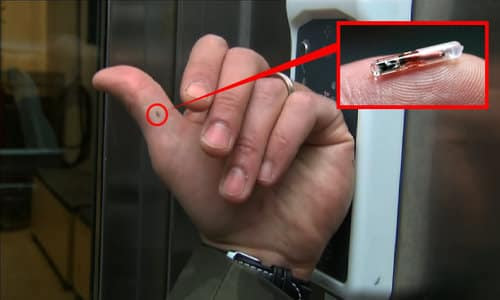
Every now and then, a story comes along that sounds more like satire than news. Such was the case this month when Zi Teng Wang–a Missouri magician and molecular biologist–confessed online that he had lost the password to the microchip implanted in his own hand. Yes, you read that correctly. A chip… in his hand… that he can no longer control.
At first glance, it’s an amusing cyberpunk mishap. Wang, who goes by Zi the Mentalist, originally embedded an RFID chip between his thumb and index finger years ago as part of a magic routine. The idea was clever: an audience member could tap a phone to his hand and activate a trick. But the execution was less than magical. Phones differ in where their RFID readers are located, many people disable the feature, and tapping someone’s hand repeatedly kills the mystery pretty quickly.
So Wang repurposed the chip, linking it to a Bitcoin address and later to an Imgur meme. But when the image link went down and he tried to rewrite the chip, he discovered something chilling:
he had forgotten the password to the device inside his own body.
His tech friends told him the only way to unlock it now would be to strap an RFID reader to his hand for days–or weeks–and brute-force every possible password combination. In the meantime, the device is locked permanently inside him, functional but inaccessible. An inconvenience, yes. But also a strange parable for our times.
Because what seems like comic relief is actually a flashing red reminder of just how far technology has crept beneath our skin–literally.
From a Joke to a Warning
Zi Wang’s plight would be little more than a funny headline if it weren’t part of a much larger story unfolding around the world. In Sweden, thousands of citizens have already had microchips implanted in their hands to access transit, open office doors, store personal identification data, and even buy snacks from vending machines. European tech companies have hosted “implant parties,” where volunteers line up to receive NFC chips the way people once lined up for the newest iPhone.
In the United States, several companies have experimented with optional employee implants for building access and digital payments. Even more significant is the rapid growth of biometric ID systems–facial scans, palm-vein signatures, retina recognition–that are being tied to banking, travel, and online access.
And of course, layered on top of all of this are the major shifts toward:
Central bank digital currencies (CBDCs)
Digital wallets required for government services
Biometric tattoos developed by major research groups
Implantable health sensors from Silicon Valley startups
Neural implants like Elon Musk’s Neuralink
Individually, these technologies seem impressive–sometimes even helpful. But together? They form a powerful ecosystem that is merging faster than most people realize.
And that’s where Bible prophecy readers feel their ears perk up.
The Quiet March Toward a Single, Universal “Mark”
For Christians who take Revelation seriously, none of this sounds far-fetched. Scripture describes a future where a global power demands not only identification and economic compliance, but loyalty–enforced through a mark on the right hand or on the forehead. A mark intertwined with commerce, control, and allegiance.
For decades, that seemed futuristic. Today, it sounds uncomfortably close.
The idea of a chip in the hand is no longer science fiction. European payment systems already allow it. Biometric tattoos–ink embedded with nanoscale circuitry–can store health data or authenticate identity. Digital currencies can be tracked, restricted, or programmed to expire. Governments are actively discussing digital IDs tied directly to financial systems.
The question is no longer “Could this ever happen?”
It has quietly become “How long until these systems merge into one?”
Once every part of life–identity, access, purchases, travel, healthcare–requires a digital credential, the infrastructure for a Revelation-style system is already in place. All it would take is a crisis, a charismatic leader, and a promise of safety and order.
Where This May Be Heading
Zi Wang’s locked-hand fiasco is humorous, but it exposes something serious: once technology crosses the boundary into the body, the rules change. Ownership changes. Access changes. Control changes.
Imagine a future where:
Your digital currency wallet is tied to a chip in your hand.
Your travel permissions are embedded in a biometric ID tattoo.
Your medical data is stored in a subdermal sensor.
Your loyalty to the governing system–political, ideological, or religious–is verified through your digital signature.
At that point, losing access to your internal tech isn’t just funny.
It’s catastrophic.
People would be unable to buy or sell–not because they forgot a password, but because the system locked them out.
Exactly as Revelation forewarns. Except this time it will be for more than technical reasons.
A Glimpse of What’s Coming
The world is not there yet. But the convergence is happening. Sweden has normalized chips. The EU is rolling out digital identity frameworks. The U.S. is piloting biometric payment systems. Silicon Valley is embedding tech under the skin while banks explore wallet-based digital currencies.
And in Missouri, a magician stares at an X-ray of the chip in his own hand and jokes that he has become “a useless cyborg.”
For prophecy watchers, it’s hard not to hear the whisper behind the humor:
The technology now exists. The infrastructure is being built. The world is being conditioned. The future described in Revelation is no longer impossible–it is increasingly plausible.
We’re not laughing anymore.
GOG AND MAGOG UPDATE
The Laser Age Of Warfare Has Arrived: Israel’s Silent Revolution In Defense
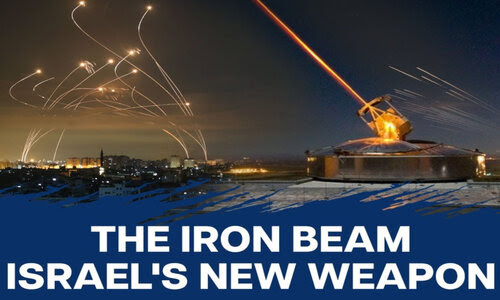
For decades, laser weapons lived in the realm of science fiction–more at home in Star Wars than on the modern battlefield. But that boundary quietly shattered one night on Israel’s northern border, when soldiers of the Dragon Battalion watched a Hezbollah drone twist violently in midair and fall from the sky with no explosion, no smoke trail, and no sound.
A laser shot it down.
Not a prototype. Not a test. A real interception in real combat conditions.
And it happened almost silently.
That moment marked the first operational use of high-energy laser weapons in world history–and it has triggered what Israeli defense officials are calling a revolution in warfare.
The First Laser Shootdown–and What It Means
The dramatic downing of that UAV was only the beginning. In the year since, Israel has confirmed nearly 40 successful laser interceptions, quietly rewriting the rules of air defense.
No missiles.
No massive interceptor batteries.
Just light–focused, stabilized, and fired with the precision of a surgeon’s scalpel.
Israel now fields multiple mobile laser units, including prototypes known as Iron Beam M (“Lahav Barzel”) and Lite Beam. These are not science experiments. They are already destroying incoming threats at a fraction of the cost of traditional interceptors.
How much cheaper?
An Iron Dome missile costs around $50,000.
A laser shot costs about 50 cents.
In warfare, that kind of economic shift isn’t just an upgrade–it’s a paradigm break.
How Israel’s Laser Weapons Work
While the physics are advanced, the concept is surprisingly simple:
Detection:
The system uses the same radar and command-and-control network as Iron Dome. It watches the sky, identifies a threat, and decides–instantly–whether to use a missile or a laser.
Target Lock:
Once it chooses laser interception, the system sends targeting data to a high-precision laser “director”–a rotating turret capable of tracking fast-moving objects.
Adaptive Optics:
This is the magic. Air distorts light (think of heat shimmer above a road). Israeli engineers developed real-time correction algorithms–adaptive optics–that adjust the beam mid-flight so it stays perfectly focused on the target.
Beam Combining:
Instead of one giant laser, the system merges multiple fiber-optic lasers into a single powerful beam. This “combined beam” hits 100 kilowatts of output–strong enough to melt metal in seconds.
Interception:
The laser holds its beam on the target until a wing, motor, or structural component fails. The drone loses stability and drops.
What’s astonishing is that all of this happens with almost no noise, no smoke, and no visible trace.
Operators only see the effect–the sudden breakup of a distant threat.
Why This Changes Everything
1. Cost–The Great Equalizer Breaker
Missile defense has always been expensive. Adversaries can launch cheap drones or rockets; defenders must respond with costly interceptors.
Lasers flip that equation.
Suddenly, launching swarms of drones becomes a losing strategy.
2. Unlimited “Ammo”
As long as a laser battery has power, it can keep firing. No trucks full of missiles. No resupply delays.
Electricity becomes the new ammunition.
3. Speed of Light Response
There is no travel time. No trajectory. No interception arc.
The beam fires and hits instantly–making it ideal for fast, low-flying drones, mortar shells, or rockets at short range.
4. Precision Without Detonation
Because lasers destroy structural components without explosive force, collateral damage drops dramatically.
5. Open Door to Future Systems
Israel’s engineers say this is just the beginning. Within years we may see:
Airborne laser platforms on drones and jets
Laser satellites intercepting ballistic missiles from orbit
Ground lasers disabling aircraft, armored vehicles, or launch sites
A decade ago, these ideas sounded like fantasy.
Now, after northern Israel’s silent shootdowns, they feel much closer.
The Dawn of a New Military Era
Israel’s laser systems–soon to be deployed widely under the name “Or Eitan” (Iron Beam)–are the world’s first operational high-energy laser defense battalions. They’ve already proven themselves under fire, outperforming expectations and fundamentally shifting the economics of war.
This doesn’t make traditional missile defense obsolete–Iron Dome and David’s Sling will remain essential for long-range threats and bad weather.
But it does signal something profound:
Warfare is entering the laser age.
A future where interception is cheap, silent, and nearly instantaneous.
A future where swarming drones become irrelevant.
A future where nations will need entirely new strategies–not just new weapons.
And like many revolutions, it didn’t begin with a noise, but with silence. A beam of light. A falling drone. And a battlefield changed forever.
TruLight Ministry News
TruLight Ministries orders from God since 2012 . Teach Them , Comfort Them and Warn Them!
////////////
TruLight Ministries opdrag vanaf God sedert 2012. Leer hulle, Troos hulle en Waarsku hulle!
Doctrine of Demons – Teaching for the Christian , Discerning the spirits
Share this Feeding of Manna with your Friends and Family. just click on the Social Media icon and share !