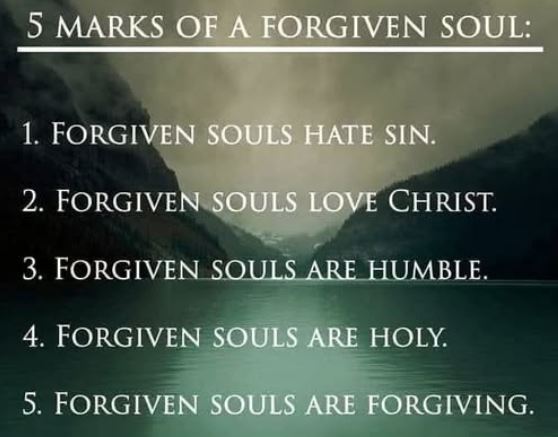
The book of James reminds us that faith involves action (James 2:14–18). One way believers express their faith in action is by working to win back other professing Christians who have lost their way: “My brothers and sisters, if any among you strays from the truth, and someone turns him back, let that person know that whoever turns a sinner from the error of his way will save his soul from death and cover a multitude of sins” (James 5:19–20, CSB).
James is speaking to fellow believers (“my brothers and sisters”) when he makes this promise: anyone who successfully turns a sinner from his sin covers a multitude of sins. “Covering sin” refers to the forgiveness of sin through the act of atonement. It means to put sin out of sight through the provision of a sufficient sacrifice. Psalm 32:1 says, “Blessed is the one whose transgressions are forgiven, whose sins are covered.”
When a wandering sinner turns from the error of his way back to the truth, that person is forgiven many sins. The word turns in James 5:20 indicates repentance from sin (see 2 Chronicles 6:24–25; Psalm 51:13; Luke 1:16). Christ’s all-sufficient sacrifice on the cross covers the sins of those who repent and receive His forgiveness (Luke 24:46–47).
What might James mean by “a multitude of sins”? When a person comes to know Jesus Christ as Savior, every sin is forgiven, the entire quantity of sins, of which God is fully aware of every one. The sacrifice of the Lord Jesus Christ covers them all. Our motivation behind winning back wanderers is love for those who are stumbling. “Above all, love each other deeply, because love covers over a multitude of sins,” states 1 Peter 4:8. James wants Christians to look out for each other and encourage one another to remain steadfast in their commitment to Christ and obedience to God. If we see someone getting tangled up in sin, we ought to consider ways to lead that person to repent and seek God’s forgiveness.
James doesn’t tell us how to go about restoring the one who strays from the truth, but we can start with prayer for the sinner to repent (Ephesians 6:18; James 5:13–18). We can also ask God to show us the best ways to support, encourage, and “spur one another on toward love and good deeds” (Hebrews 10:24–25; see also John 13:34–35).
When a sinner repents, he is saved from spiritual ruin. For this reason, James 5:20 says, “Whoever turns a sinner from the error of his way will save his soul from death.” Sin is the great destroyer of lives. James explains that “sin, when it is full-grown, gives birth to death” (James 1:15). When a person persists in a lifestyle of sin, he will eventually experience eternal death and separation from God (Romans 6:16, 23; 8:13; Galatians 5:19–21). Putting our faith in action to recover such a person is a worthwhile endeavor.
It’s essential to understand who James is talking about as “the sinner” here. James is writing about people who profess to know Christ. These are people who stray from the truth into doctrinal error and sin because they were never truly submitted to Christ’s lordship. They are like the seed thrown on shallow or rocky soil that withered with no root (Mark 4:1–9; Luke 8:4–8). These wanderers never accepted the authority of God’s kingdom over their lives by confessing faith in Jesus Christ as Lord and Savior.
Jesus spoke of such people not as true disciples, but as those who are deceived: “Not everyone who says to me, ‘Lord, Lord,’ will enter the kingdom of heaven, but only the one who does the will of my Father who is in heaven. Many will say to me on that day, ‘Lord, Lord, did we not prophesy in your name and in your name drive out demons and in your name perform many miracles?’ Then I will tell them plainly, ‘I never knew you. Away from me, you evildoers!’” (Matthew 7:21–23). When a Christian successfully turns a wandering sinner from his or her sin, covering a multitude of sins, that sinner is making a genuine conversion to faith in Jesus Christ.
Nevertheless, true believers can be enticed by Satan and entangled in sin (Hebrews 12:1). God calls mature Christians to come alongside weaker brothers and sisters who are struggling with sin (1 Thessalonians 5:6–11, 14–22; Philippians 2:4). If we can help them see the error of their way and turn from sin, they will avoid the devastation and destruction of a life of disobedience.
Die boek Jakobus herinner ons daaraan dat geloof aksie behels (Jakobus 2:14–18). Een manier waarop gelowiges hul geloof in aksie uitdruk, is deur te werk om ander belydende Christene wat hul pad verloor het, terug te wen: “My broers en susters, as een onder julle van die waarheid afdwaal en iemand hom bekeer, laat hom weet dat elkeen wat ‘n sondaar van sy dwaalweg bekeer, sy siel van die dood sal red en ‘n menigte sondes sal bedek” (Jakobus 5:19–20).
Jakobus praat met mede-gelowiges (“my broers en susters”) wanneer hy hierdie belofte maak: enigiemand wat ‘n sondaar suksesvol van sy sonde bekeer, bedek ‘n menigte sondes. “Om sonde te bedek” verwys na die vergifnis van sonde deur die daad van versoening. Dit beteken om sonde uit die oog te werp deur die voorsiening van ‘n voldoende offer. Psalm 32:1 sê: “Geseënd is die een wie se oortredings vergewe is, wie se sondes bedek is.”
Wanneer ‘n dwalende sondaar van sy dwaalweg terug na die waarheid bekeer, word daardie persoon baie sondes vergewe. Die woord draai in Jakobus 5:20 dui op bekering van sonde (sien 2 Kronieke 6:24–25; Psalm 51:13; Lukas 1:16). Christus se algenoegsame offer aan die kruis bedek die sondes van diegene wat berou het en Sy vergifnis ontvang (Lukas 24:46–47).
Wat sou Jakobus bedoel met “‘n menigte sondes”? Wanneer ‘n persoon Jesus Christus as Verlosser leer ken, word elke sonde vergewe, die hele hoeveelheid sondes, waarvan God ten volle bewus is van elkeen. Die offer van die Here Jesus Christus bedek hulle almal. Ons motivering agter die terugwen van dwalendes is liefde vir diegene wat struikel. “Bo alles moet julle mekaar innig liefhê, want die liefde bedek ‘n menigte sondes,” sê 1 Petrus 4:8. Jakobus wil hê dat Christene na mekaar moet omsien en mekaar moet aanmoedig om standvastig te bly in hul toewyding aan Christus en gehoorsaamheid aan God. As ons sien dat iemand in sonde verstrengel raak, behoort ons maniere te oorweeg om daardie persoon te lei om berou te hê en God se vergifnis te soek.
Jakobus sê nie vir ons hoe om die een wat van die waarheid afdwaal, te herstel nie, maar ons kan begin met gebed dat die sondaar hom sal bekeer (Efesiërs 6:18; Jakobus 5:13–18). Ons kan ook vir God vra om vir ons die beste maniere te wys om mekaar te ondersteun, aan te moedig en “mekaar aan te spoor tot liefde en goeie dade” (Hebreërs 10:24–25; sien ook Johannes 13:34–35).
Wanneer ‘n sondaar hom bekeer, word hy van geestelike ondergang gered. Om hierdie rede sê Jakobus 5:20: “Wie ‘n sondaar van sy dwaalweg bekeer, sal sy siel van die dood red.” Sonde is die groot vernietiger van lewens. Jakobus verduidelik dat “die sonde, as dit volgroeid is, die dood baar” (Jakobus 1:15). Wanneer ‘n persoon volhard in ‘n sondige leefstyl, sal hy uiteindelik die ewige dood en skeiding van God ervaar (Romeine 6:16, 23; 8:13; Galasiërs 5:19–21). Om ons geloof in aksie te plaas om so ‘n persoon te herstel, is ‘n waardevolle poging.
Dit is noodsaaklik om te verstaan van wie Jakobus hier as “die sondaar” praat. Jakobus skryf oor mense wat bely dat hulle Christus ken. Dit is mense wat van die waarheid afdwaal na leerstellige dwaling en sonde omdat hulle nooit werklik aan Christus se heerskappy onderwerp is nie. Hulle is soos die saad wat op vlak of rotsagtige grond gesaai is wat sonder wortel verdor het (Markus 4:1–9; Lukas 8:4–8). Hierdie swerwers het nooit die gesag van God se koninkryk oor hul lewens aanvaar deur geloof in Jesus Christus as Here en Verlosser te bely nie.
Jesus het van sulke mense nie as ware dissipels gepraat nie, maar as diegene wat mislei is: “Nie elkeen wat vir My sê: Here, Here, sal in die koninkryk van die hemele ingaan nie, maar net hy wat die wil doen van my Vader wat in die hemele is. Baie sal in daardie dag vir My sê: Here, Here, het ons nie in u Naam geprofeteer en in u Naam duiwels uitgedryf en in u Naam baie wonderwerke gedoen nie? Dan sal Ek hulle ronduit sê: Ek het julle nooit geken nie. Gaan weg van My, julle kwaaddoeners!” (Matteus 7:21–23). Wanneer ‘n Christen ‘n dwalende sondaar suksesvol van sy of haar sonde bekeer en ‘n menigte sondes bedek, maak daardie sondaar ‘n ware bekering tot geloof in Jesus Christus.
Nietemin kan ware gelowiges deur Satan verlei en in sonde verstrengel word (Hebreërs 12:1). God roep volwasse Christene om saam met swakker broers en susters te kom wat met sonde worstel (1 Tessalonisense 5:6–11, 14–22; Filippense 2:4). As ons hulle kan help om die fout van hulle weg te sien en van sonde af te draai, sal hulle die verwoesting en vernietiging van ‘n lewe van ongehoorsaamheid vermy.

Bible Verse and Prayer for Today
Just as each of us has one body with many members, and these members do not all have the same function, so in Christ we who are many form one body, and each member belongs to all the others.
—Romans 12:4-5
An arm detached from a living body is just a dead and useless body part. Fingers detached from the hand can’t write, grasp, work, or paint. A foot detached from a living body can’t walk. We belong to each other because we need each other. We belong to each other because we belong to Christ, who holds his Body together and fills it with life because of his leadership and grace. We find our freedom to be what God has made us to be when we walk in harmony with each other and follow the lead of Christ, who is our Head! The Body of Christ finds its purpose and usefulness as each part offers itself to the Body for the good of the Body. We as disciples discover our usefulness when we offer ourselves to the rest of the Body and the work of the Lord.
Prayer
Dear Father, thank you for making me a part of something that is living, dynamic, powerful, and eternal. Thank you for giving me special abilities and gifts to use for the Body of Christ. Please help me find and use my gifts and abilities for the good of your people and to glorify Jesus, my Lord, in whose name I pray. Amen and Amen
Bybel Vers en Gebed vir Vandag
Net soos elkeen van ons een liggaam met baie lede het, en hierdie lede nie almal dieselfde funksie het nie, so vorm ons wat baie is in Christus een liggaam, en elke lid behoort aan al die ander.
—Romeine 12:4-5
’n Arm wat losgemaak is van ’n lewende liggaam is net ’n dooie en nuttelose liggaamsdeel. Vingers wat losgemaak is van die hand kan nie skryf, gryp, werk of skilder nie. ’n Voet wat losgemaak is van ’n lewende liggaam kan nie loop nie. Ons behoort aan mekaar omdat ons mekaar nodig het. Ons behoort aan mekaar omdat ons aan Christus behoort, wat sy Liggaam bymekaar hou en dit met lewe vul as gevolg van sy leierskap en genade. Ons vind ons vryheid om te wees wat God ons gemaak het om te wees wanneer ons in harmonie met mekaar wandel en die leiding van Christus volg, wat ons Hoof is! Die Liggaam van Christus vind sy doel en nut soos elke deel homself aan die Liggaam aanbied vir die beswil van die Liggaam. Ons as dissipels ontdek ons nut wanneer ons onsself aan die res van die Liggaam en die werk van die Here aanbied.
Gebed
Liewe Vader, dankie dat U my deel maak van iets wat lewend, dinamies, kragtig en ewig is. Dankie dat U my spesiale vermoëns en gawes gee om te gebruik vir die Liggaam van Christus. Help my asseblief om my gawes en vermoëns te vind en te gebruik vir die goeie van u mense en om Jesus, my Here, in wie se Naam ek bid, te verheerlik. Amen en Amen.
Bible Teaching of the Day
Salvation begins the moment we receive, by faith, God’s offer of forgiveness through the death and resurrection of His Son, Jesus (Ephesians 2:8–9; John 1:12). Jesus called it being “born again” (John 3:3). In repenting and giving up our old life, we receive the new life Jesus purchased for us with His blood (2 Corinthians 5:17, 21). We are washed clean, and God chooses to remember our sins no more (Psalm 103:12). But we soon notice that our propensity to sin is still part of us. How can that be, since we are new creatures in Christ? We still sin because we, though forgiven, are still fallen human beings.
Salvation breaks the power that sin once had over us. We were slaves to sin and served it willingly (Romans 6:20–23, 7:14–15). While slaves to sin, it was impossible to please God (Romans 8:8). Regardless of how often we turned over a new leaf, straightened up, went to church, or performed righteous deeds, our souls were still enslaved to unrighteousness and we stood as condemned before God.
Upon surrender of our lives to the lordship of Jesus, we became God’s sons and daughters (Ephesians 1:5; Romans 8:15). But just as children sometimes disobey their parents as they grow, God’s children sometimes disobey Him. We rebel, get angry, or doubt for a while; the difference is, we can no longer live lifestyles of sin because our nature has changed (2 Corinthians 5:17; 1 John 3:4–10). A fish may long to live on the beach, but once it has flipped itself onto the sand, it wants nothing but to return to the water because its nature is not designed for dry land. A fish was created for the water. So it is with us. The nature of those indwelt by the Holy Spirit is to live in righteousness. We may flip ourselves into sin at times, but we can’t survive there. The new nature thrives in righteousness and obedience to God. The degree to which we allow the Holy Spirit access to every area of our lives is the degree to which we live as God intended us to live.
Good parents don’t let their toddler play on the highway. They may start with a stern warning, but if the child persists in heading toward the road, good parents come after him, and the discipline will be memorable and effective. So it is when we, as God’s children, stiffen our necks and charge toward evil. Our Father comes after us. God does not allow us to get away with sin because He is a good Father. Hebrews 12:5–11 says that God’s discipline in our lives is one way we can tell that we belong to Jesus.
To the praise of God’s glory, after we are saved, God deals with our sin differently than He did before we were saved. First John 1:9 tells us that we can confess our sin and be forgiven. Confession means we humbly agree with God about how bad sin is. We admit we were wrong and ask His forgiveness. The awareness of our sin and the confession of it should be a regular practice. The first of Martin Luther’s 95 Theses says, “When our Lord and Master Jesus Christ said ‘Repent,’ he intended that the entire life of believers should be repentance.” God can pardon us and maintain His justice because our sin was already paid for by Jesus. There is no need to punish us because He has already punished His Son (Colossians 2:14).
As we “grow in grace and in the knowledge of our Lord and Savior Jesus Christ” (2 Peter 3:18), we overcome besetting sins (Hebrews 12:1). Peter lists steps we can take in developing our new nature and ends with the promise that, if we do these things, we “will never stumble” (2 Peter 1:3–10). Our holiness is the goal, but John acknowledges that we still sin: “My dear children, I write this to you so that you will not sin. But if anybody does sin, we have an advocate with the Father—Jesus Christ, the Righteous One” (1 John 2:1).
God’s desire for us is that we not sin, and one day our sanctification will be complete (1 John 3:2). But, until that time, we still inhabit fallen bodies in a fallen world, and we struggle with the flesh and sometimes lose the battle. But we will not be lost; Jesus Himself intercedes for us as our High Priest (Romans 8:34).
Bybel Lering vir die Dag
Redding begin die oomblik wat ons, deur geloof, God se aanbod van vergifnis ontvang deur die dood en opstanding van Sy Seun, Jesus (Efesiërs 2:8–9; Johannes 1:12). Jesus het dit “wedergebore” genoem (Johannes 3:3). Deur berou te toon en ons ou lewe prys te gee, ontvang ons die nuwe lewe wat Jesus vir ons gekoop het met Sy bloed (2 Korintiërs 5:17, 21). Ons word skoongewas, en God kies om nie meer aan ons sondes te dink nie (Psalm 103:12). Maar ons merk gou op dat ons geneigdheid tot sonde steeds deel van ons is. Hoe kan dit wees, aangesien ons nuwe skepsels in Christus is? Ons sondig steeds omdat ons, alhoewel vergewe, steeds gevalle mense is.
Redding breek die mag wat sonde eens oor ons gehad het. Ons was slawe van sonde en het dit gewilliglik gedien (Romeine 6:20–23, 7:14–15). Terwyl ons slawe van sonde was, was dit onmoontlik om God te behaag (Romeine 8:8). Ongeag hoe gereeld ons ‘n nuwe blaadjie omgeslaan het, regop gestaan het, kerk toe gegaan het of regverdige dade verrig het, was ons siele steeds verslaaf aan ongeregtigheid en het ons as veroordeeldes voor God gestaan.
Met die oorgawe van ons lewens aan die heerskappy van Jesus, het ons God se seuns en dogters geword (Efesiërs 1:5; Romeine 8:15). Maar net soos kinders soms hul ouers ongehoorsaam is soos hulle grootword, is God se kinders soms ongehoorsaam aan Hom. Ons rebelleer, word kwaad of twyfel vir ‘n rukkie; die verskil is, ons kan nie meer ‘n sondige lewenstyl lei nie, want ons natuur het verander (2 Korintiërs 5:17; 1 Johannes 3:4–10). ‘n Vis mag verlang om op die strand te woon, maar sodra dit homself op die sand omgekeer het, wil dit niks anders hê as om na die water terug te keer nie, want sy natuur is nie vir droë grond ontwerp nie. ‘n Vis is vir die water geskape. So is dit ook met ons. Die natuur van diegene wat deur die Heilige Gees bewoon word, is om in geregtigheid te leef. Ons mag onsself soms in sonde verander, maar ons kan nie daar oorleef nie. Die nuwe natuur floreer in geregtigheid en gehoorsaamheid aan God. Die mate waarin ons die Heilige Gees toegang tot elke area van ons lewens gee, is die mate waarin ons leef soos God bedoel het ons moet leef.
Goeie ouers laat nie hul kleuter op die snelweg speel nie. Hulle begin dalk met ‘n streng waarskuwing, maar as die kind volhard om op die pad te gaan, kom goeie ouers agter hom aan, en die dissipline sal onvergeetlik en effektief wees. So is dit wanneer ons, as God se kinders, ons nekke styf maak en na die kwaad toe hardloop. Ons Vader kom agter ons aan. God laat ons nie toe om met sonde weg te kom nie, want Hy is ‘n goeie Vader. Hebreërs 12:5–11 sê dat God se dissipline in ons lewens een manier is waarop ons kan sien dat ons aan Jesus behoort.
Tot lof van God se heerlikheid, nadat ons gered is, hanteer God ons sonde anders as voordat ons gered is. 1 Johannes 1:9 sê vir ons dat ons ons sonde kan bely en vergewe kan word. Belydenis beteken dat ons nederig met God saamstem oor hoe erg sonde is. Ons erken dat ons verkeerd was en vra Sy vergifnis. Die bewustheid van ons sonde en die belydenis daarvan behoort ‘n gereelde praktyk te wees. Die eerste van Martin Luther se 95 Stellings sê: “Toe ons Here en Meester Jesus Christus gesê het: ‘Bekeer julle,’ het Hy bedoel dat die hele lewe van gelowiges bekering moet wees.” God kan ons vergewe en Sy geregtigheid handhaaf omdat ons sonde reeds deur Jesus betaal is. Daar is geen nodigheid om ons te straf nie, want Hy het reeds Sy Seun gestraf (Kolossense 2:14).
Soos ons “toeneem in genade en in kennis van ons Here en Verlosser Jesus Christus” (2 Petrus 3:18), oorkom ons boesemsondes (Hebreërs 12:1). Petrus lys stappe wat ons kan neem om ons nuwe natuur te ontwikkel en eindig met die belofte dat, as ons hierdie dinge doen, ons “nooit sal struikel nie” (2 Petrus 1:3–10). Ons heiligheid is die doel, maar Johannes erken dat ons steeds sondig: “My liewe kinders, ek skryf dit aan julle sodat julle nie moet sondig nie. Maar as iemand sondig, ons het ‘n Voorspraak by die Vader, Jesus Christus, die Regverdige” (1 Johannes 2:1).
God se begeerte vir ons is dat ons nie sondig nie, en eendag sal ons heiligmaking volkome wees (1 Johannes 3:2). Maar tot dan toe bewoon ons steeds gevalle liggame in ‘n gevalle wêreld, en ons worstel met die vlees en verloor soms die stryd. Maar ons sal nie verlore gaan nie; Jesus self tree vir ons in as ons Hoëpriester (Romeine 8:34).
Today’s Devotional
Some form of the word presumptuous appears eight times in the King James Version (KJV). The word indicates intentionality and audacity in rebellion. A presumptuous sin can be committed by a single person (Exodus 21:14; Numbers 15:30; Deuteronomy 17:12; 18:22; Psalm 19:13), multiple people (2 Peter 2:10), or the entire nation of Israel (Deuteronomy 1:43; 17:13).
The phrase presumptuous sins is found only once in the KJV. Most older translations use the word presumptuous, while newer translations instead use deliberate, willful, arrogant, insolent, flagrant, or similar words. Here is the passage in the Revised Standard Version, including the previous verse for context: “Who can discern his errors? Clear thou me from hidden faults. Keep back thy servant also from presumptuous sins; let them not have dominion over me. Then I shall be blameless, and innocent of great transgression” (Psalm 19:12–13).
The author of Psalm 19, King David, presents two types of sin, hidden (unintentional, accidental, secret, unseen by the sinner) and presumptuous (deliberate, intentional). We all know that our intentional sins need God’s forgiveness (Exodus 32:33; Mark 3:29). But God’s perfect law also requires our unintentional sins to be atoned for (Leviticus 4; 5:17; Numbers 15:22–29). So, David humbly prays to God for protection from and forgiveness of both kinds of sin, knowing his own human weakness and powerlessness against this enemy, this disease of the soul, this foreign invader in all humans (1 John 1:8).
Presumptuous sins are deliberate. They are committed with the full knowledge that they are sins and in full light of what God has said. Presumptuous sins are premeditated. There is intent to sin and a time of deliberation before the act. Presumptuous sins can only be committed in suppression of the conscience and in spite of its appeals. Those who sin presumptuously say, in effect, “I’m going to do this, and nothing is going to stop me. I know what God says about it, and I don’t care if it’s wrong. I’m going to do it anyway.”
Presumptuous sins—sins committed in willful defiance of God—are a grave offense. In fact, Numbers 15:30–31, the Old Testament law specified that someone guilty of willful, defiant sin was to be “cut off from among his people” (NKJV). Charles Spurgeon pointed out, “All sins are great sins, but yet some sins are greater than others. . . . While all transgression is a greatly grievous sinful thing, yet there are some transgressions which have a deeper shade of blackness, and a more double scarlet-dyed hue of criminality than others” (from Sermon 135, New Park Street Pulpit, Volume 3). A presumptuous sin would certainly have a “deeper shade.”
Presumptuous sin is committed in direct contradiction to what a person knows is true. We can know that something is wrong—we’ve spoken out against it, and we’ve counseled others to avoid it—but, given opportunity, temptation, and a moment of weakness, we can succumb to the very sin we were sure we would never commit. We knew it was wrong, even as we were doing it, but that knowledge did not prevent us from deliberately moving forward in our sin. It’s almost inexplicable, until we remember the nature of the human heart.
Committing presumptuous sin does great damage to one’s relationship with the Lord. But there is forgiveness available in Christ. God is merciful to the repentant: “Let the wicked forsake their ways and the unrighteous their thoughts. Let them turn to the Lord, and he will have mercy on them, and to our God, for he will freely pardon” (Isaiah 55:7). Peter, who grievously denied the Lord three times, was restored, and God’s plan for him continued. David, who murdered a man and took his wife, was forgiven and restored to a place of blessing. God can forgive all sin in Christ (1 John 1:7–9).
Vandag se Bemoediging
‘n Vorm van die woord “vermetel” verskyn agt keer in die King James-weergawe (KJV). Die woord dui op opsetlikheid en vermetelheid in rebellie. ‘n Vermetele sonde kan deur ‘n enkele persoon gepleeg word (Eksodus 21:14; Numeri 15:30; Deuteronomium 17:12; 18:22; Psalm 19:13), verskeie mense (2 Petrus 2:10), of die hele nasie van Israel (Deuteronomium 1:43; 17:13).
Die frase “vermetele sondes” word slegs een keer in die KJV aangetref. Die meeste ouer vertalings gebruik die woord “vermetel”, terwyl nuwer vertalings eerder “opsetlik”, “moedswillig”, “arrogant”, “onbeskof”, “flagrant” of soortgelyke woorde gebruik. Hier is die gedeelte in die Hersiene Standaardweergawe, insluitend die vorige vers vir konteks: “Wie kan sy foute onderskei? Reinig my van verborge foute. Hou u dienaar ook terug van vermetele sondes; laat hulle nie oor my heers nie. Dan sal ek onberispelik wees en onskuldig aan groot oortreding” (Psalm 19:12–13).
Die outeur van Psalm 19, koning Dawid, bied twee tipes sonde aan, verborge (onopsetlik, toevallig, geheim, ongesien deur die sondaar) en vermetel (opsetlik, opsetlik). Ons weet almal dat ons opsetlike sondes God se vergifnis nodig het (Eksodus 32:33; Markus 3:29). Maar God se perfekte wet vereis ook dat ons onopsetlike sondes versoen word (Levitikus 4; 5:17; Numeri 15:22–29). So bid Dawid nederig tot God vir beskerming teen en vergifnis van beide soorte sonde, wetende sy eie menslike swakheid en magteloosheid teen hierdie vyand, hierdie siekte van die siel, hierdie vreemde indringer in alle mense (1 Johannes 1:8).
Vermoedelike sondes is doelbewus. Hulle word gepleeg met die volle wete dat hulle sondes is en in die volle lig van wat God gesê het. Vermoedelike sondes is vooraf beplan. Daar is die bedoeling om te sondig en ‘n tyd van oorweging voor die daad. Vermoedelike sondes kan slegs gepleeg word in onderdrukking van die gewete en ten spyte van die appèlle daarvan. Diegene wat vermoedelik sondig, sê in werklikheid: “Ek gaan dit doen, en niks gaan my keer nie. Ek weet wat God daaroor sê, en ek gee nie om of dit verkeerd is nie. Ek gaan dit in elk geval doen.”
Vermoedelike sondes – sondes wat in opsetlike verset teen God gepleeg word – is ‘n ernstige oortreding. Trouens, Numeri 15:30–31, die Ou Testamentiese wet, het gespesifiseer dat iemand wat skuldig is aan opsetlike, uitdagende sonde “uit sy volk uitgesny” moes word (NKJV). Charles Spurgeon het daarop gewys: “Alle sondes is groot sondes, maar tog is sommige sondes groter as ander. . . . Terwyl alle oortreding ‘n baie ernstige sondige ding is, is daar tog sommige oortredings wat ‘n dieper skakering van swartheid het, en ‘n meer dubbel skarlakenrooi skakering van misdadigheid as ander” (uit Preek 135, New Park Street Pulpit, Deel 3). ‘n Vermetele sonde sou beslis ‘n “dieper skakering” hê.
Vermetele sonde word gepleeg in direkte teenstrydigheid met wat ‘n persoon weet waar is. Ons kan weet dat iets verkeerd is – ons het daarteen uitgespreek, en ons het ander aangeraai om dit te vermy – maar, gegewe geleentheid, versoeking en ‘n oomblik van swakheid, kan ons swig voor die einste sonde waarvan ons seker was ons nooit sou pleeg nie. Ons het geweet dit was verkeerd, selfs terwyl ons dit gedoen het, maar daardie kennis het ons nie gekeer om doelbewus vorentoe te beweeg in ons sonde nie. Dit is amper onverklaarbaar, totdat ons die aard van die menslike hart onthou.
Om vermetele sonde te pleeg, doen groot skade aan ‘n mens se verhouding met die Here. Maar daar is vergifnis beskikbaar in Christus. God is genadig teenoor die berouvolles: “Laat die goddelose hulle weë verlaat en die onregverdige hulle gedagtes. Laat hulle hulle tot die Here bekeer, dan sal Hy hulle barmhartig wees, en tot onse God, want Hy vergewe vrylik” (Jesaja 55:7). Petrus, wat die Here drie keer grof verloën het, is herstel, en God se plan vir hom het voortgeduur. Dawid, wat ‘n man vermoor en sy vrou geneem het, is vergewe en herstel tot ‘n plek van seën. God kan alle sonde in Christus vergewe (1 Johannes 1:7–9).
The Collectors of Manna – Women of the Word // Gaarders van Manna – Vroue van die woord
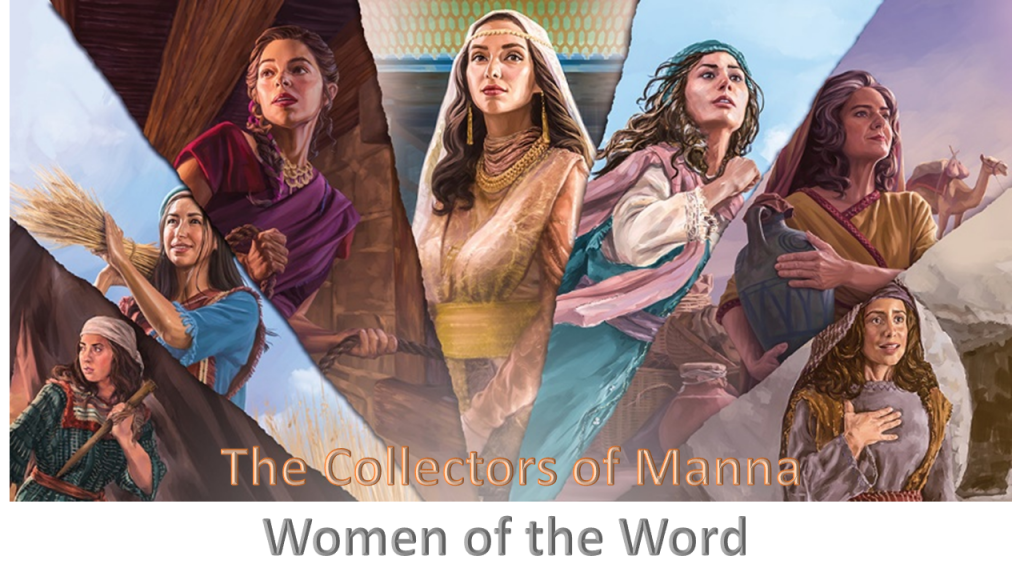
Dilize Light has Managed a TruLight Ladies Group on Telegram for the Past 6 Years and from Today . she will be Sharing her Manna with the Ladies in The TruLight Daily Manna Platform . Dilize is the only Daughter of Pastor Dirk and has been part of the Ministry since the age of 11 . Dilize is also the Radio Host for the Popular TruLight Top 10 that airs on TruLight Radio XM saturdays at 17h00′
Dilize Light bestuur die afgelope 6 jaar ‘n TruLight Damesgroep op Telegram en van vandag af sal sy haar Manna met die Dames deel op die TruLight Daaglikse Manna-platform. Dilize is die enigste dogter van Pastoor Dirk en is deel van die bediening sedert die ouderdom van 11. Dilize is ook die radio-aanbieder vir die gewilde TruLight Top 10 wat Saterdae om 17:00 op TruLight Radio XM uitgesaai word.
Wonderlik Geskape:
As jy gaan vir n oogtoets het die oogarts n instrument wat n foto van die agterkant van die binneste gedeelte van jou oog neem.
Dit verstom my dat n kamera so iets kan doen. Hulle kan baie besonderhede oor jou algemene gesondheid vasstel, deur net na die agterkant van jou oog te kyk.
Om te dink dat n mens iets van jou algemene gesondheid kan wys word, deur die gesondheid van die oog te bekyk.
Watter besondere sorg het die Here geneem toe Hy al hierdie besonderhede in die geskape liggame geplaas het. Dit het my onmiddelik aan die woorde van Dawid, die Psalmdigter laat dink, hy wat God se skeppingsmag en kreatiwiteit besing het. Ek wil U loof, want U het my op n wonderbaarlike wyse geskep. Wat U gedoen het, vervul my met verwondering ( Psalm 139:1 ).
Die geweldige kompleksiteit van ons liggame reflekteer die geniale wysheid van ons almagtige Skepper. Die wonder van sy ontwerpe is absoluut asemrowend dit gee ons soveel redes om Hom te loof en prys.
Alle lewe is deur God geskep en dra sy handtekening.
Wonderfully Created:
When you go for an eye exam, the eye doctor has an instrument that takes a picture of the back of the inner part of your eye.
It amazes me that a camera can do something like that. They can determine so much detail about your overall health just by looking at the back of your eye.
To think that you can tell something about your overall health by looking at the health of your eye.
What special care the Lord took when He put all these details into the created bodies. It immediately reminded me of the words of David, the Psalmist, who sang of God’s creative power and creativity. I will praise you, for I am fearfully and wonderfully made. I am filled with awe at your works (Psalm 139:1).
The immense complexity of our bodies reflects the ingenious wisdom of our almighty Creator. The wonder of His designs is absolutely breathtaking, giving us so many reasons to praise and glorify Him.
All life was created by God and bears his signature.

TruLight Ministries Daily Entertainment
TruLight TV – Gaither Vocal Band – Then Came Morning (Live Concert)
Bill Gaither, the founder of one of gospel’s most successful groups, the Gaither Vocal Band, is delighted to showcase his favorite gospel music during “Gaither Gospel Hour”.
Today on TruLight Radio XM
TruLight Radio XM 24/7
Program
GMT / UTC +2
Monday To Fridays
00:15 Words to Live By Testimonies
01.15 Science Scripture and Salvation
02.15 Ground Works
04.00 Gospel Concert of the Day
05.00 The Daren Streblow Comedy Show
5:55 It is Today devotional
6:00 Gaither Homecoming Morning Show
7:15 Discover the Word
8.15 Destined for Victory
8:55 Science Scripture and Salvation
9:00 Holy Spirit Hour – Normally Sermons
10:15 Hope of the Heart
11:15 Unshackled
11.45 Words to Live By
12:15 Truth for Life
13:15 Living on the Edge with Chip Ingram
14:15 Focus on the Family
15:00 Kids Hour
16:00 In Touch with Dr. Charles Stanley
16:30 Groundwork
17:15 Live in the Light
18:15 Renewing your Mind
19:00 Gaither Homecoming Show
20:15 Growing Hope
21:15 Adventures in Odyssey Radio Drama
21:45 Bible Reading
22:15 Nightsounds
23.00 Good Old Country Gospel / Rhema Gospel Express
VISIT THE WEBSITE
https://TruLightRadioXM.org.za

BIBLE PROPHECY IN THE NEWS
satan Loves Abortion ! Now this !
Activists Call For Child Euthanasia, No Parental Consent For Older Minors

In 2016, Canada legalized euthanasia “for people whose natural death was ‘reasonably foreseeable’ and wanted to end their lives.” Less than a decade later, that definition has radically expanded–so much so that 1 in 20 deaths in Canada in 2023 were from euthanasia–and activists want it broadened still further to even include children as young as 12 years old! As we have warned, once the door is opened a crack, it will then be opened wider and wider.
Dying With Dignity Canada, a euthanasia (actually, murder) activist group, believes that “maturity” rather than age should determine who is eligible for medical assistance in dying and “recommends minors as young as 12 be included in the program, and goes as far as to suggest 16 and 17-year-olds shouldn’t even need parental consent to be killed by a doctor if they fit broad criteria.”
But why draw an arbitrary line at 12 years old? Why not younger? And we’ve already seen activists pushing for parents to be allowed to end the lives of disabled newborns and babies (and, of course, abortion is legal at any stage of pregnancy across Canada already). Yes, it’s a slippery slope when humans decide to be their own authority for who lives and dies.
Euthanasia is presented as the compassionate response to suffering, but really it’s just another way to package murder: the purposeful taking of an innocent human life. But it’s God, not humans, who defines compassion–and it does not include killing elderly, disabled, sick, or mentally ill men, women, and children. The Bible is clear on that point when it simply states, “You shall not murder” (Exodus 20:13). Christians must abide by this foundational principle God gives in his Word.
The slippery slope of euthanasia will only continue in Canada, because if your highest ethic is personal autonomy and consent, then ultimately “anything goes” as long as someone wants it (the provision of consent is in place for now anyway!). It’s another version of being our own gods (the same temptation Adam and Eve fell for in the garden as we read in Genesis 3:5) and thumbing our noses at the true God, who is the Author of life and determines our days.
When we try to be God, the results are disastrous and are always most costly to the most vulnerable, such as those suffering from illness. Instead of trying to be God ourselves, we must subject our “wisdom” to the true wisdom of the Scriptures, given to us by the one true God.
SIGNS OF THE TIMES
Queering Outdoor Education: Teachers Now Using Nature As LGBT Propaganda

British Columbia’s public school teacher’s union has proposed a solution to those who object to radical sex education curriculum: just make everything queer – including the outdoors.
Tristin Hopper of the National Post broke the story this week in his Canadian politics newsletter, “First Reading.” A BC Teachers’ Federation publication, Teacher Magazine, featured an article by Jody Polukoshko titled, “Queering outdoors education.” Polukoshko is “a Vancouver teacher and past president of the Vancouver Elementary and Adult Educator’s Society.”
Polukoshko, Hopper noted, “invites B.C.’s approximately 50,000 public school teachers to employ leaves, seeds, and even clouds towards ‘debunking the universality of heterosexuality in nature.'” According to Polukoshko, this should start in kindergarten. Her article highlights just how thoroughly the BC Teachers’ Federation has been captured by LGBT activists. Polukoshko writes:
Working within the current backlash against SOGI (sexual orientation and gender identity) in schools, and against 2SLGBTQIA+ rights, it’s essential that we demystify and move SOGI work out of the silos of humanities and physical health and into our day-to-day teaching, inclusive practice, and relationship building. This also means a critical examination of some of the performative allyship and pink-washing that affects activists working for fundamental social change.
TruLight Ministry News
TruLight Ministries orders from God since 2012 . Teach Them , Comfort Them and Warn Them!
////////////
TruLight Ministries opdrag vanaf God sedert 2012. Leer hulle, Troos hulle en Waarsku hulle!
Doctrine of Demons – Teaching for the Christian , Discerning the spirits
Share this Feeding of Manna with your Friends and Family. just click on the Social Media icon and share !