
The life of Jesus Christ exemplified obedience. He came to earth to fulfill His heavenly Father’s will no matter how painful the task set before Him. Nonetheless, Jesus spoke honestly with God when faced with His crucifixion: “Father, if you are willing, please take this cup of suffering away from me” (Luke 22:42, NLT). In His human state, Jesus did not want to endure a torturous death. Yet in the same breath, He prayed, “Not my will, but yours be done” (Luke 22:42).
This scene in Gethsemane records one of the most desperate hours of anguish in the life of Christ (Matthew 26:36–46; Mark 14:32–42; Luke 22:40–46). He told His disciples, “My soul is overwhelmed to the point of death” (Mark 14:34). Worse than the thought of death, Jesus, in His humanity, must have dreaded the thought of bearing the sins of the world (1 Peter 2:24). In the garden, the Lord fell to the ground flat on His face and offered God this desperate cry of His soul: “My Father, if it is possible, may this cup be taken from me. Yet not as I will, but as you will” (Matthew 26:39).
Christ’s words and actions here serve as a great comfort to us, His followers. God wants His children to pour out their hearts to Him in sincerity (Psalm 62:8). He is our refuge, our safe haven. Like Jesus, we can reveal the deepest longings in our hearts to our loving heavenly Father. He knows what we are feeling, and we can trust Him to carry the burdens of our souls.
Facing the cross, Jesus was able to pray, “Not my will, but yours be done” because He was wholly submitted to His Father’s will. “My food,” He had said, “is to do the will of him who sent me and to finish his work” (John 4:34). “By myself I can do nothing,” explained Jesus, “for I seek not to please myself but him who sent me” (John 5:30).
Obedience to God’s will was central to Christ’s mission. He told His disciples, “For I have come down from heaven not to do my will but to do the will of him who sent me” (John 6:38). Hundreds of years before, Scripture foretold Christ’s destiny to come to earth and do God’s will (Hebrews 10:5–7; cf. Psalm 40:6–8).
For Christ’s followers, “Not my will, but yours be done” is the definitive prayer that never fails. According to 1 John 5:14–15, we can pray with confidence “if we ask according to his will.” Praying God’s will guarantees that He hears us and will grant what we ask. In fact, one of the primary purposes of prayer is to allow the will of God to be accomplished and to bring glory and honor to His name on earth. Jesus taught His disciples to pray, “Our Father in heaven, hallowed be your name, your kingdom come, your will be done, on earth as it is in heaven” (Matthew 6:9–10). Those who pray this way, desiring God’s will above all else, reveal that they are indeed Christ’s disciples (Matthew 7:21; see also Matthew 12:50; Mark 3:35; Luke 8:21; John 15:10; Ephesians 6:6).
The apostle Paul encouraged Christians to seek the Holy Spirit’s help to pray in agreement with God’s will: “And the Holy Spirit helps us in our weakness. For example, we don’t know what God wants us to pray for. But the Holy Spirit prays for us with groanings that cannot be expressed in words. And the Father who knows all hearts knows what the Spirit is saying, for the Spirit pleads for us believers in harmony with God’s own will” (Romans 8:26–27, NLT). Paul also urged believers to “learn to know God’s will” for their lives because God’s will “is good and pleasing and perfect” (Romans 12:2, NLT).
When Jesus said, “Not my will, but yours be done,” He surrendered His own will to God’s, fully convinced that His Father knew what was best. When we pray this way, we yield ourselves to God’s wisdom, trusting Him to work out what’s best for our lives, too (Romans 8:28).
Die lewe van Jesus Christus het gehoorsaamheid geïllustreer. Hy het aarde toe gekom om die wil van Sy hemelse Vader te vervul, ongeag hoe pynlik die taak wat voor Hom gestel is. Nietemin het Jesus eerlik met God gepraat toe Hy voor Sy kruisiging te staan gekom het: “Vader, as U wil, neem dan hierdie lydensbeker van My af weg” (Lukas 22:42). In Sy menslike toestand wou Jesus nie ‘n folterende dood verduur nie. Tog het Hy in dieselfde asem gebid: “Laat nie my wil geskied nie, maar u wil” (Lukas 22:42).
Hierdie toneel in Getsemane teken een van die mees desperate ure van angs in die lewe van Christus op (Matteus 26:36–46; Markus 14:32–42; Lukas 22:40–46). Hy het vir Sy dissipels gesê: “My siel is oorweldig tot die dood toe” (Markus 14:34). Erger as die gedagte aan die dood, moes Jesus, in Sy menslikheid, die gedagte gevrees het om die sondes van die wêreld te dra (1 Petrus 2:24). In die tuin het die Here plat op Sy aangesig op die grond geval en hierdie desperate uitroep van Sy siel aan God gebied: “My Vader, as dit moontlik is, laat hierdie beker van My af weggeneem word. Nogtans nie soos Ek wil nie, maar soos U wil” (Matteus 26:39).
Christus se woorde en dade hier dien as ‘n groot vertroosting vir ons, Sy volgelinge. God wil hê dat Sy kinders hulle harte in opregtheid voor Hom moet uitstort (Psalm 62:8). Hy is ons toevlug, ons veilige hawe. Soos Jesus, kan ons die diepste verlangens in ons harte aan ons liefdevolle hemelse Vader openbaar. Hy weet wat ons voel, en ons kan Hom vertrou om die laste van ons siele te dra.
Teenoor die kruis kon Jesus bid: “Laat nie my wil geskied nie, maar u wil” omdat Hy geheel en al aan Sy Vader se wil onderwerp was. “My voedsel,” het Hy gesê, “is om die wil te doen van Hom wat My gestuur het en om sy werk te volbring” (Johannes 4:34). “Uit Myself kan Ek niks doen nie,” het Jesus verduidelik, “want Ek soek nie Myself tevrede nie, maar Hom wat My gestuur het” (Johannes 5:30).
Gehoorsaamheid aan God se wil was sentraal tot Christus se sending. Hy het vir Sy dissipels gesê: “Want Ek het uit die hemel neergedaal nie om my wil te doen nie, maar om die wil te doen van Hom wat My gestuur het” (Johannes 6:38). Honderde jare tevore het die Skrif Christus se bestemming voorspel om aarde toe te kom en God se wil te doen (Hebreërs 10:5–7; vgl. Psalm 40:6–8).
Vir Christus se volgelinge is “Nie my wil nie, maar u wil geskied” die definitiewe gebed wat nooit faal nie. Volgens 1 Johannes 5:14–15 kan ons met vertroue bid “as ons volgens sy wil vra.” Om God se wil te bid, waarborg dat Hy ons hoor en sal gee wat ons vra. Trouens, een van die primêre doelwitte van gebed is om die wil van God te laat volbring en om heerlikheid en eer aan Sy Naam op aarde te bring. Jesus het Sy dissipels geleer om te bid: “Onse Vader wat in die hemele is, laat u Naam geheilig word; laat u koninkryk kom; laat u wil geskied, soos in die hemel net so ook op die aarde” (Matteus 6:9–10). Diegene wat so bid en God se wil bo alles begeer, openbaar dat hulle inderdaad Christus se dissipels is (Matteus 7:21; sien ook Matteus 12:50; Markus 3:35; Lukas 8:21; Johannes 15:10; Efesiërs 6:6).
Die apostel Paulus het Christene aangemoedig om die Heilige Gees se hulp te soek om in ooreenstemming met God se wil te bid: “En die Heilige Gees staan ons ook in ons swakheid te hulp. Ons weet byvoorbeeld nie waarvoor God wil hê ons moet bid nie, maar die Heilige Gees bid vir ons met versugtinge wat nie in woorde uitgedruk kan word nie. En die Vader wat alle harte ken, weet wat die Gees sê, want die Gees pleit vir ons wat glo in ooreenstemming met God se wil” (Romeine 8:26–27). Paulus het gelowiges ook aangespoor om “God se wil te leer ken” vir hulle lewens, want God se wil is “goed en welgevallig en volmaak” (Romeine 12:2).
Toe Jesus gesê het: “Laat nie my wil geskied nie, maar u wil,” het Hy sy eie wil aan God s’n oorgegee, ten volle oortuig dat Sy Vader weet wat die beste is. Wanneer ons so bid, gee ons onsself oor aan God se wysheid en vertrou ons Hom om ook uit te werk wat die beste vir ons lewens is (Romeine 8:28).

Bible Verse and Prayer for Today
Glory in his holy name; let the hearts of those who seek the Lord rejoice.
—1 Chronicles 16:10
What brings you joy? What is your source of personal glory? Do you glory and rejoice in your accomplishments, your wealth, your status, your looks, your piety, your humility, your…? In the old hymn “Beneath the Cross of Jesus,” we each confess, “My glory, all the Cross.” That’s what Christians mean when we “Glory in his holy name.” Our full understanding of God’s holy name has dramatically been expanded by Jesus. He taught us to not only reverence the name of God but also call him “Abba” Father. Any other cause of joy and basis for boasting are merely passing illusions. For those whose hearts seek the Lord, glory is found in reverencing the holy name of the Father who gave up his precious Son so we could be his children. He loves us that much, and more: we will one day share in his glory (Colossians 3:1-4). Incredible!
Prayer
You have blessed me in many ways, Abba Father. How can I ever begin to thank you properly? I confess that I sometimes seek notoriety and glory even though I know such notoriety is fleeting and often only the false flattery of those who want something from me. But deep in my heart, dear God, I know my true glory is rooted in the adoption covenant you signed by your grace. Thank you! Words cannot capture my appreciation, but I look forward to being eternally grateful in your presence for all that you have done. May all glory be yours in heaven, throughout the earth, and in my life, now and forever. In the name of Jesus, I praise and thank you. Amen and Amen
Bybel Vers en Gebed vir Vandag
Roem in sy heilige Naam; laat die harte van diegene wat die Here soek, juig. —1 Kronieke 16:10
Wat bring jou vreugde? Wat is jou bron van persoonlike heerlikheid? Roem en verheug jy jou in jou prestasies, jou rykdom, jou status, jou voorkoms, jou vroomheid, jou nederigheid, jou…? In die ou gesang “Onder die Kruis van Jesus” bely ons elkeen: “My heerlikheid, die hele Kruis.” Dit is wat Christene bedoel wanneer ons “Roem in sy heilige Naam.” Ons volle begrip van God se heilige naam is dramaties uitgebrei deur Jesus. Hy het ons geleer om nie net die naam van God te eerbiedig nie, maar Hom ook “Abba” Vader te noem. Enige ander oorsaak van vreugde en basis vir roem is bloot verbygaande illusies. Vir diegene wie se harte die Here soek, word heerlikheid gevind in die eerbiediging van die heilige naam van die Vader wat sy kosbare Seun opgegee het sodat ons sy kinders kon wees. Hy het ons soveel lief, en meer: ons sal eendag in sy heerlikheid deel (Kolossense 3:1-4). Ongelooflik!
Gebed
U het my op baie maniere geseën, Abba Vader. Hoe kan ek ooit begin om U behoorlik te bedank? Ek bely dat ek soms bekendheid en heerlikheid soek, al weet ek dat sulke bekendheid vlietend is en dikwels net die valse vleiery van diegene wat iets van my wil hê. Maar diep in my hart, liewe God, weet ek dat my ware heerlikheid gewortel is in die aannemingsverbond wat U deur u genade onderteken het. Dankie! Woorde kan nie my waardering vasvang nie, maar ek sien uit daarna om ewig dankbaar te wees in u teenwoordigheid vir alles wat U gedoen het. Mag alle heerlikheid aan u behoort in die hemel, regdeur die aarde en in my lewe, nou en vir ewig. In die Naam van Jesus, prys en dank ek U. Amen en Amen.
Bible Teaching of the Day
“Thy will be done” is one of the requests in the Lord’s Prayer. In part, Jesus taught His disciples to pray, “Our Father in heaven, hallowed be your name, your kingdom come, your will be done, on earth as it is in heaven” (Matthew 6:9–10). Jesus Himself pleaded for God’s will to be done in the Garden of Gethsemane. Prior to His crucifixion, He prayed, “My Father, if it is possible, may this cup be taken from me. Yet not as I will, but as you will” (Matthew 26:39). Jesus was committed to seeing God’s will accomplished, and the prayer “Thy will be done” was a theme of His life.
Most simply, to pray, “Thy will be done,” is to ask God to do what He desires. Of course, we’re praying to the God who said, “Let there be light,” and there was light (Genesis 1:3), so we know that His sovereign decree will be accomplished, whether or not we pray for it. But there is another aspect of God’s will, which we call His “revealed” will or “preceptive” will. This is God’s “will” that He has revealed to us but that He does not force upon us. For example, it is God’s will that we speak the truth in love (Ephesians 4:15) and that we not commit adultery (1 Corinthians 6:18) or get drunk (Ephesians 5:18). When we pray, “Thy will be done,” we are asking God to increase righteousness in the world, to bring more people to repentance, and to further the cause of the kingdom of His Son.
When we pray, “Thy will be done,” we acknowledge God’s right to rule. We do not pray, “My will be done”; we pray, “Thy will be done.” Asking that God’s will be done is a demonstration of our trust that He knows what is best. It is a statement of submission to God’s ways and His plans. We ask for our will to be conformed to His.
The Lord’s Prayer begins by acknowledging God as Father in heaven. Jesus then models petition, presenting three requests to the Father: 1) That God would cause His name to be hallowed; in other words, as Albert Mohler explains, “that God would act in such a way that he visibly demonstrates his holiness and his glory” (The Prayer That Turns the World Upside Down: The Lord’s Prayer as a Manifesto for Revolution, p. 61). 2) That God would bring His kingdom to earth; that is, that the preaching of the gospel would convert sinners into saints who walk in the power of the Holy Spirit and that God would rid the world of evil and create the new heavens and new earth where God will dwell with His people and there will be no more curse and no more death (see Revelation 21—22). 3) That God’s will would be done “on earth as it is in heaven” (Matthew 6:10). In heaven, the angels perform God’s desire completely, joyfully, and immediately—what a world this would be if humans acted like that!
As a point of clarification, “Thy will be done” is not an impassive prayer of resignation. Jesus’ prayer in Gethsemane was not passive or fatalistic in the least; He bared His heart before the Father and revealed His ultimate desire: for God’s will to be accomplished. Praying, “Thy will be done,” acknowledges that God has more knowledge than we do and that we trust His way is best. And it is a commitment to actively work to further the execution of God’s will.
Romans 12:1–2 says, “Therefore, I urge you, brothers and sisters, in view of God’s mercy, to offer your bodies as a living sacrifice, holy and pleasing to God—this is your true and proper worship. Do not conform to the pattern of this world, but be transformed by the renewing of your mind. Then you will be able to test and approve what God’s will is—his good, pleasing and perfect will.” Understanding who God is, we submit ourselves to Him and allow Him to transform us. The more we know God, the more readily our prayers will align with His will and we can truly pray, “Thy will be done.” We can approach God in confidence that “if we ask anything according to his will, he hears us” (1 John 5:14–15).
By faith, we know that praying, “Thy will be done,” is the best thing we can ask for. “Now to him who is able to do immeasurably more than all we ask or imagine, according to his power that is at work within us, to him be glory in the church and in Christ Jesus throughout all generations, for ever and ever! Amen” (Ephesians 3:20–21).
Bybel Lering vir die Dag
“U wil geskied” is een van die versoeke in die Onse Vader. Jesus het deels Sy dissipels geleer om te bid: “Onse Vader wat in die hemele is, laat u Naam geheilig word; laat u koninkryk kom; laat u wil geskied, soos in die hemel net so ook op die aarde” (Matteus 6:9–10). Jesus self het gepleit dat God se wil geskied. Voor Sy kruisiging het Hy gebid: “My Vader, as dit moontlik is, laat hierdie beker van My af weggeneem word. Nogtans nie soos Ek wil nie, maar soos U wil” (Matteus 26:39). Jesus was daartoe verbind om God se wil te sien volbring word, en die gebed “U wil geskied” was ‘n tema van Sy lewe.
Die eenvoudigste manier om te bid: “U wil geskied,” is om God te vra om te doen wat Hy begeer. Natuurlik bid ons tot die God wat gesê het: “Laat daar lig wees,” en daar was lig (Genesis 1:3), so ons weet dat Sy soewereine besluit volbring sal word, of ons daarvoor bid of nie. Maar daar is nog ‘n aspek van God se wil, wat ons Sy “geopenbaarde” wil of “voorskriftelike” wil noem. Dit is God se “wil” wat Hy aan ons geopenbaar het, maar wat Hy nie op ons afdwing nie. Byvoorbeeld, dit is God se wil dat ons die waarheid in liefde spreek (Efesiërs 4:15) en dat ons nie egbreuk pleeg nie (1 Korintiërs 6:18) of dronk word nie (Efesiërs 5:18). Wanneer ons bid: “Laat u wil geskied,” vra ons God om geregtigheid in die wêreld te vermeerder, om meer mense tot bekering te bring en om die saak van die koninkryk van Sy Seun te bevorder.
Wanneer ons bid: “Laat u wil geskied,” erken ons God se reg om te heers. Ons bid nie: “Laat my wil geskied” nie; ons bid: “Laat u wil geskied.” Om te vra dat God se wil geskied, is ‘n demonstrasie van ons vertroue dat Hy weet wat die beste is. Dit is ‘n verklaring van onderwerping aan God se weë en Sy planne. Ons vra dat ons wil aan Syne gelykvormig moet wees.
Die Onse Vader begin deur God as Vader in die hemel te erken. Jesus modelleer dan ‘n versoek en stel drie versoeke aan die Vader voor: 1) Dat God Sy Naam sal laat heilig; met ander woorde, soos Albert Mohler verduidelik, “dat God so sal optree dat Hy sy heiligheid en sy heerlikheid sigbaar demonstreer” (Die Gebed wat die Wêreld Onderstebo Draai: Die Onse Vader as ‘n Manifes vir Revolusie, bl. 61). 2) Dat God Sy koninkryk na die aarde sal bring; dit wil sê, dat die prediking van die evangelie sondaars in heiliges sal omskep wat in die krag van die Heilige Gees wandel en dat God die wêreld van die bose sal bevry en die nuwe hemele en nuwe aarde sal skep waar God by Sy mense sal woon en daar geen vloek meer en geen dood meer sal wees nie (sien Openbaring 21-22). 3) Dat God se wil sal geskied “soos in die hemel, net so ook op aarde” (Matteus 6:10). In die hemel verrig die engele God se begeerte volledig, vreugdevol en onmiddellik – wat ‘n wêreld sou dit wees as mense so sou optree! Ter verduideliking, “Laat u wil geskied” is nie ‘n onbewogen gebed van berusting nie. Jesus se gebed in Getsemane was glad nie passief of fatalisties nie; Hy het Sy hart voor die Vader ontbloot en Sy uiteindelike begeerte geopenbaar: dat God se wil geskied. Om te bid: “Laat u wil geskied,” erken dat God meer kennis het as ons en dat ons vertrou dat Sy weg die beste is. En dit is ‘n verbintenis om aktief te werk om die uitvoering van God se wil te bevorder.
Romeine 12:1–2 sê: “Daarom vermaan ek julle, broers en susters, by die ontferming van God: Gee julle liggame as ‘n lewende, heilige en welgevallige offer – dit is julle ware en gepaste godsdiens. Moenie julle aanpas by die voorbeeld van hierdie wêreld nie, maar word verander deur die vernuwing van julle gemoed. Dan sal julle kan onderskei wat die wil van God is, sy goeie, welgevallige en volmaakte wil.” Deur te verstaan wie God is, onderwerp ons ons aan Hom en laat ons Hom toe om ons te verander. Hoe meer ons God ken, hoe makliker sal ons gebede in lyn wees met Sy wil en kan ons werklik bid: “Laat u wil geskied.” Ons kan God nader met die vertroue dat “as ons enigiets volgens sy wil vra, Hy ons verhoor” (1 Johannes 5:14–15).
Deur geloof weet ons dat die gebed: “Laat u wil geskied,” die beste ding is wat ons kan vra. “Aan Hom wat magtig is om te doen oneindig meer as wat ons bid of dink, volgens die krag wat in ons werk, aan Hom behoort die heerlikheid in die kerk en in Christus Jesus deur alle geslagte tot in ewigheid! Amen” (Efesiërs 3:20–21).

Today’s Devotional
Proverbs 3:5-6 is a familiar passage to many: “Trust in the LORD with all your heart; and lean not on your own understanding. In all your ways acknowledge him, and he shall direct your paths.” Verse 5 is a complementary pair of commands. We are told, positively, to trust the Lord and, negatively, not to trust our own understanding. Those two things are mutually exclusive. In other words, if we trust in the Lord, we cannot also depend upon our own ability to understand everything God is doing.
First Corinthians 13:12 says, “For now we see in a mirror dimly, but then face to face. Now I know in part; then I shall know fully, even as I have been fully known.” We only see part of the picture God is painting. If we are to truly trust Him, we have to let go of our pride, our programs, and our plans. Even the best-laid human plans cannot begin to approach the magnificent sagacity of God’s plan. “For the foolishness of God is wiser than human wisdom” (1 Corinthians 1:25).
Most of us have a desperate desire to understand, but in so many areas we must acknowledge that we cannot understand. We must approve of God’s ways, even when we can’t comprehend them. Isaiah 55:8-9 tells us why we often don’t understand what God is doing: “‘For my thoughts are not your thoughts, neither are your ways my ways,’ declares the Lord. ‘For as the heavens are higher than the earth, so are my ways higher than your ways and my thoughts than your thoughts.'” God sees the whole picture, while we only see our tiny corner of it. To trust in the Lord with all our heart means we can’t place our own right to understand above His right to direct our lives the way He sees fit. When we insist on God always making sense to our finite minds, we are setting ourselves up for spiritual trouble.
Our limited understanding can easily lead us astray. Proverbs 16:25 says, “There is a way that appears to be right, but in the end it leads to death.” When we choose to direct our lives according to what seems right to us, we often reap disaster (Judges 21:25). Every culture has tried to get God to approve of its definition of right and wrong, but God never changes and His standards never change (Numbers 23:19; James 1:17; Romans 11:29). Every person must make a decision whether to live his or her life according to personal preference or according to the unchanging Word of God. We often will not understand how God is causing “all things to work together for good” (Romans 8:28), but when we trust Him with all our hearts, we know that He is. He will never fail us (Psalm 119:142; Philippians 2:13).
Vandag se Bemoediging
Spreuke 3:5-6 is ‘n bekende gedeelte vir baie: “Vertrou op die HERE met jou hele hart en steun nie op jou eie insig nie. Ken Hom in al jou weë, en Hy sal jou paaie gelykmaak.” Vers 5 is ‘n komplementêre paar bevele. Ons word positief gesê om die Here te vertrou en negatief om nie ons eie insig te vertrou nie. Hierdie twee dinge is onderling uitsluitend. Met ander woorde, as ons op die Here vertrou, kan ons nie ook staatmaak op ons eie vermoë om alles wat God doen te verstaan nie.
Eerste Korintiërs 13:12 sê: “Want nou sien ons in ‘n spieël in ‘n dowwe vorm, maar eendag van aangesig tot aangesig. Nou ken ek gedeeltelik; dan sal ek ten volle ken, soos ek ten volle geken is.” Ons sien slegs ‘n deel van die prentjie wat God skilder. As ons Hom werklik wil vertrou, moet ons ons trots, ons programme en ons planne laat vaar. Selfs die beste menslike planne kan nie die wonderlike skerpsinnigheid van God se plan begin benader nie. “Want die dwaasheid van God is wyser as menslike wysheid” (1 Korintiërs 1:25).
Die meeste van ons het ‘n desperate begeerte om te verstaan, maar op soveel gebiede moet ons erken dat ons nie kan verstaan nie. Ons moet God se weë goedkeur, selfs wanneer ons dit nie kan verstaan nie. Jesaja 55:8-9 vertel ons hoekom ons dikwels nie verstaan wat God doen nie: “Want my gedagtes is nie julle gedagtes nie, en julle weë is nie my weë nie, spreek die Here. Want soos die hemel hoër is as die aarde, so is my weë hoër as julle weë en my gedagtes as julle gedagtes.'” God sien die hele prentjie, terwyl ons net ons klein hoekie daarvan sien. Om met ons hele hart op die Here te vertrou, beteken dat ons nie ons eie reg om te verstaan bo Sy reg kan plaas om ons lewens te rig soos Hy goeddink nie. Wanneer ons daarop aandring dat God altyd sin maak vir ons beperkte verstand, stel ons onsself op vir geestelike probleme.
Ons beperkte begrip kan ons maklik op ‘n dwaalspoor lei. Spreuke 16:25 sê: “Daar is ‘n weg wat reg lyk, maar uiteindelik lei dit tot die dood.” Wanneer ons kies om ons lewens te rig volgens wat vir ons reg lyk, maai ons dikwels rampspoed (Rigters 21:25). Elke kultuur het probeer om God se definisie van reg en verkeerd goed te keur, maar God verander nooit en Sy standaarde verander nooit (Numeri 23:19; Jakobus 1:17; Romeine 11:29). Elke persoon moet ‘n besluit neem of hy of sy sy lewe volgens persoonlike voorkeur of volgens die onveranderlike Woord van God wil lei. Ons sal dikwels nie verstaan hoe God “alles ten goede laat meewerk” nie (Romeine 8:28), maar wanneer ons Hom met ons hele hart vertrou, weet ons dat Hy is. Hy sal ons nooit teleurstel nie (Psalm 119:142; Filippense 2:13).
The Collectors of Manna – Women of the Word // Gaarders van Manna – Vroue van die woord

Dilize Light has Managed a TruLight Ladies Group on Telegram for the Past 6 Years and from Today . she will be Sharing her Manna with the Ladies in The TruLight Daily Manna Platform . Dilize is the only Daughter of Pastor Dirk and has been part of the Ministry since the age of 11 . Dilize is also the Radio Host for the Popular TruLight Top 10 that airs on TruLight Radio XM saturdays at 17h00′
Dilize Light bestuur die afgelope 6 jaar ‘n TruLight Damesgroep op Telegram en van vandag af sal sy haar Manna met die Dames deel op die TruLight Daaglikse Manna-platform. Dilize is die enigste dogter van Pastoor Dirk en is deel van die bediening sedert die ouderdom van 11. Dilize is ook die radio-aanbieder vir die gewilde TruLight Top 10 wat Saterdae om 17:00 op TruLight Radio XM uitgesaai word.
satan se plan vir jou bediening
“Mag ons jou nooi om die hoofspreker in ons landwye kerkleierskapkonferensie te wees?” Nadat Jose die uitnodiging van die bekende organisasie gelees het, het hy geantwoord: “Laat my asseblief eers daaroor bid.” Later, toe hy die aanbod van die hand gewys het, het hy vir ‘n vriend gesê: “Ek het geweet God roep my tot redaksionele werk aan ‘n sendingprojek, en die spreekbeurt sou tyd en energie daarvan wegneem. Ek het nee gesê sodat ek kan doen wat God wil hê ek moet doen.”
Wat God wil hê ek moet doen—dit was Jose se prioriteit en wat sy besluit bepaal het. Jesus het ook God se doel Sy prioriteit gemaak. Die oggend nadat Hy baie siekes en demoonbesete in Kapernaüm genees het, het Jesus na ‘n eensame plek gegaan om te bid (Markus 1:32-35). Die dissipels het gekom en gesê: “Almal soek na U!” (v. 37). Sommige van diegene wat Hom gesoek het, het waarskynlik genesing versoek. Christus het egter nie toegelaat dat dringendheid of Sy skielike gewildheid bepaal wat Hy volgende sou doen nie. “Kom ons gaan . . . na die nabygeleë dorpies,” het Hy gesê, “sodat Ek ook daar kan preek. Daarom het Ek gekom” (v. 38). Jesus het Sy prioriteit gevolg—’n bediening wat die res van Galilea gedek het, en een wat prediking ingesluit het (v. 39).
Hoe kan ons God se doel vir ons ken? Ons kan Hom in gebed nader, gelei word deur Sy wysheid wat in die Skrif gevind word, en raad soek by mense wat Sy weë handhaaf.
Laat ons ons lewe spandeer om te doen wat God wil hê ons moet doen.
satan’s plan for your ministry
“May we invite you to be the keynote speaker at our nationwide church leadership conference?” After Jose read the invitation from the well-known organization, he replied, “Please let me pray about it first.” Later, when he turned down the offer, he told a friend, “I knew God was calling me to editorial work on a mission project, and speaking would take time and energy away from that. I said no so I could do what God wanted me to do.”
What God wanted me to do—that was Jose’s priority and what informed his decision. Jesus also made God’s purpose His priority. The morning after He healed many sick and demon-possessed people in Capernaum, Jesus went to a lonely place to pray (Mark 1:32-35). The disciples came and said, “Everyone is looking for you!” (v. 37). Some of those who were looking for Him likely requested healing. But Christ did not let urgency or His sudden popularity determine what He would do next. “Let us go . . . into the nearby towns,” He said, “that I may preach there also. For this is why I came” (v. 38). Jesus followed His priority—a ministry that covered the rest of Galilee, and one that included preaching (v. 39).
How can we know God’s purpose for us? We can approach Him in prayer, be guided by His wisdom found in the Scriptures, and seek counsel from people who uphold His ways.
Let us spend our lives doing what God wants us to do.

TruLight Ministries Daily Entertainment
TruLight TV – A Family’s Soulful Performance
Returning for their second performance on Gospel Music USA, the group called Endless Highway, a family comprised of Jason & Vanessa Griggs and their two children, Jay & Allison. Endless Highway offers a blend of Southern Gospel, Bluegrass, Acapella and Acoustic Music. We’re sure you will enjoy the show, and later a Testimony From Tina – Obedience to God isn’t always easy, but it’s necessary to our walk. As canine trainer Tina Zimmerman obeys the call to serve wounded veterans and first responders, she’s experienced new joy from the Lord.
Today on TruLight Radio XM
TruLight Radio XM 24/7
Program
GMT / UTC +2
Monday To Fridays
00:15 Words to Live By Testimonies
01.15 Science Scripture and Salvation
02.15 Ground Works
04.00 Gospel Concert of the Day
05.00 The Daren Streblow Comedy Show
5:55 It is Today devotional
6:00 Gaither Homecoming Morning Show
7:15 Discover the Word
8.15 Destined for Victory
8:55 Science Scripture and Salvation
9:00 Holy Spirit Hour – Normally Sermons
10:15 Hope of the Heart
11:15 Unshackled
11.45 Words to Live By
12:15 Truth for Life
13:15 Living on the Edge with Chip Ingram
14:15 Focus on the Family
15:00 Kids Hour
16:00 In Touch with Dr. Charles Stanley
16:30 Groundwork
17:15 Live in the Light
18:15 Renewing your Mind
19:00 Gaither Homecoming Show
20:15 Growing Hope
21:15 Adventures in Odyssey Radio Drama
21:45 Bible Reading
22:15 Nightsounds
23.00 Good Old Country Gospel / Rhema Gospel Express
VISIT THE WEBSITE
https://TruLightRadioXM.org.za

BIBLE PROPHECY IN THE NEWS
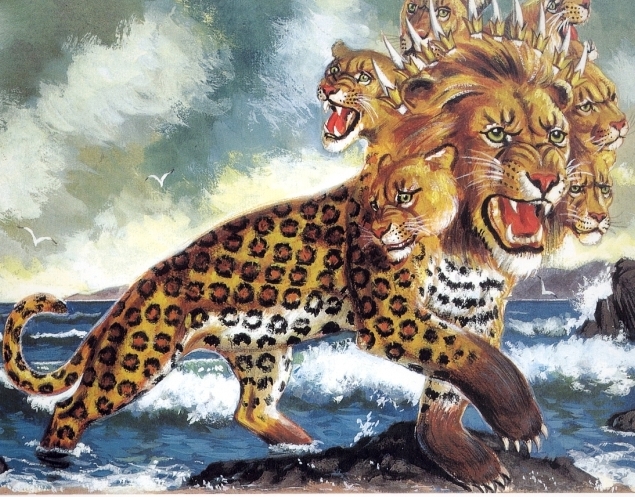
The Last Sheppard of Israel and the Leopard with the 7 Heads clash
Netanyahu, German Chancellor Split Over Palestinian Statehood
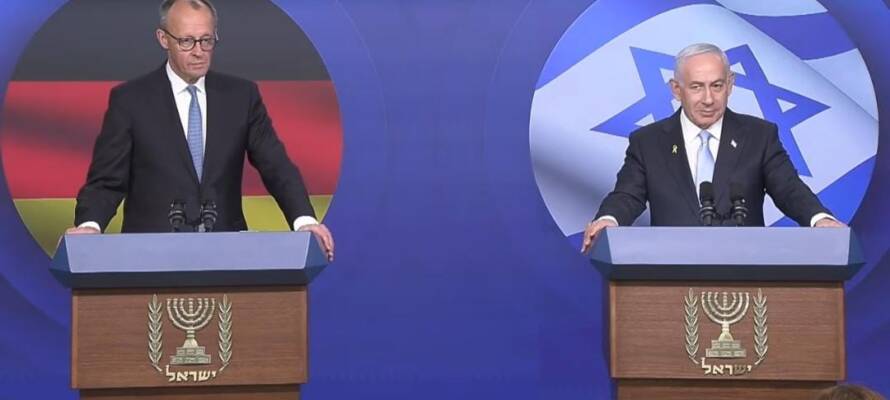
Prime Minister Benjamin Netanyahu and German Chancellor Friedrich Merz held a joint press conference on Sunday, presenting coordination on Israel’s military goals in Gaza while also revealing clear differences over the question of Palestinian statehood.
Netanyahu said that Israel is nearing the close of the initial phase of its Gaza campaign. “The first stage of the Gaza agreement is almost finished. We hope soon to move to the second stage, which is more difficult,” he said.
Netanyahu also noted that he plans to raise the issue with President Donald Trump during their upcoming meeting. “I will speak with President Trump about the next stage in Gaza at my meeting with him at the end of the month,” he said.
Standing beside him, Chancellor Merz affirmed Germany’s support for Israel’s security while stressing the expectation that Israel operate within legal frameworks. “We stand alongside Israel, but it must stand by international laws,” he said.
A central point of disagreement between the two leaders was the question of a two-state solution. Merz stated, “I support an outlook for two states.”
Netanyahu rejected that approach, citing Israel’s experience after withdrawing from Gaza. “They had a state in Gaza, and they tried to destroy the only Jewish state. Therefore, Israel will not establish a state that will be committed to its destruction,” he said.
Diplomatic protocol also surfaced during the press conference when a German journalist asked why Merz had not extended an invitation to Netanyahu to visit Berlin. Merz answered that it had not been discussed and that “there is no reason to talk about this now. When the time comes, I will propose it.”
Netanyahu replied that he would be pleased to visit Germany again, but he pointed to the obstacle created by legal actions abroad. “I would be happy to come to Germany again. The reason we are not coming there is because there is an arrest warrant against me and against the defense minister by the prosecutor at the court in The Hague.”
The press appearance reflected both the deep strategic ties between Jerusalem and Berlin and the sharp policy differences that remain. While the two leaders presented a united front on Israel’s security needs and the next phase of the Gaza campaign, their contrasting positions on the creation of a Palestinian state continue to define a central divide. For Merz, it represents a necessary political horizon, while for Netanyahu, it remains an unacceptable risk that Israel cannot afford after the Gaza experience.
PASTOR DIRK SAYS
The Battle for Statehood of Palestine will Continue until the Final Bomb of Gog and Magog fall . Then the New Country of Palestine will be Born in the Regions of Judea and Samaria . Netanyahu from Israel Plays an Important roll in the events leading up to the Gog and Magog event . Netanyahu is the Last Shepherd before the Anti-Christ aka the Jewish Messiah takes over .
Read more about the Last Shepherd of Israel
Germany as a Member of the Antichrist also Plays a Important sole as the Leopard with the 7 Heads of Revelation 13.
Read more about the AntiChrist
TruLight Ministry News
TruLight Ministries orders from God since 2012 . Teach Them , Comfort Them and Warn Them!
////////////
TruLight Ministries opdrag vanaf God sedert 2012. Leer hulle, Troos hulle en Waarsku hulle!
Doctrine of Demons – Teaching for the Christian , Discerning the spirits
Share this Feeding of Manna with your Friends and Family. just click on the Social Media icon and share !