Hosted by TruLight Ministries – The Place of Truth
We tend to give up on people who repeatedly disappoint us. That is, after a certain number of letdowns, we stop trying to improve that person’s condition. We’ve tried everything—we’ve advised, encouraged, rebuked, begged, pressured, assisted, and more. All we get in return are empty promises and repeated disappointment. We can only take so much, and we give up.
Would God ever give up on you the same way? Would He ever stop working in your life and stop trying to improve the condition of your soul? There are various reasons why people might think He would, but there is a biblical response to each:
- “God will give up on me because I’ve sinned too much.” But Scripture says, “Where sin increased, grace increased all the more” (Romans 5:20). No one can out-sin God’s grace.
- “God will give up on me because I keep repeating the same sin.” Jesus taught us to forgive each other “not up to seven times, but up to seventy times seven” (Matthew 18:22, NKJV). God holds Himself to at least that same standard.
- “God will give up on me because I’m not worth rescuing.” Your worthiness has nothing to do with your salvation. You are forgiven on the basis of Christ’s worthiness alone. He is the Holy One who died and shed His blood; He is the one who “purchased for God persons from every tribe and language and people and nation” (Revelation 5:9).
- “God will give up on me because I’m a failure.” “All have sinned and fall short of the glory of God” (Romans 3:23); i.e., we are all equally failures before God. In Christ, we are made victors: “Everyone born of God overcomes the world. This is the victory that has overcome the world, even our faith” (1 John 5:4).
- “God will give up on me because I keep taxing His patience.” Be glad for this verse: “The Lord is not slow in keeping his promise. . . . Instead he is patient with you, not wanting anyone to perish, but everyone to come to repentance” (2 Peter 3:9).
- “God will give up on me because, if I were God, I would give up on me.” It’s a good thing you’re not God! “God is not . . . a human being, that he should change his mind. Does he speak and then not act? Does he promise and not fulfill?” (Numbers 23:19). The Bible repeatedly emphasizes God’s faithfulness: “May your whole spirit, soul and body be kept blameless at the coming of our Lord Jesus Christ. The one who calls you is faithful, and he will do it” (1 Thessalonians 5:23b–24).
You can have added confidence that God will not give up on you because of the examples of God’s faithfulness in history:
When Adam and Eve sinned, God did not “give up” on them; He came looking for them. They hid, but God sought: “But the Lord God called to the man, ‘Where are you?’” (Genesis 3:9).
When Israel followed after idols and forsook the Lord, the nation was delivered into captivity. But God did not “give up” on them; He promised them continued love and eventual renewal:
“Zion said, ‘The Lord has forsaken me,
the Lord has forgotten me.’
‘Can a mother forget the baby at her breast
and have no compassion on the child she has borne?
Though she may forget,
I will not forget you!
See, I have engraved you on the palms of my hands’” (Isaiah 49:14–16a).
When Peter denied Jesus on the night of the Lord’s arrest, God did not “give up” on him; in fact, Jesus had promised Peter a restoration before Peter even committed the sin: “When you have turned back,” Jesus said, “strengthen your brothers” (Luke 22:32). God wasn’t done with Peter yet.
When the world seemed hopelessly, irretrievably lost, God did not “give up” on us; He sent the Savior: “God so loved the world that he gave his one and only Son, that whoever believes in him shall not perish but have eternal life” (John 3:16).
God created you and loves you very much. He wants to have a vibrant relationship with you, and Jesus’ mission proves it. Jesus said, “The Son of Man came to seek and to save the lost” (Luke 19:10). In the parable of the lost sheep, the shepherd seeks the lost animal “until he finds it” (Luke 15:4). In the parable of the lost coin, the woman sweeps the house “until she finds it” (Luke 15:8). There’s no resignation in those parables. No giving up. The lost must be found.
This is certainly good news! God has gone to great lengths to save you from sin and death, and He did so “while we were still sinners” (Romans 5:8). God will not “give up” on anyone, you included.
What about those who resist the Holy Spirit’s conviction, refuse to heed the Word of God, decline to give God thanks, and stubbornly pursue a sinful path? Romans 1:18–32 is a sobering passage on the consequences of turning one’s back on God and refusing to repent. God gives the rebellious sinner over to three things:
- “to sexual impurity” (verse 24)
- “to shameful lusts” (verse 26)
- “to a depraved mind” (verse 28)
As the wicked desert God, God in turn deserts them, no longer giving them divine direction or restraint, but allowing them to corrupt themselves as they wish. This abandonment of God, this being given over to one’s own desires, is an awful judgment—and not one that will befall the child of God.
If you are a child of God, there is no way that God will give up on you. You have this promise: “And I am certain that God, who began the good work within you, will continue his work until it is finally finished on the day when Christ Jesus returns” (Philippians 1:6).
Ons is geneig om moed op te gee met mense wat ons herhaaldelik teleurstel. Dit wil sê, na ‘n sekere aantal teleurstellings hou ons op om daardie persoon se toestand te probeer verbeter. Ons het alles probeer – ons het raad gegee, aangemoedig, bestraf, gesmeek, onder druk geplaas, gehelp, en meer. Al wat ons in ruil daarvoor kry, is leë beloftes en herhaalde teleurstelling. Ons kan net soveel vat, en ons gee op.
Sou God ooit op dieselfde manier moed opgee op jou? Sou Hy ooit ophou werk in jou lewe en ophou probeer om die toestand van jou siel te verbeter? Daar is verskeie redes waarom mense dalk dink Hy sou, maar daar is ‘n Bybelse reaksie op elkeen:
- “God sal my moed opgee omdat ek te veel gesondig het.” Maar die Skrif sê: “Waar die sonde meer geword het, het die genade nog meer oorvloedig geword” (Romeine 5:20). Niemand kan God se genade oortref nie.
- “God sal my moed opgee omdat ek dieselfde sonde aanhou herhaal.” Jesus het ons geleer om mekaar te vergewe “nie tot sewe keer nie, maar tot sewentig maal sewe” (Matteus 18:22). God hou Homself aan ten minste dieselfde standaard.
- “God sal my prysgee omdat ek nie werd is om gered te word nie.” Jou waardigheid het niks met jou redding te doen nie. Jy word vergewe op grond van Christus se waardigheid alleen. Hy is die Heilige Een wat gesterf het en Sy bloed gestort het; Hy is die een wat “vir God mense gekoop het uit elke stam en taal en volk en nasie” (Openbaring 5:9).
- “God sal my prysgee omdat ek ‘n mislukking is.” “Almal het gesondig en dit ontbreek hulle aan die heerlikheid van God” (Romeine 3:23); d.w.s., ons is almal ewe veel mislukkings voor God. In Christus word ons oorwinnaars gemaak: “Elkeen wat uit God gebore is, oorwin die wêreld. Dit is die oorwinning wat die wêreld oorwin het, naamlik ons geloof” (1 Johannes 5:4).
- “God sal my prysgee omdat ek Sy geduld aanhou beproef.” Wees bly vir hierdie vers: “Die Here stel nie stadig sy belofte na nie, maar Hy is geduldig met julle, want Hy wil nie hê dat iemand verlore gaan nie, maar dat almal tot bekering kom” (2 Petrus 3:9).
- “God sal my versaak, want as Ek God was, sou Ek Myself versaak.” Dis goed dat jy nie God is nie! “God is nie … ‘n mens dat Hy van gedagte sou verander nie. Praat Hy en doen dan nie, belowe Hy en vervul Hy nie?” (Numeri 23:19). Die Bybel beklemtoon herhaaldelik God se getrouheid: “Mag julle gees, siel en liggaam onberispelik bewaar word by die wederkoms van onse Here Jesus Christus. Hy wat julle roep, is getrou en Hy sal dit doen” (1 Tessalonisense 5:23b–24).
Jy kan meer vertroue hê dat God jou nie sal versaak nie as gevolg van die voorbeelde van God se getrouheid in die geskiedenis:
Toe Adam en Eva gesondig het, het God nie “versaak” met hulle nie; Hy het hulle kom soek. Hulle het weggekruip, maar God het gesoek: “Maar die Here God het na die man geroep: ‘Waar is jy?’” (Genesis 3:9).
Toe Israel afgode gevolg en die Here verlaat het, is die nasie in ballingskap oorgegee. Maar God het hulle nie “moed opgegee” nie; Hy het hulle volgehoue liefde en uiteindelike hernuwing belowe:
“Sion het gesê: ‘Die Here het My verlaat, die Here het My vergeet.’
‘Kan ’n moeder die baba aan haar bors vergeet en geen medelye hê met die kind wat sy gebaar het nie? Al vergeet sy dalk, Ek sal jou nie vergeet nie! Kyk, Ek het jou in my handpalms gegraveer’” (Jesaja 49:14–16a).
Toe Petrus Jesus verloën het in die nag van die Here se arrestasie, het God hom nie “moed opgegee” nie; trouens, Jesus het vir Petrus ’n herstel belowe voordat Petrus selfs die sonde gepleeg het: “Wanneer jy jou bekeer het,” het Jesus gesê, “sterk jou broers” (Lukas 22:32). God was nog nie klaar met Petrus nie.
Toe die wêreld hopeloos en onherstelbaar verlore gelyk het, het God nie moed opgegee met ons nie; Hy het die Verlosser gestuur: “God het die wêreld so liefgehad dat Hy sy enigste Seun gegee het, sodat elkeen wat in Hom glo, nie verlore mag gaan nie, maar die ewige lewe kan hê” (Johannes 3:16).
God het jou geskep en is baie lief vir jou. Hy wil ‘n lewendige verhouding met jou hê, en Jesus se sending bewys dit. Jesus het gesê: “Die Seun van die mens het gekom om te soek en te red wat verlore is” (Lukas 19:10). In die gelykenis van die verlore skaap soek die herder die verlore dier “totdat hy dit vind” (Lukas 15:4). In die gelykenis van die verlore muntstuk vee die vrou die huis “totdat sy dit vind” (Lukas 15:8). Daar is geen berusting in daardie gelykenisse nie. Geen opgee nie. Die verlore moet gevind word.
Dit is beslis goeie nuus! God het groot moeite gedoen om jou van sonde en die dood te red, en Hy het dit gedoen “terwyl ons nog sondaars was” (Romeine 5:8). God sal niemand “moed opgee” nie, insluitend jy.
Wat van diegene wat die Heilige Gees se oortuiging weerstaan, weier om na die Woord van God te luister, weier om God te dank en hardkoppig ‘n sondige pad volg? Romeine 1:18–32 is ‘n ontnugterende gedeelte oor die gevolge daarvan om God die rug toe te draai en te weier om jou te bekeer. God gee die rebelse sondaar oor aan drie dinge:
- “aan seksuele onreinheid” (vers 24)
- “aan skandelike wellus” (vers 26)
- “aan ‘n verdorwe gesindheid” (vers 28)
Soos die goddelose God verlaat, verlaat God hulle weer, gee hulle nie meer goddelike leiding of beperking nie, maar laat hulle toe om hulself te verdorwe soos hulle wil. Hierdie verlating van God, hierdie Om aan jou eie begeertes oorgegee te word, is ‘n verskriklike oordeel – en nie een wat die kind van God sal tref nie.
As jy ‘n kind van God is, is daar geen manier waarop God jou sal prysgee nie. Jy het hierdie belofte: “Ek is oortuig dat God, wat die goeie werk in julle begin het, sy werk sal voortsit totdat dit finaal voleindig is op die dag wanneer Christus Jesus terugkom” (Filippense 1:6).
Enigiemand wat vir jou sê dat dit jou lewe makliker maak om jou lewe aan Christus toe te wy, praat nie die waarheid nie. Vervullend, ja. Meer vreugdevol, absoluut. Maar makliker? Nee. In sommige opsigte word die lewe moeiliker nadat ons na Christus gekom het. Die stryd teen sonde is meer prominent, vir een ding. Luiheid, vraatsug, vloek, woede, afguns, selfgesentreerdheid, materialisme, hebsug, intimiteitsprobleme – die versoekings lyk nimmereindigend. Die wêreld, die vlees en die duiwel gaan nie weg omdat ons in ‘n verhouding met Christus getree het nie.
Die 2 000 jaar oue lys van sondes in Galasiërs 5:19–21 is steeds bekende grond vir diegene van ons wat in die 21ste eeu leef. Daardie lys word gevolg deur ‘n ander lys – die vrug van die Gees: liefde, vreugde, vrede, geduld, vriendelikheid, goedheid, getrouheid, sagmoedigheid en selfbeheersing. Dit is die verandering van die werke van die vlees na die vrug van die Gees wat moeilik kan wees.
Om Christus as Verlosser aan te neem beteken dat ons onmiddellike regverdiging voor God ontvang (Romeine 10:10). Ons is met Hom versoen, en ons het al die wetlike regte en voorregte van ‘n seun of dogter (Johannes 1:12). Ons het nou ‘n verhouding met die Skepper van die heelal.
Wat dikwels oor die hoof gesien word, is dat ons Christus ook as Here moet aanvaar. Om ‘n bloedgekoopte kind van God te wees, beteken dat ons die reg op onsself prysgee (1 Korintiërs 6:20). Dit is die punt waar heiligmaking begin, en hierdie oomblik-vir-oomblik-sterwe aan die self duur voort solank ons in ons aardse liggame leef (Matteus 16:24).
Die Gees se wedergeboorte stel ‘n waarskuwingstelsel in werking wat ons laat weet dat dinge verander het. Sondige gedrag wat ons eens gemaklik gevind het, is nie meer nie. Die ou lewenswyse word nogal oud (2 Korintiërs 5:17).
Om ‘n Christen te wees, is moeilik omdat ons nou ons lewens vanuit ‘n ander wêreldbeskouing moet konfronteer wat met ‘n nuwe stel waardes kom – God se waardes. Ons is gedompel in ‘n wêreldstelsel wat sy ideale verkondig en enigiemand wat weier, belaster. Voordat ons gered word, aanvaar ons wat die wêreld sê sonder om eers daaraan te dink. Ons weet niks anders nie. Nadat ons gered is, word ons oë oopgemaak vir die waarheid, en ons kan die leuens van die wêreld waarneem. Om teen daardie leuens te veg, kan moeilik wees.
Om ‘n Christen te wees, is moeilik, want sodra ons gered is, swem ons skielik stroomop, teen die stroom van die wêreld rondom ons. Alhoewel ons aptyte sal verander, kan ons heiligmaking ‘n moeilike proses wees. Vriende verstaan ons nie meer nie; ons families bevraagteken ons nuwe betrokkenhede en assosiasies. Diegene vir wie ons lief is, voel dikwels verwerp, kwaad en verdedigend. Hulle sien nie hoekom ons nie meer op ons ou maniere kan voortgaan nie.
Om ‘n Christen te wees, is moeilik, want dit vereis groei. God het ons te lief om ons dieselfde te laat bly. Groei kan soms pynlik wees, en ons hou gewoonlik nie daarvan om ons gemaksone te verlaat nie, maar positiewe verandering is altyd lonend. Soos ons in Christus groei, besef ons dat God nie net begeer dat ons aan ‘n stel reëls voldoen nie. Hy wil ons almal hê; Hy wil ‘n gekruisigde lewe hê, volledig aan Hom oorgegee. Ons leer deur gehoorsaamheid en vertroue om rus in Sy leiding te vind.
Om ‘n Christen te wees, is moeilik omdat ons voortdurend “nee” moet sê vir ons eie vleeslike begeertes en ons aan die Gees moet onderwerp. Ons leer om konflik met genade te hanteer, in plaas van deur vergelding. Ons leer om te vergewe, eerder as om wrokke te koester. Ons leer om die wisselvallige emosies wat ons eens liefde genoem het, te vervang met ware, onvoorwaardelike liefde. Ons groei deur die geleentheid om daagliks aan onsself te sterf, om gehoorsaam te word.
Ja, om ‘n Christen te wees, is in baie opsigte moeilik. Maar dis net die helfte van die storie. Die probleme waarmee gelowiges te kampe het, word nie alleen aangepak nie. Elke uitdaging word die hoof gebied deur die krag van Christus wat in ons leef (Filippense 4:13). Die getroue volgeling van Christus word nooit heeltemal oorweldig nie (2 Korintiërs 4:8–9).
Daar is definitiewe, ewige belonings vir die volg van Christus (Lukas 18:29–30). Ons leer deur ondervinding dat God se weë beter, veiliger en betroubaarder is as die wêreld se weë. Ons vertrouende gehoorsaamheid aan God word die pad na ‘n getransformeerde en oorvloedige lewe (Johannes 10:10).

Bible Verse and Prayer for Today
For I am convinced that neither death nor life, neither angels nor demons, neither the present nor the future, nor any powers, neither height nor depth, nor anything else in all creation, will be able to separate us from the love of God that is in Christ Jesus our Lord.
—Romans 8:38-39
Amen and hallelujah! This passage is incredibly Faithful. Nothing could keep Jesus from coming to save you and me — not the distance between heaven and earth, not the difficulty of an unexpected pregnancy, not a city fully of travelers and parents tired from a long journey, certainly not a maniacal king who sought to snuff out his life, not jeering mobs crying crucify him, not disciples that abandoned him, not soldiers that mocked him, not a whip that raked his flesh, and not a cross that claimed his physical life. So what makes you think God would let you go or give up on you after his love has captured your heart at such a high price to him? Nothing in the created world can separate us from God’s love! Nothing that the evil one throws at us can stop God’s love from holding us fast. The apostle Paul is emphatic: Nothing will be able to separate us from the love of God that is in Christ Jesus our Lord.”
Prayer
Abba Father, help me understand your love more fully. It’s unimaginable. It’s unspeakably good. Thank you! Please bless me with the strength to overcome the doubts the evil one tries to plant in my heart. Please bless me with your gracious power and transform me out of my own weakness into a helpful tool for your service. Knowing you are with me, as I keep my eyes fixed on Jesus, whose hand will not let the waves claim me, please do not let my doubts destroy my confidence in your everlasting love. In Jesus’ mighty name, I thank and praise you. Amen and Amen
Bybel Vers en Gebed vir Vandag
Want ek is oortuig dat geen dood of lewe of engele of demone of die hede of die toekoms of enige magte of hoogte of diepte of enigiets anders in die skepping ons sal kan skei van die liefde van God wat daar in Christus Jesus, onse Here, is nie.
—Romeine 8:38-39
Amen en halleluja! Hierdie gedeelte is ongelooflik getrou. Niks kon Jesus keer om jou en my te red nie – nie die afstand tussen hemel en aarde nie, nie die moeilikheid van ‘n onverwagte swangerskap nie, nie ‘n stad vol reisigers en ouers wat moeg is van ‘n lang reis nie, beslis nie ‘n maniakale koning wat sy lewe wou uitblus nie, nie spottende skares wat skreeu om Hom te kruisig nie, nie dissipels wat Hom verlaat het nie, nie soldate wat Hom bespot het nie, nie ‘n sweep wat sy vlees gehark het nie, en nie ‘n kruis wat sy fisiese lewe geëis het nie. So wat laat jou dink dat God jou sal laat gaan of jou sal prysgee nadat sy liefde jou hart teen so ‘n hoë prys vir Hom verower het? Niks in die geskape wêreld kan ons van God se liefde skei nie! Niks wat die bose na ons gooi, kan God se liefde keer om ons vas te hou nie. Die apostel Paulus is nadruklik: Niks sal ons kan skei van die liefde van God wat in Christus Jesus, onse Here, is nie.”
Gebed
Abba Vader, help my om u liefde beter te verstaan. Dis ondenkbaar. Dis onuitspreeklik goed. Dankie! Seën my asseblief met die krag om die twyfel wat die bose in my hart probeer plant, te oorkom. Seën my asseblief met u genadige krag en verander my uit my eie swakheid in ‘n nuttige instrument vir u diens. Wetende dat U met my is, terwyl ek my oë op Jesus gevestig hou, wie se hand nie sal toelaat dat die golwe my eis nie, laat asseblief nie toe dat my twyfel my vertroue in u ewige liefde vernietig nie. In Jesus se magtige Naam dank en prys ek U. Amen en Amen.
Bible Teaching of the Day
Isaiah 43:19 mentions “streams in the desert” as part of a promise to God’s people: “Behold, I am about to do something new; even now it is coming. Do you not see it? Indeed, I will make a way in the wilderness and streams in the desert” (BSB). The imagery is also rendered “rivers in the dry wasteland” (NLT) and “rivers in the desert” (NASB). In context, God promises that He would make Israel’s captors, Babylon, into captives (Isaiah 43:14). The Lord, the “Redeemer, the Holy One of Israel,” would deliver Israel from Babylon.
In Isaiah 43:16–17, God compares Israel’s deliverance from Babylon to their prior exodus from Egypt, when God had “made a way through the sea, a path through the mighty waters” (verse 16). The Lord promises that He will now do “a new thing” (verse 19):
“Indeed, I will make a way in the wilderness
and streams in the desert. . . .
I provide water in the wilderness
and rivers in the desert,
to give drink to My chosen people” (verses 19–20, BSB).
The result is that “the people I formed for Myself will declare My praise” (verse 21, BSB).
Just as God had provided a way through the Red Sea during Israel’s exodus from Egypt (Exodus 14:21), so would He provide “streams in the desert” for them on their return from exile in Babylon. The Lord would provide all they needed to leave Babylon and reestablish their home in the Promised Land. Even when there appears to be no way, God makes a way for those who trust in Him. That way would be as miraculous as “streams in the desert.”
The picture of streams in the desert is a common one in Scripture, as God encourages His people in need. In Isaiah 41, the Lord promises His people that, in their frailty, He will supply:
“The poor and needy search for water,
but there is none;
their tongues are parched with thirst.
But I the LORD will answer them;
I, the God of Israel, will not forsake them.
I will make rivers flow on barren heights,
and springs within the valleys.
I will turn the desert into pools of water,
and the parched ground into springs” (verses 17–18).
In Psalm 126:4, the faithful pray, “Restore our fortunes, Lord, like streams in the Negev.”
Jesus likened the gift of His Spirit to living water: “Let anyone who is thirsty come to me and drink. Whoever believes in me, as Scripture has said, rivers of living water will flow from within them” (John 7:37–38). Jesus used a similar metaphor when He spoke to the Samaritan woman at the well: “Whoever drinks the water I give them will never thirst. Indeed, the water I give them will become in them a spring of water welling up to eternal life” (John 4:14).
A classic devotional book titled Streams in the Desert was published in 1925 by Mrs. Lettie Cowman, a pioneer missionary in Japan and China. She compiled her devotional during her husband’s terminal illness, and the result has brought comfort to countless readers who also face difficult times.
Bybel Lering vir die Dag
Jesaja 43:19 noem “strome in die woestyn” as deel van ‘n belofte aan God se volk: “Kyk, Ek gaan iets nuuts doen; dit kom nou. Sien jy dit nie? Ek maak ‘n pad in die wildernis en strome in die woestyn” (BSB). Die beeldspraak word ook vertaal as “riviere in die droë woestyn” (NLT) en “riviere in die woestyn” (NASB). In konteks belowe God dat Hy Israel se gevangenes, Babilon, in gevangenskap sal neem (Jesaja 43:14). Die Here, die “Verlosser, die Heilige van Israel,” sou Israel uit Babilon verlos.
In Jesaja 43:16–17 vergelyk God Israel se verlossing uit Babilon met hul vorige uittog uit Egipte, toe God “‘n weg deur die see gemaak het, ‘n pad deur die magtige waters” (vers 16). Die Here belowe dat Hy nou “’n nuwe ding” sal doen (vers 19):
“Ek sal ’n weg in die woestyn maak
en strome in die woestyn… Ek voorsien water in die woestyn
en riviere in die woestyn,
om my uitverkore volk te laat drink” (verse 19–20, BSB).
Die gevolg is dat “die volk wat Ek vir Myself geformeer het, my lof sal verkondig” (vers 21, BSB).
Net soos God ’n weg deur die Rooi See voorsien het tydens Israel se uittog uit Egipte (Eksodus 14:21), so sou Hy “strome in die woestyn” vir hulle voorsien met hul terugkeer uit ballingskap in Babilon. Die Here sou alles voorsien wat hulle nodig gehad het om Babilon te verlaat en hul tuiste in die Beloofde Land te herstel. Selfs wanneer daar geen weg blyk te wees nie, maak God ’n weg vir diegene wat op Hom vertrou. Daardie weg sou so wonderbaarlik wees soos “strome in die woestyn.”
Die prentjie van strome in die woestyn is ’n algemene een in die Skrif, soos God Sy mense in nood bemoedig. In Jesaja 41 belowe die Here Sy volk dat Hy in hul broosheid sal voorsien:
“Die armes en behoeftiges soek water,
maar daar is niks nie;
hulle tonge verdor van dors.
Maar Ek, die HERE, sal hulle antwoord;
Ek, die God van Israel, sal hulle nie verlaat nie.
Ek sal riviere op dorre heuwels laat vloei,
en fonteine in die dale.
Ek sal die woestyn in poele water verander,
en die dorre grond in fonteine” (verse 17–18).
In Psalm 126:4 bid die gelowiges: “Herstel ons lot, Here, soos strome in die Negev.”
Jesus het die gawe van Sy Gees met lewende water vergelyk: “Laat elkeen wat dors het, na My toe kom en drink. Elkeen wat in My glo, soos die Skrif sê, riviere van lewende water sal uit hulle binneste vloei” (Johannes 7:37–38). Jesus het ‘n soortgelyke metafoor gebruik toe Hy met die Samaritaanse vrou by die put gepraat het: “Elkeen wat drink van die water wat Ek hom gee, sal nooit dors kry nie. Maar die water wat Ek hom gee, sal in hom word ‘n fontein van water wat opborrel tot in die ewige lewe” (Johannes 4:14).
‘n Klassieke oordenkingsboek met die titel Streams in the Desert is in 1925 gepubliseer deur mev. Lettie Cowman, ‘n pionier-sendeling in Japan en China. Sy het haar oordenking saamgestel tydens haar man se terminale siekte, en die resultaat het vertroosting gebring aan tallose lesers wat ook moeilike tye beleef.

Today’s Devotional
Several times recently I have been reminded that God’s ways are not our ways (Isaiah 55:8). God’s ways and thoughts are indeed higher than ours (Isaiah 55:9). While I have ultimately surrendered to God and recognize that He is not obligated to explain His ways to me, I still often wonder why He so often works in mysterious ways.
I do not question His judgment. I do not doubt His wisdom. I absolutely do not think I could fully understand His ways even if He explained them to me. But, I sometimes still wonder why He accomplished something a certain way.
Why did He use a bunch of misunderstandings, personality conflicts, and bad attitudes to close a door, leading to a different door, which was the right door all along? Why not just divert us from the first door to begin with? Why not move us away from the wrong door earlier in the process? Why not convince us that it was the wrong door without us having to slam the door shut due to our own sinful attitudes and choices?
Why does God sometimes use a conflict over the color of carpet in a church building to split a church, creating a new growing and thriving church in a different area, instead of simply motivating some people in the church to go plant a new church?
Why did God allow Paul and Barnabas to split, apparently in anger, over a disagreement, instead of simply causing them to recognize that their outreach could be multiplied if they went separate directions (Acts 15:36-41)?
Why does God answer with “wait” to a continual prayer request over 20+ years of time and then grant the prayer request once the person isn’t even 100% certain he/she wants it anymore?
Why does God seem to provide a great solution to a difficult situation, with everyone agreeing that it is the perfect solution, only to later unravel the solution to everyone’s dismay?
Why does God sometimes work in mysterious ways?
As I said earlier, the answer, ultimately, is “I don’t know.” Learning to trust God when you don’t understand why He allowed something or why He chose a particular means to accomplish something is a key spiritual growth issue in the Christian life. Are you, like Job, able to praise the Lord whether He gives or takes away (Job 1:21)?
“Hindsight is 20/20” is not a biblical saying, but it is very true. There are many things God has done that I used to wonder about, that I now understand, or at least think I understand. There are numerous other things, though, that I definitely still do not understand and cannot imagine how the mysterious way in which God worked was the best way.
Yes, of course, God works all things together for good (Romans 8:28). Yes, absolutely, God uses the mysterious things that happen in our lives to mold us into the image of Christ and transform/renew our minds (Romans 12:1-2). But I still wonder why, when it was within His power to do so, God didn’t accomplish the same thing without using a plan that resulted in physical, emotional, and spiritual scars that won’t be fully healed this side of eternity.
Whether I ever receive the answers, whether such things ever make sense to me, I will continue to trust God and His Word. Why? If you think God’s ways are mysterious, just imagine what things would be like if I was in charge!
Vandag se Bemoediging
Ek is onlangs verskeie kere daaraan herinner dat God se weë nie ons weë is nie (Jesaja 55:8). God se weë en gedagtes is inderdaad hoër as ons s’n (Jesaja 55:9). Terwyl ek uiteindelik aan God oorgegee het en erken dat Hy nie verplig is om Sy weë aan my te verduidelik nie, wonder ek steeds dikwels hoekom Hy so dikwels op geheimsinnige maniere werk.
Ek bevraagteken nie Sy oordeel nie. Ek twyfel nie aan Sy wysheid nie. Ek dink absoluut nie ek sou Sy weë ten volle kon verstaan nie, selfs al het Hy dit aan my verduidelik. Maar ek wonder soms steeds hoekom Hy iets op ‘n sekere manier bereik het.
Waarom het Hy ‘n klomp misverstande, persoonlikheidskonflikte en slegte houdings gebruik om ‘n deur toe te maak, wat na ‘n ander deur lei, wat heeltyd die regte deur was? Waarom nie net van die eerste deur af weglei nie? Waarom ons nie vroeër in die proses van die verkeerde deur af wegbeweeg nie? Waarom ons nie oortuig dat dit die verkeerde deur was sonder dat ons die deur moes toeslaan as gevolg van ons eie sondige houdings en keuses nie?
Waarom gebruik God soms ‘n konflik oor die kleur van die tapyt in ‘n kerkgebou om ‘n kerk te verdeel en sodoende ‘n nuwe groeiende en florerende kerk in ‘n ander gebied te skep, in plaas daarvan om bloot sommige mense in die kerk te motiveer om ‘n nuwe kerk te plant?
Waarom het God toegelaat dat Paulus en Barnabas verdeel, blykbaar in woede, oor ‘n meningsverskil, in plaas daarvan om hulle bloot te laat besef dat hul uitreik vermenigvuldig kon word as hulle verskillende rigtings inslaan (Handelinge 15:36-41)?
Waarom antwoord God met “wag” op ‘n voortdurende gebedsversoek oor meer as 20 jaar en staan dan die gebedsversoek toe sodra die persoon nie meer 100% seker is dat hy/sy dit wil hê nie?
Waarom lyk dit asof God ‘n goeie oplossing vir ‘n moeilike situasie bied, met almal wat saamstem dat dit die perfekte oplossing is, net om later die oplossing tot almal se ontsteltenis te ontrafel?
Waarom werk God soms op geheimsinnige maniere?
Soos ek vroeër gesê het, is die antwoord uiteindelik “Ek weet nie.” Om te leer om God te vertrou wanneer jy nie verstaan waarom Hy iets toegelaat het of waarom Hy ‘n spesifieke manier gekies het om iets te bereik nie, is ‘n belangrike geestelike groeikwessie in die Christelike lewe. Kan jy, soos Job, die Here prys of Hy nou gee of wegneem (Job 1:21)?
“Agterskouend is 20/20” is nie ‘n Bybelse gesegde nie, maar dit is baie waar. Daar is baie dinge waaroor God gedoen het waaroor ek gewonder het, wat ek nou verstaan, of ten minste dink ek verstaan. Daar is egter talle ander dinge wat ek beslis nog steeds nie verstaan nie en nie kan indink hoe die geheimsinnige manier waarop God gewerk het die beste manier was nie.
Ja, natuurlik, God werk alle dinge ten goede mee (Romeine 8:28). Ja, absoluut, God gebruik die geheimsinnige dinge wat in ons lewens gebeur om ons na die beeld van Christus te vorm en ons denke te transformeer/vernuwe (Romeine 12:1-2). Maar ek wonder steeds hoekom, toe dit binne Sy mag was om dit te doen, God nie dieselfde ding bereik het sonder om ‘n plan te gebruik wat gelei het tot fisiese, emosionele en geestelike letsels wat nie ten volle aan hierdie kant van die ewigheid genees sal word nie.
Of ek ooit die antwoorde ontvang, of sulke dinge ooit vir my sin maak, ek sal aanhou om God en Sy Woord te vertrou. Hoekom? As jy dink God se weë is geheimsinnig, verbeel jou net hoe dinge sou wees as ek in beheer was!
Prescription Prayers from Heaven

The Power Prayer
God, I come to You in the Wonderful and Healing name of Jesus Christ
Your Son,
Please forgive me my sins, just as I forgave those that sinned against me.
God please pour Your blessings out over me! Enlarge my territory!
Take me and my family under Your protection! Lord.
Be with me in everything I do!
And keep me from any evil!
So that no pain and suffering would come my way!
God, I renounce every activity of the Occult’s over my life!
I renounce every family curse over us!
I bind every stronghold, defilement, plan or strategy that Satan and his
followers has over my life right now!
I renounce it and declare it “Broken” in the powerful Blood of Jesus!
It has no more power over me!
God only give me my daily bread, and build in me, not to worry about
anything, but come to You in prayer with faith and Pray about
everything!
I Praise Your name, for You are! “Jehovah Nissi” The God, my Protector!
You are! “Jehovah Shammah” the God, with me! You are! “Jehovah
Rafha” The God, my Healer!
I will witness to others, about your blessings to me! I Thank You God and
let Your will be done in my life.
Amen and Amen
The Power Prayer written by Pastor Dirk of TruLight Ministries , Inspired by the Holy Spirit
Die Krag gebed.
Neem in Hoop, met Geloof en in Liefde.
Bid met oorgawe hardop by uself!
Die Krag Gebed
Here ek kom na U, in die Wonderlike en genesende naam
van Jesus Christus U Seun.
Vergewe asseblief al my sondes, net soos ek ook my sondaars vergewe het.
Here, stort U seëninge oor my uit!
Vergroot my grondgebied!
Neem my en my familie onder U beskerming!
Wees met ons in alles wat ons doen!
Hou ons weg van enige onheil!
Sodat geen smarte ons sal tref nie!
Here, ek breek elke aktiwiteit van die Okkulte oor my lewe!
Ek breek elke familie vloek oor ons!
Ek bind elke mag, besoedeling, plan of strategie wat Satan en sy volgelinge oor ons lewe het op die oomblik!
Ek bind en breek dit in die magtige krag van Jesus se Bloed!
Dit het geen meer mag oor ons nie!
Here gee my vandag net my daaglikse brood, en bou in my, geen bekommernis oor niks, maar laat ek na U toe kom in gebed met geloof en Bid oor Alles!
Ek aanbid U naam, want U IS! “Jehovah Nissi” Die God, my Beskermheer! U IS! “Jehovah Shammah” Die God, met my! U IS! “Jehovah Rafha” Die God, my Geneesheer!
Ek sal getuig aan ander, van U seëninge aan my!
Ek dank U my drie enige Godheid uit die Hemel en ook in my!
Amen en Amen
Geskryf Deur Pastoor Dirk , Geinspireer deur die Heilige Gees.

TruLight Ministries Daily Entertainment
TruLight TV – God will comfort your hurts, calm your fears
It can be frustrating when we realize we’re not who we—or God—wants us to be yet. We get discouraged and defeated when we can’t seem to stop giving in to sin and temptation. Remember that there is grace and hope, and it’s in a person named Jesus. And our sermon today from Dr. Charles Stanley (Walking With God Through the Dark Times) – There are dark times each one of us experiences when we’re overwhelmed and don’t know what to do. Are you in such a dark time right now? Dr. Stanley talks about how God will comfort your hurts, calm your fears, and give you great hope if you will trust in Him. learn more by watching today’s program. Enjoy!
Today on TruLight Radio XM
TruLight Radio XM 24/7
Program
GMT / UTC +2
Monday To Fridays
00:15 Words to Live By Testimonies
01.15 Science Scripture and Salvation
02.15 Ground Works
04.00 Gospel Concert of the Day
05.00 The Daren Streblow Comedy Show
5:55 It is Today devotional
6:00 Gaither Homecoming Morning Show
7:15 Discover the Word
8.15 Destined for Victory
8:55 Science Scripture and Salvation
9:00 Holy Spirit Hour – Normally Sermons
10:15 Hope of the Heart
11:15 Unshackled
11.45 Words to Live By
12:15 Truth for Life
13:15 Living on the Edge with Chip Ingram
14:15 Focus on the Family
15:00 Kids Hour
16:00 In Touch with Dr. Charles Stanley
16:30 Groundwork
17:15 Live in the Light
18:15 Renewing your Mind
19:00 Gaither Homecoming Show
20:15 Growing Hope
21:15 Adventures in Odyssey Radio Drama
21:45 Bible Reading
22:15 Nightsounds
23.00 Good Old Country Gospel / Rhema Gospel Express
VISIT THE WEBSITE
https://TruLightRadioXM.org.za

BIBLE PROPHECY IN THE NEWS
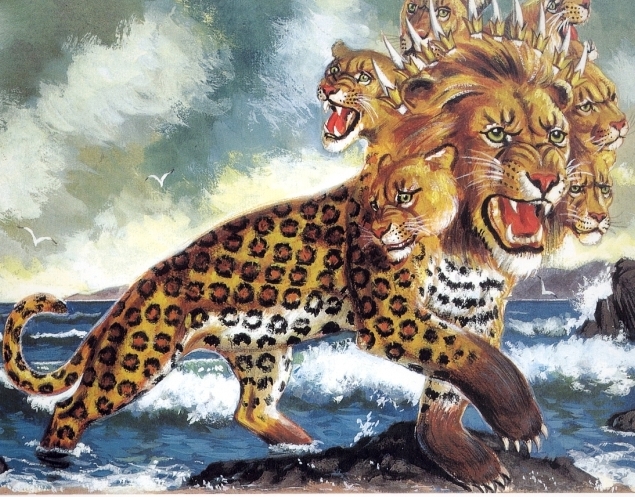
The Leopard with the 7 Heads are Preparing for War
Europe Is Preparing for War – And They’re No Longer Hiding It
Europe is doing something it hasn’t done in generations: preparing openly, urgently, and systematically for a major war on the continent. Not a limited skirmish. Not a border dispute. A large-scale, society-shaking conflict reminiscent of the wars our grandparents and great-grandparents endured.
That warning didn’t come from some fringe alarmist. It came directly from the head of NATO, who recently cautioned that the alliance must adopt a “wartime mindset” and be ready for a conflict comparable to the world wars of the 20th century. When the top official responsible for Europe’s collective defense uses that kind of language, it’s not a slip of the tongue. It’s a signal.
And across Europe, governments are acting as though they agree.
The Largest Military Buildup Since the Cold War
Europe is experiencing the most aggressive military expansion in more than 30 years. Policymakers aren’t simply adding a few extra battalions or refreshing aging equipment — they are rebuilding the continent’s defense posture from the ground up, reversing decades of demobilization and budget cuts.
Consider just a few of the dramatic shifts underway:
France is expanding its army and restoring military service nearly 30 years after ending conscription. While voluntary for now, the move reflects a growing consensus that France needs a significantly larger reserve of trained personnel. Why? If a peace deal with Russia were anywhere on the horizon, such an expansion would be unnecessary.
Germany is transforming its military at a pace unseen in its modern history. It plans to dramatically increase the size of the Bundeswehr and pour unprecedented sums into new weapons systems, advanced defense technologies, and logistical capacity. Next year’s defense procurement budget is projected to reach record-breaking levels.
Other nations are following suit:
Denmark extended conscription to women and lengthened the required service time.
Estonia, Latvia, and Lithuania maintain universal or lottery-based conscription, preparing new waves of soldiers annually.
Croatia has reinstated a draft it abandoned nearly two decades ago.
Poland is developing plans to conduct mass-scale military training for adult males, hoping to double the size of its army.
Norway has begun reopening Cold War-era bomb shelters and expanding its “total defense” system, preparing civilians and infrastructure for the possibility of large-scale conflict with Russia.
Sweden is upgrading its vast network of 64,000 wartime shelters and revitalizing national civil-defense planning, signaling that it too is bracing for the kind of crisis Europe hoped it would never face again.
These moves aren’t sporadic. They’re coordinated. Sudden. Simultaneous.
When half a continent shifts into military-industrial gear, it’s not coincidence. It’s preparation.
Hospitals Preparing for Tens of Thousands of Casualties
Perhaps even more unsettling is what’s happening outside the barracks.
In France, hospitals have been instructed to prepare for a massive armed conflict by early 2026. Planning documents outline scenarios where 10,000 to 50,000 wounded soldiers could require treatment within a few months. Hospitals are being told to expand trauma care capacity, ready supply chains, and coordinate with regional emergency centers in anticipation of wartime conditions.
This isn’t routine civil-defense planning. It’s not a COVID-style contingency.
This is explicit preparation for large-scale military casualties.
Germany is undertaking similar efforts, quietly updating civil-defense frameworks and hospital networks to handle mass injuries in the event of war on European soil.
If peace with Russia were imminent, such preparations would be unnecessary — even absurd.
But if war is on the horizon, they make perfect sense.
A Wartime Mindset Returns to Europe
The NATO chief’s warning that Europe must prepare for conflicts on the scale of the world wars was not a metaphor. Those wars were total conflicts involving entire societies — not just armies. Factories, hospitals, railways, politics, and culture were drawn into the struggle.
When he said Europe must return to a “wartime mindset,” he meant preparing for exactly that kind of comprehensive challenge:
Fully mobilized economies
Expansive militaries
Hardened infrastructure
Civilian readiness
Rapid wartime production
National survival as a strategic objective
Across the continent, leaders are speaking more bluntly about Russia’s intentions. Many now believe Moscow is preparing for a long confrontation with the West — not just a limited conflict in Ukraine, but a broader strategic challenge that could eventually reach NATO territory.
European officials are no longer asking whether Russia might become a threat. They’re acting as if that moment is inevitable unless the continent vastly strengthens its defenses.
Why Now? Why All at Once?
Europe cut defense budgets for 30 years, assuming permanent peace. That era is over. The combined factors driving the buildup include:
Russia proving it is willing to launch large-scale invasions.
Uncertainty about long-term U.S. commitment to European defense.
A munitions and manpower gap that could leave Europe dangerously exposed.
A realization that the post-Cold War order is collapsing.
Europe has awakened to the reality that if conflict comes, it may not be small, containable, or short-lived. It may require mobilizing entire societies — not just professional armies.
The Unspoken Conclusion
European leaders publicly say they want peace. But in private planning, emergency memos, military expansions, and sweeping defense budgets, they are preparing for something else entirely.
Because the truth is simple:
If peace with Russia is around the corner, none of this makes sense.
If war with Russia is coming, everything suddenly does.
Europe is no longer behaving like a region drifting toward conflict.
It is behaving like a region bracing for it.
And when NATO leaders warn us to prepare for a war reminiscent of the world wars, we would be wise to take them at their word.
SIGNS OF THE TIMES
Satan works Better in Cold Places – Due to His fear of Fire
Bill C-9: Canada’s New Speech Crackdown And The Rising Threat To The Gospel
There are laws that defend a nation, and then there are laws that redefine it. Canada is now debating the latter. Long before most people noticed, a quiet shift began–one that trades spiritual openness for state-approved speech and treats biblical conviction as a threat rather than a contribution. Bill C-9 is the clearest sign yet that the ground beneath Western Christianity is moving, and it’s moving fast.
At first glance, it looks like a bill meant to keep people safe. But the moment you read past the title, the real story emerges: the Canadian government is preparing to criminalize the very space where the Gospel enters public life–speech itself. And once a society decides that Scripture may be harmful, the question is no longer whether freedom erodes, but how quickly the erosion spreads to the nations watching closely.
What Bill C-9 Really Does
For decades, Canadian law recognized that religious speech occupies a unique place in a free society. Even if a sermon or Bible-based viewpoint offended modern ears, it was protected as long as it was expressed in good faith. This safeguard stood as a quiet affirmation that Scripture could be taught, proclaimed, and discussed openly–even when it clashed with cultural norms.
Bill C-9 strikes that protection out of the criminal code.
Under the new framework, the difference between preaching Scripture and committing a speech-crime becomes dangerously subjective. A pastor teaching biblical sexuality… a believer sharing the exclusivity of Christ… a youth leader quoting Romans or Corinthians… any of these could be interpreted–by activists, prosecutors, or courts–as promoting “hate” if someone decides they feel harmed by biblical truth.
This is not speculation. This is the inevitable outcome of a law that empowers the state to police inner convictions rather than harmful actions.
Bill C-9 shifts the question from “Did you harm someone?”
to “Did your belief offend them?”
And once that shift occurs, Christianity instantly becomes a legal risk.
Why Christians Should Care
Some Americans may shrug and say, “That’s Canada–they’re different.” But cultural trends do not respect borders. Legal precedents, ideological pressures, and policy experiments in one Western democracy quickly become models for another.
If Canada normalizes the idea that biblical teaching can be criminally prosecutable when it conflicts with cultural orthodoxy, you can be certain activists in the U.S. will demand the same.
There is a spiritual law as old as the early church:
Whatever restricts the Gospel somewhere will eventually attempt to restrict it everywhere.
This isn’t about one bill.
It’s about momentum.
It’s about the global rise of a worldview that believes Christianity is not simply wrong–but dangerous.
The Chilling Effect Is the Point
Bill C-9 does not need to imprison pastors to change the country. All it must do is create fear.
Fear that quoting Scripture could bring the police.
Fear that hosting a public evangelistic outreach could violate new boundaries.
Fear that apologetics, biblical ethics, or even personal testimony could be interpreted as hateful.
A fearful church becomes a silent church.
And a silent church becomes an ineffective one.
The early apostles didn’t face lions because they physically harmed others–they faced lions because they refused to stop speaking. Bill C-9 strikes not at harmful acts, but at the proclamation of truth. It is designed to reshape the public square by making Christian conviction socially suspect and legally risky.
It is a soft persecution–but persecution nonetheless.
New Report Exposes Netflix’s LGBT Agenda Targeting Children

A new report showcases hard numbers that expose just how deep the entertainment company’s agenda runs.
Largest Bible App Reveals A 27% Increase In The Daily Use Of God’s Word

YouVersion’s 2025 report reveals a record number of engagement levels with the Word of God, with an increase in daily Bible use in Africa, Central Asia and North America.
GOG AND MAGOG UPDATE
Magog / Iran accelerates ballistic missile production, Israel warns
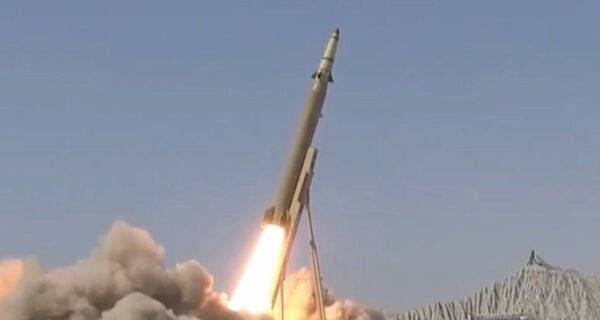
Iran is rapidly rebuilding its missile arsenal following the 12-day war with Israel in June, raising alarm bells among Israeli officials as Tehran aims to restore its weakened military capabilities and extend its influence across the Middle East.
During a closed meeting of the Knesset Foreign Affairs and Defense Committee this week, a senior Israeli military official told lawmakers that Iran has resumed large-scale production of ballistic missiles, roughly six months after the June conflict, Israeli media reported.
Israeli intelligence assessments have confirmed that Tehran resumed massive production of long-range missiles, with factories operating “around the clock” to rebuild capabilities destroyed in Israeli and US strikes.
With Israel having destroyed key missile-production equipment, including planetary mixers, the Iranian regime is relying on older manufacturing methods to restart its missile program, according to the Israeli news outlet Ynet.
Israeli officials now reportedly fear that the damage inflicted on Iran’s ballistic missile program during the June war was less extensive than initially thought.
Earlier this year, Israel, with support from the United States, carried out large-scale military strikes against the Islamist regime in Iran, targeting critical nuclear enrichment sites—including the heavily fortified Fordow facility—after multiple rounds of negotiations over Iran’s nuclear program failed to yield results.
In the aftermath of the strikes, intelligence and media assessments of the damage to Iran’s nuclear and defense capabilities have been inconsistent and often contradictory, with some reports indicating only a short-term setback and others pointing to potentially years of disruption.
Many experts believe the nuclear program has been set back by multiple years. However, Iran’s missile arsenal may have suffered less damage.
Earlier this week, Israel Defense Forces military intelligence chief Maj. Gen. Shlomi Binder told US Ambassador to the UN Mike Waltz that Iran still possesses roughly 2,000 heavy ballistic missiles—about the same number it had before the war, the Al-Monitor news outlet reported.
Since the end of the war, Iran has repeatedly threatened to respond to any future Israeli attack, as the regime has attempted to rebuild its decimated air defenses and expand its military capabilities.
Last week, Tehran conducted a major naval exercise in the Persian Gulf, carried out by the Islamic Revolutionary Guard Corps and featuring ballistic missiles, cruise missiles, and drones, as part of an effort to deter foreign threats.
Iranian state media reported that missiles struck mock targets in the Gulf of Oman with “high accuracy” and drones hit simulated enemy bases, while three air defense systems were deployed during the exercise under electronic warfare conditions.
TruLight Ministry News
TruLight Ministries orders from God since 2012 . Teach Them , Comfort Them and Warn Them!
////////////
TruLight Ministries opdrag vanaf God sedert 2012. Leer hulle, Troos hulle en Waarsku hulle!
Gelofte Dag 16 Desember = Gelofte aan watter god?
https://trulightdailymanna.co.za/gelofte-aan-watter-god
Doctrine of Demons – Teaching for the Christian , Discerning the spirits
https://sheriffofthechurch.co.za/doctrines-of-demons/doctrine-of-demons-called-jehovahs-witnesses
Share this Feeding of Manna with your Friends and Family. just click on the Social Media icon and share !