Hosted by TruLight Ministries – The Place of Truth
.
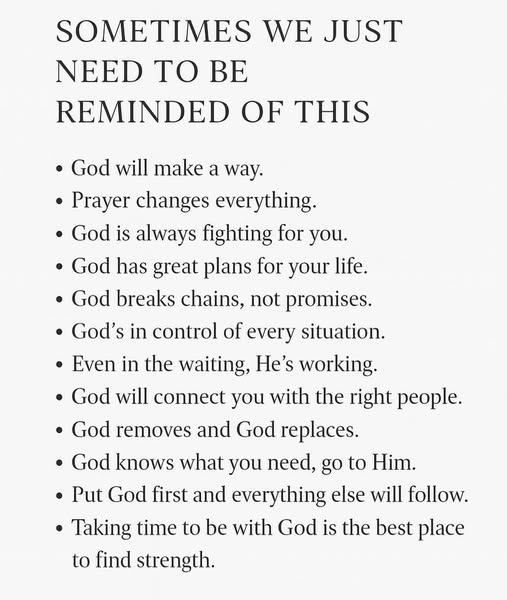
Seek 1st the Kingdom of God // Soek eerste die Koningkryk van God
Jesus said to seek first the kingdom of God in His Sermon on the Mount (Matthew 6:33). The verse’s meaning is as direct as it sounds. We are to seek the things of God as a priority over the things of the world. Primarily, it means we are to seek the salvation that is inherent in the kingdom of God because it is of greater value than all the world’s riches. Does this mean that we should neglect the reasonable and daily duties that help sustain our lives? Certainly not. But for the Christian, there should be a difference in attitude toward them. If we are taking care of God’s business as a priority—seeking His salvation, living in obedience to Him, and sharing the good news of the kingdom with others—then He will take care of our business as He promised—and if that’s the arrangement, where is worrying?
But how do we know if we’re truly seeking God’s kingdom first? There are questions we can ask ourselves. “Where do I primarily spend my energies? Is all my time and money spent on goods and activities that will certainly perish, or in the service of God—the results of which live on for eternity?” Believers who have learned to truly put God first may then rest in this holy dynamic: “…and all these things will be given to you as well.”
God has promised to provide for His own, supplying every need (Philippians 4:19), but His idea of what we need is often different from ours, and His timing will only occasionally meet our expectations. For example, we may see our need as riches or advancement, but perhaps God knows that what truly we need is a time of poverty, loss or solitude. When this happens, we are in good company. God loved both Job and Elijah, but He allowed Satan to absolutely pound Job (all under His watchful eye), and He let that evil woman, Jezebel, break the spirit of His own prophet Elijah (Job 1–2; 1 Kings 18–19). In both cases, God followed these trials with restoration and sustenance.
These “negative” aspects of the kingdom run counter to a heresy that is gaining ground around the world, the so-called “prosperity” gospel. A growing number of false teachers are gathering followers under the message “God wants you to be rich!” But that philosophy is not the counsel of the Bible—and it is certainly not the counsel of Matthew 6:33, which is not a formula for gaining wealth. It is a description of how God works. Jesus taught that our focus should be shifted away from this world—its status and its lying allurements—and placed upon the things of God’s kingdom.
Jesus het in Sy Bergpredikasie (Matteus 6:33) gesê dat ons eers die koninkryk van God moet soek. Die betekenis van die vers is so direk soos dit klink. Ons moet die dinge van God as ‘n prioriteit bo die dinge van die wêreld soek. Dit beteken hoofsaaklik dat ons die verlossing moet soek wat inherent is aan die koninkryk van God, want dit is van groter waarde as al die wêreld se rykdom. Beteken dit dat ons die redelike en daaglikse pligte wat ons lewens help onderhou, moet verwaarloos? Beslis nie. Maar vir die Christen behoort daar ‘n verskil in houding teenoor hulle te wees. As ons na God se sake as ‘n prioriteit omsien – Sy verlossing soek, in gehoorsaamheid aan Hom leef en die goeie nuus van die koninkryk met ander deel – dan sal Hy na ons sake omsien soos Hy belowe het – en as dit die reëling is, waar is die bekommernis?
Maar hoe weet ons of ons werklik eers God se koninkryk soek? Daar is vrae wat ons onsself kan afvra. “Waar spandeer ek hoofsaaklik my energie? Word al my tyd en geld bestee aan goedere en aktiwiteite wat sekerlik sal vergaan, of in diens van God – waarvan die resultate vir ewig voortleef?” Gelowiges wat geleer het om God werklik eerste te stel, kan dan in hierdie heilige dinamiek rus: “…en al hierdie dinge sal ook aan julle gegee word.”
God het belowe om in Sy eie te voorsien en in elke behoefte te voorsien (Filippense 4:19), maar Sy idee van wat ons nodig het, is dikwels anders as ons s’n, en Sy tydsberekening sal slegs af en toe aan ons verwagtinge voldoen. Ons mag byvoorbeeld ons behoefte as rykdom of vooruitgang sien, maar miskien weet God dat wat ons werklik nodig het, ’n tyd van armoede, verlies of eensaamheid is. Wanneer dit gebeur, is ons in goeie geselskap. God het beide Job en Elia liefgehad, maar Hy het Satan toegelaat om Job absoluut te verpletter (alles onder Sy waaksame oog), en Hy het daardie bose vrou, Isebel, toegelaat om die gees van Sy eie profeet Elia te breek (Job 1–2; 1 Konings 18–19). In beide gevalle het God hierdie beproewinge opgevolg met herstel en onderhoud.
Hierdie “negatiewe” aspekte van die koninkryk staan teenoor ’n kettery wat wêreldwyd veld wen, die sogenaamde “voorspoed”-evangelie. ’n Groeiende aantal valse leraars versamel volgelinge onder die boodskap “God wil hê jy moet ryk wees!” Maar daardie filosofie is nie die raad van die Bybel nie – en dit is beslis nie die raad van Matteus 6:33 nie, wat nie ’n formule is vir die verkryging van rykdom nie. Dit is ’n beskrywing van hoe God werk. Jesus het geleer dat ons fokus weg van hierdie wêreld – sy status en sy leuenagtige verlokkings – verskuif moet word en op die dinge van God se koninkryk geplaas moet word.

Bible Verse and Prayer for Today
No one has ever seen God, but God the One and Only [Son], who is at the Father’s side, has made him known.
—John 1:18
Jesus IS God’s greatest message. He not only proclaims and declares God’s love, mercy, and grace, but he has also made them known to us. Only Jesus can display God to us fully, for he is one with the Father. When we “see” Jesus ministering in the Gospels, we “see” God ministering. If we want to know how God feels about us, all we have to do is look at how Jesus ministers to others. If we want to know what God would do for us, we can notice what Jesus does to bless others. Jesus is our window to the Father’s heart. So, as this year winds down, and as you stand in the afterglow of Christmas, why not make a commitment to get to know Jesus better in this coming year by spending more time with him in the Gospels (Matthew, Mark, Luke, and John). If you read one chapter a day, you can go through all four gospels four times in the coming year — and have a day or two left over. When you do, you will not only better know Jesus, but the Holy Spirit will also help you better know the heart of the Father!
Prayer
Thank you, Father, for giving me a window to your heart through the life and ministry of Jesus. Please bless me as I seek to know you better by knowing, understanding, and following Jesus more passionately. O Father, please make me more JESUShaped* as I seek to know him more completely. I pray in the name of your Son, Jesus Christ, my Lord and Savior. Amen and Amen
Bybel Vers en Gebed vir Vandag
Niemand het God ooit gesien nie, maar God die Eniggebore [Seun], wat aan die Vader se sy is, het Hom bekend gemaak.
—Johannes 1:18
Jesus IS God se grootste boodskap. Hy verkondig en verklaar nie net God se liefde, barmhartigheid en genade nie, maar Hy het dit ook aan ons bekend gemaak. Slegs Jesus kan God ten volle aan ons wys, want Hy is een met die Vader. Wanneer ons Jesus in die Evangelies “sien” bedien, “sien” ons God bedien. As ons wil weet hoe God oor ons voel, hoef ons net te kyk na hoe Jesus ander bedien. As ons wil weet wat God vir ons sou doen, kan ons raaksien wat Jesus doen om ander te seën. Jesus is ons venster na die Vader se hart. So, soos hierdie jaar ten einde loop, en terwyl jy in die nagloed van Kersfees staan, hoekom maak jy nie ‘n verbintenis om Jesus beter te leer ken in die komende jaar deur meer tyd saam met Hom in die Evangelies (Matteus, Markus, Lukas en Johannes) deur te bring nie. As jy een hoofstuk per dag lees, kan jy al vier evangelies vier keer in die komende jaar deurgaan – en ‘n dag of twee oorhê. Wanneer jy dit doen, sal jy Jesus nie net beter ken nie, maar die Heilige Gees sal jou ook help om die hart van die Vader beter te ken!
Gebed
Dankie, Vader, dat U my ‘n venster na u hart gee deur die lewe en bediening van Jesus. Seën my asseblief terwyl ek daarna streef om U beter te ken deur Jesus meer passievol te ken, te verstaan en te volg. O Vader, maak my asseblief meer JESUS-gevormd* terwyl ek daarna streef om Hom meer volledig te ken. Ek bid in die Naam van u Seun, Jesus Christus, my Here en Verlosser. Amen en Amen
Bible Teaching of the Day
The kingdom of God is referenced often in the gospels (e.g., Mark 1:15; 10:15; 15:43; Luke 17:20) and other places in the New Testament (e.g., Acts 28:31; Romans 14:17; 1 Corinthians 15:50). The kingdom of God is synonymous with the kingdom of heaven. The concept of the kingdom of God takes on various shades of meaning in different passages of Scripture.
Broadly speaking, the kingdom of God is the rule of an eternal, sovereign God over all the universe. Several passages of Scripture show that God is the undeniable Monarch of all creation: “The LORD has established his throne in heaven, and his kingdom rules over all” (Psalm 103:19). And, as King Nebuchadnezzar declared, “His kingdom is an eternal kingdom” (Daniel 4:3). Every authority that exists has been established by God (Romans 13:1). So, in one sense, the kingdom of God incorporates everything that is.
More narrowly, the kingdom of God is a spiritual rule over the hearts and lives of those who willingly submit to God’s authority. Those who defy God’s authority and refuse to submit to Him are not part of the kingdom of God; in contrast, those who acknowledge the lordship of Christ and gladly surrender to God’s rule in their hearts are part of the kingdom of God. In this sense, the kingdom of God is spiritual—Jesus said His kingdom was not of this world (John 18:36), and He preached that repentance is necessary to be a part of the kingdom of God (Matthew 4:17). That the kingdom of God can be equated with the sphere of salvation is evident in John 3:5–7, where Jesus says the kingdom of God must be entered into by being born again. See also 1 Corinthians 6:9.
There is another sense in which the kingdom of God is used in Scripture: the literal rule of Christ on the earth during the millennium. Daniel said that “the God of heaven will set up a kingdom that will never be destroyed” (Daniel 2:44; cf. 7:13–14), and many of the other prophets predicted the same thing (e.g., Obadiah 1:21; Habakkuk 2:14; Micah 4:2; Zechariah 14:9). Some theologians refer to the future, open manifestation of the kingdom of God as the “kingdom of glory” and the present, hidden manifestation of the kingdom of God as the “kingdom of grace.” But both manifestations are connected; Christ has set up His spiritual reign in the church on earth, and He will one day set up His physical reign in Jerusalem.
The kingdom of God has several aspects. The Lord is the Sovereign of the universe, and so in that sense His kingdom is universal (1 Timothy 6:15). At the same time, the kingdom of God involves repentance and the new birth, as God rules in the hearts of His children in this world in preparation for the next. The work begun on earth will find its consummation in heaven (see Philippians 1:6).
Bybel Lering vir die Dag
Die koninkryk van God word dikwels in die evangelies genoem (bv. Markus 1:15; 10:15; 15:43; Lukas 17:20) en ander plekke in die Nuwe Testament (bv. Handelinge 28:31; Romeine 14:17; 1 Korintiërs 15:50). Die koninkryk van God is sinoniem met die koninkryk van die hemele. Die konsep van die koninkryk van God neem verskillende betekenisskakerings aan in verskillende Skrifgedeeltes.
In die breë is die koninkryk van God die heerskappy van ‘n ewige, soewereine God oor die hele heelal. Verskeie Skrifgedeeltes toon dat God die onmiskenbare Monarg van die hele skepping is: “Die HERE het sy troon in die hemel gevestig, en sy koninkryk heers oor alles” (Psalm 103:19). En, soos koning Nebukadnesar verklaar het: “Sy koninkryk is ‘n ewige koninkryk” (Daniël 4:3). Elke gesag wat bestaan, is deur God gevestig (Romeine 13:1). So, in een sin, sluit die koninkryk van God alles in wat is.
Meer eng, die koninkryk van God is ‘n geestelike heerskappy oor die harte en lewens van diegene wat gewilliglik aan God se gesag onderwerp. Diegene wat God se gesag verontagsaam en weier om aan Hom te onderwerp, is nie deel van die koninkryk van God nie; in teenstelling hiermee, is diegene wat die heerskappy van Christus erken en met blydskap aan God se heerskappy in hul harte oorgee, deel van die koninkryk van God. In hierdie sin is die koninkryk van God geestelik – Jesus het gesê Sy koninkryk is nie van hierdie wêreld nie (Johannes 18:36), en Hy het gepreek dat bekering nodig is om deel te wees van die koninkryk van God (Matteus 4:17). Dat die koninkryk van God gelykgestel kan word aan die sfeer van verlossing, blyk duidelik in Johannes 3:5–7, waar Jesus sê dat die koninkryk van God binnegegaan moet word deur wedergeboorte. Sien ook 1 Korintiërs 6:9.
Daar is ‘n ander sin waarin die koninkryk van God in die Skrif gebruik word: die letterlike heerskappy van Christus op aarde gedurende die millennium. Daniël het gesê dat “die God van die hemel ’n koninkryk sal oprig wat nooit vernietig sal word nie” (Daniël 2:44; vgl. 7:13–14), en baie van die ander profete het dieselfde voorspel (bv. Obadja 1:21; Habakuk 2:14; Miga 4:2; Sagaria 14:9). Sommige teoloë verwys na die toekomstige, oop manifestasie van die koninkryk van God as die “koninkryk van heerlikheid” en die huidige, verborge manifestasie van die koninkryk van God as die “koninkryk van genade”. Maar beide manifestasies is verbind; Christus het Sy geestelike heerskappy in die kerk op aarde opgerig, en Hy sal eendag Sy fisiese heerskappy in Jerusalem oprig.
Die koninkryk van God het verskeie aspekte. Die Here is die Soewerein van die heelal, en in daardie sin is Sy koninkryk universeel (1 Timoteus 6:15). Terselfdertyd behels die koninkryk van God bekering en die nuwe geboorte, soos God in die harte van Sy kinders in hierdie wêreld regeer ter voorbereiding vir die volgende. Die werk wat op aarde begin is, sal sy voleinding in die hemel vind (sien Filippense 1:6).

Today’s Devotional
In Matthew 6:19–34, part of Jesus’ Sermon on the Mount, our Savior focuses on the human tendency to spend our lives pursuing wealth, health, and security. We worry about how we will provide for our earthly needs, such as what we will eat and wear. Our priorities become divided and misdirected. But Jesus calls His followers to walk a different path, one that is free from anxiety and preoccupation with the cares of this life: “But seek first the kingdom of God, and his righteousness, and all these things will be provided for you” (Matthew 6:33, CSB).
How can we truly seek first His kingdom and His righteousness in a world brimming with distractions, temptations, and competing priorities? The starting place is to give precedence to our relationship with God and our obedience to Him. Above all else, we pursue living in a way that is pleasing to God and consistent with His righteous standards and character.
What is His righteousness? At its core, righteousness for the believer refers to being in right standing with God. It is not something achieved through good works but a gift received through faith: “This righteousness is given through faith in Jesus Christ to all who believe” (Romans 3:22). We can claim no righteousness of our own (Isaiah 64:6; Romans 3:10–12, 23; Philippians 3:9; Titus 3:5). His righteousness comes to us as a loving, merciful gift by grace through faith (Ephesians 2:4–10). So, first, we must receive God’s gift of salvation in Jesus Christ.
Then, to continue seeking first His righteousness, we must let God’s Spirit transform our hearts and minds so that our will aligns with God’s will and our actions begin to reflect His holiness (see Ezekiel 36:26–27; Romans 12:2; 2 Corinthians 3:18). It’s not about external obedience or legal observance of the law, but an internal posture of submission and dependence on the Lord. It means we look for every opportunity to let God rule and reign over our lives, surrendering our ambitions, desires, and plans to Him.
By urging us to seek first His righteousness, Jesus invites us to trust in God’s providence and provision. When we focus on His kingdom and righteousness, we shift our perspective from temporal concerns to eternal truths, finding peace and purpose in God’s plan. Jesus assures us that, when we place complete trust in God, He will provide for our needs. He is not offering a prosperity gospel promise but reminding us that God alone is our provider. He knows our needs and is faithful to care for us when we walk in His will.
Practically speaking, how can we seek first His righteousness?
Cultivate a Life of Prayer
Prayer is essential to seeking God’s kingdom and His righteousness (Jeremiah 29:12–13; Philippians 4:6–7). Through prayer, we connect with God, seek His guidance, and reorient our hearts with His desires. As we dedicate time each day to spend with Him, not only making requests but also listening to His voice, we grow closer to Him and more like Jesus.
Study and Meditate on Scripture
God’s Word is a lamp to our feet and a guiding light to our path (see Psalm 119:105). By immersing ourselves in the Bible, we come to understand His character, His promises, and His expectations. Regular study, meditation, and internalization of Scripture will equip us to live righteously and resist the temptations of the world.
Practice Obedience
The Bible says that faith without works is dead (see Matthew 7:21–23; Titus 3:8; James 1:27; 2:14–26). Seeking His righteousness requires us to act on what we learn from God’s Word. We choose to reflect His love and truth, even when it is difficult or countercultural.
Serve Others
Jesus exemplified servanthood, washing His disciples’ feet and sacrificing Himself for humanity. We seek first His righteousness by serving others selflessly, demonstrating Christ’s love through our actions, helping those in need, and showing kindness in tangible ways.
Participate in the Community of Faith
Fellowship with other believers is crucial. It strengthens our faith and keeps us accountable. We come together in community to foster spiritual growth, offer support during challenging times, and provide opportunities for mutual care, love, and encouragement (see Acts 2:42; Ephesians 4:15–16; Hebrews 10:24–25).
Seeking first His righteousness is the believer’s lifelong pursuit. It is a daily decision to prioritize our relationship with the Lord, trusting that He has good plans for us that are far better than anything we could imagine (see Isaiah 55:8–9; Romans 8:28; 1 Corinthians 2:9). As we elevate our relationship with God above all else, we find not only His blessings of peace, purpose, and provision but also the abundant joy of dwelling in His presence (see Psalm 23).
Vandag se Bemoediging
In Matteus 6:19–34, deel van Jesus se Bergpredikasie, fokus ons Verlosser op die menslike neiging om ons lewens te spandeer om rykdom, gesondheid en sekuriteit na te jaag. Ons is bekommerd oor hoe ons in ons aardse behoeftes sal voorsien, soos wat ons sal eet en dra. Ons prioriteite raak verdeeld en mislei. Maar Jesus roep Sy volgelinge op om ‘n ander pad te loop, een wat vry is van angs en beheptheid met die sorge van hierdie lewe: “Maar soek eers die koninkryk van God en sy geregtigheid, en al hierdie dinge sal vir julle voorsien word” (Matteus 6:33).
Hoe kan ons werklik eers Sy koninkryk en Sy geregtigheid soek in ‘n wêreld vol afleidings, versoekings en mededingende prioriteite? Die beginpunt is om voorrang te gee aan ons verhouding met God en ons gehoorsaamheid aan Hom. Bowenal streef ons daarna om te leef op ‘n manier wat God behaag en in ooreenstemming is met Sy regverdige standaarde en karakter.
Wat is Sy geregtigheid? In sy kern verwys geregtigheid vir die gelowige daarna om in ‘n regte verhouding met God te wees. Dit is nie iets wat deur goeie werke bereik word nie, maar ‘n gawe wat deur geloof ontvang word: “Hierdie geregtigheid word deur die geloof in Jesus Christus aan almal wat glo gegee” (Romeine 3:22). Ons kan geen eie geregtigheid eis nie (Jesaja 64:6; Romeine 3:10–12, 23; Filippense 3:9; Titus 3:5). Sy geregtigheid kom na ons as ‘n liefdevolle, barmhartige gawe deur genade deur geloof (Efesiërs 2:4–10). Dus, eerstens, moet ons God se gawe van verlossing in Jesus Christus ontvang.
Dan, om eers Sy geregtigheid te soek, moet ons toelaat dat God se Gees ons harte en gedagtes verander sodat ons wil in lyn is met God se wil en ons dade Sy heiligheid begin weerspieël (sien Esegiël 36:26–27; Romeine 12:2; 2 Korintiërs 3:18). Dit gaan nie oor uiterlike gehoorsaamheid of wettige nakoming van die wet nie, maar ‘n interne houding van onderwerping en afhanklikheid van die Here. Dit beteken dat ons elke geleentheid soek om God oor ons lewens te laat heers en regeer, en ons ambisies, begeertes en planne aan Hom oor te gee.
Deur ons aan te spoor om eers Sy geregtigheid te soek, nooi Jesus ons uit om op God se voorsienigheid en voorsiening te vertrou. Wanneer ons op Sy koninkryk en geregtigheid fokus, verskuif ons ons perspektief van tydelike bekommernisse na ewige waarhede, en vind ons vrede en doel in God se plan. Jesus verseker ons dat, wanneer ons volkome vertroue in God plaas, Hy in ons behoeftes sal voorsien. Hy bied nie ‘n voorspoed-evangeliebelofte nie, maar herinner ons daaraan dat God alleen ons voorsiener is. Hy ken ons behoeftes en is getrou om vir ons te sorg wanneer ons in Sy wil wandel.
Prakties gesproke, hoe kan ons eers Sy geregtigheid soek?
Kweek ‘n Lewe van Gebed
Gebed is noodsaaklik om God se koninkryk en Sy geregtigheid te soek (Jeremia 29:12–13; Filippense 4:6–7). Deur gebed verbind ons ons met God, soek ons Sy leiding en heroriënteer ons ons harte met Sy begeertes. Soos ons elke dag tyd toewy om saam met Hom deur te bring, nie net versoeke te rig nie, maar ook na Sy stem te luister, groei ons nader aan Hom en meer soos Jesus.
Studeer en Mediteer oor die Skrif
God se Woord is ‘n lamp vir ons voete en ‘n leidende lig op ons pad (sien Psalm 119:105). Deur onsself in die Bybel te verdiep, kom ons tot ‘n begrip van Sy karakter, Sy beloftes en Sy verwagtinge. Gereelde studie, meditasie en internalisering van die Skrif sal ons toerus om regverdig te lewe en die versoekings van die wêreld te weerstaan.
Beoefen Gehoorsaamheid
Die Bybel sê dat geloof sonder werke dood is (sien Matteus 7:21–23; Titus 3:8; Jakobus 1:27; 2:14–26). Om Sy geregtigheid te soek, vereis dat ons optree volgens wat ons uit God se Woord leer. Ons kies om Sy liefde en waarheid te weerspieël, selfs wanneer dit moeilik of teenkultureel is.
Dien Ander
Jesus het diensbaarheid verpersoonlik, Sy dissipels se voete gewas en Homself vir die mensdom opgeoffer. Ons soek eers Sy geregtigheid deur ander onselfsugtig te dien, Christus se liefde deur ons dade te demonstreer, diegene in nood te help en vriendelikheid op tasbare maniere te toon.
Neem deel aan die Gemeenskap van Geloof
Gemeenskap met ander gelowiges is noodsaaklik. Dit versterk ons geloof en hou ons aanspreeklik. Ons kom bymekaar in gemeenskap om geestelike groei te bevorder, ondersteuning te bied gedurende uitdagende tye en geleenthede te bied vir wedersydse sorg, liefde en bemoediging (sien Handelinge 2:42; Efesiërs 4:15–16; Hebreërs 10:24–25).
Om eers Sy geregtigheid te soek, is die gelowige se lewenslange strewe. Dit is ‘n daaglikse besluit om ons verhouding met die Here te prioritiseer, in die vertroue dat Hy goeie planne vir ons het wat baie beter is as enigiets wat ons ons kan voorstel (sien Jesaja 55:8–9; Romeine 8:28; 1 Korintiërs 2:9). Soos ons ons verhouding met God bo alles verhef, vind ons nie net Sy seëninge van vrede, doel en voorsiening nie, maar ook die oorvloedige vreugde om in Sy teenwoordigheid te woon (sien Psalm 23).

TruLight Ministries Daily Entertainment
TruLight TV – Developing Patience
Today On TruLight TV – Sometimes it can feel like God is so far away. But His ear is close to you. He hears every time you call out to Him—every prayer. There is no word spoken in vain, because He is listening for your voice. That can bring assurance in the moments we feel invisible, defeated, and ignored. God hears your voice and answers your prayers. This plus A new song perform by The Collingsworth Family called Great Is His Faithfulness and later our sermon today from Dr. Charles Stanley (Expressing Patience) – Expressing patience daily involves a commitment to responding with love and peace, but there’s also a long-term willingness to wait on God that we must work towards. When we are patient, we learn to abide by the Lord’s timing, trust His eternal perspective, and rest in His love for us. Enjoy and thanks for watching.
Today on TruLight Radio XM
TruLight Radio XM 24/7
Program
GMT / UTC +2
Monday To Fridays
00:15 Words to Live By Testimonies
01.15 Science Scripture and Salvation
02.15 Ground Works
04.00 Gospel Concert of the Day
05.00 The Daren Streblow Comedy Show
5:55 It is Today devotional
6:00 Gaither Homecoming Morning Show
7:15 Discover the Word
8.15 Destined for Victory
8:55 Science Scripture and Salvation
9:00 Holy Spirit Hour – Normally Sermons
10:15 Hope of the Heart
11:15 Unshackled
11.45 Words to Live By
12:15 Truth for Life
13:15 Living on the Edge with Chip Ingram
14:15 Focus on the Family
15:00 Kids Hour
16:00 In Touch with Dr. Charles Stanley
16:30 Groundwork
17:15 Live in the Light
18:15 Renewing your Mind
19:00 Gaither Homecoming Show
20:15 Growing Hope
21:15 Adventures in Odyssey Radio Drama
21:45 Bible Reading
22:15 Nightsounds
23.00 Good Old Country Gospel / Rhema Gospel Express
VISIT THE WEBSITE
https://TruLightRadioXM.org.za

BIBLE PROPHECY IN THE NEWS
Preparing To Stand Alone: Israel’s Strategic & Prophetic Shift
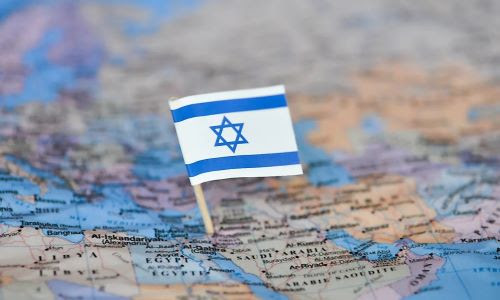
Something profound is happening beneath the surface of one of the world’s most enduring alliances. It isn’t marked by dramatic speeches, broken treaties, or public ultimatums. Instead, it is unfolding quietly — through budget decisions, weapons manufacturing plans, and a subtle reordering of trust. The relationship between the United States and Israel is not ending. But it is changing. And for those watching history through a biblical lens, the shift feels uncannily familiar.
For nearly eight decades, the U.S.-Israel bond has been one of modern history’s most remarkable partnerships. America stood with Israel from its earliest days, and over time that support hardened into an institutional alliance. Military aid became the centerpiece — not merely as charity, but as strategy.
Roughly $3.8 billion annually has flowed to Israel in recent years, primarily earmarked for defense. Much of that money, by design, cycles back into American defense firms producing jets, missiles, radar systems, and munitions. The relationship strengthened both nations — Israel gained security guarantees, and the U.S. sustained a powerful military-industrial ecosystem.
Beyond governments, the alliance was reinforced by people — particularly American Christians. Evangelicals, in particular, have been among Israel’s most steadfast supporters, seeing the Jewish state not only as a strategic ally but as part of a larger redemptive story. Support for Israel was once one of the rare bipartisan moral constants in American politics.
That consensus, however, is cracking.
On the American right, a growing faction of conservatives now questions the necessity of continued aid. Figures like Senator Rand Paul argue that Israel is a wealthy, technologically advanced nation fully capable of defending itself. For them, the issue isn’t hostility toward Israel — it’s sovereignty, fiscal restraint, and resistance to endless foreign entanglements. In their view, aid creates dependency, and dependency invites interference.
Ironically, Israel has come to a similar conclusion — from the opposite direction.
Over the past two years, Israeli leaders have learned a sobering lesson: aid is never free. Assistance comes with expectations, pressure, and sometimes restraint. During the Biden administration, weapons deliveries became political tools, slowed or scrutinized amid disagreements over Gaza and broader regional strategy. Even when aid ultimately arrived, the message was unmistakable — support could be conditioned, delayed, or leveraged.
That reality has pushed Israel toward a historic pivot.
Prime Minister Benjamin Netanyahu recently announced a sweeping, decade-long plan to invest more than $100 billion into building an independent Israeli munitions and defense manufacturing base. The stated goal was clear: reduce reliance on all external suppliers — including friends. Israel is accelerating domestic production of ammunition, weapons systems, and strategic materials. This is not a symbolic gesture. It is a declaration of intent.
Israel is preparing for a future where it may stand increasingly alone.
This doesn’t mean abandoning the U.S. alliance. Israeli officials have floated the idea of replacing traditional aid with joint defense initiatives — partnerships rather than patronage. Cooperation without control. Collaboration without conditions. But make no mistake: the era of unquestioned reliance is ending.
For students of biblical prophecy, this development raises a striking question. America — despite its global power — is notably absent from end-times Scripture. Nations like Persia, Magog, and others are named. Israel stands at the center. But no superpower ally comes riding to the rescue. In Ezekiel 38, Israel faces invasion largely alone — and it is God Himself who intervenes.
For decades, many wondered how that scenario could ever align with a world dominated by American influence. Why would the United States not appear? Why would it not intervene?
Perhaps we are beginning to see how.
As America grows more divided, more inward-focused, and more ideologically fractured, support for Israel is no longer guaranteed. The Democratic Party base has moved sharply away from reflexive backing of Israel, increasingly viewing it through the lens of colonialism and power imbalance rather than shared values. A future administration shaped by that worldview may have little appetite for defending Israel diplomatically — let alone militarily.
Israel, it seems, is preparing for that possibility.
This is not panic. It is prudence. It is a nation forged in survival recognizing that in the most critical moments of history, alliances can falter. Treaties can weaken. Public opinion can shift overnight. And when that happens, only God — and national resolve — remain.
The U.S.-Israel relationship is not collapsing. But it is maturing into something leaner, less sentimental, and more sober. A friendship no longer built on dependency, but on mutual respect and clear-eyed realism.
Whether one views this moment politically or prophetically, the implications are undeniable. Israel is positioning itself for a future where it answers first to its own people — and ultimately, to God alone.
And in that quiet repositioning, Scripture watchers may be witnessing not the weakening of Israel’s security — but the alignment of history with prophecy.
SIGNS OF THE TIMES
Pharmakeia: The World’s Seniors Are Being Overmedicated Into Oblivion

So many seniors that were once so full of life are now just shadows of their former selves. It can be really easy to assume that they are “just getting old” and that nothing unusual is happening to them. But the truth is that in so many cases the reason why America’s seniors are shutting down is because they are simply being overmedicated.
Our entire medical system has been designed to push pills, and so when our seniors seek medical help that is usually the solution that they are offered. As you will see below, the proportion of our seniors that are on at least 8 pharmaceutical drugs is truly alarming.
Of course those that consume pharmaceutical drug cocktails on a daily basis for an extended period of time are quite likely to experience very serious consequences.
Most people don’t realize that modern terms such as “pharmacy” and “pharmaceutical” originally come from the Greek word “pharmakeia”…
The word “pharmacy” has a fascinating origin story that’s as complex as the practice itself.
It comes from the Greek word “pharmakeia”, which referred to “the practice of the druggist”. But here is the twist: “phármakon”, the root of the term, was a double-edged sword – it meant a plant or herb that could be used for either healing or harmful purposes, blurring the line between medicine and poison.
No society in the entire history of the planet has taken “pharmakeia” to the extremes that we have.
We are the most drugged nation that the world has ever seen, and this is particularly true for our seniors.
The Wall Street Journal recently interviewed an 83-year-old woman named Barbara Schmidt that has “filled prescriptions for more than a dozen different drugs in the past year”…
For years, Barbara Schmidt’s family feared an illness was behind a pattern of terrifying falls that repeatedly landed the 83-year-old great-grandmother in surgery with broken bones. Instead, Schmidt’s frequent tumbles might have been tied to something else: medications intended to make her better.
Schmidt, who lives with her husband of 65 years in Lewes, Del., filled prescriptions for more than a dozen different drugs in the past year, according to pharmacy and medical records.
After taking so many medications in such a short period of time, it really is a miracle that she is still alive today.
But she is far from alone.
The Wall Street Journal discovered that one out of every six seniors that is enrolled in Medicare’s drug benefit has been prescribed at least 8 different pharmaceutical drugs…
That isn’t unusual for America’s seniors, according to a Wall Street Journal analysis of Medicare data. One in six of the 46 million seniors enrolled in Medicare’s drug benefit, which pays for most drugs taken by older Americans, were prescribed eight or more medications.
Millions upon millions of our seniors are literally being drugged into oblivion.
One of the problems is that seniors often visit multiple physicians, and that can result in a lot of confusion…
Pharmacists who work with seniors say doctors might not be aware of their patients’ full medication list. Patients don’t always mention what their other doctors have prescribed when a history is taken, and specialists might not have access to a shared medical record.
The Journal analysis found that, among seniors taking eight or more drugs, it was common for the prescriptions to come from a large number of doctors.
Of course it isn’t just seniors that are being overmedicated.
One recent survey found that 70 percent of U.S. adults are currently taking at least one pharmaceutical drug, and nearly a quarter of U.S. adults are currently taking at least four pharmaceutical drugs…
Recent CivicScience poll results reveal the picture of maintenance prescription drug use in the U.S. has shifted dramatically. The number of U.S. adults who report taking at least one prescription medication per day is now 70%, a 14 percentage-point increase from 2019 data.
Additionally, the percentage of people taking four or more prescription medications daily in the US has increased by six percentage points, from 18% to 24%. An increasing number of prescriptions equals less and less wiggle room in budgets already tightened due to inflationary prices.
It is an insanely profitable industry, and that is why we constantly see ads for pharmaceutical drugs on television.
They desperately want more “customers”, and seniors are the easiest target.
According to the official CDC website, 89 percent of Americans that are 65 years or older are currently taking at least one pharmaceutical drug…
Among adults aged ≥65 years, men (89.0%) and women (89.3%) were equally likely to take prescription medication. Prescription medication use increased with age, from 48.4% for those aged 18-44 years to 89.2% for those aged ≥65 years, and this pattern of increasing use with age was observed for both men and women.
We take more pharmaceutical drugs than anyone else in the world.
So why is our life expectancy below average compared to other industrialized nations?
I think that is a really important question.
When our seniors go to see their doctors, they are often not properly informed about the potential side effects of the drugs that they are being prescribed.
Let me give you an example.
Zoloft is the number one antidepressant in the United States, but most of those that are taking it do not realize that it has an extremely long list of side effects.
But don’t just take my word for it. The following comes from the official Zoloft website…
ZOLOFT may cause serious side effects. Call your healthcare provider right away if you have any of the following symptoms, or call 911 if there is an emergency.
1. Suicidal thoughts or actions:
ZOLOFT and other antidepressant medicines may increase suicidal thoughts or actions in some people 24 years of age and younger, especially within the first few months of treatment or when the dose is changed.
Depression or other serious mental illnesses are the most important causes of suicidal thoughts or actions.
Watch for these changes and call your healthcare provider right away if you notice new or sudden changes in mood, behavior, actions, thoughts, or feelings, especially if severe.
Pay particular attention to such changes when ZOLOFT is started or when the dose is changed.
Keep all follow-up visits with your healthcare provider and call between visits if you are worried about symptoms.
2. Call a doctor right away if you or a person you know who is taking ZOLOFT has any of the following symptoms, especially if they are new, worse, or worry you:
-thoughts about suicide or dying
-attempts to commit suicide
-new or worse depression
-new or worse anxiety
-feeling very agitated or restless
-panic attacks
-trouble sleeping (insomnia)
-new or worse irritability
-acting aggressive, being angry, or violent
-acting on dangerous impulses
-an extreme increase in activity and talking (mania)
-other unusual changes in behavior or mood
3. Serotonin Syndrome. This condition can be life-threatening and symptoms may include:
-agitation, hallucinations, coma, or other changes in mental status
-racing heartbeat, high or low blood pressure
-coordination problems or muscle twitching (overactive reflexes)
-nausea, vomiting, or diarrhea
-sweating or fever
-muscle rigidity
4. Increased chance of bleeding: ZOLOFT and other antidepressant medicines may increase your risk of bleeding or bruising, especially if you take the blood thinner warfarin (COUMADIN(r), JANTOVEN(r)), a non-steroidal anti-inflammatory drug (NSAIDs, like ibuprofen or naproxen), or aspirin.
5. Manic episodes. Symptoms may include:
-greatly increased energy
-racing thoughts
-unusually grand ideas
-severe trouble sleeping
-reckless behavior
-excessive happiness or irritability
-talking more or faster than usual
6. Seizures or convulsions.
7. Glaucoma (angle-closure glaucoma). ZOLOFT may cause a certain type of eye problem called angle-closure glaucoma. Call your healthcare provider if you have eye pain, changes in your vision, or swelling or redness in or around the eye. Only some people are at risk for these problems. You may want to undergo an eye examination to see if you are at risk and receive preventative treatment if you are.
8. Changes in appetite or weight.
9. Low salt (sodium) levels in the blood. Elderly people may be at greater risk for this. Symptoms may include headache, weakness or feeling unsteady, confusion, problems concentrating or thinking, or memory problems.
10. Sexual problems (dysfunction). Taking selective serotonin reuptake inhibitors (SSRIs), including ZOLOFT, may cause sexual problems.
There are many other drugs that literally list “death” as one of the potential side effects.
And earlier this year it was being reported that adverse reactions to pharmaceutical drugs have now become the third leading cause of death in the United States…
In 2021, the American Society of Pharmacovigilance (ASP) launched the Fourth Cause Campaign to raise awareness that adverse drug events (ADEs) were the fourth leading cause of death in the United States. Today, new data confirm a troubling and unacceptable reality–ADEs have now surged to become the third leading cause of death. An internal analysis conducted by ASP projects that adverse drug events now account for over 250,000 deaths annually, surpassing stroke and respiratory disease, making it the third leading cause of death in the United States.
What we are witnessing is truly a national tragedy.
But the big news networks aren’t going to talk much about it, because the pharmaceutical companies are their biggest advertisers.
And our politicians are unlikely to push for major reform, because the pharmaceutical companies pour vast amounts of money into their campaigns.
Money is power, and the pharmaceutical industry is absolutely swimming in cash.
If you are waiting for major change to happen, you may find yourself waiting for quite a while.
GOG AND MAGOG UPDATE
Magog / Iran president says US, Israel, Europe waging ‘full-fledged war’ on country
If Israel and the US were to attack Iran again, they would ‘face a more decisive response’, Pezeshkian warns.
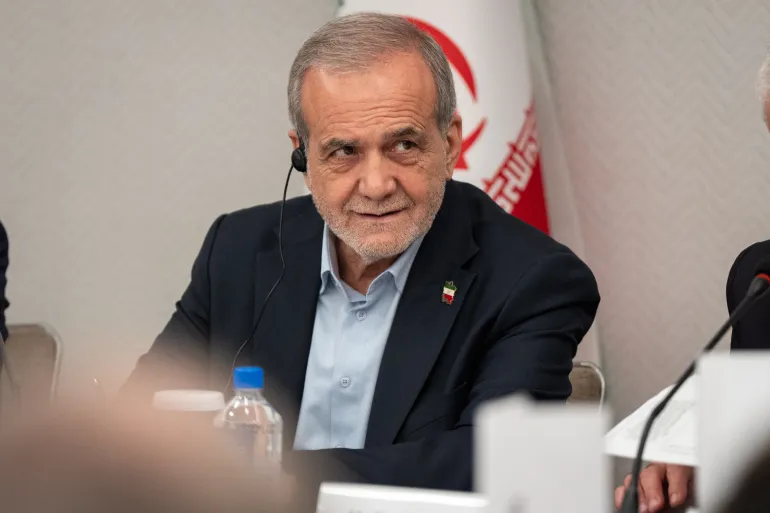
Iranian President Masoud Pezeshkian says that the United States, Israel and Europe are waging a “full-fledged war” against his country.
The president’s remarks on Saturday came ahead of Israeli Prime Minister Benjamin Netanyahu’s meeting on Monday with US President Donald Trump.
They also come six months after Israel and the US launched their 1st Attack on Iran , and after France, Germany and the United Kingdom reimposed United Nations sanctions on Iran in September over its nuclear programme.
“In my opinion, we are in a full-fledged war with America, Israel and Europe. They do not want our country to stand on its feet,” Pezeshkian told the official site of Supreme Leader Ayatollah Ali Khamenei in an interview.
“Our dear military forces are doing their jobs with strength, and now, in terms of equipment and manpower, despite all the problems we have, they are stronger than when they [Israel and the US] attacked,” he said.
“So, if they want to attack, they will naturally face a more decisive response.”
TruLight Ministry News
TruLight Ministries orders from God since 2012 . Teach Them , Comfort Them and Warn Them!
////////////
TruLight Ministries opdrag vanaf God sedert 2012. Leer hulle, Troos hulle en Waarsku hulle!
The TruLight Top 10 . NR 1 s for 2025
The TruLight Top 10 broadcast-ed on TruLight Radio XM Saturdays at 17h00 is now also available on Video format via TruLight TV with your Host Dilize Light. Every week on Saturdays afternoon at 17h00 GMT + 2 We count down the TruLight Gospel Top 10 by votes.
Doctrine of Demons – Teaching for the Christian , Discerning the spirits
Share this Feeding of Manna with your Friends and Family. just click on the Social Media icon and share !