Hosted by TruLight Ministries – The Place of Truth
SELECT YOUR READING LANGUAGE – BOTTOM LEFT = YOUR DAILY MANNA NOW AVAILABLE IN 103 LANGUAGES
For the Next 5 Days . we will Look into the
“Fruits of the Spirit!”
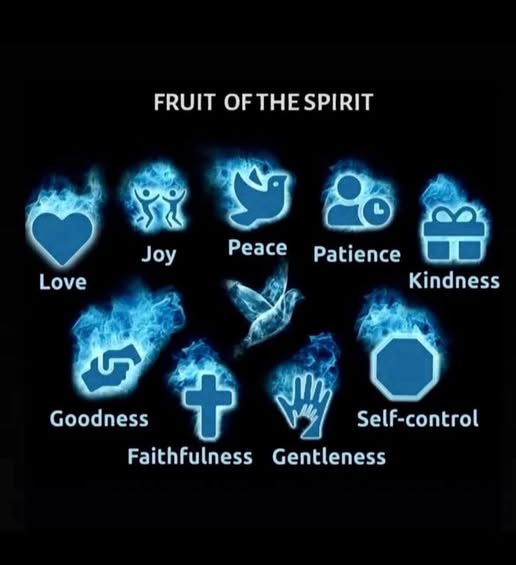
KINDNESS = Galatians 5:22-23 lists the fruit of the Spirit—the resulting character of someone who is allowing the Holy Spirit to develop maturity in his or her life. The fifth characteristic, kindness, is called “gentleness” in the KJV.
The Greek word for “kindness” is chrēstotēs. It means “benignity, tender concern, uprightness.” It is kindness of heart and kindness of act.
Kindness is the characteristic that led God to provide salvation for us (Titus 3:4-5; Romans 2:4; 11:22). Kindness leads God to give us green pastures, quiet waters, and the restoration of our souls when we’re weary (Psalm 23:2-3). It is God’s tender care that makes Him want to gather us under His wings, to protect us and keep us close to Him (Psalm 17:8; 36:7; 61:4; Matthew 23:37). God expressed kindness when He provided for Elijah and the widow of Zarephath during a drought—and He showed more kindness later when He raised the widow’s only son from the dead (1 Kings 17:8-24). When Sarah exiled Hagar and Ishmael, God gave the outcasts kindness in the form of water and hope (Genesis 21:9-21). On multiple occasions, kindness induced Jesus to stop what He was doing and help others in need (Mark 6:34; Mark 7:29; Mark 10:46-52). And kindness leads the Good Shepherd to rescue us when we stray (Luke 15:3-7). In kindness He “gathers the lambs in his arms and carries them close to his heart; he gently leads those that have young” (Isaiah 40:11).
When we exhibit the kindness of God, we are tender, benevolent, and useful to others. Every action, every word will have the flavor of grace in it. To maintain this attitude toward those we love is hard enough. To express kindness toward those who are against us requires the work of God (2 Corinthians 6:4-6). That is why kindness is a fruit of the Spirit.

Bible Verse and Prayer for Today
Hear, O Israel: The Lord our God, the Lord is one. Love the Lord your God with all your heart and with all your soul and with all your strength.
—Deuteronomy 6:4-5
So many times the evil one seduces us into a flat, 2-dimensional Christianity — going to church and doing good things. However, God calls us to a three-dimensional faith — one that involves our heart, soul, and strength (body). He wants us to love him with all of our heart, all our inner being, and all of our actions used mightily for him. God wants us completely aligned with his ways, his character, his compassion, and his faithfulness in every facet of our being.
Hear, O [people of God]: The Lord our God, the Lord is one. Love the Lord your God with all your heart and with all your soul and with all your strength.
Yes! Three-dimensional faith. Three-dimensional discipleship.
Prayer
Dear Heavenly Father, I honor you as God Almighty. I appreciate all the kindness and blessings you have lavished on me. I love you because you first loved me in Jesus. I honor you as the universe’s Creator and greatest power. I am humbled by the sacrificial and redemptive love you have shared with me in Jesus. I worship you with all I am — heart, soul, and strength — because you are worthy of my worship. Father, my heart desires to demonstrate my love, respect, appreciation, and worship for you in all I love, am, and do. I offer this prayer to you, dear Father, in the mighty name and through the intercession of Jesus. Amen and Amen
Bible Teaching of the Day
Putting on Kindness : In Colossians 3:12, the apostle Paul urges believers to put on kindness, along with compassion, humility, gentleness, and patience. He uses the metaphor of wearing new clothing to illustrate the change that occurs when someone becomes a follower of Jesus Christ. As Christians, we adopt a new identity in Christ, throwing off our “old sinful nature” and “former way of life, which is corrupted” and putting on our “new nature, created to be like God—truly righteous and holy” (Ephesians 4:22–24, NLT; see also Romans 13:12–14; Colossians 3:5–10).
Putting on kindness means demonstrating goodness and uprightness toward others. In Colossians 3:12, “kindness” (chrēstotēta in the original Greek) is the moral quality of being warmhearted, considerate, humane, gentle, and sympathetic. It describes practical love in action, a love that thinks as much of others’ concerns as our own. Putting on kindness involves actively looking for opportunities to bless others through acts of compassion, even in small daily interactions.
When we put on kindness, it is more than a mere act; it is an inner attitude and a way of being. Kindness reflects God’s nature (see Jeremiah 9:24; Acts 14:17; Ephesians 2:7; Titus 3:4–5), encompassing empathy, generosity, and genuine concern for others. We must align our attitudes and actions with God’s character to truly show kindness. We must become imitators of God (see Ephesians 5:1), walking in His love (see Ephesians 5:2; Colossians 3:14; John 13:34), being filled with His Spirit (see Ephesians 5:18), and letting Him guide our thoughts, words, and deeds (see Galatians 5:16–26).
Kindness is directly linked to compassion in Paul’s list of spiritual clothing. Compassion is the ability to feel for others and understand their struggles. Compassion moves us to act on behalf of others, just as God and Jesus have done (see Psalm 103:13–14; 145:8–9; Matthew 9:36). We can do this through comforting words, a helping hand, or simply being present. By nurturing compassion within ourselves, we foster a heart that is always ready to extend kindness.
Humility, gentleness, and patience are also linked to putting on kindness. When we humble ourselves like Christ, we become more receptive to the needs of others and more willing to serve them selflessly. Gentleness brings a tender touch to kindness. It softens our interactions and helps heal wounds. When we put on gentleness, we approach every situation with words and actions that uplift others rather than cause harm. Patience allows kindness to thrive in the face of adversity. We endure challenging situations and people without losing our temper or becoming discouraged. By practicing patience, we give others the grace to grow and the time to heal.
Forgiveness is also a crucial aspect of kindness. We face one of the biggest obstacles to showing kindness when we feel someone has wronged us. If we carry around our grievances, our garment of kindness gets pushed to the back of the closet. For this reason, Paul instructs us next to “make allowance for each other’s faults, and forgive anyone who offends you. Remember, the Lord forgave you, so you must forgive others” (Colossians 3:13, NLT). Putting on kindness means learning to deal graciously with one another.
Ultimately, we are to put on love over all these virtues. Love serves as the overcoat that binds everything in our outfit together in perfect unity (see Colossians 3:14; 1 Corinthians 13:13; Romans 13:10). The apostle Peter affirms, “Above all, love each other deeply, because love covers over a multitude of sins” (1 Peter 4:8).
How do we put on kindness in a practical sense? We do it by giving others our full attention and showing genuine interest in their lives. We speak words that encourage and uplift and avoid harsh or judgmental language. We seek ways to help others, share resources, and offer support. We express appreciation for the kindness we receive. We forgive freely, let go of grudges, show mercy, and understand that kindness involves second chances.
Living out kindness will transform our hearts and the lives of those around us, creating a ripple effect of joy, peace, unity, and love. As we commit to wearing kindness daily, we reflect God’s love and inspire others to do the same. As followers of Christ, may we embrace kindness wholeheartedly, allowing it to shape our interactions and define our character so that we become true vessels of God’s grace in the world.
Today’s Devotional
Kindness is an attribute of God’s nature and personality associated with His compassion, generosity, mercy, favor, goodness, and love. The Bible says, “The Lord is good to all; he has compassion on all he has made” (Psalm 145:9). God’s kindness extends to all people. He gives both the evil and the good, the just and the unjust sunlight and rain, provision of food, and joyful hearts (Matthew 5:45; Matthew 7:11; Luke 6:35; Acts 14:17). Scripture’s most brilliant unveiling of the kindness of God is seen in His actions toward undeserving sinners like us.
“Kindness” (or “lovingkindness” and “everlasting kindness”) in the Old Testament is usually a translation of the Hebrew word hesed (see Isaiah 54:8; 63:7; Jeremiah 9:24). Hesed implies faithfulness to a relationship. More than describing an emotion or feeling toward someone, this term encompasses actions and behaviors. The kindness of God flows from His love and loyalty to those with whom He has established a covenant relationship (see Genesis 19:19; Ruth 2:20; Ezra 9:9; Hosea 11:4).
People show God’s kindness by acting in loyal, loving ways toward those with whom they are in a relationship. Because of his profound friendship with Jonathan, David exhibited the kindness of God to Jonathan’s son, Mephibosheth, granting him the right to always eat at the king’s table (2 Samuel 9:1–13).
In the New Testament, several Greek words are translated as “kindness.” Chrēstotēs is the most prevalent and carries the idea of moral goodness that empowers a person to be kind toward others, even one’s enemies. The apostle Paul used this term often to express the limitless kindness of God toward lost and unworthy sinners: “At one time we too were foolish, disobedient, deceived and enslaved by all kinds of passions and pleasures. We lived in malice and envy, being hated and hating one another. But when the kindness and love of God our Savior appeared, he saved us, not because of righteous things we had done, but because of his mercy. He saved us . . . through Jesus Christ our Savior, so that, having been justified by his grace, we might become heirs having the hope of eternal life” (Titus 3:3–7).
The kindness of God is most fully revealed to us in His gift of salvation provided through His Son, Jesus (John 3:16; 1 John 4:9). God demonstrated “the incomparable riches of his grace” and “his kindness to us in Christ Jesus” (Ephesians 2:7). “While we were still sinners,” God sent His son to die for us (Romans 5:8). Christ willingly came to earth as a humble servant. He lived to help us and sacrificed His life on the cross to save us—the spiritually impoverished. Our Savior’s mission displays the ultimate extent of God’s kindness and love (Philippians 2:1–11; John 13:1). Therefore, as God’s children, how can we do anything less than imitate the kindness of God in our dealings with others (Colossians 3:12–17)?
In Romans 2:3–4, Paul cautions believers against hypocrisy and judgmentalism. Our heavenly Father is not a heartless dictator but a tender, merciful, forgiving God (Psalm 25:6; Daniel 9:9; Ephesians 2:4; James 5:11; 1 Peter 1:3). As Christ’s followers, we must not treat sinful people harshly, bringing condemnation and judgment. Instead, we must show the same patience, tolerance, and kindness we have received from the Lord. Since He was kind to us as sinners, we must extend that kindness toward others.
Excellent examples of the kindness of God demonstrated by people in the New Testament include Joseph’s gentle handling of Mary when he learned she was pregnant (Matthew 1:19), the centurion’s concern for his sick servant (Luke 7:2–6), the apostle John’s taking Mary into his home after Christ’s death (John 19:27), and Julius’ and Onesiphorus’ treatment of Paul (Acts 27:3; 2 Timothy 1:16–18).
The Lord is kind, merciful, and compassionate (Deuteronomy 24:21; Psalm 68:5; 103:13; Acts 20:35). Because of the kindness of God, we have been given everything we need for life (2 Peter 1:3). God’s kindness is a characteristic of His unconditional love (1 Corinthians 13:4) and a fruit of the Holy Spirit (Galatians 5:22). For this reason, the Lord requires His people to love kindness (Micah 6:8) and always be disposed to sharing it with others (Zechariah 7:9; Proverbs 31:26; Matthew 5:7; Luke 6:36; Ephesians 4:32; 1 Timothy 5:8).

Bible Prophecy, Signs of the Times and Gog and Magog Updates with Articles in the News
Trump Is The Pressure Point For Europe To Unite – Another Prophetic Footprint?

At an emergency summit of European Union leaders in Brussels, the building blocks of a new continental order were quietly taking shape. Europe is no longer debating abstract ideals; it is actively pursuing the foundation of a “super Europe” — bigger, stronger, and capable of standing independently in a world dominated by unpredictable powers.
The driving force behind this transformation is unmistakable: Donald Trump. His blunt, transactional approach to diplomacy — demanding greater burden-sharing, questioning alliances, and challenging long-standing norms — exposed Europe’s vulnerability. For decades, the continent relied on American guarantees for security, trade, and stability. Trump stripped away that assumption, forcing Europe to confront a stark reality: dependence is a risk.
“This is not a cosy place,” German Chancellor Friedrich Merz said in Davos, describing a global order changing at an “unprecedented pace.” “Europe has got the message,” he added, promising an ambitious reform agenda centered on security, competitiveness, and unity. A day after the summit, Merz signed an accord pledging close coordination with Italy’s Giorgia Meloni, signaling that Europe’s two most influential leaders are aligned in their vision of integration.
European Commission President Ursula von der Leyen acknowledged the challenge: “We know we have to work for a more independent Europe. This is not something which happens overnight. This is hard work.” Danish Prime Minister Mette Frederiksen reflected on the continent’s newfound cohesion: “When Europe is not divided, when we stand together, and when we are clear and strong…results will show. I think we have learned something in the last days and weeks.”
Enlargement is central to Europe’s new strategy. Nine nations are now knocking at the EU’s door. Montenegro and Albania are closest to accession, while North Macedonia, Kosovo, Bosnia and Herzegovina, and Serbia are waiting in line. Moldova and Georgia applied following Russia’s invasion of Ukraine, and Iceland could hold a referendum on membership — partly as protection against U.S. assertiveness. Belgian Prime Minister Bart De Wever explained: “People want to join the European Union. Nobody wants to join China. No neighbour of the United States wants to join the United States. Because we have respect, we have the rule of law. We do speak softly.”
If the EU incorporates the Balkans, Moldova, Georgia, Ukraine, and Iceland, its territory could expand by almost 400,000 square miles, and its population could swell by 57 million. A European official emphasized: “In this new world, size matters. It will make our single market larger, it will bring stability and security.” To achieve this, Brussels envisions a “multi-speed Europe,” bending old integration rules and creating a flexible structure where nations like Britain could maintain close ties without full membership.
Trump’s pressure accelerated this transformation. By forcing Europe to defend its own interests, he has spurred initiatives that might otherwise have taken decades. Europe’s response — enlargement, centralization, and strategic autonomy — reflects a continent awakening to its own potential power, almost unintentionally.
Europe’s strengths make this ambition plausible. Its single market rivals the United States in scale, its regulatory authority shapes global commerce, and military spending is rising. Yet Europe’s weaknesses remain: cultural fragmentation, economic unevenness, and political divisions. Centralized authority is proposed as the solution — fewer vetoes, faster votes, and tighter compliance.
And here is where history and prophecy converge. For centuries, scholars have identified Europe as the heir to the ancient Roman Empire. The prophet Daniel envisioned a final kingdom symbolized by a statue whose ten toes were “partly iron, partly clay” — strong yet fragile, united yet fractured. Revelation describes a coalition of nations that ultimately consolidates power under a single leader. From the Holy Roman Empire to modern EU institutions, the impulse to unify Europe under centralized authority has repeatedly resurfaced, especially in moments of crisis.
Many theologians believe the Antichrist will emerge from this framework — not as a chaotic revolutionary, but as a polished political figure offering order amid instability, peace amid fear. Ironically, in reacting to external pressure from leaders like Trump, European elites are accelerating the centralization of power — reducing national sovereignty, sidelining dissenting states, and empowering supranational institutions in ways that align uncannily with the prophetic vision.
This is not to suggest Europe’s ambitions are inherently sinister. Cooperation can prevent war, and collective defense can deter aggression. But history shows that empires rarely remain purely administrative. Power centralizes. Crisis justifies control. Leaders arise who promise salvation — at a cost.
Trump did not create Europe’s imperial instinct. He exposed it. By stripping away the illusion of guaranteed American backing, he forced Europe to choose between dependence and dominance. Europe has chosen to integrate — rapidly, deliberately, and with growing confidence.
Whether this transformation becomes a force for stability or sets the stage for the darker currents of history and prophecy remains uncertain. One thing is undeniable: Europe is no longer merely a participant in world affairs. It is preparing to rule within them.
85 Seconds To Midnight? God’s Clock Tells A Different Story

The world is holding its breath. The Bulletin of Atomic Scientists has moved the “Doomsday Clock” to 85 seconds to midnight–the closest humanity has ever come to total annihilation since the clock’s creation nearly 80 years ago. Nuclear weapons, climate disasters, and artificial intelligence are all cited as ticking threats. Alexandra Bell, the group’s president, warned bluntly, “Humanity has not made sufficient progress on the existential risks that endanger us all. Every second counts, and we are running out of time.”
The headlines are terrifying. The U.S.-Russia arms treaty is expiring, atmospheric carbon dioxide is at record levels, AI-driven misinformation spreads like wildfire, and global tensions are rising. Daniel Holz, chair of the Bulletin’s science board, even called out the increasing aggression of nationalistic governments, warning that history shows unaccountable leaders bring misery and conflict. From a human perspective, the world seems dangerously unstable, teetering on the edge of catastrophe.
Yet for Christians, this is not a reason to panic–it is a reason to look up. While secular warnings paint humanity as helpless, Scripture paints a very different picture: God is sovereign. History is not random. The end of the age is not a mystery hidden from His people. In fact, God has laid out a perfect, unshakable timetable, visible through His prophetic Word.
But the story doesn’t end there. Scripture points to other milestones that indicate the nearness of the end: the return of more Jews to Israel (Ezekiel 37), the rebuilding of the temple in Jerusalem (Daniel 9; 2 Thessalonians 2), and global conflict targeting God’s people, including the prophetic Gog and Magog War (Ezekiel 38-39). Each of these events acts like a hand on God’s divine clock, marking the approach of the final chapter of human history.
False Peace and Global Unrest
Secular experts warn of global instability–but Scripture warns of even more: deceptive peace. Matthew 24:6-7 and 1 Thessalonians 5:3 describe a world plagued by wars, rumors of wars, and promises of stability that cannot last. Daniel 9:27 specifically references a covenant of peace that will be confirmed and then broken, signaling the approach of unparalleled tribulation. Today, headlines about rising nationalism, AI-driven chaos, and false political alliances echo the patterns described in Scripture centuries ago. The world may seem out of control, but God’s plan is unfolding exactly as foretold.
Technology, Weapons, and Human Fear
From nuclear arsenals to artificial intelligence, humanity has created tools capable of unimaginable destruction. The Doomsday Clock ticks ever closer to midnight, warning of catastrophic consequences. But the Bible reminds believers that these developments are not random–they are instruments within God’s sovereign plan. Revelation 6-8 describes calamities and global upheaval, yet they are framed as God-directed judgments, not uncontrolled disasters. Each crisis, each news report of rising tension or technological risk, is a signpost pointing to the fulfillment of prophecy.
Watchfulness Over Fear
Ultimately, the fulfillment of prophecy, especially through Israel, should inspire vigilance, not panic. Every war, every natural disaster, and every geopolitical flashpoint aligns with what Scripture foretold. While scientists measure seconds, God measures ages. 2 Timothy 1:7 reminds us, “For God has not given us a spirit of fear, but of power and of love and of a sound mind.” The Doomsday Clock may terrify the world, but believers can rest in the certainty that history unfolds under the guidance of the Almighty.
Israel’s rebirth, the gathering of Jews back to the land, the potential rebuilding of the temple, false peace agreements, and escalating conflicts are all part of God’s divine narrative. The secular clock may tick ever closer to midnight, but for those who trust in Him, the end times are not chaotic–they are perfectly orchestrated.
The warning from the Bulletin should serve as a call to reflection and prayer. Humanity’s plans are fragile, but God’s plan is unshakable. While the world worries about catastrophe, Christians are reminded that nothing happens outside God’s sovereign control. The end is approaching, yes–but it is precisely timed, perfectly mapped, and guaranteed to fulfill God’s promises. The Doomsday Clock is a wake-up call for the world–but for those who watch God’s clock, there is no fear, only hope and assurance.
When the Magic Fades: Disney+ Adds Hundreds Of R-Rated And TV-MA Titles

For generations, the Disney name carried a near-sacred meaning in American households. It stood for innocence, imagination, and a safe place where parents could let their guard down. Disney wasn’t just entertainment; it was trust. That trust is now fraying–fast.
Beginning this February, Disney+ will undergo a dramatic transformation as it absorbs much of Hulu’s mature content. According to analysis from Concerned Women for America (CWA), the shift represents a staggering change: a more than 2,200% increase in R-rated movies and an 840% increase in TV-MA shows on a platform long marketed as family-friendly. What was once a digital living room for children has quietly become something far more complicated–and far more dangerous for families trying to protect their kids.
This is not about one or two questionable titles slipping through the cracks. The numbers tell a different story. Disney+ is moving from just 19 R-rated films to more than 439. TV-MA content will jump from 45 shows to over 425. Among the titles being introduced is Blue Is the Warmest Color, an NC-17-rated film known for explicit sexual content–the most restrictive rating in the Motion Picture Association system. This isn’t edge-case material. It’s adult content by design.
Parents are right to feel blindsided. When Disney+ launched in 2019, the company explicitly assured families that content would not exceed a PG-13 rating. Many households built their media routines around that promise. As CWA President Penny Nance bluntly put it, this shift represents a “betrayal of trust.” The concern isn’t merely moral outrage–it’s practical reality. Parents cannot monitor every click, every autoplay suggestion, or every thumbnail that flashes across a screen.
Disney executives argue that parental controls exist and that families can manage what their children see. But any parent knows this argument rings hollow. Controls are only as effective as their defaults, their clarity, and their consistency. When mature content appears on the same platform–sometimes even on the landing page, as critics noted last year with the TV-MA series Dying for Sex–the burden shifts entirely onto parents to constantly police what was once assumed safe.
This change also reflects a broader and more troubling trend across the streaming industry: the steady desensitization of children through platforms parents once trusted. Netflix has already faced scrutiny after CWA released a report finding that 41% of G-rated and TV-Y7 children’s series on the platform contained LGBT-related messaging. Across all youth-focused programming, one-third included such themes–often explicitly. Even programming aimed at the youngest viewers was not exempt.
The issue here is not simply the presence of adult themes somewhere on the internet. Parents understand the world is complicated. The issue is placement and expectation. When adult content is housed behind clear barriers, families can make informed choices. When it is folded into a brand explicitly built on childhood innocence, those barriers dissolve.
Disney’s motivation is not hard to discern. The company is under immense financial pressure in the streaming wars. Integrating Hulu content into Disney+ is a strategic move to boost engagement and push consumers toward bundled subscriptions, a strategy widely reported by outlets like The Los Angeles Times. But profitability should never come at the expense of children’s well-being–or parental trust.
CWA has offered reasonable alternatives: a clearly separated, lower-cost family-only tier; adult content placed on a distinct platform; parental controls that default to the most restrictive settings and automatically revert when profiles change. These are not radical demands. They are common-sense protections.
At stake is more than brand identity. It is the moral formation of children in a digital age where images shape values long before parents realize what their kids have absorbed. Childhood curiosity, once awakened too early, cannot easily be put back to sleep.
Disney built an empire on the promise that families could trust the magic. If that promise disappears, parents will not simply adapt–they will leave. And once trust is broken, no amount of rebranding can fully restore it.
The question now is simple: Will Disney remember who built its kingdom–or will it trade that legacy for short-term gains and leave families searching for safer ground elsewhere?
Manufactured Revelation: When ‘Prophets’ Use Data Harvesting

For centuries, false prophets have relied on the same basic tricks as mentalists and psychics–keen observation, confident delivery, and statements vague enough to feel personal. A wedding ring suggests relational concern. Age hints at health fears or career pressure. Emotional reactions fill in the rest. Where facts end, imagination takes over, and the listener unknowingly completes the illusion.
What has changed is not the deception–but the technology behind it.
From Cold Reading to Digital Surveillance
Before the internet, religious charlatans gathered information slowly and manually. Prayer request cards revealed illnesses, marital struggles, financial desperation, and unspoken fears. Telephone prayer lines doubled as intelligence-gathering tools, allowing “prophets” to record names, emotional vulnerabilities, and family details. Those same details were later repackaged as divine revelation, astonishing audiences who never realized they had already supplied the answers.
Social media has transformed that process into a precision operation.
Facebook posts announce divorces, miscarriages, job losses, diagnoses, and family conflict–often in real time. Instagram photographs quietly map social circles, travel habits, and aspirations. LinkedIn exposes career anxiety. Even a comment, follow, or “like” can signal political views, theology, or emotional wounds. To a deceptive spiritual operator, this is not casual information–it is a psychological profile.
The result is a new class of prophecy merchant: one who doesn’t need supernatural insight, only access to public data.
The Illusion of Divine Knowledge
This deceptive practice came into sharper public focus recently following YouTube Bible teacher Mike Winger’s detailed exposé of high-profile prophetic figure Shawn Bolz. Winger outlined multiple techniques allegedly used to create prophetic words that appear miraculous but are, in reality, constructed through data harvesting, strategic vagueness, and psychological manipulation.
One of the most troubling allegations was the systematic use of personal information–sometimes gathered directly, sometimes through assistants or online research–to craft “prophecies” tailored to individuals. These words feel intimate, specific, and unexplainable, precisely because they were engineered to be.
This is not accidental. It is not sloppy discernment. It is targeted spiritual profiling.
In many cases, vague prophetic statements are delivered publicly, allowing the recipient to supply the details themselves–a phenomenon psychologists call the Barnum Effect, where general statements feel uniquely personal. Once a person responds emotionally, additional cues are gathered in real time. The prophecy appears to deepen. The illusion strengthens. The authority of the “prophet” grows.
What looks like revelation is often rehearsal.
When Faith Becomes a Commodity
The danger here goes far beyond embarrassment or theological disagreement. False prophecies shape real-world decisions. People quit jobs, delay medical care, give away money, abandon relationships, or submit themselves to spiritual authority based on words they believe came from God.
When those words are manufactured using harvested data, the practice crosses from error into abuse.
This is spiritual manipulation disguised as intimacy with God. It monetizes vulnerability. It leverages trust. And it rewards emotional dependence on a personality rather than faithfulness to truth. The more dramatic the prophecy, the more viral the clip. The more viral the clip, the larger the platform–and the higher the financial and social payoff.
Modern prophecy culture, fueled by algorithms, rewards spectacle over substance. Correction spreads slowly. Emotional moments spread instantly. Critics are dismissed as “religious,” “bitter,” or accused of “quenching the Spirit,” while victims often stay silent, ashamed that their faith was used against them.
A Counterfeit of Biblical Prophecy
Biblical prophecy was never entertainment. It was accountable, often uncomfortable, and rooted in truth rather than affirmation. True prophets did not need background research. They did not flatter crowds. They were tested, questioned, and often rejected.
Modern prophecy merchants invert that model.
They thrive on applause, affirmation, and ambiguity. Their words are rarely falsifiable. When predictions fail, responsibility is shifted to the listener’s “lack of faith.” When words succeed, credit goes to the prophet’s “anointing.” Either way, the system protects itself.
Social media has only intensified this dynamic. When prophecy becomes content, discernment becomes collateral damage.
A Call to Discernment in a Digital Age
This moment should serve as a warning–not only about specific figures, but about a system that allows ancient deceptions to be amplified by modern tools.
The church is no longer facing merely false teaching. It is facing technologically enhanced false prophecy,
where data harvesting replaces divine revelation and emotional manipulation substitutes for spiritual authority.
Discernment in this age requires more than sincerity. It requires digital literacy. It requires theological grounding. And it requires the courage to question experiences that flatter rather than transform.
The Holy Spirit does not need Instagram analytics. God does not reverse-engineer revelation from Facebook posts. And prophecy that can be replicated by a marketing team with Wi-Fi is not prophetic–it is predatory.
The Final Question
The question now confronting believers is not whether prophecy exists–but whether they are willing to test it.
If the church continues to reward charisma over character, spectacle over substance, and emotional highs over biblical truth, it will continue to produce victims instead of disciples. Faith will erode. Trust will fracture. And many will walk away not from false prophets–but from God Himself, believing He failed them.
Scripture warns that false prophets would come, not dressed as villains, but speaking familiar language, offering hope, and promising access to divine certainty.
The tools have changed. The temptation has not.
And the cost–measured in wounded faith and shattered trust–is far too high to ignore.
TruLight Ministries Daily Entertainment

TruLight TV – I Am Not Ashamed!!!!!
Have you ever been embarrassed to call yourself a Christian? Unfortunately, Jesus has never been the most popular guy in society. However, if you call yourself a follower of Jesus you know the power behind the truth of the gospel. Watch this video and discover how to have the same confidence in Christ that Paul had. And our sermon today from Dr. Charles Stanley (Taking Advantage of the Privilege) – All the interactions we could never compare with having a personal relationship with the living God. Dr. Stanley explains how knowing God not only brings you peace, joy, and contentment, but also changes the very nature of your existence and how you experience eternity. learn more by watching today’s program. Enjoy!
Today on TruLight Radio XM
TruLight Radio XM 24/7
Program
GMT / UTC +2
Monday To Fridays
00:15 Words to Live By Testimonies
01.15 Science Scripture and Salvation
02.15 Ground Works
04.00 Gospel Concert of the Day
05.00 The Daren Streblow Comedy Show
5:55 It is Today devotional
6:00 Gaither Homecoming Morning Show
7:15 Discover the Word
8.15 Destined for Victory
8:55 Science Scripture and Salvation
9:00 Holy Spirit Hour – Normally Sermons
10:15 Hope of the Heart
11:15 Unshackled
11.45 Words to Live By
12:15 Truth for Life
13:15 Living on the Edge with Chip Ingram
14:15 Focus on the Family
15:00 Kids Hour
16:00 In Touch with Dr. Charles Stanley
16:30 Groundwork
17:15 Live in the Light
18:15 Renewing your Mind
19:00 Gaither Homecoming Show
20:15 Growing Hope
21:15 Adventures in Odyssey Radio Drama
21:45 Bible Reading
22:15 Night-sounds
23.00 Good Old Country Gospel / Rhema Gospel Express
VISIT THE WEBSITE
https://TruLightradioXM.org.za
TruLight Ministry News
TruLight Ministries orders from God since 2012 . Teach Them , Comfort Them and Warn Them!
End Time Articles :
Share this Feeding of Manna with your Friends and Family. just click on the Social Media icon and share !