SELECT YOUR READING LANGUAGE – BOTTOM LEFT = YOUR DAILY MANNA NOW AVAILABLE IN 103 LANGUAGES
@ TruLight – Daily Manna is not Just a Bible Verse with a Small Prayer . No WE SERVE DAILY Manna for the Whole Day . Breakfast , Lunch , Dinner , Plus tea Times and even Entertainment Manna . Plus News Manna and More , This Daily Manna will keep you Spiritually full for the full 48 Hours and even More to Share with your Friends and Family !!!
Living without God?
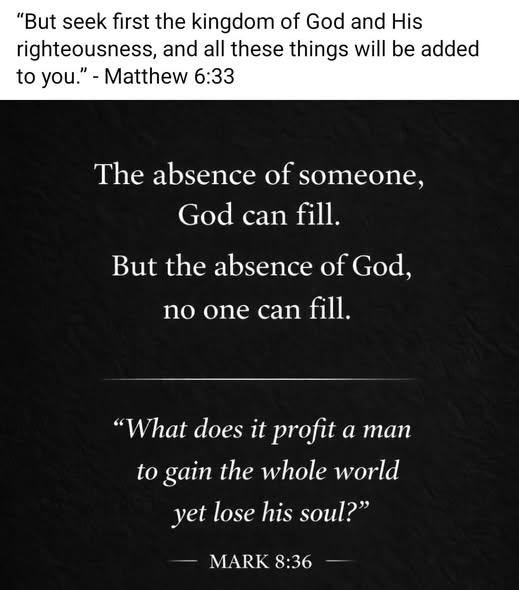
Contrary to the claims of atheists and agnostics through the centuries, man cannot live without God. Man can have a mortal existence without acknowledging God, but not without the fact of God.
As the Creator, God originated human life. To say that man can exist apart from God is to say that a watch can exist without a watchmaker or a story can exist without a storyteller. We owe our being to the God in whose image we are made (Genesis 1:27). Our existence depends on God, whether we acknowledge His existence or not.
As the Sustainer, God continuously confers life (Psalm 104:10-32). He is life (John 14:6), and all creation is held together by the power of Christ (Colossians 1:17). Even those who reject God receive their sustenance from Him: “He causes his sun to rise on the evil and the good, and sends rain on the righteous and the unrighteous” (Matthew 5:45). To think that man can live without God is to suppose a sunflower can continue to live without light or a rose without water.
As the Savior, God gives eternal life to those who believe. In Christ is life, which is the light of men (John 1:4). Jesus came that we may have life “and have it to the full” (John 10:10). All who place their trust in Him are promised eternity with Him (John 3:15-16). For man to live—truly live—he must know Christ (John 17:3).
Without God, man has physical life only. God warned Adam and Eve that on the day they rejected Him they would “surely die” (Genesis 2:17). As we know, they did disobey, but they did not die physically that day; rather, they died spiritually. Something inside them died—the spiritual life they had known, the communion with God, the freedom to enjoy Him, the innocence and purity of their soul—it was all gone.
Adam, who had been created to live and fellowship with God, was cursed with a completely carnal existence. What God had intended to go from dust to glory now was to go from dust to dust. Just like Adam, the man without God today still functions in an earthly existence. Such a person may seem to be happy; after all, there is enjoyment and pleasure to be had in this life. But even those enjoyments and pleasures cannot be fully received without a relationship with God.
Some who reject God live lives of diversion and merriment. Their fleshly pursuits seem to yield a carefree and gratified existence. The Bible says there is a certain measure of delight to be had in sin (Hebrews 11:25). The problem is that it is temporary; life in this world is short (Psalm 90:3-12). Sooner or later, the hedonist, like the prodigal son in the parable, finds that worldly pleasure is unsustainable (Luke 15:13-15).
Not everyone who rejects God is an empty pleasure-seeker, however. There are many unsaved people who live disciplined, sober lives—happy and fulfilled lives, even. The Bible presents certain moral principles which will benefit anyone in this world—fidelity, honesty, self-control, etc. But, again, without God man has only this world. Getting smoothly through this life is no guarantee that we are ready for the afterlife. See the parable of the rich farmer in Luke 12:16-21 and Jesus’ exchange with the rich (but very moral) young man in Matthew 19:16-23.
Without God, man is unfulfilled, even in his mortal life. Man is not at peace with his fellow man because he is not at peace with himself. Man is restless with himself because he has no peace with God. The pursuit of pleasure for pleasure’s sake is a sign of inner turmoil. Pleasure seekers throughout history have found over and over that the temporary diversions of life give way to a deeper despair. The nagging feeling that “something is wrong” is hard to shake off. King Solomon gave himself to a pursuit of all this world has to offer, and he recorded his findings in the book of Ecclesiastes.
Solomon discovered that knowledge, in and of itself, is futile (Ecclesiastes 1:12-18). He found that pleasure and wealth are futile (2:1-11), materialism is folly (2:12-23), and riches are fleeting (chapter 6).
Solomon concludes that life is God’s gift (3:12-13) and the only wise way to live is to fear God: “Let us hear the conclusion of the whole matter: Fear God, and keep His commandments: for this is the whole duty of man. For God shall bring every work into judgment, with every secret thing, whether it be good, or whether it be evil” (12:13-14).
In other words, there is more to life than the physical dimension. Jesus stresses this point when He says, “Man does not live on bread alone, but on every word that comes from the mouth of God” (Matthew 4:4). Not bread (the physical) but God’s Word (the spiritual) keeps us alive. It is useless for us to search within ourselves for the cure to all our miseries. Man can only find life and fulfillment when he acknowledges God.
Without God, man’s destiny is hell. The man without God is spiritually dead; when his physical life is over, he faces eternal separation from God. In Jesus’ narrative of the rich man and Lazarus (Luke 16:19-31), the rich man lives a pleasurable life of ease without a thought of God, while Lazarus suffers through his life but knows God. It is after their deaths that both men truly comprehend the gravity of the choices they made in life. The rich man realized, too late, that there is more to life than the pursuit of wealth. Meanwhile, Lazarus is comforted in paradise. For both men, the short duration of their earthly existence paled in comparison to the permanent state of their souls.
Man is a unique creation. God has set a sense of eternity in our hearts (Ecclesiastes 3:11), and that sense of timeless destiny can only find its fulfillment in God Himself.

Tea Time Manna
Be joyful in hope, patient in affliction, faithful in prayer.
—Romans 12:12
Sometimes the key to survival is simply “setting our jaw” and going on, faithfully trusting that God is there helping us, despite the apparent outward circumstances. Choosing joy through hope rather than dwelling on despair, choosing patient endurance in times of affliction, and choosing faithfulness in prayer when all circumstances are tough are all decisions of the will. They show that we trust God, who raised Jesus from the dead, can also change our circumstances because he hears our voice and loves us.
Everything seemed to suggest God was silent and had forgotten his Son when Jesus was in the tomb. We know now this wasn’t the case at all. We know that our triumph over sin, death, the evil one, and hell was happening during that silence. As we are being “joyful in hope, patient in affliction, faithful in prayer”, let’s also remain confident that he is at work for us in the times he appears to be silent and has abandoned us! Yes, we’re hopeful, we’re patient, and we’re faithful.
Prayer
Create in us, O Mighty God, resolute and steadfast hearts so that we might persevere with joy no matter the difficulties we face. We ask for this resilience, this joyful hope, patience in difficulties, and prayerfulness in hard times, in the name of your faithful and victorious Son. Amen and Amen
Bible Teaching of the Day
LUNCH MANNA =
In Matthew 6:19–34, part of Jesus’ Sermon on the Mount, our Savior focuses on the human tendency to spend our lives pursuing wealth, health, and security. We worry about how we will provide for our earthly needs, such as what we will eat and wear. Our priorities become divided and misdirected. But Jesus calls His followers to walk a different path, one that is free from anxiety and preoccupation with the cares of this life: “But seek first the kingdom of God, and his righteousness, and all these things will be provided for you” (Matthew 6:33, CSB).
How can we truly seek first His kingdom and His righteousness in a world brimming with distractions, temptations, and competing priorities? The starting place is to give precedence to our relationship with God and our obedience to Him. Above all else, we pursue living in a way that is pleasing to God and consistent with His righteous standards and character.
What is His righteousness? At its core, righteousness for the believer refers to being in right standing with God. It is not something achieved through good works but a gift received through faith: “This righteousness is given through faith in Jesus Christ to all who believe” (Romans 3:22). We can claim no righteousness of our own (Isaiah 64:6; Romans 3:10–12, 23; Philippians 3:9; Titus 3:5). His righteousness comes to us as a loving, merciful gift by grace through faith (Ephesians 2:4–10). So, first, we must receive God’s gift of salvation in Jesus Christ.
Then, to continue seeking first His righteousness, we must let God’s Spirit transform our hearts and minds so that our will aligns with God’s will and our actions begin to reflect His holiness (see Ezekiel 36:26–27; Romans 12:2; 2 Corinthians 3:18). It’s not about external obedience or legal observance of the law, but an internal posture of submission and dependence on the Lord. It means we look for every opportunity to let God rule and reign over our lives, surrendering our ambitions, desires, and plans to Him.
By urging us to seek first His righteousness, Jesus invites us to trust in God’s providence and provision. When we focus on His kingdom and righteousness, we shift our perspective from temporal concerns to eternal truths, finding peace and purpose in God’s plan. Jesus assures us that, when we place complete trust in God, He will provide for our needs. He is not offering a prosperity gospel promise but reminding us that God alone is our provider. He knows our needs and is faithful to care for us when we walk in His will.
Practically speaking, how can we seek first His righteousness?
Cultivate a Life of Prayer
Prayer is essential to seeking God’s kingdom and His righteousness (Jeremiah 29:12–13; Philippians 4:6–7). Through prayer, we connect with God, seek His guidance, and reorient our hearts with His desires. As we dedicate time each day to spend with Him, not only making requests but also listening to His voice, we grow closer to Him and more like Jesus.
Study and Meditate on Scripture
God’s Word is a lamp to our feet and a guiding light to our path (see Psalm 119:105). By immersing ourselves in the Bible, we come to understand His character, His promises, and His expectations. Regular study, meditation, and internalization of Scripture will equip us to live righteously and resist the temptations of the world.
Practice Obedience
The Bible says that faith without works is dead (see Matthew 7:21–23; Titus 3:8; James 1:27; 2:14–26). Seeking His righteousness requires us to act on what we learn from God’s Word. We choose to reflect His love and truth, even when it is difficult or countercultural.
Serve Others
Jesus exemplified servanthood, washing His disciples’ feet and sacrificing Himself for humanity. We seek first His righteousness by serving others selflessly, demonstrating Christ’s love through our actions, helping those in need, and showing kindness in tangible ways.
Participate in the Community of Faith
Fellowship with other believers is crucial. It strengthens our faith and keeps us accountable. We come together in community to foster spiritual growth, offer support during challenging times, and provide opportunities for mutual care, love, and encouragement (see Acts 2:42; Ephesians 4:15–16; Hebrews 10:24–25).
Seeking first His righteousness is the believer’s lifelong pursuit. It is a daily decision to prioritize our relationship with the Lord, trusting that He has good plans for us that are far better than anything we could imagine (see Isaiah 55:8–9; Romans 8:28; 1 Corinthians 2:9). As we elevate our relationship with God above all else, we find not only His blessings of peace, purpose, and provision but also the abundant joy of dwelling in His presence (see Psalm 23).
Today’s Devotional
DINNER MANNA =
As the exile of Judah was beginning, Jeremiah sent a letter recording a message from God to the elders of the exile, the priests, the prophets, and all the people taken into exile by Nebuchadnezzar, king of Babylon (Jeremiah 29:1–4). In that letter, God foretells that the people of Judah would one day return to Him. God says, “You will find me when you seek me with all your heart” (Jeremiah 29:13).
The letter begins with God exhorting the people to go about normal lives in Babylon, to be a blessing to the cities where they were exiled, and to pray for the welfare of those cities (Jeremiah 29:4–7). Any messages that they should not do so (perhaps that they should fight or rebel) would not be from God but would be from false prophets (Jeremiah 29:8–9). God said He would bring the people back into the land of Israel after the 70-year exile in Babylon (Jeremiah 29:10). That exile had been explained in Jeremiah 25:8–11 and was a consequence for breaking God’s covenant given through Moses (the Mosaic Covenant, or Old Covenant, as it is referred to in Jeremiah 31). That judgment had arrived, but it would not last forever—there would be a time coming when the people “will find me when you seek me with all your heart” (Jeremiah 29:13).
When God brought the people of Judah back into their land, it would be to fulfill the plans God had for them—plans for well-being rather than calamity and to give them a future and a hope (Jeremiah 29:11). God’s plan was to fulfill the unconditional promises of blessing that He had made to Abraham, Isaac, and Jacob, and to bless the people in the land. But before He would fulfill those covenants of blessing for Israel, God would ensure that they were not placing confidence in their own efforts and righteousness. God wanted to ensure they would seek Him with all their heart. They would call upon Him and pray to Him, and He would listen to them (Jeremiah 29:12).
God’s promise to Israel, “You will find me when you seek me with all your heart,” denoted a major change. At some point after the completion of the 70-year exile, when Israel was back in the land, the people would relate to God differently than they had in the past. Rather than follow laws externally, they would one day have true righteousness as God would write His laws on their hearts, and they would all know God (Jeremiah 31:31ff).
While the return from exile fulfilled Jeremiah’s prophecy, God’s full plans for the nation’s well-being and their future of hope have not yet been realized. That fulfillment will come after the Messiah’s second coming as He installs His kingdom in Jerusalem (cf. Jeremiah 31:31ff and Revelation 20). At that time, all the nation will know their God, as the New Covenant promised. In the meantime, all who seek Him with all their heart will find Him.
While these prophecies and promises are specifically related to the people of Judah and Israel, the principle that God will draw near to those who draw near to Him is a universal truth (James 4:8a). But we have to draw near to God on His own terms—with clean hands and purified hearts (James 4:8b) that only God can provide by grace through faith in Jesus Christ (Ephesians 2:8–9). While Jeremiah’s letter recorded the words of God for the exiled people of Judah, readers today can benefit from recognizing that the same God who said, “You will find me when you seek me with all your heart,” has also told us that we can draw near to Him and He will draw near to us (James 4:8) and that He will never leave or forsake us (Hebrews 13:5).

NEWS MANNA –
Bible Prophecy, Signs of the Times and Gog and Magog Updates with Articles in the News
Palm Scans And Prophecy: Are We Closer To The ‘Mark’ Than We Think?

The future rarely arrives with a warning. More often, it slips quietly into daily life–wrapped in convenience, marketed as progress, and embraced long before its full implications are understood. The rapid rise of biometric payments, particularly palm-based systems, is beginning to feel like one of those moments.
A recent survey shows that nearly half of Americans–48 percent–would be willing to use palm biometric payments regularly if they trusted how their data was handled. That number climbs even higher among younger consumers. The driving forces are predictable: speed, simplicity, hygiene, and the growing frustration with traditional checkout systems. In a world conditioned for instant gratification, the idea of simply waving your hand to pay–no wallet, no phone, no card–feels not just appealing, but inevitable.
From a purely technological standpoint, palm vein recognition is impressive. It is more secure than fingerprints, harder to replicate, and eliminates the need to touch shared surfaces. Companies see it as the next evolution of commerce: seamless, personalized, and frictionless. The vision being sold is one where your identity and your ability to transact are one and the same.
But that is precisely where deeper questions begin to surface.
For those familiar with the Bible, particularly Revelation 13, the parallels are difficult to ignore. The passage describes a system in which no one can buy or sell unless they bear a specific “mark,” associated with the hand or the forehead. For centuries, interpretations of this prophecy have varied widely. Some saw it as symbolic, others as spiritual, and still others as a literal future system that would govern economic participation.
What once seemed abstract is now, at the very least, technologically plausible.
Consider the direction we are heading. First came digital payments–credit cards, online banking, mobile wallets. Then came biometric authentication–fingerprints, facial recognition. Now we are seeing the early stages of merging identity with payment itself. A palm scan is no longer just identification; it becomes authorization, access, and transaction all in one motion.
The next logical step is integration. Imagine a system where your biometric data is tied to a universal digital ID. That ID is linked to your financial accounts, your health records, your social credentials, perhaps even your compliance with certain regulations or societal standards. At that point, commerce is no longer just about money–it becomes about permission.
And permission can be controlled.
To be clear, today’s palm payment systems are not the “mark of the beast.” They are optional, limited, and primarily driven by convenience. But they do represent a foundational shift in how society thinks about identity and commerce. The infrastructure being built now could, in the future, support something far more centralized and restrictive if the right–or wrong–conditions arise.
History has shown that systems designed for efficiency can be repurposed for control. What begins as voluntary can become expected. What is expected can become required. And what is required can eventually become enforced.
This is where the conversation moves beyond technology and into the realm of values and vigilance.
The survey itself highlights a critical tension: trust. While many consumers are open to biometric payments, a majority still fear data breaches, misuse, and institutional overreach. That hesitation is not irrational–it is instinctive. People understand, at some level, that giving away something as personal and permanent as biometric data carries risks that cannot be undone. You can change a password. You cannot change your palm.
Yet convenience has a way of eroding caution. The faster and easier a system becomes, the more willing people are to overlook potential dangers. Over time, what once felt intrusive becomes normal. What once sparked debate becomes background noise.
This is why the discussion matters now, not later.
Revelation 13 does not simply describe a future system; it warns of one that intertwines economic participation with allegiance and control. Whether one interprets that prophecy literally or symbolically, the trajectory of modern technology is undeniably moving toward a world where identity, access, and commerce are deeply interconnected.
Palm-based payments are not the end of that journey. They are an early signpost.
The question is not whether technology will continue to advance–it will. The question is whether society will pause long enough to consider the trade-offs. Will convenience outweigh caution? Will security keep pace with innovation? And perhaps most importantly, will individuals retain the freedom to opt out?
Because once a system becomes universal, opting out is no longer a simple choice–it becomes a form of exclusion.
We are not there yet. But for the first time in history, we can clearly see how we could get there.
And that alone should give us pause.
Magog / Iran expected to ramp up chemical, biological weapons programs

Tehran is also suspected of having used such agents to help suppress the nationwide anti-government protests earlier this year.
Amid sustained international scrutiny of Iran’s nuclear program, missile development, and regional proxy network, new assessments point to a quieter and more troubling front as allegations grow that Tehran may be expanding work related to chemical and biological weapons capabilities.
According to a new report from the Begin-Sadat Center for Strategic Studies at Bar-Ilan University in Israel, the Islamist regime in Iran may be advancing efforts to significantly develop its chemical and biological weapons programs—a move experts warn would pose serious risks not only to Israel but also to the wider region and the Iranian population itself.
Iran’s chemical and biological research programs allegedly focus on a range of toxic agents, including blister agents like mustard gas, nerve agents such as sarin and Novichok, and substances that attack the lungs or blood and can cause suffocation.
These reportedly also include biological threats such as anthrax, ricin, and botulinum toxins, as well as certain viruses, all of which can cause severe illness or death by disrupting the body’s nervous system, organs, or immune response.
A 12-hour drive through Iran offers glimpses of destruction, defiance and daily life
Israeli officials have previously warned that the Iranian government has been developing dual-use chemicals, with both civilian and military applications, and may be channeling them to its regional proxy terrorist forces, raising fears they could be used to intensify proxy conflicts and destabilize the wider Middle East.
Tehran is also suspected of having used such agents to help suppress the nationwide anti-government protests earlier this year, which were violently crushed by security forces in a crackdown that left tens of thousands of demonstrators tortured, imprisoned, or killed.
Similar allegations have repeatedly emerged in the past, adding to a wider pattern of reported abuses against civilians and violations of human rights.
According to a report from Iran International, a medical staff member in Karaj said some detainees released during the January protests had reported body aches, lethargy, weakness, loss of appetite, nausea, and vomiting — all symptoms that may indicate possible drug-related poisoning.
Iran first began developing chemical weapons-related capabilities in the 1980s.
In recent years, those efforts have reportedly evolved to include pharmaceutical-based agents and other compounds designed for incapacitation or riot control.
US government assessments have indicated for decades that Iran has been researching and developing chemical agents, including anesthetic compounds designed to incapacitate individuals by targeting the central nervous system.
These reports point to Iran’s academic sector playing a key role in this area, with Imam Hossein University and Malek Ashtar University of Technology — military-linked institutions associated with the Islamic Revolutionary Guard Corps and the Ministry of Defense — reportedly conducting research since at least 2005 into chemical agents designed for incapacitation.
Since the start of the war earlier this year, the Israeli Air Force has carried out sustained strikes targeting sites linked to chemical weapons research, development, and production, aiming to disrupt facilities embedded within Iran’s broader military-industrial infrastructure and associated pharmaceutical-based programs.
Even though Tehran has long denied pursuing chemical or biological weapons and remains a party to the Chemical Weapons Convention, Western governments continue to accuse the regime of violating international norms.
TruLight Ministries Daily Entertainment Manna

TruLight TV : Steps to God’s Guidance
How often do you practice gratitude? Sometimes being thankful is a choice more than it is a feeling. In this video, be reminded of the weight that Jesus’ ultimate sacrifice carries, and why we should be grateful for it every day of our lives. and later our sermon today from Dr. Charles Stanley (Listening To God) – Listening to God requires making time for Him. In the second part of his sermon series, Steps to God’s Guidance, Dr. Stanley assures us that, as believers, all we need to do is seek Him and He will answer. When we stop striving and dive into His Word, we open the door to experience His many blessings. learn more by watching today’s program. Enjoy!
Today on TruLight Radio XM
TruLight Radio XM 24/7
Program
GMT / UTC +2
Monday To Fridays
00:15 Words to Live By Testimonies
01.15 Science Scripture and Salvation
02.15 Ground Works
04.00 Gospel Concert of the Day
05.00 The Daren Streblow Comedy Show
5:55 It is Today devotional
6:00 Gaither Homecoming Morning Show
7:15 Discover the Word
8.15 Destined for Victory
8:55 Science Scripture and Salvation
9:00 Holy Spirit Hour – Normally Sermons
10:15 Hope of the Heart
11:15 Unshackled
11.45 Words to Live By
12:15 Truth for Life
13:15 Living on the Edge with Chip Ingram
14:15 Focus on the Family
15:00 Kids Hour
16:00 In Touch with Dr. Charles Stanley
16:30 Groundwork
17:15 Live in the Light
18:15 Renewing your Mind
19:00 Gaither Homecoming Show
20:15 Growing Hope
21:15 Adventures in Odyssey Radio Drama
21:45 Bible Reading
22:15 Night-sounds
23.00 Good Old Country Gospel / Rhema Gospel Express
VISIT THE WEBSITE
TruLight Ministry News – EXTRA MANNA

TruLight Ministries orders from God since 2012 . Teach Them , Comfort Them and Warn Them!
Healing Truths.
End Time Articles.
Bonus Teaching for the Child of God !!
Amos ministered as a prophet to Israel at the nation’s apex of prosperity and political power. Sadly, it was a time when true worship of God had been replaced with idolatry, immorality, greed, materialism, injustice, spiritual complacency, and self-reliance. God’s people, both in Judah to the south (Amos’s home) and Israel to the north (Amos’s mission field), faced the Lord’s judgment because they had forsaken Him. In a string of dire predictions of coming doom (Amos 3:1—6:14), Amos offers this one ray of hope: “This is what the Lord says to Israel: ‘Seek me and live’” (verse 5:4).
“Seek me and live” is the central theme and primary message of Amos. The prophet repeats, “Seek the Lord and live, or he will sweep through the tribes of Joseph like a fire; it will devour them, and Bethel will have no one to quench it” (Amos 5:6). Again, he implores, “Seek good, not evil, that you may live. Then the Lord God Almighty will be with you, just as you say he is” (Amos 5:14).
“Seek me and live” is the cry of God’s heart—His appeal for people to repent and pursue His forgiveness while there is still hope of salvation. The message echoes in Isaiah’s invitation: “Seek the Lord while he may be found; call on him while he is near” (Isaiah 55:6). It resonates in Zephaniah’s call: “Seek the Lord, all you humble of the land, you who do what he commands. Seek righteousness, seek humility; perhaps you will be sheltered on the day of the Lord’s anger” (Zephaniah 2:3).
“Seek me and live” is God’s invitation to return to “pure and genuine” devotion to the Lord (James 1:27), which is the foundation of our life and relationship with Him. When we forsake the Lord, we must humble ourselves before Him, repent, obey His commands, and walk in His ways again. Only in this way can we receive forgiveness of sins and restoration (2 Chronicles 7:14). The prophets repeatedly warned God’s rebellious children to return to authentic worship, which is our source of spiritual life and the only hope of salvation from the Lord’s judgment and wrath.
In the book of Acts, the apostle Paul informs the people of Athens that God’s desire has always been for all people to seek Him: “His purpose was for the nations to seek after God and perhaps feel their way toward him and find him—though he is not far from any one of us. For in him we live and move and exist” (Acts 17:27–28, NLT; see also Psalm 14:2). God is our “fountain of life” (Psalm 36:9). From Him we “draw water from the wells of salvation” (Isaiah 12:3; see also Revelation 21:6; 22:17; John 4:10; 7:38).
We should “continually seek him” (1 Chronicles 16:11, NLT) and “sincerely seek him” (Hebrews 11:6, NLT). The people of Amos’s day claimed to follow God with their words (see Amos 5:14), but their actions and devotions revealed a different truth. Wholehearted pursuit is the key to life with God: “You will seek me and find me when you seek me with all your heart” (Jeremiah 29:13; see also Deuteronomy 4:27–29). Like David, we must hunger and thirst for the Lord with our whole being (Psalm 63:1; Psalm 84:2; Psalm 42:1).
“Seek me and live” is God’s time-sensitive opportunity. “Indeed, the ‘right time’ is now. Today is the day of salvation,” says the Lord (2 Corinthians 6:2, NLT). No one is promised tomorrow. We have this one life with breath in our lungs today to seek God and live (Psalm 95:7–8; Hebrews 3:7–15; 4:7).
Not only is “seek me and live” the central theme of Amos and the prophets, but it is also the primary message of the gospel. God loves the people of the world so much that He sent His only Son to die in our place and, through His sacrifice, give us eternal life in Jesus Christ (John 3:16). The apostle John clarifies, “And this is what God has testified: He has given us eternal life, and this life is in his Son. Whoever has the Son has life; whoever does not have God’s Son does not have life. I have written this to you who believe in the name of the Son of God, so that you may know you have eternal life” (1 John 5:11–13).
We must first believe in Him, and then the Christian walk consists of seeking the Lord through a lifelong relationship with Him. Paul expounds, “He will give eternal life to those who keep on doing good, seeking after the glory and honor and immortality that God offers. But he will pour out his anger and wrath on those who live for themselves, who refuse to obey the truth and instead live lives of wickedness” (Romans 2:7–8, NLT).
Share this Feeding of Manna with your Friends and Family. just click on the Social Media icon and share !