Hosted by TruLight Ministries – The Place of Truth
SELECT YOUR READING LANGUAGE – BOTTOM LEFT = YOUR DAILY MANNA NOW AVAILABLE IN 103 LANGUAGES
@ TruLight – Daily Manna is not Just a Bible Verse with a Small Prayer . No WE SERVE DAILY Manna for the Whole Day . Breakfast , Lunch , Dinner , Plus tea Times and even Entertainment Manna . Plus News Manna and More , This Daily Manna will keep you Spiritually full for the full 48 Hours and even More to Share with your Friends and Family !!!
For the Next 2 week we will look at the Fruits of the Flesh !
DEBAUCHERY !!!
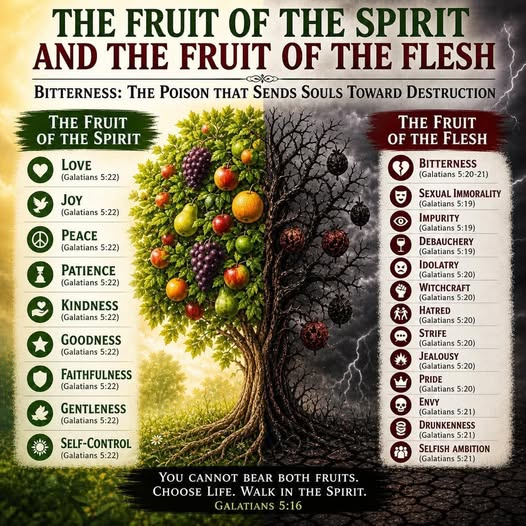
Debauchery is the habitual and unrestrained indulgence of lust and sensuality. There are several places in Scripture where the word debauchery is used to indicate what we would today call “partying.” It encompasses several aspects of unholy living, including but not limited to sexual immorality, drunkenness, crude talk, and generally out-of-control behavior.
Examples of the use of debauchery in the Bible include:
- Ephesians 5:18, “Do not get drunk on wine, which leads to debauchery. Instead, be filled with the Spirit.”
- 1 Peter 4:3, “For you have given time enough in the past to the doing of the things which the Gentiles delight in—pursuing, as you did, a course of habitual license, debauchery, hard drinking, noisy revelry, drunkenness and unholy image-worship.”
- Luke 15:13, in reference to the lifestyle of the prodigal son, “No long time afterwards the younger son got all together and traveled to a distant country, where he wasted his money in debauchery and excess.”
- Romans 13:13, “Living as we do in broad daylight, let us conduct ourselves becomingly, not indulging in revelry and drunkenness, nor in lust and debauchery, nor in quarreling and jealousy.”
Romans 13:14 goes on to contrast a debauched lifestyle with one that honors God: “But put on the Lord Jesus Christ, and make no provision for the flesh, to gratify its desires.” The idea of debauchery is always used in reference to the ungodly (Galatians 5:19). There is no support in Scripture for a Christian to engage in debauchery. “Have nothing to do with the fruitless deeds of darkness” (Ephesians 5:11). Those who are filled with the Spirit will not live in licentiousness.
Debauchery encompasses all that God hates (Romans 1:18), and it brings destruction in the end (Galatians 6:8). A Christian is one who has chosen to deny himself, take up his cross daily, and follow Christ (Luke 9:23). The lifestyle of carnality and the lifestyle of spirituality are incompatible and therefore cannot coexist. First John 5:18 says, “We know that anyone born of God does not continue to sin.” Galatians 5:23 says that those saved from debauchery exhibit self-control. “And those who belong to Christ Jesus have crucified the flesh with its passions and desires” (verse 24).
Debauchery is the polar opposite of godliness. It characterizes those who do not know Christ, those who are on the “broad way” that leads to destruction (Matthew 7:13). No one who chooses a lifestyle of debauchery can also be a follower of Christ (Romans 6:1-2; 1 John 2:3; 3:10).

Tea Time Manna
Bear with each other and forgive whatever grievances you may have against one another. Forgive as the Lord forgave you.
—Colossians 3:13
Today’s message is an important but very challenging message to obey. How can I forgive someone who has grievously sinned against me?
Maybe the better question may be: How can I not forgive a brother or sister for whom Christ died (Romans 14:15; 1 Corinthians 8:11), when I know what Jesus did to forgive me? How can I withhold that grace from others? In addition to our verse today, the Holy Spirit emphasized this principle several times in the New Testament Scriptures:
“For if you forgive other people when they sin against you, your heavenly Father will also forgive you. But if you do not forgive others their sins, your Father will not forgive your sins.” (Matthew 6:14-15)
“And when you stand praying, if you hold anything against anyone, forgive them, so that your Father in heaven may forgive you your sins.” (Mark 11:25)
These words from Jesus are powerful, but he even further dramatized the importance of this principle in the “Parable of the Unmerciful Servant” (Matthew 18:21-35). So, how do we live into this principle? How do we obey it when many of us have people who have sinned horribly against us?
Part of the answer lies in recognizing the enormous gift of forgiveness and salvation we have received. When we do that and recognize the costly grace we have received, we should be willing to extend grace. In addition, we can tap into the power of the Holy Spirit as followers of Jesus. We can ask for the Spirit to produce godly fruit in us that helps us forgive. Finally, we trust that while we may not have it in us to forgive on our own, with God, all things are possible (Matthew 19:25-26).
Prayer
Holy Father, I commit today to release any grudge or bitterness that I have against one of your children. I am sorry for not reflecting your grace and mercy more, the grace that you lavished on me. Abba Father, I need the help of your Holy Spirit to relinquish my claim on the wrongs committed against me. Please empower me as I commit to following Jesus’ example of forgiving (Luke 23:34), even when it is hard. Through Jesus I pray. Amen and Amen

Bible Teaching of the Day
LUNCH MANNA =
Becoming drunk by alcohol is clearly prohibited in the Bible (Proverbs 20:1; 23:20; 29–32; Isaiah 5:22; Ephesians 5:18). There are many commands in Scripture about behaviors to avoid, such as drunkenness, sexual immorality (1 Corinthians 6:18), and lying (Proverbs 6:16–17). But the Bible is far more than a definitive list of “sins.” When we approach it as such, we are missing the point. God does not want us to check off a list and consider everything else acceptable. The Pharisees did that, and Jesus was not pleased with them (Luke 11:42; Matthew 23:23). God desires obedience that arises from a loving heart that wants to be like Him (1 Peter 1:15).
Getting drunk is a sin, but what about drinking in moderation? Drinking alcohol has been the subject of debate within the church for centuries. Years ago the majority of Christians considered drinking alcohol in any amount to be sinful. Today there is a much greater acceptance for moderate consumption of alcohol among Christians. In Bible times, anyone set apart for God was to totally abstain from any fruit of the vine during the time of his consecration (Judges 13:4; Leviticus 10:9; Numbers 6:3; Luke 1:15). Wine was sometimes symbolic of worldly contamination (Revelation 18:3), and those called into priestly service were to abstain from it when ministering in the tabernacle (Leviticus 10:9). Such warnings have led many followers of Christ to forgo alcohol altogether, deeming any use of it unwise. Although drinking in moderation is not condemned in Scripture, losing self-control is, and there are many warnings about alcohol’s destructive nature (Proverbs 20:1; 31:4).
Ephesians 5:18 says, “Do not get drunk on wine, which leads to debauchery. Instead, be filled with the Spirit.” Two elements are being compared: alcohol and the Holy Spirit. Each has the power to take control of a person’s mind and behavior—with vastly different results. Getting drunk leads to a loss of self-control; being filled with the Spirit leads to more self-control (Galatians 5:22–23). We cannot be controlled by both alcoholic spirits and the Holy Spirit at the same time. When we choose to ingest mind-altering substances, we are effectively choosing to give ourselves over to the control of something other than the Holy Spirit. Anything that takes control of our mind, will, and emotions is a false god. Any master we obey other than the Lord is an idol, and idolatry is sin (1 Corinthians 10:14).
Getting drunk is a sin. Whether it be alcohol, drugs, or some other addictive behavior, Jesus said, “You cannot serve two masters” (Matthew 6:24). When we get drunk with alcohol or high on drugs, we are serving a master other than the Lord. Choosing to follow Jesus means choosing against our old sinful patterns and lifestyle. We cannot follow Jesus and also follow drunkenness, immorality, or worldly thinking (Galatians 2:20; Romans 6:1–6). They are going in opposite directions. First Corinthians 6:10 lists drunkards among those who “will not inherit the kingdom of God.” When we choose to be defined by our sin, we cannot also be a Christ-follower (Galatians 5:19–21). When we choose drunkenness in spite of God’s command against it, we are choosing disobedience and cannot, in that state, be in fellowship with a holy God who condemns it (Luke 14:26–27; Matthew 10:37–38).
Today’s Devotional
DINNER MANNA =
Lasciviousness refers to the practice of debauchery, lewdness, or licentiousness. In a word, to be lascivious is to be lustful. Lasciviousness was condemned not only by Jesus, but also by Jude and the apostles Peter and Paul. Interestingly, the word lasciviousness is not used in the more modern Bible translations, but is found in the older versions such as the American Standard Version, Young’s Literal Translation, and the King James Version.
The King James Version translates Mark 7:22–23 this way: “Thefts, covetousness, wickedness, deceit, lasciviousness, an evil eye, blasphemy, pride, foolishness: All these evil things come from within, and defile the man.” The NIV renders the same passage like this: “For from within, out of men’s hearts, come evil thoughts, sexual immorality, theft, murder, adultery, greed, malice, deceit, lewdness, envy, slander, arrogance and folly. All these evils come from inside and make a man ‘unclean.’” The NIV replaces “lasciviousness” with “lewdness.” The NLT uses the words “lustful desires.”
Other passages in the New Testament including this word are 1 Peter 4:3; 2 Corinthians 12:21; Ephesians 4:19; Galatians 5:19; and Jude 1:4.
Lasciviousness also means “excessive indulgence in sensual pleasures.” It’s having a complete disregard for the integrity and honor of others. Examples of such behavior include that of the people of Sodom and Gomorrah (2 Peter 2:6–7) and false teachers who promise freedom but who are themselves “slaves of depravity” (2 Peter 2:2, 18–19). Also, Paul used the word lasciviousness in reference to sexual excess (Romans 13:13; 2 Corinthians 12:21; Galatians 5:19). Jesus’ words recorded in Mark 7:22 have the same implication.
Lascivious behavior may include the way we dress, when our goal is to appear sexy or sensual. Lasciviousness also encompasses viewing sexually explicit media. This would include salacious magazines, movies, and television, as well as outright pornography. Numerous studies have shown that pornography is highly addictive, and countless marriages have been destroyed as a result of it. It has also been determined that many child molesters, sexual predators, and even murderers have been influenced by such material.
Lascivious behavior is prevalent in the work environment where both men and women work in close proximity. Though sexual harassment laws have helped curtail unwanted advances from fellow-workers, flirting, suggestive touching, and inappropriate language are commonplace.
Without question, today’s postmodern society encourages men and women to be “sexy,” but we must understand that Christians are to be virtuous. In his letter to the church in Corinth, the apostle Paul said, “Run from sexual sin! No other sin so clearly affects the body as this one does. For sexual immorality is a sin against your own body. Don’t you realize that your body is the temple of the Holy Spirit, who lives in you and was given to you by God? You do not belong to yourself, for God bought you with a high price. So you must honor God with your body” (1 Corinthians 6:18–20, NLT). As followers of Jesus, our focus is to be holy in spirit and in body.
It’s important to understand that those who indulge in lasciviousness are putting their souls in dire jeopardy. Paul makes this abundantly clear in his letter to the Galatians: “When you follow the desires of your sinful nature, the results are very clear: sexual immorality, impurity, lustful pleasures, idolatry, sorcery, hostility, quarreling, jealousy, outbursts of anger, selfish ambition, dissension, division, envy, drunkenness, wild parties, and other sins like these. Let me tell you again, as I have before, that anyone living that sort of life will not inherit the Kingdom of God” (Galatians 5:19–21, NLT).

NEWS MANNA –
Bible Prophecy, Signs of the Times and Gog and Magog Updates with Articles in the News


THERE WILL BE WARS AND RUMORS OF WAR = JESUS CHRIST


Why Israel Refuses To Leave Hezbollah Alone: Preventing Another October 7
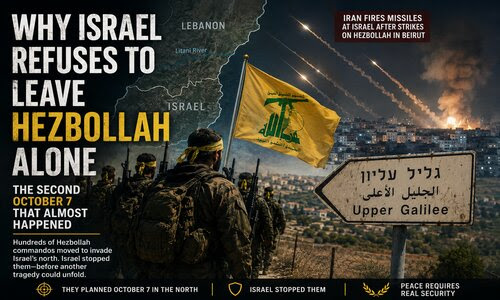
As President Trump works to preserve a fragile peace process with Iran, the Middle East once again finds itself on the edge of a wider war.
Over the past 24 hours, Iran launched another round of missile attacks against Israel following Israeli strikes on Hezbollah targets in Beirut, threatening to unravel weeks of diplomatic efforts aimed at stabilizing the region. Israel has now retaliated destroying numerous Iranian targets across the country. Trump continues pushing for a broader agreement that could reduce tensions between Israel, Iran, and their respective allies, but the latest violence highlights a reality many outside observers fail to understand.
For Israel, the Hezbollah problem cannot simply be negotiated away.
To many diplomats, Hezbollah is merely one piece of a larger regional puzzle. To Israel, Hezbollah represents an existential threat sitting directly on its northern border–a threat that Israeli intelligence believes recently came within moments of carrying out a second October 7.
That context is critical to understanding why Israel continues to push aggressively against Hezbollah positions in Lebanon despite international pressure, ceasefire discussions, and ongoing peace negotiations. Israeli leaders are not simply fighting today’s battles. They are attempting to ensure that a nightmare they believe was narrowly avoided can never happen again.
The reason is chilling.
According to recent reports, hundreds of Hezbollah’s elite Radwan Force fighters moved toward Israel’s northern frontier during the recent conflict, advancing south of the Litani River as Israel was focused on confronting Iran. Their operational plan was reportedly known as “Conquer the Galilee”–a large-scale cross-border assault intended to overwhelm Israeli border communities, seize hostages, and inflict mass civilian casualties in a manner strikingly similar to Hamas’ October 7 massacre.
This was not a theoretical exercise.
For years, Hezbollah openly trained for precisely such an operation. Videos released by the group showed commandos storming mock Israeli villages. Senior Hezbollah leaders repeatedly boasted about one day “liberating the Galilee.” The Radwan Force, named after Hezbollah military commander Imad Mughniyeh, was specifically created as an elite assault force capable of penetrating Israeli territory and conducting offensive operations.
Following Hamas’ October 7 attack, Israeli intelligence began taking these threats far more seriously.
Then came reports that Hezbollah fighters were actually moving toward the border.
Fortunately for Israel, this time intelligence systems worked.
The IDF reportedly identified the infiltration in real time and launched operations that eliminated the attackers before they could reach a single Israeli community. The commander allegedly involved in planning the assault, Ahmed Ali Balout, was later killed in an Israeli strike in Beirut.
Had the operation succeeded, the consequences would have been catastrophic.
The physical casualties alone could have rivaled or exceeded those of October 7.
Many of Israel’s northern communities are smaller, more isolated, and located only minutes from the Lebanese border. A coordinated infiltration involving hundreds of trained commandos could have produced multiple simultaneous massacres, hostage-taking operations, and prolonged battles inside civilian neighborhoods.
But the psychological impact may have been even greater.
October 7 shattered one of Israel’s most deeply held assumptions–that its intelligence apparatus, technological superiority, and border defenses could prevent a mass infiltration attack.
A second successful invasion only months later would have completely destroyed public confidence.
Imagine the message it would have sent.
The south was attacked.
Then the north was attacked.
Entire communities would have questioned whether any border region could ever be secure again.
For a nation as small and interconnected as Israel, that type of trauma would reverberate for generations. Every family knows someone serving in the military. Every community is connected through networks of friends and relatives. A second October 7 would not simply have been another terrorist attack–it would have been a profound psychological blow to the very idea that Israel could protect its citizens.
This explains why Israel’s campaign against Hezbollah goes far beyond retaliation for rockets.
Israel’s objective is prevention.
For years, United Nations Resolution 1701 called for Hezbollah forces to remain north of the Litani River, approximately twenty miles from Israel’s border. The resolution was intended to create a buffer zone and reduce the likelihood of direct conflict.
In practice, Hezbollah steadily violated the agreement.
Weapons stockpiles expanded.
Observation posts appeared along the frontier.
Tunnels were constructed.
Elite Radwan units positioned themselves closer and closer to Israeli communities.
Many Israeli officials now believe those years of inaction helped create the conditions that nearly allowed a second October 7 to unfold.
That lesson has profoundly shaped Israeli military thinking.
The old strategy of deterrence has been replaced by a strategy of denial.
Rather than merely threatening retaliation after an attack occurs, Israel increasingly seeks to remove the capability for such attacks to happen in the first place.
This is why Israeli operations have focused heavily on dismantling Hezbollah command structures, eliminating Radwan Force leaders, destroying weapons depots, and pushing Hezbollah fighters farther north.
Critics often view these actions solely through the lens of current military operations.
Israel views them through the lens of what almost happened.
Every Radwan commander removed today may represent an attack prevented tomorrow.
Every weapons depot destroyed may eliminate the tools needed for a future massacre.
Every mile Hezbollah is pushed away from the border increases the difficulty of launching another “Conquer the Galilee” operation.
This reality also helps explain why Hezbollah remains central to any broader peace arrangement involving Iran.
Even if Trump succeeds in negotiating some form of ceasefire or regional understanding, Israel is unlikely to accept a situation where a heavily armed Iranian proxy remains positioned directly along its northern border with the capability to launch another large-scale ground invasion.
From Jerusalem’s perspective, peace agreements are only meaningful if they address the threats that could shatter that peace tomorrow.
October 7 changed Israel permanently.
The assumptions that guided security policy for decades were shattered in a single day.
The belief that hostile forces could be contained through diplomacy alone evaporated.
The willingness to tolerate heavily armed enemies operating a few miles from civilian communities disappeared.
Whether one agrees with every aspect of Israel’s strategy or not, understanding this reality is essential to understanding the conflict itself.
Israel is not simply fighting the last war.
It is trying to prevent the next one.
And according to recent reports, that next war nearly began when Hezbollah’s fighters moved toward the border with plans to bring October 7 to the Galilee.
This time, Israeli intelligence stopped them.
The question now hanging over every ceasefire discussion, every peace proposal, and every diplomatic initiative is whether the conditions that nearly allowed it to happen will be removed permanently–or whether the region is merely waiting for another opportunity for history to repeat itself.
Madness: Church Committees Protest Requirement That Clergy Be Monogamous
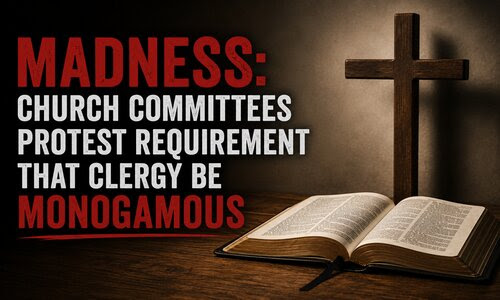
A denomination that spent years revising its teaching on sexuality is now discovering that once biblical authority is untethered from church doctrine, there is no obvious place to stop.
That is the real story behind the current debate in the Presbyterian Church (U.S.A.). The denomination, which has already affirmed same-sex marriage and ordained openly gay clergy, is now considering a proposal known as CON-10 that would require ordained ministers to be in monogamous sexual relationships. The proposal is aimed at stopping polyamory and polygamy, arguing that multi-partner relationships create power imbalances, emotional harm, and spiritual confusion.
What should be a straightforward affirmation of historic Christian teaching has instead become a controversy. Three official church advisory committees have criticized the proposal. One committee warned that requiring monogamy could “risk harm.”
Another argued that the measure reinforces systems of privilege. A third suggested the denomination should continue studying “diverse understandings of relationships.” Outside activist groups have gone further, describing the proposal as backward and hosting educational events on “faithful polyamory.”
The irony at the center of the dispute
The striking feature of this debate is not that a secular institution is questioning monogamy. It is that a church is struggling to defend it.
For nearly two thousand years, Christian teaching on marriage was remarkably consistent: sexual intimacy belongs within a covenant union between one man and one woman, marked by fidelity and exclusivity. Whatever disagreements Christians have had on other issues, the expectation that church leaders model sexual faithfulness has been foundational.
Yet the current debate frames even the requirement of monogamy as potentially oppressive. According to the committee statements, asking clergy to live within clear sexual boundaries may reinforce shame or regulate private lives in harmful ways.
But this raises an unavoidable question: if a church cannot tell its pastors that they must be sexually faithful to one spouse, what moral standard can it still meaningfully uphold?
The logic of endless revision
Supporters of the proposal argue that polyamory creates practical and pastoral problems. Multiple romantic partnerships often involve unequal commitments, competing loyalties, financial complications, and emotional instability. Even many secular relationship experts acknowledge the difficulties of sustaining multiple intimate relationships over time.
But the deeper issue is theological. Once the church treats historic sexual ethics as flexible, every remaining boundary becomes negotiable. The arguments now being used against monogamy requirements sound familiar because they echo the language used in earlier debates over sexual morality: traditional standards are said to cause harm, exclude people, or reflect cultural privilege rather than divine revelation.
That is why critics of the denomination see this controversy as a warning rather than an isolated dispute. They argue that abandoning Scripture as the final authority inevitably turns moral questions into political negotiations. What was once a matter of obedience becomes a matter of committee process, social analysis, and competing claims of identity.
Why leadership standards matter
The proposal is specifically about ordained leadership. Churches routinely require leaders to meet standards that go beyond what is expected of the surrounding culture. Ministers are entrusted with teaching, counseling, and spiritual authority. Their lives are meant to be examples of the faith they proclaim.
In that context, requiring monogamy is not an unusual intrusion into private life. It is a minimal expectation of sexual fidelity. The New Testament repeatedly links church leadership with moral character, self-control, and faithfulness in family life. Historic Christian traditions have understood those qualifications as applying not only to doctrine but also to conduct.
That is why many observers find the committee objections so startling. The debate is not over whether pastors should be celibate, or whether they should abstain from exploitative relationships. It is over whether they should be limited to one partner.
A denomination at a crossroads
The Presbyterian Church (U.S.A.) will vote on the proposal at its General Assembly. Whatever the outcome, the controversy exposes a deeper struggle within the denomination: whether biblical teaching sets the agenda for the church, or whether the church continually rewrites its moral framework in response to cultural pressure.
For conservative Christians, the answer is clear. Marriage is not a social experiment to be endlessly redefined. It is a covenant instituted by God, ordered toward fidelity, permanence, and exclusivity. Church leaders should not merely affirm that standard in theory; they should embody it in practice.
That is why many believers are watching this debate with disbelief. A church once known for proclaiming the authority of Scripture is now arguing over whether monogamy should be expected of its clergy. The fact that official church committees can describe such a requirement as potentially harmful reveals how far the conversation has shifted.
The tragedy is not that a church is debating polyamory. The tragedy is that defending monogamy now requires a formal proposal at all.
Christians who care about biblical authority should pray not only for the outcome of this vote, but for a broader recovery of confidence in Scripture. Without that foundation, every moral boundary eventually becomes negotiable, and every historic doctrine becomes subject to revision. The current controversy is less a beginning than a symptom of a much longer journey away from the church’s historic understanding of marriage and sexual ethics.
And if monogamy itself is now controversial, the question facing the denomination is no longer where the line should be drawn. It is whether any line grounded in biblical authority remains.
Drag Show Invasion: From High School Graduation Parties To Dog Shows

There was a time when graduation celebrations were fairly predictable. Students gathered with friends, received awards, signed yearbooks, took photos, and looked ahead to the next chapter of life. Parents and community volunteers organized post-graduation events designed to keep teenagers safe, entertained, and away from alcohol or dangerous behavior.
Today, however, something very different is happening.
At McMinnville High School in Oregon, graduating seniors attending a “Safe and Sober Grad Night” celebration were treated to Drag Queen Bingo hosted by Portland drag performer Poison Waters and other drag entertainers. According to promotional material, the event featured performances, humor, and special guest appearances as part of the evening’s activities.
The obvious question many parents are asking is simple: Why?
What exactly does drag performance have to do with academic achievement, graduation, or celebrating the successful completion of high school?
Graduation events are not random variety shows. Every element included in such celebrations sends a message about what a school community chooses to honor, promote, and normalize.
When drag performances become a featured attraction at a high school graduation celebration, many families understandably wonder why this particular form of entertainment is being elevated and presented to students as an appropriate centerpiece of the evening.
The issue is not merely whether drag performers have a right to exist or perform. In a free society, adults are free to attend whatever entertainment they choose.
The issue is why drag activism increasingly appears determined to insert itself into spaces that traditionally had nothing to do with it.
Schools. Libraries. Community festivals. Children’s story hours. Church events. Family gatherings.
Again and again, Americans are told that these performances are not simply an optional form of adult entertainment but something that should be incorporated into mainstream public life.
Many parents are growing weary of being told that questioning this trend makes them intolerant.
After all, if drag is simply entertainment, why does it seem to require constant promotion in institutions that exist primarily to educate children or serve families?
The trend extends far beyond schools.
This year, Denver Pride held its first Dog Drag Show, featuring dogs dressed in wigs, costumes, and elaborate drag-themed outfits while participating in a parade-style event.
The images quickly spread online as another example of a culture increasingly obsessed with turning everything into a political or ideological statement.
Even more fundamentally, many people asked a question that should be obvious: What do the dogs get out of this?
Animals have no understanding of Pride Month, drag culture, gender ideology, or political activism.
The costumes are not for the benefit of the pets.
They are for the benefit of the humans.
At some point society should be willing to ask whether every institution, every celebration, every hobby, and even every pet-related event must be transformed into another vehicle for ideological messaging.
The deeper issue is not really about drag queens or dogs.
It is about cultural saturation.
Americans are increasingly encountering the same themes in entertainment, advertising, education, sports, corporate marketing campaigns, government programs, and even religious institutions.
Many people feel they cannot escape it.
Those concerns are often dismissed as irrational or hateful, but they reflect a genuine frustration with a culture that appears unwilling to leave any space untouched.
When parents send their children to a graduation celebration, they expect the focus to be on the students.
When dog owners attend a pet event, they expect the focus to be on the animals.
When churchgoers attend worship services, they expect the focus to be on God.
Yet increasingly these institutions become platforms for advancing social and political causes that have little connection to their original purpose.
Perhaps that is why so many Americans are beginning to push back.
The debate is no longer merely about whether drag performances should exist. That question has largely been settled.
The new question is whether every public institution must become a stage for them.
Many families are concluding that there is a significant difference between tolerating something in society and actively promoting it everywhere.
Graduation celebrations should celebrate graduates.
Dog shows should celebrate dogs.
Churches should proclaim their faith.
Not every event needs to become another chapter in an ongoing culture war.
The growing backlash suggests that a substantial portion of the public believes those distinctions still matter.
TruLight Ministries Daily Entertainment Manna

TruLight TV – Nature Documentary – The Flooded Forest
How do you measure the amount of love you have for someone? The Bible says there is no greater expression of love than to lay down one’s life for one’s friends. Jesus demonstrated this kind of love. Watch today’s video and think of who you would lose your life for. and later a Nature Documentary in title (Secrets of the Flooded Forest) – After beginning in Vienna, the Danube riverbank forests extend to the gates of Bratislava, linking the two capitals like a green ribbon, forming a unique wildlife habitat in the heart of Europe. A few years ago a 36-kilometer section was turned into a national park that now protects the last undeveloped stretch of the Danube and also the last riparian zone of its size in Central Europe. In the forests along the Danube the water’s power can once again influence plant and animal habitats. And so an outstanding variety of habitats and species has been created: white-tailed eagles breed in the woods, mud minnows and pond turtles populate the old arms of the river, beavers build their dams on the banks. The Danube National Park: a hidden wilderness full of beauty and drama, and a refuge for an astounding variety of flora and fauna. The point of this Nature Documentary is based on the Bible Verse in Psalm 91;1 – The Heavens Declare the Glory of God; The Skies Proclaim the Work of His Hands. Enjoy today’s show and thanks for watching.
Today on TruLight Radio XM
TruLight Radio XM 24/7
Program
GMT / UTC +2
Monday To Fridays
00:15 Words to Live By Testimonies
01.15 Science Scripture and Salvation
02.15 Ground Works
04.00 Gospel Concert of the Day
05.00 The Daren Streblow Comedy Show
5:55 It is Today devotional
6:00 Gaither Homecoming Morning Show
7:15 Discover the Word
8.15 Destined for Victory
8:55 Science Scripture and Salvation
9:00 Holy Spirit Hour – Normally Sermons
10:15 Hope of the Heart
11:15 Unshackled
11.45 Words to Live By
12:15 Truth for Life
13:15 Living on the Edge with Chip Ingram
14:15 Focus on the Family
15:00 Kids Hour
16:00 In Touch with Dr. Charles Stanley
16:30 Groundwork
17:15 Live in the Light
18:15 Renewing your Mind
19:00 Gaither Homecoming Show
20:15 Growing Hope
21:15 Adventures in Odyssey Radio Drama
21:45 Bible Reading
22:15 Night-sounds
23.00 Good Old Country Gospel / Rhema Gospel Express
VISIT THE WEBSITE
TruLight Ministry News – EXTRA MANNA

TruLight Ministries orders from God since 2012 . Teach Them , Comfort Them and Warn Them!
DOCTRINE OF DEMONS LEADERS GO WONKERS / BRAINDEAD ! ! !
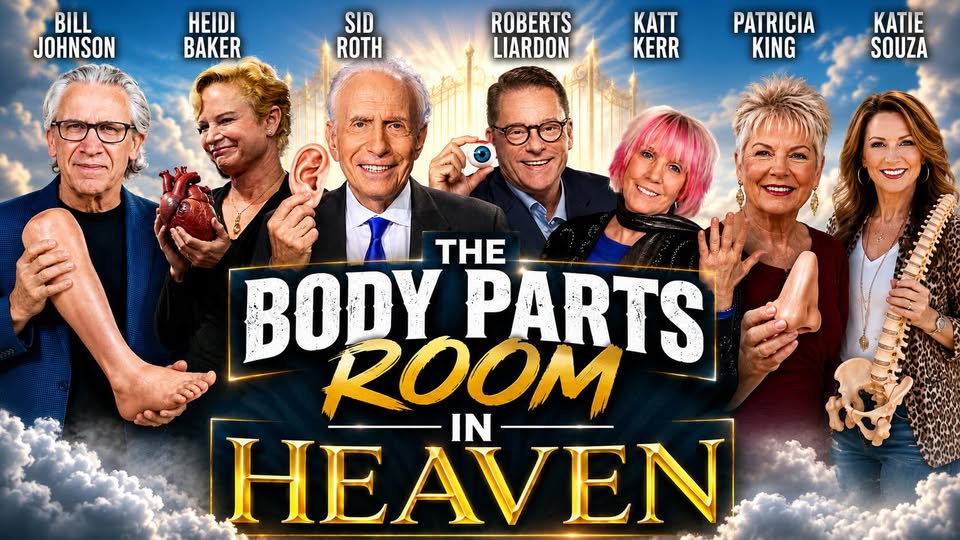
PROOF . THE DEVIL AND HIS DEMONS MAKES YOU STUPID !!!!!!!!
Healing Truths.
End Time Articles.
Bonus Manna = Bonus Teaching for the Child of God !!
He is Drunk in the Spirit ?!?
Nowhere in the Bible does it say to be drunk in the Spirit. When the Bible speaks of being drunk, it always has a negative connotation. The only place in Scripture that alludes to the idea of “spiritual drunkenness” is Isaiah 29:9-14, and it refers to God’s judgment upon sin and apostasy.
Some leaders in the Word of Faith movement and churches associated with the Toronto Blessing promote the false idea of being “drunk in the Spirit” or being filled with “drunken glory.” Congregations are instructed to “get drunk,” “take another drink,” and cast off all restraint. Stumbling gaits, slurred speech, falling to the ground, and other odd behaviors are “proof” of the work of the Holy Spirit.
The false teachers who promote being drunk in the Spirit point to Acts 2:13 as justification for their aberrant practice. On the day of Pentecost, as the apostles were preaching the gospel, some in the crowd said, “They have had too much wine.” The accusation was obviously a mockery of the apostles, and Peter flatly denies any hint of inebriation (verse 15). Yet today’s Word of Faith teachers take this jest from an ungodly crowd and use it as “evidence” that Peter and the apostles were preaching in a senseless stupor. Such twisting of Scripture not only demeans the apostles, it also dishonors the Holy Spirit.
The apostle Paul wrote, “Be very careful, then, how you live—not as unwise but as wise, making the most of every opportunity, because the days are evil. Therefore, do not be foolish, but understand what the Lord’s will is. Do not get drunk on wine, which leads to debauchery. Instead, be filled with the Spirit” (Ephesians 5:15-18).
Paul says that getting drunk is akin to our old way of life with its worldly and self-serving desires. Such behavior is debased and “leads to debauchery” (compare Colossians 1:21; Romans 13:13). The word debauchery is a translation of a Greek word meaning “lawless insolence or unmanageable caprice.” Paul deliberately contrasts the state of drunkenness (a loss of control) with the indwelling of the Spirit of God (a gain of self-control, Galatians 5:23).
God wants every aspect of our lives as believers to be under the complete control of the Holy Spirit. This does not come by drunkenness, and it does not mimic its effects.
Acting drunk and blaming it on the Spirit of God is sin. Those who teach spiritual intoxication are more closely allied with Bacchus, the Roman god of wine and drunkenness, than with the true God of the Bible. Being filled with the Spirit is not some ecstatic or emotionally charged experience. It is not a heavenly high or a spiritual buzz. Being filled with the Spirit is a steady submission of one’s life to the God of glory (1 John 3:24).
Share this Feeding of Manna with your Friends and Family. just click on the Social Media icon and share !