Hosted by TruLight Ministries – The Place of Truth
SELECT YOUR READING LANGUAGE – BOTTOM LEFT = YOUR DAILY MANNA NOW AVAILABLE IN 103 LANGUAGES
@ TruLight – Daily Manna is not Just a Bible Verse with a Small Prayer . NO ::: WE SERVE DAILY Manna for the ENTIRE Day . Breakfast , Lunch , Dinner , Plus tea Times and even Entertainment Manna . Plus News Manna and More , This Daily Manna will keep you Spiritually full for the full 48 Hours and even More to Share with your Friends and Family !!!
For this week we will look at the Fruits of the Flesh !
STRIFE !!!
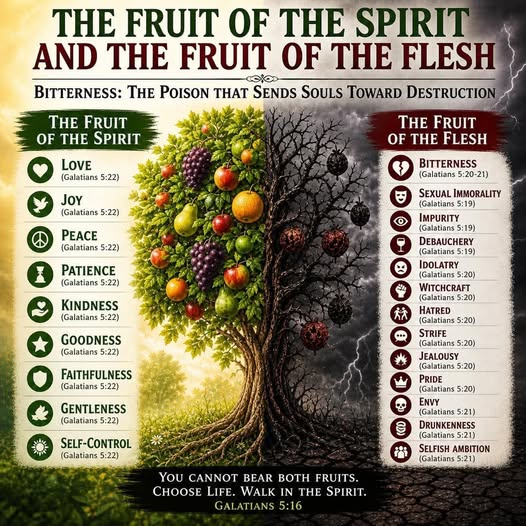
Strife is a strong and ongoing conflict over a fundamental issue. Strife is deeper than argument, broader than disagreement. Strife usually involves bitterness and sometimes violence. We see strife today often in the political realm, as candidates for office launch vitriolic attacks against their political foes. Strife within families can result in lifelong emotional scars. Strife between nations can lead to war. When strife occurs among believers, the church’s testimony is tarnished and Christ is dishonored.
The Bible warns against strife and reproves those who cause it: “It is to one’s honor to avoid strife, but every fool is quick to quarrel” (Proverbs 20:3; see also Proverbs 18:6 and 22:10). But avoiding strife is difficult; even in New Testament times, strife cropped up in the early church (1 Corinthians 3:3; 1 Timothy 6:4; 2 Corinthians 12:20). The cause of strife is underlying sin: “What is causing the quarrels and fights among you? Don’t they come from the evil desires at war within you?” (James 4:1, NLT).
Strife can develop when a difference of opinion becomes the priority in a relationship. Strife is always accompanied by pride and an unteachable spirit in one or both parties. Proverbs 13:10 says, “Where there is strife, there is pride, but wisdom is found in those who take advice.” When someone refuses to consider another viewpoint and demands his own way, strife results. Someone bent on strife will not allow compromise, negotiation, or humility. Strife alienates friends, divides families, and destroys churches.
The herdsmen of Abram and Lot strove with each other (Genesis 13). Isaac faced strife from the residents of Gerar over drinking water (Genesis 26). Strife among the Israelites led to Korah’s rebellion (Numbers 16) and to the Israelites’ wish to die in the wilderness (Numbers 20). Such strife always leads to trouble and requires the wisdom of godly peacemakers to assuage.
God hates strife in His church for several reasons:
- Strife destroys unity. Unity based on the truth of God is so important to Jesus that, in His longest recorded prayer, He asked the Father that His followers would “be one as you and I are one” (John 17:22). Anything that shatters that unity is an enemy of the church and an enemy of God.
- Strife is the opposite of love. First Corinthians 13:1–3 reminds us that nothing we do as Christians is as vital to our faith as love. Being “right,” declaring our version of “truth,” or doing dozens of good, sacrificial deeds counts for nothing without love. Love will not tolerate strife, and strife cannot exist where love rules. When we allow ourselves to become embroiled in strife, we have said “No” to love.
- Strife confuses the watching world. Jesus instructed His disciples to love each other as He has loved them so that the world will know that they belong to Him (John 13:35). The purpose of our harmony and love for each other is so that the lost world sees the difference Christ makes. When we display our petty strivings before the world, we show ourselves to be hypocrites. We set up the rest of God’s truth as a target of mockery when we as Christians refuse to honor His commands about strife.
- Strife alienates baby Christians. We cannot expect new Christians to behave like those who have walked with God for years. They’re still in spiritual infancy. But when we who should know better fill our churches and study groups with divisions, strife, gossip, and conflict, younger Christians are easily wounded. They (rightly) expected better when they came to Christ. Too often the behavior of established church members drives away those just starting on their journey with Christ.
- Strife is a sign of worldliness and carnality. “You are still of the flesh,” Paul told one church. “For while there is jealousy and strife among you, are you not of the flesh and behaving only in a human way?” (1 Corinthians 3:3, ESV). With Christian maturity comes a cessation of strife and contention among believers.
- Strife distracts us from our ultimate purpose of making disciples. Jesus left us with one clear objective—make disciples of every nation (Matthew 28:19). Fulfillment of that command is Satan’s biggest fear, so he keeps us tangled in our own petty disagreements, disappointments, and disputes so that we limit our impact on the lost world. While the essentials of the gospel cannot be compromised, we can become so dogmatic about nonessential doctrines that we forget that obedience and love are the marks of a mature believer. When we allow strife to dictate our choices, we fall short of the mandate Jesus gave us.
With communication technologies at our fingertips, creating and maintaining strife has never been easier. We live in a day of offense. It has become fashionable to declare our offense about every little thing. This should have no place in the family of God. While sin should always offend us, we should never draw lines in the sand and create enemies out of anyone—even sinners (see Luke 15:1–2). Especially within the church, strife should be as rare as a snowflake on the equator. Strife among the redeemed is foreign to who we are as new creatures in Christ (2 Corinthians 5:17).
Pastors and Christian leaders who use their positions to discredit and sow discord among different denominations and Christian groups should reconsider their approach. Creating strife between brothers and sisters has never been a biblical solution. While it is necessary to expose error and protect the flock from false teachers (2 Peter 2:1–2; Matthew 7:15), God has harsh words for those who create strife between brothers.
Proverbs 6:16–19 leaves no doubt about God’s view:
“There are six things which the LORD hates,
Yes, seven which are an abomination to Him:
Haughty eyes, a lying tongue,
And hands that shed innocent blood,
A heart that devises wicked plans,
Feet that run rapidly to evil,
A false witness who utters lies,
And one who spreads strife among brothers” (NASB, emphasis added).

Tea Time Manna
The father of a righteous man has great joy; he who has a wise son delights in him.
—Proverbs 23:24
The greatest gift I can give my father — whether as a son or daughter — is to be like my Father in heaven, full of righteous character, gracious compassion, and faithful loving kindness. With the help of the Holy Spirit, we can become people who are characterized by “love, joy, peace, patience, kindness, goodness, faithfulness, gentleness and self-control” (Galatians 5:22-23). Such character qualities as these honor both our Father and our earthly fathers. As children of God, let’s live into those qualities, asking for the Spirit’s help, and use those qualities and the character of our lives to bring our earthly fathers joy and our Heavenly Father delight!
Prayer
Holy and righteous Father, may my life please you and bring honor to my father and his name. I know, dear Father in heaven, that if I please you, it will make my earthly father’s heart glad. Please help me as I seek to know and serve you in ways that better display your character in my life. May this bring honor to my earthly father and his reputation, and bring delight to you. In Jesus’ name, I pray. Amen and Amen

Bible Teaching of the Day
LUNCH MANNA =
In Philippians 1:15, Paul confronts a challenging reality: not everyone who preaches Christ has pure intentions. Paul says, “Some indeed preach Christ even from envy and strife; and some also of good will” (KJV). Here, Paul offers insight into the motivations that drive our actions, even in the proclamation of the gospel. To preach Christ from envy and strife—or from “jealousy and rivalry,” as the NLT has it— is to be motivated not by love but by jealousy, quarrelsomeness, and conflict.
To preach Christ from envy and strife seems counterintuitive. After all, the gospel of Christ is rooted in love, peace, and good will. During Paul’s time some other preachers saw themselves as competitors of Paul. Their preaching stemmed from a desire to outshine Paul and advance themselves. The Amplified Bible brings out this motivation: “Some, it is true, are [actually] preaching Christ out of envy and rivalry [toward me—for no better reason than a competitive spirit or misguided ambition], but others out of goodwill and a loyal spirit [toward me]” (Philippians 1:15). Even in our own time, preachers are sometimes motivated by money, fame, and power. Instead of preaching Christ out of love for God and neighbor, they are motivated by selfish desires and a grasping for prestige.
Paul goes on to describe these individuals as those who “preach Christ out of selfish ambition, not sincerely, supposing that they can stir up trouble for me while I am in chains” (Philippians 1:17). Paul was writing his epistle to the Philippian church while he was incarcerated, and his “rivals” in the ministry were taking full advantage of his lowly condition to advance their own stock. Their star was on the rise, even as Paul’s was falling. Of course, Paul should not have had “ministry rivals” at all. They all should have been on the same team, working toward the same goal.
Paul’s mention of those who preach Christ from envy and strife is a reminder of how the ego can corrupt our ministry, if we let it. We too easily allow feelings of competitiveness taint our work for the Lord. Paul reminded the Corinthian church of the way God works through different individuals to bring about His purpose: “After all, who is Apollos? Who is Paul? We are only God’s servants through whom you believed the Good News. Each of us did the work the Lord gave us. I planted the seed in your hearts, and Apollos watered it, but it was God who made it grow. It’s not important who does the planting, or who does the watering. What’s important is that God makes the seed grow. The one who plants and the one who waters work together with the same purpose. And both will be rewarded for their own hard work. For we are both God’s workers. And you are God’s field. You are God’s building” (1 Corinthians 3:5–9, NLT). Jesus wanted His disciples to keep a balanced view of ministry: “Whoever is not against us is for us” (Mark 9:40).
To preach Christ from envy and strife creates unnecessary division and discord within the church, which is antithetical to the gospel. In Galatians 5:26, Paul says, “Let us not become conceited, provoking one another, envying one another” (ESV). Also, we are to “do nothing from selfish ambition or conceit, but in humility count others as more significant than yourselves” (Philippians 2:3, ESV). There is a temptation to preach Christ from selfish ambition and promote ourselves as our talents are on display, but this is countered by esteeming others as more significant. The natural tendency is to look out for oneself more than others, but believers must adopt the mind of Christ (Philippians 2:5–11).
Paul’s acknowledgement of those who preach Christ from envy and strife highlights the negative aspect of preaching Christ with impure intentions, but it also allows the genuineness of others to shine more brightly. That’s why he also mentions those who preach “out of goodwill, . . . out of love, knowing that I am put here [in prison] for the defense of the gospel” (Philippians 1:15–16).
Paul’s conclusion is amazing. Yes, some preach Christ from strive and envy, but he is able to see that some good may yet come from it: “But what does it matter? The important thing is that in every way, whether from false motives or true, Christ is preached. And because of this I rejoice. Yes, and I will continue to rejoice” (Philippians 1:18). The main thing is that the gospel is going forward. God can use even those with impure, selfish motives to speak the truth. As long as people are being saved, Paul will rejoice. When others want to compete against us, we can simply take ourselves out of the competition and point to Jesus. He’s the only one who matters.
Today’s Devotional
DINNER MANNA =
Philippians 2:3–4 says, “Do nothing out of selfish ambition or vain conceit. Rather, in humility value others above yourselves, not looking to your own interests but each of you to the interests of the others.” Paul goes on to instruct the Philippians to have the same mindset as Jesus when relating to others, and he details just how humble Jesus was. What does it mean to do nothing out of selfish ambition or vain conceit?
First, let’s define a few terms. Selfish ambition can be understood as “motivation to elevate oneself or to put one’s own interests before another’s.” It is a self-above-others approach. The Greek term here carries with it a connotation of contentiousness. In fact, the King James Bible translates the word as “strife.” Vain conceit means “excessive pride” or “self-esteem that has no foundation in reality”; vain conceit is an elevated and incorrect sense of self. Therefore, doing nothing out of selfish ambition or vain conceit means not letting our actions be motivated by selfishness, pride, or one-upmanship.
We can learn how to avoid acting out of selfish ambition or vain conceit by looking at the contrasting words in the same context. The opposite of being selfish and vain is to “in humility count others more significant than yourselves. Let each of you look not only to his own interests, but also to the interests of others” (Philippians 2:3–4, ESV). We must learn to be others-focused, not self-focused. If we’re putting others first, we won’t be conceited or proud or overly ambitious. It’s hard to be self-important when we’re considering others as more important.
In Philippians 2:1–2 Paul writes, “Therefore if you have any encouragement from being united with Christ, if any comfort from his love, if any common sharing in the Spirit, if any tenderness and compassion, then make my joy complete by being like-minded, having the same love, being one in spirit and of one mind.” It is through understanding our salvation that we can live in unity with other believers and love them in Christ. The basis of our being like-minded and free of strife is four-fold: 1) we are united with Christ, 2) we are comforted with God’s love, 3) we have the same Spirit, and 4) we have been given tender compassion for others. When we truly see how much Christ has done for us and understand the fullness of His love, pride and selfishness melt away. Those who know the love of Christ do not wrangle for position within the family of God; rather, they recognize the purpose of the body of Christ and live it out. They are willing to take a lower place in order to serve others (1 Peter 4:10). They engage in Christian fellowship with a focus on loving God and others (Mark 12:30–31).
Philippians 2:3b–4 instructs believers to value others above themselves and look out for their interests. We do not elevate ourselves above others but willingly sacrifice in order to love them. When all believers act this way, we are of one mind and everyone is cared for. Paul gives similar instructions to the Galatians, counseling them to carry each other’s burdens (Galatians 6:2) and to do good to all, especially fellow believers (Galatians 6:10). Jesus was the epitome of servanthood. Shortly after washing His disciples’ feet, something usually done by the lowliest of servants, Jesus said, “A new command I give you: Love one another. As I have loved you, so you must love one another. By this everyone will know that you are my disciples, if you love one another” (John 13:34–35). Jesus’ love was self-sacrificial. He acted for the best of others rather than for His own glory (see Matthew 20:28).
In Philippians 2:5–11 Paul details Jesus’ example of humility. Jesus was “in very nature God, [yet] did not consider equality with God something to be used to his own advantage” (Philippians 2:5). Rather, the Son of God became human. More than that, He humbled himself to the lowliest position and died a shameful criminal’s death in our place. How can we who follow such a Lord act in pride? When we consider what Christ did for us, we learn not to be so self-absorbed. Jesus promised that, as we seek to glorify God, our needs will be met (Matthew 6:25–34), so we can focus more on meeting the needs of others.
When we understand the incredible sacrifice, grace, and mercy of God on our behalf, we realize that we have no use for pride. When we recognize God’s abundant grace, provision, and love, we understand that we have no need for selfishness. We need not focus solely on our own interests because we rest in our Savior. We have been adopted into an eternal family, and we can learn to love that family as the Father loves us. Rather than be motivated by selfishness or pride, we can be of one mind with fellow believers and put their interests before our own.

NEWS MANNA –
Pakistan releases terms of US-Iran deal; appears to show US capitulation

Iranian officials said Tehran canceled a planned attack on Israel following the breakthrough.
Pakistan has published what it says are the terms of the Iran-US memorandum of understanding, including the lifting of sanctions on Iran, the release of some frozen Iranian assets, an end to the US blockade, and a complete ceasefire across all fronts, including an Israeli withdrawal from Lebanon.
According to the reported terms, Iran would retain its uranium stockpile and nuclear facilities, oversee shipping through the Strait of Hormuz while collecting transit fees, and receive a $300 billion compensation fund.
Meanwhile, senior Iranian officials told the New York Times that Tehran canceled a planned attack on Israel following the breakthrough.
President Trump declared late Sunday that a U.S.-Iran agreement is complete, signaling a dramatic breakthrough after months of negotiations and weeks of military confrontation.
“The Deal with the Islamic Republic of Iran is now complete. Congratulations to all!” Trump wrote on Truth Social.
“I hereby fully authorize the toll free opening of the Strait of Hormuz, and, simultaneously herewith, authorize the immediate removal of the United States Naval blockade. Ships of the World, start your engines. Let the oil flow!”
The breakthrough follows weeks of escalating tensions that saw Iran shoot down a U.S. Apache helicopter, triggering American retaliatory strikes against Iranian targets. Tehran later launched ballistic missiles and drones at U.S. assets in Bahrain, Kuwait, and Jordan, while Washington imposed a naval blockade that sharply restricted Iranian oil exports and maritime traffic.
Trump spent much of Sunday defending the emerging agreement and pushing back against critics who compared it to the Obama-era nuclear deal.
In one Truth Social post, Trump insisted the agreement would permanently prevent Iran from obtaining nuclear weapons.
“Iran will never have a Nuclear Weapon, and the Strait of Hormuz will be opening up for business very shortly,” he wrote.
In another, he criticized Democratic Sen. Jack Reed for comparing the agreement to the 2015 Joint Comprehensive Plan of Action (JCPOA).
“Our Deal is a WALL against Iran ever having a Nuclear Weapon, the complete opposite of Obama,” Trump wrote, arguing that the new framework bears little resemblance to the agreement negotiated by the Obama administration.
However, the terms reported by Pakistan suggest that the United States effectively capitulated to Iranian demands.
Trump announces Iran deal, opens Strait of Hormuz

“Ships of the World, start your engines. Let the oil flow!” Trump wrote.
President Donald Trump declared late Sunday that a U.S.-Iran agreement is complete, publicly confirming what had been hinted at earlier by Pakistani Prime Minister Shehbaz Sharif and signaling a dramatic breakthrough after months of negotiations and weeks of military confrontation.
“The Deal with the Islamic Republic of Iran is now complete. Congratulations to all!” Trump wrote on Truth Social.
“I hereby fully authorize the toll free opening of the Strait of Hormuz, and, simultaneously herewith, authorize the immediate removal of the United States Naval blockade. Ships of the World, start your engines. Let the oil flow!”
Trump’s announcement came shortly after Sharif revealed that a peace agreement between Washington and Tehran had been reached and that a formal signing ceremony is expected to take place in Switzerland on June 19.
In his statement, Sharif said both sides had agreed to the immediate and permanent cessation of military operations on all fronts, including in Lebanon, and credited mediation efforts by Qatar, Saudi Arabia, and Turkey.
The breakthrough follows weeks of escalating tensions that saw Iran shoot down a U.S. Apache helicopter, triggering American retaliatory strikes against Iranian targets. Tehran later launched ballistic missiles and drones at U.S. assets in Bahrain, Kuwait, and Jordan, while Washington imposed a naval blockade that sharply restricted Iranian oil exports and maritime traffic.
Hormuz deal? New details emerge on US-Iran ceasefire talks
Trump spent much of Sunday defending the emerging agreement and pushing back against critics who compared it to the Obama-era nuclear deal.
In one Truth Social post, Trump insisted the agreement would permanently prevent Iran from obtaining nuclear weapons.
“Iran will never have a Nuclear Weapon, and the Strait of Hormuz will be opening up for business very shortly,” he wrote.
In another, he criticized Democratic Sen. Jack Reed for comparing the agreement to the 2015 Joint Comprehensive Plan of Action (JCPOA).
“Our Deal is a WALL against Iran ever having a Nuclear Weapon, the complete opposite of Obama,” Trump wrote, arguing that the new framework bears little resemblance to the agreement negotiated by the Obama administration.
The announcement also came after a phone call between Trump and Prime Minister Benjamin Netanyahu, amid growing questions about how the emerging agreement could affect Israel’s military operations against Hezbollah and Iran’s regional proxy network.
While many details of the agreement remain unclear, Trump’s statement suggests that key issues surrounding the Strait of Hormuz and the U.S. naval blockade have already been resolved and that the administration believes the broader framework is complete.
TruLight Ministries Daily Entertainment Manna

TruLight TV – Life-giving music
The influence of imagination is incredible, which is why we have to be careful what we think. Worry and anxiousness can put a damper on our mindset. Today’s video shows how we can use the power of our imagination for good. and later Bill & Gloria Gaither and their Homecoming Friends gathered in Tulsa, OK, for a weekend of sweet fellowship, inspiring messages and life-giving music. Sing along to some of your favorite Gospel classics such as “What a Friend We Have in Jesus,” “The Baptism of Jesse Taylor,” “Because He Lives” and “Give It Away.” You will enjoy performances by Homecoming favorites Mark Lowry, Jeff & Sheri Easter, The Isaacs, Marshall Hall, the Gaither Vocal Band and more with these special reunion performances. Enjoy today’s show and thanks for watching.
Today on TruLight Radio XM
TruLight Radio XM 24/7
Program
GMT / UTC +2
Monday To Fridays
00:15 Words to Live By Testimonies
01.15 Science Scripture and Salvation
02.15 Ground Works
04.00 Gospel Concert of the Day
05.00 The Daren Streblow Comedy Show
5:55 It is Today devotional
6:00 Gaither Homecoming Morning Show
7:15 Discover the Word
8.15 Destined for Victory
8:55 Science Scripture and Salvation
9:00 Holy Spirit Hour – Normally Sermons
10:15 Hope of the Heart
11:15 Unshackled
11.45 Words to Live By
12:15 Truth for Life
13:15 Living on the Edge with Chip Ingram
14:15 Focus on the Family
15:00 Kids Hour
16:00 In Touch with Dr. Charles Stanley
16:30 Groundwork
17:15 Live in the Light
18:15 Renewing your Mind
19:00 Gaither Homecoming Show
20:15 Growing Hope
21:15 Adventures in Odyssey Radio Drama
21:45 Bible Reading
22:15 Night-sounds
23.00 Good Old Country Gospel / Rhema Gospel Express
VISIT THE WEBSITE
TruLight Ministry News – EXTRA MANNA

TruLight Ministries orders from God since 2012 . Teach Them , Comfort Them and Warn Them!
The Sheriff of the Church address the Pre Tribulation Church in this Audio Movie
Healing Truths.
End Time Articles.
Bonus Manna = Bonus Teaching for the Child of God !!
Today’s social media and internet chat platforms have become tantalizing playgrounds for those who enjoy stirring up arguments. But the Bible has nothing good to say about a person who sows discord: “A worthless person, a wicked man, goes about with crooked speech, winks with his eyes, signals with his feet, points with his finger, with perverted heart devises evil, continually sowing discord; therefore calamity will come upon him suddenly; in a moment he will be broken beyond healing” (Proverbs 6:12–15, ESV).
In Proverbs 6:14, “discord” is translated from the Hebrew (madan), meaning “strife, bitter conflict, heated and often violent dissension.” “Sowing” discord implies spreading conflict or scattering it widely. The passage reveals that an individual who sows discord is corrupted by sin and afflicted with a perverted heart. Solomon repeated the sentiment in Proverbs 16:28: “A perverse person stirs up conflict, and a gossip separates close friends.” In Proverbs 6:16–19, he listed seven things the Lord hates, and “one who sows discord among brothers” (ESV) was one of them.
Solomon pointed to a dangerous heart problem as the root issue for someone who sows discord. Jesus said the same: “But what comes out of the mouth comes from the heart, and this defiles a person. For from the heart come evil thoughts, murders, adulteries, sexual immoralities, thefts, false testimonies, slander. These are the things that defile a person” (Matthew 15:18–20, CSB). According to Proverbs 10:12, hatred, as opposed to love, dwells in the heart of those who stir up conflict. Hateful people delight in breaking up friendships and spoiling peace and harmony between brothers and sisters.
The Bible is clear that sin provokes quarrels and disagreement: “When you follow the desires of your sinful nature, the results are very clear: sexual immorality, impurity, lustful pleasures, idolatry, sorcery, hostility, quarreling, jealousy, outbursts of anger, selfish ambition, dissension, division” (Galatians 5:19–20, NLT; cf. James 4:1). The apostle Paul counseled believers to stay away from “people who cause divisions and upset people’s faith by teaching things contrary to what you have been taught” (Romans 16:17, NLT).
“Anyone who loves to quarrel loves sin,” stated Solomon (Proverbs 17:19, NLT). Believers cannot walk in the light of God’s love and continue spewing hatred and sowing discord: “If anyone claims, ‘I am living in the light,’ but hates a fellow believer, that person is still living in darkness. Anyone who loves a fellow believer is living in the light and does not cause others to stumble. But anyone who hates a fellow believer is still living and walking in darkness. Such a person does not know the way to go, having been blinded by the darkness” (1 John 2:9–11, NLT).
Paul warned believers against involving themselves in arguments and fights, even about spiritual matters: “These things are useless and a waste of time. If people are causing divisions among you, give a first and second warning. After that, have nothing more to do with them. For people like that have turned away from the truth, and their own sins condemn them” (Titus 3:9–11, NLT).
“Any fool can get himself into a quarrel,” stated the wise old teacher, but “honor belongs to the person who ends a dispute” (Proverbs 20:3, CSB). Solomon compared people who sow discord to troublemakers who go around lighting fires: “As charcoal for embers and wood for fire, so is a quarrelsome person for kindling strife” (Proverbs 26:21, CSB). Fires leave death and destruction in their wake. Proverbs 6:15 explains that the consequence of such foolish and evil behavior is sudden “calamity,” which literally refers to “a crushing weight.” A person who continually and actively sows discord is pursuing a life of sin, and such a life is destined for destruction (Romans 6:23; James 1:15).
Jesus said, “God blesses those who work for peace, for they will be called the children of God” (Matthew 5:9, NLT). But wicked mischief-makers who sow discord can expect to experience devastating distress and severe suffering. If they stubbornly refuse to listen to God’s warning and accept correction, they will be broken and ruined beyond all hope of healing (Proverbs 29:1). The Scriptures issue no light word of caution on this matter. Having a heart perverted by evil is a matter of life and death. The aftermath of such wickedness cannot be reversed.
Share this Feeding of Manna with your Friends and Family. just click on the Social Media icon and share !