Hosted by TruLight Ministries International – The Place of Truth
SELECT YOUR READING LANGUAGE – BOTTOM LEFT = YOUR DAILY MANNA NOW AVAILABLE IN 103 LANGUAGES
@ TruLight Daily Manna is not Just a Bible Verse with a Small Prayer . NO ::: WE SERVE DAILY Manna for the ENTIRE Day . Breakfast , Lunch , Dinner , Plus tea Times and even Entertainment Manna . Plus News Manna and More , This Daily Manna will keep you Spiritually full for the full 48 Hours and even More to Share with your Friends and Family !!!
FEAR IS NOT YOUR FATHER !
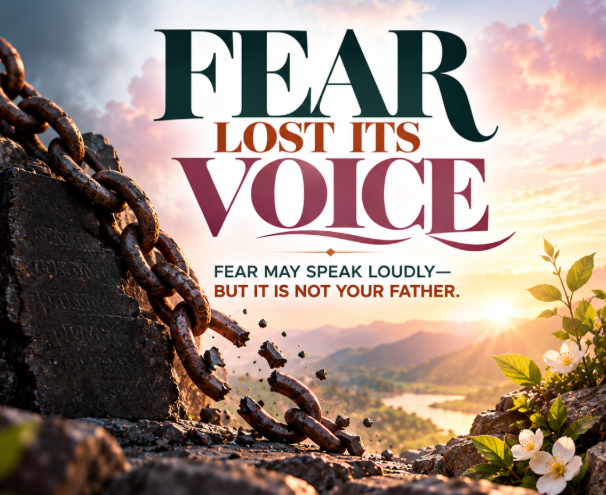
A popular song by Zach Williams, “Fear Is a Liar,” personifies fear and assigns falsehood to it. Of course, fear itself is non-personal, but song lyrics and poetry often use personification to communicate a theme or make a point. In the case of Williams’ song, fear is referred to as a “he” who tells us various lies and who must be withstood.
The chorus of “Fear Is a Liar” describes some of what fear does:
Fear he is a liar
He will take your breath
Stop you in your steps
Fear he is a liar
He will rob your rest
Steal your happiness
Then Williams tells us what to do with fear and why:
Cast your fear in the fire
ʼCause fear he is a liar
The claim that “fear is a liar” is broad, and we must ask, is all fear a liar? In other words, does all fear come from an evil source that should be rejected? No. There is a good type of fear (not addressed in Williams’ song) and a bad type of fear (that Williams is correct to take a stand against).
We are rightfully fearful of God, and we are rightfully fearful of dangerous things (slick roads, rabid bats, the effects of alcohol abuse, etc.), in the sense that we exercise caution and apply wisdom. A man ignorant of rattlesnakes may traipse through the Arizona tobosa grass with no fear of being bitten, but he is being foolish; it is better to have respect or a healthy fear for what rattlesnake venom can do. The Bible warns us of the consequences of sin so that we develop a healthy fear of sinning. To understand the depth of God’s hatred toward sin and His intention to destroy it should be scary to everyone, including believers.
There are situations in which fear is definitely not a liar; that is, sometimes we should be fearful and seek help or a way to escape the source of fear. For example, when a truck is coming straight toward you at 100 mph, it is not sinful to fear; in fact, that fear is a gift prompting you to avoid the truck and save your life. Similarly, when a sinner is afraid of hell, knowing it is not a place he wants to be, that fear is just, right, and biblical. Sometimes allowing a little fear is better than trying to alleviate all fear: the statement “Hell is a real place of torment” may be fearful to some, but it is true; “There is no hell” may dispel fear, but it is a lie.
So, not all fear is a deception. Fear is not always a “liar.” Of course, there are fears that have a demonic origin. The fear that God is not truly good is one such fear. When fear says that God has forgotten His children or turned His back on them, then it is a “liar,” because those statements directly contradict the promises of God.
The truth is that perfect love casts out fear (1 John 4:18), and the Bible repeatedly admonishes God’s people not to fear. Satan is the father of lies (John 8:44) and the deceiver of the whole world (Revelation 12:9). When we are told any lie, it is of Satan, who has no truth in him. The devil will try to dishearten us with lies, and unwarranted fear is one of his tools.
While there are many fears that are lies used by Satan, there are also many fears used by godly men to try to turn people to God. God showed fearful and powerful signs to the Israelites so that they might turn to Him. Elijah called down fire from heaven so that Israel might turn from their false gods to the one true God. The apostle Paul sternly rebuked the Corinthians and threatened excommunication to those basking in unrepentant sin, hoping to prompt godly fear in them.
The difference between warranted fear and unwarranted fear is important: when God uses fear, it is based in truth; but when the devil uses fear, it is based in lies. When Jesus spoke of hell in fearful ways, it was to show the truth about God’s punishment of sin. Hell is not a place we want to be, and fear of it is warranted. When Satan urges us to fear man rather than fear God, he is advancing the lie that we owe more respect to fellow human beings than we owe to God. The fear of man is unwarranted; it is a “liar” and lays a snare (Proverbs 29:25).
Other common lies the devil uses to instill fear in people include “Jesus’ death wasn’t enough to cover your sin,” “Even if you trust in Christ, you’re not good enough to be with God,” and “God doesn’t love you, and this tragedy proves it.” The fear induced by these statements could rightly be called a “liar,” because the fear is biblically unwarranted. Faith in God’s Word will dispel such fear.
Our feelings should not decide whether something is of God or of the devil. For example, we cannot say, “This makes me feel scared, so it must be of the devil.” Rather, our discernment of right and wrong should be rooted firmly in the truth of God’s Word. We know that Jesus’ death was sufficient to cover our sins because God said so (Hebrews 10:10; John 3:16). We know that we shouldn’t be scared to meet God because Christ gives us His righteousness (2 Corinthians 5:21). We know that God will not stop loving us because nothing can ever separate us from the love of God in Christ (Romans 8:38–39).
Is fear a liar? Sometimes, it is. The devil will use fear rooted in deceit to try to get our eyes off the Author and Finisher of our salvation. Unwarranted fear is a liar. But not all fear is from the devil, and some fear is biblically warranted.
Even the most secure, devout believer can have occasions when he fears death. It is hard-wired into our systems to avoid death. Death was not an original part of God’s plan for His creation. We were made to be whole and holy, living in paradise in communion with Him. The introduction of death was a necessary response to the admittance of sin into the world. In a sense, it is a grace that we die. If we didn’t, we would have to live in a sinful world for all eternity.
Even with the knowledge that death serves a purpose, we have a visceral reaction to the thought of our own mortality. The fragility of our physical bodies and the sudden cessation of life are stark reminders of our lack of control in a large and dangerous world. We do have the great hope that He who is in us is greater than he who is in the world (1 John 4:4), and the One who loves us did go to prepare a place for us so we could join Him someday (John 14:2). But, in overcoming a fear of death, it might help to consider the following:
First, what is the actual fear that we face? There are several aspects of death that can potentially cause fear. Fortunately, God has an answer for each of them:
Fear of the unknown
What exactly does it feel like to die? What can you see as your life leaves your physical body? How will it come about? Is it anything like people have reported—a bright light? A group of relatives?
No one knows for certain what it feels like to die, but the Bible does describe what happens. Second Corinthians 5:6–8 and Philippians 1:23 say that, when we leave our body, we are at home with the Lord. What a reassuring thought! Then we have the promise of bodily resurrection, at which time we will be given new, glorified bodies (1 Corinthians 15:20–22; 6:14).
Fear of loss of control
By the time humans reach adulthood, they have a pretty good idea how to interact with the world around them. They know how to find what they need, get to where they want to be, and interact with others in a way that fulfills their intent.
Many, though, even those who profess a trust in God, are so fearful of not getting what they need that they try to manipulate their surroundings and the people around them to their benefit. Some abuse others and take advantage of them, grasping for control. They don’t trust God to provide for their needs, so they take care of things themselves. They don’t trust others to give them consideration, so they demand what they think they need.
These people must certainly fear the loss of control upon their deaths. The apostle Peter showed a fear of death when he denied Jesus three times. Later, Jesus forgave Peter and encouraged him in service. After Jesus returned to heaven, Peter was filled with the Holy Spirit, and all fear of death was gone. His passion for boldly preaching Christ’s message far outstripped his need to control his surroundings (Acts 5:17–42). The Holy Spirit alone gave Peter the strength to endure the challenges he would face.
Fear for those left behind
The Christian view of death is that it involves separation. Ultimate death is eternal separation from God. In physical death, we are separated from our bodies and from our loved ones on earth for a time. If our loved ones are also believers, we know that the separation will be a blink of the eye compared to eternity in heaven. If they are not believers, the separation will be permanent. Our mission, then, is to use our time together to pray for our loved ones and talk to them about eternity. Ultimately, we commit our loved ones into God’s hands.
Fear of the act of dying
Few ever know how they will die. Some deaths are quick and painless; others face a long, drawn-out illness. The mystery surrounding death and, in most cases, the inability to prepare for it can be frightening. Even if we do know the manner our death will come—we’ve been diagnosed with a terminal illness, for example—we must still overcome certain fears.
But death itself is only a moment in time—a moment nearly everyone has experienced or will. When that moment is over, we will claim Philippians 3:20–21: “But our citizenship is in heaven. And we eagerly await a Savior from there, the Lord Jesus Christ, who, by the power that enables him to bring everything under his control, will transform our lowly bodies so that they will be like his glorious body.”
Often, being informed of and actively participating in matters related to our own end of life can help assuage fear. You can take steps to prepare yourself and those around you.
Overcoming the fear of death — Practical steps
Many people believe they shouldn’t die because they have too much to live for. Often, this means they have responsibilities and unfinished business that would be neglected if they were gone. Doing what you can now to make sure your responsibilities and tasks are taken care of then can alleviate fear.
If you have a business or children or other dependents, consider their care. Decide who will take over your role, and work with that person to come up with a plan. Prepare a will or a trust. Make sure all your necessary paperwork is organized and easy to find. Reconcile broken relationships while you can. But don’t live for dying. Just take reasonable steps to put things in order.
Overcoming the fear of death — Legal steps
Part of planning ahead involves deciding what will happen in the event you become incapacitated. It’s possible that, during the course of an illness or injury, you’ll lose control of the situation and be unable to make your wishes known. To prevent confusion and possible turmoil, many people opt to set up an advance directive such as a living will or power of attorney. At any rate, it’s wise to let those closest to you know what you want—at least tell them where it’s written down.
Overcoming the fear of death — Spiritual steps
The most important thing to remember regarding death is the truth about life. You love your family and care for them, but God loves them more. You may worry about your earthly legacy, but God is more concerned with an eternal, kingdom perspective. All the paperwork in the world won’t bring the peace of mind that comes with abiding in Christ.
Living in this world, it’s difficult to keep in mind that this is just a temporary condition. First John 2:15–17 helps us to maintain the proper perspective: “Do not love the world or anything in the world. If anyone loves the world, love for the Father is not in them. For everything in the world—the lust of the flesh, the lust of the eyes, and the pride of life—comes not from the Father but from the world. The world and its desires pass away, but whoever does the will of God lives forever.” Staying in the truth of God’s Word and believing what He says about us and the world around us will give us the proper perspective and take away fear.
In overcoming the fear of death, we cling to 1 John 3:1–2: “See what great love the Father has lavished on us, that we should be called children of God! And that is what we are! The reason the world does not know us is that it did not know him. Dear friends, now we are children of God, and what we will be has not yet been made known. But we know that when Christ appears, we shall be like him, for we shall see him as he is.”
The best way to overcome a fear of the end of days is to be spiritually prepared for it. First and foremost, you must have a personal relationship with Jesus Christ in order to have eternal life (John 3:16; Romans 10:9-10). Only through Him can you receive forgiveness of sin and have eternity with God. If God is your Father, there’s really nothing to worry about (Luke 12:32).
Second, every Christian should live a life worthy of the calling we have in Christ. Ephesians 4:1-3 teaches, “Walk in a manner worthy of the calling to which you have been called, with all humility and gentleness, with patience, bearing with one another in love, eager to maintain the unity of the Spirit in the bond of peace” (ESV). Knowing Christ and walking in His will go a long way towards diminishing fear of any kind.
Third, Christians are told what will happen in the end, and it’s encouraging. First Thessalonians 4:13-18 notes,
But we do not want you to be uninformed, brothers, about those who are asleep, that you may not grieve as others do who have no hope. For since we believe that Jesus died and rose again, even so, through Jesus, God will bring with him those who have fallen asleep. For this we declare to you by a word from the Lord, that we who are alive, who are left until the coming of the Lord, will not precede those who have fallen asleep. For the Lord himself will descend from heaven with a cry of command, with the voice of an archangel, and with the sound of the trumpet of God. And the dead in Christ will rise first. Then we who are alive, who are left, will be caught up together with them in the clouds to meet the Lord in the air, and so we will always be with the Lord. Therefore encourage one another with these words (ESV).
Rather than fear the future, we are called to anticipate the future with joy. Why? In Christ, we will be “caught up” to meet Him and we “will always be with the Lord.”
Further, Scripture says we do not need to fear Judgment Day: “By this is love perfected with us, so that we may have confidence for the day of judgment, because as he is so also are we in this world. There is no fear in love, but perfect love casts out fear. For fear has to do with punishment, and whoever fears has not been perfected in love” (1 John 4:17-18, ESV).
The apostle Peter reveals that, even if our future holds suffering, we need not fear: “But even if you should suffer for righteousness’ sake, you will be blessed” (1 Peter 3:14, ESV). Peter and many other early believers endured much hardship and even death because of their faith in Christ. Suffering is not to be feared; it is a blessing when it is borne for the name of Jesus.
Those who do not know Christ do not have the promise of peace for the future. For them, there is a real concern because they have not settled the issue of where they will spend eternity. Those who do know Christ do not fear the end of days. Instead, we strive to live a life worthy of our calling, live with confidence, suffer patiently, anticipate Jesus’ return, and rest in the knowledge that our times are in His hands (Psalm 31:15).

Tea Time Manna
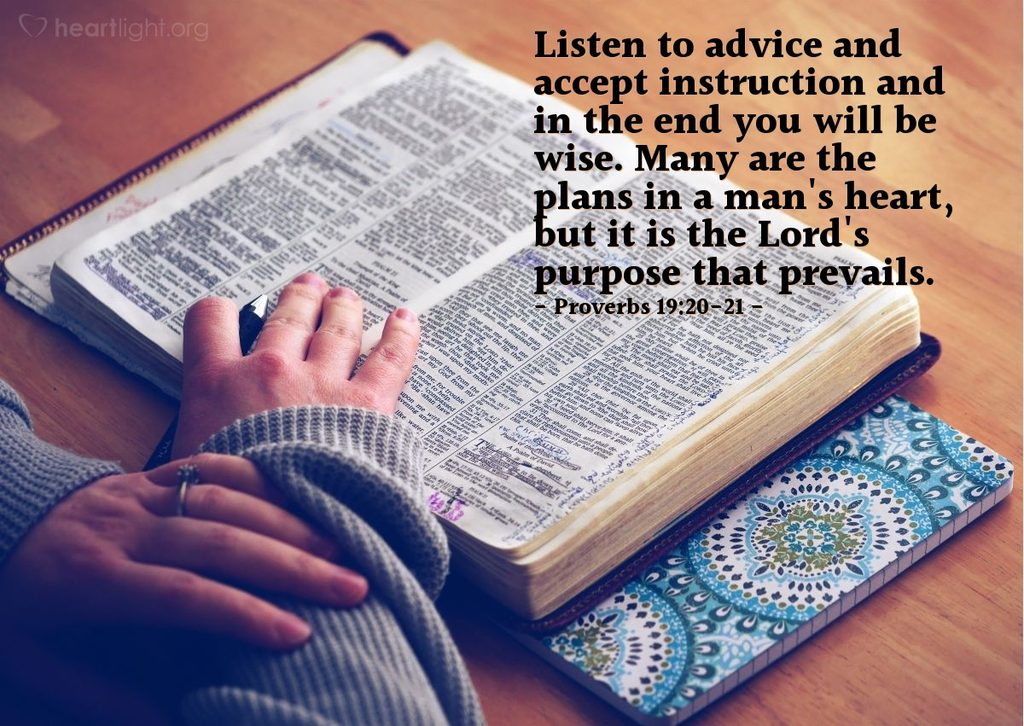
Listen to advice and accept instruction and in the end you will be wise. Many are the plans in a man’s heart, but it is the Lord’s purpose that prevails.
—Proverbs 19:20-21
Long ago, Thomas à Kempis declared, “Man proposes, heaven disposes.” Most of us rush to give advice and make grandiose plans. The Wiseman of Proverbs, likely Solomon, reminds us that wisdom comes from submitting to instruction and good advice — that requires discernment! Then, after a significant time of listening and considering, we can begin to align our hearts to the Lord’s purposes. If you are like me, you would do much better to let your plans ripen a bit more in the light of the Lord’s truth and wisdom from others before launching into living out those plans. I am comforted that James, the wisdom writer of the New Testament, reminded us that God will give that wisdom if we seek it and do not doubt (James 1:5-8). As we pray for wisdom, let’s also pray for patience to listen, recognize, understand, and align our hearts with the Lord’s truth, so we can recognize godly advice and good instruction as wisdom the Lord wants us to hear.
Prayer
Almighty God, please teach me your ways and help me discern your paths for my life. I have so many plans and schemes, but I know that if they are not from you and aligned with your will, they will not stand. Please lead me to your wisdom, and I will not only seek to know it, but also live it by the power supplied by your Holy Spirit. In Jesus’ name, I pray. Amen and Amen
Truth Article by Pastor Dirk
FEAR the Number 1 Sign of the End Times!
We read of the Signs of the End Times from the Bible, Jesus Himself gave us several signs to look for, to see that the End Time is near. As He informed His Disciples in the New Testament Books of Luke 21 and Matt 24, Jesus showed several people more end time signs Like Paul and John that wrote the End Time Book of Revelations.
But the Number 1 Sign of the Times Is one I see daily within Christians!
Yesterday I received the Tragic news of an Ex colleague at work that Passed away and the reason on his death on his death certificate was, Heart Failure.
The Holy Spirit spoke to me right away and instructed me to place this Article.
“Heart Failure is caused by Fear” I actually prayed and counseled this ex worker friend of mine in 2015, and the main reason for his counseling request was FEAR.
The Number One Killer of the End times we are living in right Now is FEAR!
Jesus said.
Luke 21:26 Men’s hearts failing them for fear, and for looking after those things which are coming on the earth: for the powers of heaven shall be shaken.
What is Fear?
Although the Definition of Fear is
An unpleasant emotion caused by the threat of danger, pain, or harm.
“I cowered in fear as bullets whizzed past”
synonyms: terror, fright, fearfulness, horror, alarm, panic, agitation, trepidation, dread, consternation, dismay, distress;
be afraid of (someone or something) as likely to be dangerous, painful, or harmful.
“I hated him but didn’t fear him any more”
synonyms: be afraid of, be fearful of, be scared of, be apprehensive of, dread, live in fear of, go in terror of, be terrified of, be terrified by, cower before, tremble before, cringe from, shrink from, flinch from;
Fear is the Opposite of Faith, Fear is the Opposite of Hope and Fear is the Opposite of loosing Love.
“FEAR STEPS IN WHEN YOU LOOSE FAITH”
Question: “Faith vs. fear – what does the Bible say?”
Answer: Faith and fear cannot exist together. Faith is described in Hebrews 11:1 as being “certain of what we do not see.” It is an absolute belief that God is constantly working behind the scenes in every area of our lives, even when there is no tangible evidence to support that fact. On the other hand, fear, simply stated, is unbelief or weak belief. As unbelief gains the upper hand in our thoughts, fear takes hold of our emotions. Our deliverance from fear and worry is based on faith, which is the very opposite of unbelief. We need to understand that faith is not something that we can produce in ourselves. Faith is a gift (Ephesians 2:8-9) and is described as a fruit (or characteristic) which is produced in our lives by the Holy Spirit (Galatians 5:22). The Christian’s faith is a confident assurance in a God who loves us, who knows our thoughts and cares about our deepest needs. That faith continues to grow as we study the Bible and learn the attributes of His amazing character. The more we learn about God, the more we can see Him working in our lives and the stronger our faith grows.
A growing faith is what we desire to have and what God desires to produce in us. But how, in day-to-day life, can we develop a faith that conquers our fears? The Bible says, “Faith comes by hearing, and hearing by the Word of God” (Romans 10:17). The careful study of God’s Word is of primary importance in developing a strong faith. God wants us to know Him and completely rely on His direction in our lives. It’s through the hearing, reading and meditation in the Scriptures that we begin to experience a strong, confident faith that excludes worry and fear. Spending time in prayer and quiet worship develops a relationship with our heavenly Father that sees us through even the darkest of nights. In the Psalms we see a picture of David, who, like us, experienced times of fear. Psalm 56:3 reveals his faith with these words: “When I am afraid, I will trust in you.” Psalm 119 is filled with verses expressing the way in which David treasured God’s Word: “I seek you with all my heart” (v. 10); “I meditate on your precepts” (v. 15); “I have hidden your word in my heart” (v. 11). These are revealing words which speak wisdom to us today.
God is kind and understanding toward our weaknesses, but He requires us to go forward in faith, and the Bible is clear that faith does not mature and strengthen without trials. Adversity is God’s most effective tool to develop a strong faith. That pattern is evident in Scripture. God takes each one of us through fearful situations, and as we learn to obey God’s Word and allow it to saturate our thoughts, we find each trial becomes a stepping stone to a stronger and deeper faith. It gives us that ability to say, “He sustained me in the past, He’ll carry me through today and He’ll uphold me in the future!” God worked this way in David’s life. When David volunteered to fight against Goliath, he said, “The Lord who delivered me from the paw of the lion and the paw of the bear will deliver me from the hand of this Philistine” (1 Samuel 17:37). David knew the God who had sustained him through dangerous situations in the past. He had seen and experienced God’s power and protection in his life, and this developed within him a fearless faith.
The Word of God is rich with promises for us to take hold of and claim for ourselves. When we face financial trouble, Philippians 4:19 tells us, “And my God will supply all your needs according to His riches in glory in Christ Jesus.” If we are anxious about a future decision, Psalm 32:8 reminds us that God will “instruct you and teach you in the way you should go; I will counsel you with my eye upon you.” In sickness we can remember that Romans 5:3 says, “Tribulation works patience.” If someone turns against us, we can be comforted by the words in Romans 8:31, “If God is for us who can be against us!” Throughout life we will continue to face various trials that would cause us fear, but God assures us that we can know a calm peace through every situation, “the peace of God, which transcends all understanding” which He has promised will “guard your hearts and your minds in Christ Jesus” (Philippians 4:7).
“FEAR STEPS IN WHEN YOU LOOSE HOPE”
Question: “What is the difference between faith and hope?”
Answer: Faith and hope are distinct yet related. That there is a difference between faith and hope is evident in 1 Corinthians 13:13, “Now these three remain: faith, hope and love. But the greatest of these is love.” Two of the three greatest gifts are faith and hope, listed separately. That faith and hope are related concepts is seen in Hebrews 11:1, “Faith is confidence in what we hope for.”
Faith is a complete trust or confidence in something. Faith involves intellectual assent to a set of facts and trust in those facts. For example, we have faith in Jesus Christ. This means we completely trust Jesus for our eternal destiny. We give intellectual assent to the facts of His substitutionary death and bodily resurrection, and we then trust in His death and resurrection for our salvation.
Biblical hope is built on faith. Hope is the earnest anticipation that comes with believing something good. Hope is a confident expectation that naturally stems from faith. Hope is a peaceful assurance that something that hasn’t happened yet will indeed happen. Hope must involve something that is as yet unseen: “Hope that is seen is no hope at all. Who hopes for what they already have?” (Romans 8:24). Jesus’ return is our “blessed hope” (Titus 2:13)—we can’t see Him yet, but we know He’s coming, and we anticipate that event with joy.
Jesus said He is coming again (John 14:3). By faith, we trust Jesus’ words, and that leads to hope that we will one day be with Him forever. Jesus was resurrected from the dead, “the first fruits of those who have fallen asleep” (1 Corinthians 15:20). That is the basis for our faith. Then we have Jesus’ promise: “Because I live, you also will live” (John 14:19). That is the basis of our hope.
The relationship between faith and hope can be illustrated in the joy a child feels when his father tells him they are going to an amusement park tomorrow. The child believes that he will go to the amusement park, based on his father’s word—that is faith. At the same time, that belief within the child kindles an irrepressible joy—that is hope. The child’s natural trust in his father’s promise is the faith; the child’s squeals of delight and jumping in place are the expressions of the hope.
Faith and hope are complementary. Faith is grounded in the reality of the past; hope is looking to the reality of the future. Without faith, there is no hope, and without hope there is no true faith. Christians are people of faith and hope. We have “the hope of eternal life, which God, who does not lie, promised before the beginning of time” (Titus 1:2).
“FEAR STEPS IN WHEN LOVE IS LOST”
Question: “Is God’s love conditional or unconditional?”
Answer: God’s love, as described in the Bible, is clearly unconditional in that His love is expressed toward the objects of His love (that is, His people) despite their disposition toward Him. In other words, God loves because it His nature to love (1 John 4:8), and that love moves Him toward benevolent action. The unconditional nature of God’s love is most clearly seen in the gospel. The gospel message is basically a story of divine rescue. As God considers the plight of His rebellious people, He determines to save them from their sin, and this determination is based on His love (Ephesians 1:4-5). Listen to the Apostle Paul’s words from his letter to the Romans:
“You see, at just the right time, when we were still powerless, Christ died for the ungodly. Very rarely will anyone die for a righteous man, though for a good man someone might possibly dare to die. But God demonstrates his own love for us in this: While we were still sinners, Christ died for us” (Romans 5:6-8).
Reading through the book of Romans, we learn that we are alienated from God due to our sin. We are at enmity with God, and His wrath is being revealed against the ungodly for their unrighteousness (Romans 1:18-20). We reject God, and God gives us over to our sin. We also learn that we have all sinned and fallen short of God’s glory (Romans 3:23) and that none of us seek God, none of us do what is right before His eyes (Romans 3:10-18).
Despite this hostility and enmity we have toward God (for which God would be perfectly just to utterly destroy us), God reveals His love toward us in the giving of His Son, Jesus Christ, as the propitiation (that is, the appeasement of God’s righteous wrath) for our sins. God did not wait for us to better ourselves as a condition of atoning for our sin. Rather, God condescended to become a man and live among His people (John 1:14). God experienced our humanity—everything it means to be a human being—and then offered Himself willingly as a substitutionary atonement for our sin.
This divine rescue resulted in a gracious act of self-sacrifice. As Jesus says in John’s gospel, “Greater love has no one than this, that he lay down his life for his friends” (John 15:13). That is precisely what God, in Christ, has done. The unconditional nature of God’s love is made clear in two more passages from Scripture:
“But because of his great love for us, God, who is rich in mercy, made us alive with Christ even when we were dead in transgressions—it is by grace you have been saved” (Ephesians 2:4-5).
“This is how God showed his love among us: He sent his one and only Son into the world that we might live through him. This is love: not that we loved God, but that he loved us and sent his Son as an atoning sacrifice for our sins” (1 John 4:9-10).
It is important to note that God’s love is a love that initiates; it is never a response. That is precisely what makes it unconditional. If God’s love were conditional, then we would have to do something to earn or merit it. We would have to somehow appease His wrath and cleanse ourselves of our sin before God would be able to love us. But that is not the biblical message. The biblical message—the gospel—is that God, motivated by love, moved unconditionally to save His people from their sin.
“END OF DAYS FAITH”
Question: “How can I overcome my fear of the end of days?”
Answer: The best way to overcome a fear of the end of days is to be spiritually prepared for it. First and foremost, you must have a personal relationship with Jesus Christ in order to have eternal life (John 3:16; Romans 10:9-10). Only through Him can you receive forgiveness of sin and have eternity with God. If God is your Father, there’s really nothing to worry about (Luke 12:32).
Second, every Christian should live a life worthy of the calling we have in Christ. Ephesians 4:1-3 teaches, “Walk in a manner worthy of the calling to which you have been called, with all humility and gentleness, with patience, bearing with one another in love, eager to maintain the unity of the Spirit in the bond of peace.” Knowing Christ and walking in His will go a long way towards diminishing fear of any kind.
Third, Christians are told what will happen in the end, and it’s encouraging. First Thessalonians 4:13-18 notes,
But we do not want you to be uninformed, brothers, about those who are asleep, that you may not grieve as others do who have no hope. For since we believe that Jesus died and rose again, even so, through Jesus, God will bring with him those who have fallen asleep. For this we declare to you by a word from the Lord, that we who are alive, who are left until the coming of the Lord, will not precede those who have fallen asleep. For the Lord himself will descend from heaven with a cry of command, with the voice of an archangel, and with the sound of the trumpet of God. And the dead in Christ will rise first. Then we who are alive, who are left, will be caught up together with them in the clouds to meet the Lord in the air, and so we will always be with the Lord. Therefore encourage one another with these words.
Rather than fear the future, we are called to anticipate the future with joy. Why? In Christ, we will be “caught up” to meet Him and we “will always be with the Lord.”
Further, Scripture says we do not need to fear Judgment Day: “By this is love perfected with us, so that we may have confidence for the day of judgment, because as he is so also are we in this world. There is no fear in love, but perfect love casts out fear. For fear has to do with punishment, and whoever fears has not been perfected in love” (1 John 4:17-18).
The apostle Peter reveals that, even if our future holds suffering, we need not fear: “But even if you should suffer for righteousness’ sake, you will be blessed” (1 Peter 3:14). Peter and many other early believers endured much hardship and even death because of their faith in Christ. Suffering is not to be feared; it is a blessing when it is borne for the name of Jesus.
Those who do not know Christ do not have the promise of peace for the future. For them, there is a real concern because they have not settled the issue of where they will spend eternity. Those who do know Christ do not fear the end of days. Instead, we strive to live a life worthy of our calling, live with confidence, suffer patiently, anticipate Jesus’ return, and rest in the knowledge that our times are in His hands (Psalm 31:15).
In the End Times there will be two groups of Christians!
One Group with Fear and No Faith they will take the Mark of the Beast.
And One Group with Total Faith and No Fear and they will not take the mark of the Beast and Receive the Seal / Mark of God on their Forehead.
Jesus Says!
Luk 12:32 Fear not, little flock; for it is your Father’s good pleasure to give you the kingdom.
Luk 8:50 But when Jesus heard it, he answered him, saying, Fear not: believe only, and she shall be made whole.
Mat 10:28 And fear not them which kill the body, but are not able to kill the soul: but rather fear him which is able to destroy both soul and body in hell.
Mat 10:31 Fear ye not therefore, ye are of more value than many sparrows.
Rev 1:17 And when I saw him, I fell at his feet as dead. And he laid his right hand upon me, saying unto me, Fear not; I am the first and the last:
Rev 15:4 Who shall not fear thee, O Lord, and glorify thy name? for thou only art holy: for all nations shall come and worship before thee; for thy judgments are made manifest.
Article by Pastor Dirk – TruLight Ministries International
NEWS MANNA
Russia’s Plague Mystery: What Are The World’s Labs Creating?

Something strange happened at a Russian laboratory that studies some of the most dangerous pathogens on Earth.
Twenty-eight-year-old Darya Shipilova, an employee of the Irkutsk Anti-Plague Research Institute in Siberia, became seriously ill and died October 2 from what Russian authorities describe as pneumonia of unknown origin. Reports circulated that she may have been exposed to pneumonic plague in a laboratory accident, although Russian officials deny that account and say testing found no pathogen connected to her work.
Nearly 200 contacts were initially placed under medical observation or isolation. Most have since been released, Russia says no plague has been detected, and the World Health Organization currently considers the broader public-health risk very low.
Perhaps that will ultimately be the end of the story.
But the incident has opened the door to a much larger question that received far less attention during the COVID pandemic and deserves considerably more today:
What exactly are laboratories around the world doing with the deadliest pathogens known to mankind?
The Diseases We Don’t Talk About
COVID was devastating, but biologically speaking, it was nowhere near the worst pandemic scenario imaginable.
The World Health Organization maintains a list of pathogens considered priorities because of their epidemic potential and the limited countermeasures available against them. It includes Ebola and Marburg, Nipah virus, Lassa fever, MERS and SARS, Crimean-Congo hemorrhagic fever and something ominously called “Disease X” — WHO’s placeholder for a currently unknown pathogen capable of causing a serious international epidemic.
Consider Nipah virus. Some outbreaks have produced extraordinarily high fatality rates. Fortunately, Nipah has never developed anything approaching COVID’s ability to sweep efficiently through human populations.
And therein lies the nightmare.
Imagine a disease considerably more lethal than COVID that also possesses COVID-like transmissibility.
Add another characteristic: symptoms that don’t appear immediately, allowing infected people to travel and spread it before realizing they are sick.
Then add resistance to existing treatments.
That is the sort of combination that could transform a disease outbreak into a civilization-level emergency.
Why Are We Studying These Things?
There is an important answer to that question: because we need to.
Scientists cannot easily develop vaccines, diagnostic tests and treatments against dangerous diseases without studying the organisms responsible for them. Laboratories also monitor mutations, identify emerging threats and give health authorities a chance to recognize outbreaks before they become pandemics.
The problem is something scientists call “dual-use research.”
The same knowledge that teaches us how to stop a pathogen can potentially teach someone how to make it more dangerous.
Research might examine what allows a virus to infect new species, evade immunity, become resistant to treatment or spread more efficiently. Such experiments can have legitimate scientific purposes. They can also create obvious risks.
Those concerns became serious enough that President Trump issued an executive order in 2025 restricting federal support for what the administration defines as dangerous gain-of-function research — experiments capable of increasing characteristics such as pathogenicity, transmissibility, drug resistance or the ability to evade detection.
Even WHO acknowledges the changing danger. Its updated laboratory biosecurity guidance specifically addresses risks arising from genetic modification and manipulation of pathogens as well as artificial intelligence. The purpose is not simply to prevent laboratory accidents, but also theft and deliberate misuse.
That should get our attention.
Biological Weapons Didn’t Disappear
Russia makes the present controversy particularly troubling because this is not theoretical history.
The Soviet Union operated an enormous secret biological-weapons program despite signing the Biological Weapons Convention. American assessments have concluded that Russia inherited significant portions of that apparatus rather than completely dismantling it.
A U.S. State Department compliance assessment concluded that the Soviet biological-weapons program was “absorbed, not dismantled” and that it “continued and evolved” under the Russian Federation.
That does not prove Shipilova’s death had anything to do with biological weapons. There is currently no evidence establishing such a connection.
But it explains why the world is paying attention.
Former Soviet biological-weapons officials have described experiments involving plague and efforts to develop antibiotic-resistant pathogens. If antibiotics are one of humanity’s principal defenses against bacterial diseases, deliberately engineering around that defense changes the equation dramatically.
And Russia is hardly the only reason for concern.
America’s 2026 intelligence threat assessment warns that advances in synthetic biology, bioinformatics, nanotechnology and genome editing could produce novel biological threats while simultaneously increasing the possibility of accidental pathogen releases.
Technology is changing what is possible.
When Biology Meets Artificial Intelligence
This may eventually become the most important part of the story.
Building a sophisticated biological weapon once required the resources of governments, enormous laboratories and armies of highly trained scientists.
But biotechnology is advancing at breathtaking speed.
Scientists can manipulate genomes with increasing precision. DNA can be synthesized. Computer systems can analyze enormous biological datasets. Artificial intelligence is increasingly capable of helping researchers understand proteins, molecules and biological processes that once required years of work.
These technologies offer enormous benefits. They could help cure diseases, develop medicines and stop future pandemics.
But every technological revolution has a darker side.
The concern is not that an AI system will suddenly manufacture a pandemic by itself. It is that tools that dramatically accelerate legitimate biological discovery may also gradually lower the knowledge barriers that once kept extremely sophisticated biological manipulation beyond the reach of most people.
The distance between “What can governments do?” and “What can a small group do?” could continue shrinking.
COVID Was A Warning
The lesson from COVID should not simply be that another coronavirus might emerge.
It should be that modern civilization is extraordinarily vulnerable to infectious disease.
Within weeks, borders closed. Churches shut their doors. Schools emptied. International travel collapsed. Businesses disappeared. Governments assumed emergency powers. Supply chains buckled. Fear swept across continents almost as quickly as the virus itself.
And that was not the worst pathogen nature — or potentially mankind — could produce.
That is what makes the mystery in Siberia worth watching even if Russia’s explanation proves completely correct.
The real story isn’t necessarily what happened inside one Russian laboratory.
It is what is happening inside laboratories everywhere as humanity gains increasingly powerful tools to manipulate life itself.
There are good reasons to study dangerous diseases. There are scientists doing that work precisely because they want to prevent the next pandemic.
But the stakes are becoming enormous.
One mistake, one security failure, one reckless experiment or one malicious actor could potentially unleash something that cannot simply be recalled once it leaves the laboratory.
For Christians, Scripture’s repeated warnings about pestilence no longer describe something belonging only to the ancient world. Our generation has already witnessed how quickly disease can shake the entire planet.
COVID demonstrated what a pandemic can do.
The more unsettling question is what happens when the next pathogen is worse.
America Is Building An Autonomous Military. Are The Guardrails Keeping Up?
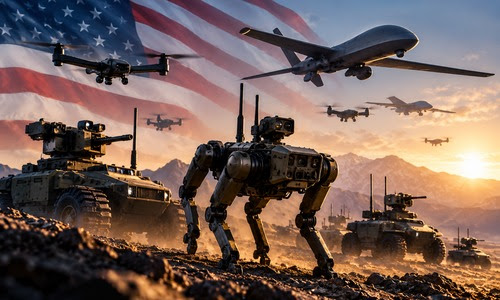
On September 30 at Quantico, Secretary of War Pete Hegseth announced something that deserves far more attention than another Pentagon reorganization.
Among six initiatives unveiled in his “State of the Force” address, Hegseth announced plans for a four-star Autonomous Warfare Command, or AUTOWARCOM, intended to build and scale autonomous and robotic capabilities across the Joint Force by October 2027. Project Agincourt, whose name evokes Henry V’s 1415 victory over a far larger French army, will lay the groundwork with new military specialties and faster acquisition pathways. Project Meridian will examine what technologies and capabilities future battlefields will demand.
“Lasting change must be anchored in military command structures,” Hegseth said. That sentence explains why Quantico matters. Experiments come and go. Commands endure.
Nine months earlier, at SpaceX’s Starbase, Hegseth declared that America would become an “AI-first warfighting force across all domains.” America would not win by bolting artificial intelligence onto old tactics, he said: “We will win by discovering entirely new ways of fighting.”
Quantico moves that vision from strategy to institution.
There are compelling reasons for doing so. The Pentagon’s latest China report finds that Beijing continues to develop military AI, and the People’s Liberation Army (PLA) is integrating AI into unmanned systems, cyber operations, and other military applications. America cannot assume potential adversaries will wait while we debate the implications.
But history also warns against confusing technological superiority with military superiority. American forces have prevailed against technically superior weapons, such as Germany’s Tiger tank, because training, doctrine, logistics, mass, and human judgment also decide battles.
The harder question is whether we are building dependence on autonomous warfare faster than we are building the institutions capable of governing it.
Hegseth’s January AI Acceleration Strategy reaches across warfighting, intelligence, and military administration. Among its seven priority projects is Agent Network, intended to develop AI-enabled battle management and decision support extending from campaign planning to what the Pentagon calls “kill chain execution.” Another project, Swarm Forge, is intended to experiment with AI-enabled capabilities and discover new ways of fighting with and against them.
I recently wrote about what that means for a commander who has seconds to decide after machines have assembled the picture, ranked the threats, and narrowed the options. A human may remain “in the loop” and still exercise little independent judgment. Human authorization is not the same thing as human judgment, and the gap between them widens as machines take on more of the thinking.
The Pentagon already requires autonomous weapon systems to permit “appropriate levels of human judgment over the use of force.” The directive never defines how much judgment is appropriate once a machine has already shaped what the commander knows.
For most of military history, technology extended man’s physical capabilities. Gunpowder increased destructive power. Aircraft conquered distance. Radar extended perception. Computers accelerated calculation.
Artificial intelligence reaches farther. It now performs analysis, interpretation, prediction, and recommendation, cognitive work once reserved for commanders and their staffs. As machines take on that work at a speed and scale no staff can match, the officer’s role shifts from producing analysis to questioning, validating, and judging what the machine produces.
In a forthcoming address to the MacArthur Society, a nonprofit organization of West Point graduates dedicated to preserving the Academy’s traditions of “Duty, Honor, Country,” I put it this way: Speed is not wisdom, prediction is not judgment, and calculation is not conscience. The profession of arms has always required something more than selecting the most efficient course of action. Commanders must weigh what is lawful, necessary, proportionate, and ultimately right. Those judgments, and the accountability for them, belong to men and women in uniform.
That distinction also has consequences for how America determines when and how force may be used. In June, responding to Pope Leo XIV’s declaration in his AI encyclical “Magnifica Humanitas” that Just War theory is “outdated,” I argued the opposite: AI makes the tradition’s disciplines more important. Machine speed does not eliminate legitimate authority. Computational optimization does not reduce proportionality to an equation. Greater autonomy does not erase the obligation to distinguish legitimate military targets from civilians.
Scripture supplies a warning every commander should heed: “The horse is made ready for the day of battle, but the victory belongs to the LORD” (Proverbs 21:31, ESV). Judah once looked to Egypt’s horses and chariots rather than to the Lord. The temptation in every age is to trust the newest instrument of war rather than cultivate the wisdom required to use it.
The most immediate danger, then, is not the science fiction scenario of a machine rebelling against its creators. The quieter danger is that commanders grow so dependent upon machine recommendations that questioning them becomes difficult. Confidence becomes dependence, and dependence becomes deference.
Congress cannot discharge its responsibility for this transformation by funding it. It must govern it.
Lawmakers have begun confronting the problem. Congressional proposals would strengthen requirements for human responsibility over autonomous weapons, including identifying accountable commanders, preserving human judgment and control over the use of force, and maintaining records sufficient to reconstruct decisions afterward. That is an important beginning. But proposals are not guardrails until they become enforceable law.
Quantico makes that work urgent. “We need institutional knowledge and career paths for a new generation of autonomous warfighters,” Hegseth said. Once careers, budgets, and doctrine depend on autonomy, the incentives inside the Pentagon will favor more of it. Guardrails belong in place while the command is being built, not after dependence upon it becomes entrenched.
Congress should therefore turn those proposals into law, define meaningful human control, identify which decisions must remain exclusively human, and name who answers when the technology fails.
None of this requires slowing innovation to a crawl. Hegseth is right about the danger of bureaucratic inertia, and America’s adversaries give us little room for complacency. But neither technological enthusiasm nor fear of China should substitute for discernment.
America has repeatedly transformed its military while retaining something more important than any particular weapon: civilian authority, constitutional accountability, the law of armed conflict, and a professional ethic holding human commanders responsible for the forces entrusted to them.
AUTOWARCOM may ultimately give American forces an extraordinary advantage. But capability without adequate control creates strategic risk of its own.
America has already entered the age of autonomous warfare. The test now is whether our doctrine, training, congressional oversight, and moral guardrails can develop quickly enough that machines take on more of the work of warfare without assuming the moral judgment and responsibility that belong to human beings. That may be the most important command decision of the AI age.
She Survived Her Execution – Should Christians Support The Death Penalty?
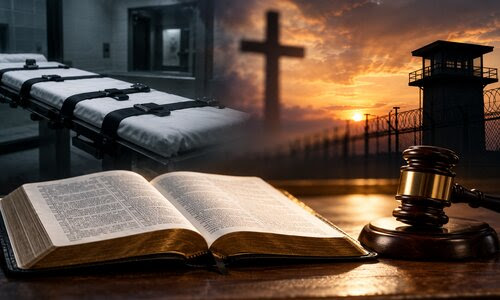
America is suddenly confronting the death penalty again–and from dramatically different directions.
On September 30, Tennessee attempted to execute convicted murderer Christa Pike by lethal injection. It didn’t work. After receiving two doses of pentobarbital, Pike survived and was rushed to a hospital, where she remained unconscious for days. She has now regained consciousness and is speaking, while Tennessee has halted further executions pending an investigation into what went wrong.
At almost the same time, President Donald Trump approved an extraordinarily rare execution: former Army Maj. Nidal Hasan is to be put to death by military firing squad for murdering 13 people in the 2009 Fort Hood massacre. If carried out, it would be America’s first military execution since 1961.
Meanwhile, Idaho has made the firing squad its primary method of execution–a change that followed the state’s failed attempt in 2024 to execute longtime death-row inmate Thomas Creech by lethal injection.
Suddenly, capital punishment is back in the headlines.
For Christians, however, the question goes deeper than lethal injection versus firing squad:
Can followers of Jesus support the death penalty?
It is tempting to answer emotionally. Pike’s crime–the brutal 1995 torture and murder of 19-year-old Colleen Slemmer–was horrific. What happened in Tennessee’s execution chamber was also deeply troubling.
But Christians cannot build their theology of justice around which event produces the stronger emotional reaction.
The question is what Scripture teaches.
And while Christians have legitimate reasons to be cautious about how capital punishment is administered, the biblical case that government possesses the authority to impose it for the gravest crimes is strong.
Why Genesis 9 Matters
Perhaps the clearest foundation appears in Genesis 9:6:
“Whoever sheds man’s blood, by man his blood shall be shed; for in the image of God He made man.”
This comes before the Mosaic Law. God gave this command to Noah following the Flood, and His reasoning is enormously important.
Murder warrants such severe judgment because human beings are made in God’s image.
That turns a common objection to capital punishment on its head.
The death penalty is not necessarily based upon the idea that human life is cheap. Genesis 9 grounds it in precisely the opposite principle: human life is so valuable that deliberately destroying an innocent image-bearer can warrant the ultimate earthly penalty.
There is a profound moral difference between murdering an innocent person and government lawfully punishing the murderer.
One destroys justice. The other is intended to uphold it.
Government Bears The Sword
The New Testament does not simply abolish that principle.
Romans 13 describes civil government as God’s servant for restraining and punishing evil. Paul says the governing authority “does not bear the sword in vain” and calls it “an avenger who carries out God’s wrath on the wrongdoer.”
Notice the contrast with the chapter immediately before it.
Romans 12 commands Christians not to avenge themselves.
Romans 13 gives government authority to punish wrongdoing.
That distinction is essential.
Christians are forbidden from personal vengeance. Government is charged with public justice.
A Christian can therefore forgive the murderer of a loved one while believing that a court has the authority to punish that murderer.
Forgiveness does not eliminate earthly consequences.
If it did, Christian forgiveness would logically require eliminating prisons and every other criminal penalty.
But Didn’t Jesus Teach Mercy?
Of course He did.
Jesus commanded His followers to forgive, love their enemies and turn the other cheek. Christians should never minimize those commands.
But Jesus was teaching believers how to respond personally to evil. “Turn the other cheek” does not mean police cannot arrest violent criminals, judges cannot sentence them or governments cannot protect innocent people.
Acts 25 contains an especially revealing statement.
Facing charges before Roman authorities, Paul declared:
“If then I am a wrongdoer and have committed anything for which I deserve to die, I do not seek to escape death.”
Paul maintained his innocence, but he plainly acknowledged that some crimes could deserve death.
That is difficult to reconcile with the argument that Christianity categorically prohibits capital punishment.
Christians Still Have Reasons For Caution
Biblical authorization does not mean Christians should enthusiastically support every execution.
Government is administered by fallible human beings.
Judges can be wrong. Prosecutors can be wrong. Witnesses can lie. Evidence can be misunderstood. Jurors can make mistakes.
And execution cannot be reversed.
Scripture itself demanded extraordinary safeguards in capital cases. Multiple witnesses were required, false testimony was severely condemned and judges were repeatedly warned against corruption and partiality.
That principle should matter today.
If reasonable doubt about guilt remains, Christians should be extremely hesitant about an irreversible punishment.
There is also the question of how executions are conducted.
What happened to Pike deserves investigation. Government cannot claim authority to administer justice while being careless about how it exercises the most irreversible power it possesses.
Biblical justice does not require cruelty.h
Mercy Does Not Cancel Justice
Perhaps the most powerful picture comes from the thief crucified beside Jesus.
The thief acknowledged that he was receiving a just punishment. Yet in his final hours he turned toward Christ.
Jesus told him:
“Today you will be with Me in Paradise.”
Christ forgave him.
But He did not remove him from the cross.
The thief received eternal mercy while still facing earthly judgment.
That scene reminds us that forgiveness and punishment can coexist.
A murderer can repent. A victim’s family can forgive. God can save the condemned.
And government can still administer justice.
Don’t Forget The Victim
There is one final danger in debates surrounding cases like Pike’s.
Eventually, the condemned prisoner can become the center of the story while the murdered victim almost disappears.
For three decades there have been appeals, hearings, clemency requests and now headlines about Christa Pike.
Colleen Slemmer received no such decades.
She was 19.
Whatever happens next in Tennessee, she cannot become a footnote.
An image-bearer of God was deliberately killed.
That is precisely why Genesis 9 treats murder with such gravity.
Christians can debate whether America’s death-penalty system operates accurately enough, fairly enough or competently enough. They can demand overwhelming certainty. They can support clemency in particular cases. They can insist upon due process and humane treatment.
Those are legitimate debates.
But they are different from declaring capital punishment itself unbiblical.
Scripture gives civil government an authority individual Christians do not possess: the authority to wield the sword against grave evil.
That authority should make Christians sober, not bloodthirsty; cautious, not indifferent.
Mercy is real. Forgiveness is real. Redemption is real.
But justice is real too.
The biblical argument for capital punishment is ultimately not that human life is worth too little to protect.
It is that human life is worth so much that deliberately taking an innocent life can warrant the most serious punishment government can impose.
Your Money Is Going Digital – And Soon It May Come With Conditions . Becoming the 666 ?

Something significant is happening to money in Canada, but Americans shouldn’t make the mistake of thinking this is merely a Canadian experiment.
Six of Canada’s largest banks — BMO, CIBC, National Bank, RBC, Scotiabank and TD — have announced that they are jointly exploring a Canadian-dollar tokenized deposit system. The banks say the project is intended to provide customers with faster and more efficient payments.
But there is another word in the announcement that deserves attention.
“Programmable.”
The banks specifically say their project seeks to deliver “faster, more efficient and programmable payments” to Canadian customers. The first phase would allow tokenized deposits to move efficiently between Canadian financial institutions, while the longer-term goal includes connecting the system with other emerging digital-asset initiatives.
For most consumers, this will probably sound like another technological upgrade. Faster transfers. Instant settlement. Fewer delays. Payments operating around the clock.
And there are legitimate advantages to all of those things.
But programmable money introduces a capability that traditional money has never possessed on this scale: money can potentially interact with rules governing how and when a transaction takes place.
That changes the conversation.
A Dollar That Can Follow Instructions
Cash is remarkably simple.
A twenty-dollar bill does not know who owns it. It doesn’t know your political opinions, your location or what you intend to purchase.
It simply represents value.
Programmable digital money is different.
Conditions can potentially be incorporated into transactions through software. A payment could be released when a contractual requirement is satisfied. Funds could automatically move when goods arrive. A financial transaction could execute only after predetermined conditions have been met.
Many applications would be enormously useful.
But the same capability raises an unavoidable question:
If money can obey rules, who ultimately gets to write the rules?
Canada’s banks have not announced a system allowing the government to dictate what groceries Canadians may purchase or where individuals may spend their money. Claims that this has already happened go beyond the evidence.
But that isn’t really the point.
The significance is that financial infrastructure is being developed in which programmability becomes a normal feature rather than a theoretical possibility.
And Canada isn’t doing this in isolation.
This Is Becoming A Global Financial Project
Canada has joined Project Agorá, an international initiative organized by the Bank for International Settlements.
The project is experimenting with a multi-currency system combining tokenized commercial-bank deposits with wholesale central-bank money on a shared programmable platform.
And it is no longer merely theoretical.
In July 2026, 28 financial institutions and central banks across Asia, Europe and North America conducted real-value transactions through Project Agorá. The Bank for International Settlements says the technology can embed “workflow logic, compliance requirements and conditional payment triggers directly into transactions.”
The average settlement time during the test was approximately 80 seconds.
The project now involves eight central banks and more than 40 financial institutions. It spans major currencies and financial centers across North America, Europe and Asia.
In other words, the financial world isn’t simply digitizing money.
It is experimenting with making digital money interoperable across borders — and programmable.
Europe Adds Digital Identity
Europe is moving aggressively into this new financial environment.
The EU is pursuing the digital euro while simultaneously requiring member states to provide European Digital Identity Wallets by the end of 2026. Those wallets are intended to allow Europeans to prove their identity and store official credentials for interactions with government and private services.
Canada and the European Union also maintain a formal Digital Partnership covering areas including digital identity, data governance and cybersecurity. At their October 1 Digital Dialogue, officials discussed digital credentials and wallets.
Meanwhile, Canadian and European financial officials have discussed the digital euro, Canada’s developing stablecoin framework and tokenization in financial markets.
There is no announced agreement to merge Canada’s proposed bank tokens with the digital euro.
But the broader direction deserves attention.
Digital identity is expanding.
Digital money is expanding.
Tokenization is expanding.
Cross-border interoperability is expanding.
And programmable transactions are moving from laboratory concepts toward real-world financial infrastructure.
Americans Shouldn’t Think This Stops At The Border
It would be easy for American readers to look north at Canada or across the Atlantic at Europe and assume this is something happening somewhere else.
It isn’t.
The United States is already deeply involved in the same transformation.
The Federal Reserve Bank of New York participates in Project Agorá alongside central banks from Europe, Britain, Japan, South Korea, Mexico and Switzerland.
Meanwhile, J.P. Morgan has already launched JPM Coin, a U.S.-dollar-denominated deposit token available to institutional clients. The bank says its blockchain infrastructure has processed trillions of dollars in transactions and billions of dollars on an average day.
Washington is also building a regulatory framework for another form of digital money: payment stablecoins.
Under the GENIUS Act, federal banking regulators are developing rules governing permitted stablecoin issuers, reserves, customer identification and other requirements.
This does not mean the United States has adopted a retail central bank digital currency or that Washington can suddenly program how Americans spend every dollar.
It does mean America is traveling down the same broader road toward tokenized, always-on and increasingly interconnected digital finance.
The technology may differ from country to country. One nation may emphasize a central-bank digital currency. Another may rely primarily on regulated stablecoins. Another may use tokenized commercial-bank deposits.
But the destination could still produce something remarkably similar:
Money existing on digital networks capable of communicating with identity systems, compliance systems and financial institutions almost instantly.
The architecture is becoming global.
Canada Has Already Crossed One Important Line
Canadians have another reason to pay attention.
During the 2022 Freedom Convoy protests, the Canadian government invoked the Emergencies Act and gave financial institutions authority to freeze or suspend accounts associated with the blockades without first obtaining a court order.
The lesson goes beyond whether someone supported or opposed the convoy.
Canada demonstrated something important:
Access to the financial system can become an instrument of government policy.
And Canada accomplished that using relatively conventional banking infrastructure.
So what happens when tomorrow’s infrastructure becomes instantaneous, interconnected and programmable?
That is a question Americans should be asking too.
Governments do not need programmable money to freeze accounts today. Banks already enforce sanctions, court orders and anti-money-laundering requirements.
But tomorrow’s financial infrastructure could make enforcement far faster, more automated and potentially more granular.
The issue isn’t simply whether authorities can restrict someone’s financial activity.
Increasingly, the question may become how quickly, comprehensively and automatically such restrictions can be implemented.
The Bible Described Conditional Commerce Long Ago
For students of Bible prophecy, the implications are difficult to ignore.
Revelation 13 describes an extraordinary future economic system in which participation in commerce becomes conditional. Those who refuse allegiance to the Beast are unable to “buy or sell.”
For generations, Christians could understand the prophecy theologically while struggling to imagine how such comprehensive economic control could actually be enforced.
How could authorities monitor millions — potentially billions — of transactions?
How could someone’s identity be connected instantly with permission to participate in commerce?
How could restrictions follow an individual from one financial institution to another — or even across borders?
Those questions aren’t nearly as difficult to answer anymore.
We should be careful here.
Canada’s tokenized deposits are not the Mark of the Beast.
The digital euro isn’t the Mark.
America’s stablecoins aren’t the Mark.
Digital identity isn’t the Mark.
Project Agorá isn’t the Mark.
But Bible prophecy does tell us that a time will come when identity, allegiance and economic participation become connected in ways that determine whether a person may buy or sell.
Consider what is now developing simultaneously:
Digital identity establishes who you are.
Digital financial networks establish what money belongs to you.
Programmability allows transactions to interact with predetermined rules.
Compliance technology determines whether transactions satisfy those rules.
Interoperability allows these systems to communicate across financial institutions and national borders.
For the first time in human history, the technological architecture capable of facilitating something resembling that level of economic control is becoming conceivable — and increasingly ordinary.
And perhaps that is the development worth watching most closely.
It Probably Won’t Be Sold As Control
No government needs to announce, “We are building an economic control system.”
The transformation will be sold on its legitimate benefits.
Faster payments.
Less fraud.
Lower transaction costs.
Instant international transfers.
Protection against money laundering.
Digital identity.
Twenty-four-hour banking.
Programmable payments.
And many of those improvements could genuinely make life easier.
But technology created for convenience can also create capabilities its original users never intended.
Once the infrastructure exists, its ultimate character depends upon who controls it, what rules are attached to it, what safeguards protect individual liberty — and whether citizens retain meaningful alternatives.
That is why Americans should pay attention to what is happening in Canada and Europe.
They are not watching someone else’s future.
The United States is already participating in the same global transformation.
Money is becoming digital.
Money is becoming interconnected.
And increasingly, money is becoming capable of following instructions.
The question that may ultimately matter most is not whether programmable money is coming.
It is who will be doing the programming.

TruLight TV – Some call it Heaven. I call it Home.
What does it look like to love people like family? Whose name comes to mind when you’re asked who God wants you to treat like family? Watch this video and be inspired to invite others into your inner circle the way Jesus did. and later Returning for their second performance on Gospel Music USA, Tribute Quartet – multi-award winning and multi-Dove Award nominated recording artist Tribute Quartet has become one of the country’s most dynamic, beloved and sought after male quartets in all of gospel music. Gary Casto, Josh Singletary, Gus Gaches, and Ian Owens have proven to possess a combination of musical talent, warm and engaging personalities, and a focus that has kept them on the path to continued success since their inception. Come enjoy the program with us here on TruLight TV and Share this Video with your Friends.
Today on TruLight Radio XM
TruLight Radio XM 24/7
Program
GMT / UTC +2
Monday To Fridays
00:15 Words to Live By Testimonies
01.15 Science Scripture and Salvation
02.15 Ground Works
04.00 Gospel Concert of the Day
05.00 The Daren Streblow Comedy Show
5:55 It is Today devotional
6:00 Gaither Homecoming Morning Show
7:15 Discover the Word
8.15 Destined for Victory
8:55 Science Scripture and Salvation
9:00 Holy Spirit Hour – Normally Sermons
10:15 Hope of the Heart
11:15 Unshackled
11.45 Words to Live By
12:15 Truth for Life
13:15 Living on the Edge with Chip Ingram
14:15 Focus on the Family
15:00 Kids Hour
16:00 In Touch with Dr. Charles Stanley
16:30 Groundwork
17:15 Live in the Light
18:15 Renewing your Mind
19:00 Gaither Homecoming Show
20:15 Growing Hope
21:15 Adventures in Odyssey Radio Drama
21:45 Bible Reading
22:15 Night-sounds
23.00 Good Old Country Gospel / Rhema Gospel Express
VISIT THE WEBSITE
TruLight Ministry News – EXTRA MANNA
TruLight Ministries orders from God since 2012 . Teach Them , Comfort Them and Warn Them!
TruLight Ministries International – Introduced 2 News Websites this Month!
https://TruPlay.co.za

TruLight Ministries International shaping up our digital platforms for gospel music and audio programming! https://TruPlay.co.za – If you are looking to stream gospel music, sermons, or radio dramas, you can access their active streaming media through the official TruLight Ministry portals:
https://IronBrews.co.za

“And let us consider how we may spur one another on toward love and good deeds. Let us not give up meeting together, as some are in the habit of doing, but let us encourage one another—and all the more as you see the Day approaching” (Hebrews 10:24–25). https://ironbrews.co.za/
Artist Liners
Healing Truths.
End Time Articles.
Picture Manna to Share
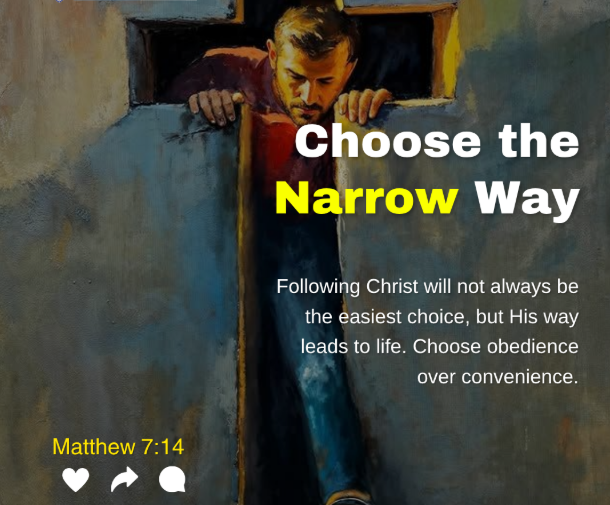
From God – I repair the Broken – come and See !
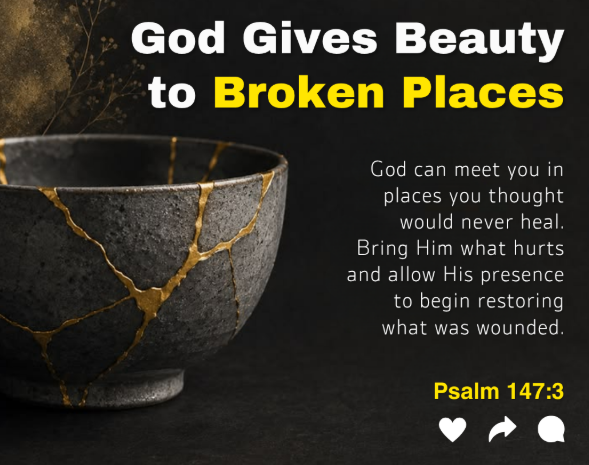
From Jesus – Please , Choose the Narrow Way !
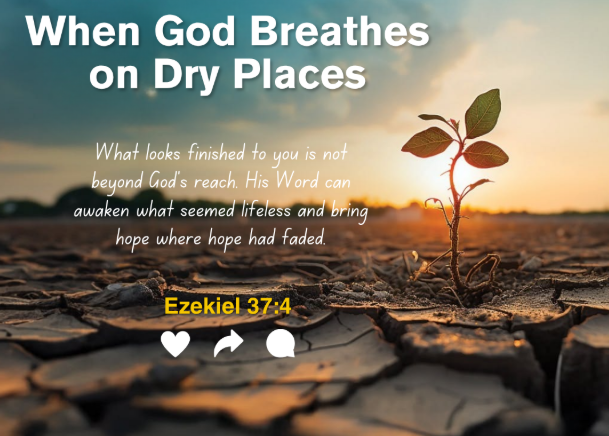
From the Holy Spirit – I am Gods Breath . Where is the Dry Places in your Life ?
Share this Feeding of Manna with your Friends and Family. just click on the Social Media icon and share This Manna with your Friends and Family. just click on the Social Media icon and share !