Hosted by TruLight Ministries International – The Place of Truth
SELECT YOUR READING LANGUAGE – BOTTOM LEFT = YOUR DAILY MANNA NOW AVAILABLE IN 103 LANGUAGES
@ TruLight Daily Manna is not Just a Bible Verse with a Small Prayer . NO ::: WE SERVE DAILY Manna for the ENTIRE Day . Breakfast , Lunch , Dinner , Plus tea Times and even Entertainment Manna . Plus News Manna and More , This Daily Manna will keep you Spiritually full for the full 48 Hours and even More to Share with your Friends and Family !!!
Make my Heart “Different”, Please Lord

The Bible speaks often of the heart. The word heart can mean different things depending upon the context. Most often, the heart refers to the soul of a human being that controls the will and emotions. The heart is the “inner man” (2 Corinthians 4:16). The prophet Ezekiel makes several references to a “new heart” (e.g., Ezekiel 18:31; 36:26). An oft-quoted verse is Ezekiel 11:19 where God says, “I will give them an undivided heart and put a new spirit in them; I will remove from them their heart of stone and give them a heart of flesh.” So what does this mean?
In Ezekiel 11, God is addressing His people, the Israelites, promising to one day restore them to the land and to a right relationship with Himself. God promises to gather the Hebrews from the nations where they had been scattered (Ezekiel 11:17) and give them a new, undivided heart (verse 19). The result of their receiving a new heart will be obedience to God’s commands: “Then they will follow my decrees and be careful to keep my laws. They will be my people, and I will be their God” (Ezekiel 11:20). This prophecy will be fulfilled in the millennium, when Jesus the Messiah rules from Zion and Israel has been restored to faith (Romans 11:26).
Someone whom God has given a new heart behaves differently. Saul is an example of this in 1 Samuel 10. God had chosen Saul to be the first king of Israel. Saul was a nobody, but God chose him anyway and sent the prophet Samuel to anoint him king. “Then Samuel took a flask of olive oil and poured it on Saul’s head and kissed him, saying, ‘Has not the Lord anointed you ruler over his inheritance?’” (1 Samuel 10:1). Samuel made several predictions to prove to Saul that God had sent him: “As Saul turned and started to leave, God gave him a new heart, and all Samuel’s signs were fulfilled that day” (1 Samuel 10:9, NLT). The new heart God gave Saul transformed him from an average nobody to the king of Israel. Not only was his status changed, but his entire outlook was transformed by the power of God.
The human heart was created to mirror God’s own heart (Genesis 1:27; James 3:9). We were designed to love Him, love righteousness, and walk in harmony with God and others (Micah 6:8). But part of God’s design of the human heart is free will. That free will carries with it the opportunity to abuse it, as did Adam and Eve in the Garden of Eden (Genesis 3:11). God desires that we choose to love and serve Him. When we stubbornly refuse to follow God, our hearts, which were designed to communicate with God, are hardened. God compares rebellious hearts to stone (Zechariah 7:12). A heart of stone finds it impossible to repent, to love God, or to please Him (Romans 8:8). The hearts of sinful humanity are so hardened that we cannot even seek God on our own (Romans 3:11), and that’s why Jesus said no one can come to Him unless the Father first draws him (John 6:44). We desperately need new hearts, for we are unable on our own to soften our hard hearts. A change of heart toward God requires a supernatural transformation. Jesus called it being “born again” (John 3:3).
When we are born again, God performs a heart transplant, as it were. He gives us a new heart. The power of the Holy Spirit changes our hearts from sin-focused to God-focused. We do not become perfect (1 John 1:8); we still have our sinful flesh and the freedom to choose whether or not to obey it. However, when Jesus died for us on the cross, He broke the power of sin that controls us (Romans 6:10). Receiving Him as our Savior gives us access to God and His power—a power to transform our hearts from sin-hardened to Christ-softened. When we were separated from God with hardened hearts, we found it impossible to please Him. We tended toward selfishness, rebellion, and sin. With new hearts we are declared righteous before God (2 Corinthians 5:21). The Holy Spirit gives us a desire to please God that was foreign to us in our hardened state. Second Corinthians 3:18 says that we “are being transformed into his image with ever-increasing glory, which comes from the Lord, who is the Spirit.” God’s desire for every human being is that we become like His Son, Jesus (Romans 8:29). We can become like Jesus only when we allow God to rid us of our old, hardened hearts and give us new hearts.
a Different Heart means a Heart filled with Faith – Many people struggle with their faith at different times in their lives. Some of the most committed and godly leaders have struggled with doubts, just like everyone else. The very essence of faith is to believe in that which we cannot see (Hebrews 11:1). As physical beings, we tend to put faith in what we experience with our senses. Spiritual realities are not tangible and must be experienced outside our senses. So, when that which is tangible and visible seems overwhelming, doubts can shroud that which is invisible.
The first aspect to consider is the object of faith. The word faith has become popular in recent years, but the popular meaning is not necessarily the same as the biblical meaning. The term has become synonymous with any religious or irreligious adherence, regardless of whether there is foundational truth upon which to base such adherence. In other words, someone could claim “faith” in dandelions for spiritual healing, and that claim would be considered equally viable to the Christians’ claim that the Bible is God’s inspired Word. So, when struggling with “faith,” it is vital to define the object and reasonableness of that faith. All faith claims are not equal. Before we can be secure in our faith, we must answer the question: my faith is in what?
Many hold to the idea of having faith in faith. Faith itself is seen as the object, rather than God Himself. The biblical purpose for faith is to bring us into the presence of God. Hebrews 11:6 says, “And without faith it is impossible to please God, because anyone who comes to him must believe that he exists and that he rewards those who earnestly seek him.” We can only find Him when we come to Him through faith in His Son (John 14:6). Jeremiah 29:13 says, “You will seek me and find me, when you seek me with all your heart.” God does not bless half-hearted attempts to know Him. He desires that we pursue Him with passion, the same way He pursues us (1 John 4:19).
However, God understands our inability to exercise the faith we need at times. In Mark 9:24, a man admitted to Jesus that he wanted help with His unbelief. Jesus did not rebuke the man, but healed the man’s child anyway. He honored the man’s desire to grow in faith and was pleased that He, Jesus, was the object of that faith. So, if we have the desire to believe what the Bible teaches, then we have the right foundation for continuing to fight for faith. God has given us countless evidences of His existence and character (Psalm 19:1; Luke 19:38–40). Jesus fulfilled all prophecies necessary to validate His claim to be the Son of God (Matthew 2:15–17; 27:35; John 12:38). The Bible has been proven true over and over again for thousands of years. We have all the evidence we need, but God leaves the believing up to us.
It can be encouraging to remember that, when we struggle with faith, we are in good company. Elijah the prophet experienced such a struggle. One of the greatest prophets of all time had just called down fire from heaven, killed over 400 false prophets, and outrun King Ahab’s chariot—a feat that would have been the envy of any Olympic gold-medalist (1 Kings 18:36–38, 46). Yet the next chapter finds Elijah hiding in a cave, depressed and asking for death (1 Kings 19:3–5). After all those miracles, he gave in to fear and doubt because a wicked woman hated him (1 Kings 19:2). During times of stress and exhaustion, we can easily forget all that God has done for us.
John the Baptist was another who struggled with faith when at the lowest point in his life. Jesus had called John the greatest prophet (Matthew 11:11). John had been selected by God before birth to be forerunner of the Messiah (Luke 1:11–17, 76). He was faithful to that calling all of his life (Mark 1:4–8). Yet even John, after being imprisoned and sentenced to die, struggled with doubts about Jesus’ identity (Luke 7:20). He sent messengers to ask Jesus if He was truly the One sent from God. Jesus did not rebuke John in his weakness but instead sent him a message that only a student of the Scriptures as John was would recognize (Luke 7:22). He quoted from Isaiah 61 and reminded John that He alone had fulfilled that Messianic prophecy.
We learn from these heroes of faith that God is patient with us when we desire to believe (Psalm 86:15; 147:11). When we experience times of doubt, we must immerse ourselves in truth. We can bolster a sagging faith by reading scriptural accounts of God’s miraculous interventions, listening to encouraging sermons, and reading books that appeal to our reason by authors such as C. S. Lewis or Lee Strobel. Podcasts by apologists such as William Lane Craig or Dr. John Lennox can also add fuel to the fire of our faith.
But the greatest power to overcome doubt comes from the Holy Spirit Himself, who “bears witness with our spirit that we are children of God” (Romans 8:16). We can cry out as the man cried to Jesus, “I believe. Lord, help my unbelief!” (Mark 9:24). And we can expect Him to answer.
a Heart with a Different Truth = As Jesus traveled around performing miracles, His disciples worshiped Him, saying, “Truly you are the Son of God” (Matthew 14:33). However, the Jewish religious leaders grew more hostile and antagonistic toward Jesus. In Matthew 15, the scribes and Pharisees track Jesus down to confront Him for not keeping their religious rituals regarding ceremonial cleanliness (verses 1–2). In response, Jesus challenges their traditions and accuses them of being hypocrites (verses 3–9).
Jesus directly addresses the scribes and Pharisees with an eighth-century BC prophecy of Isaiah concerning Judah’s hypocrisy: “You hypocrites! Isaiah was right when he prophesied about you: ‘These people honor me with their lips, but their hearts are far from me. They worship me in vain; their teachings are merely human rules’” (Matthew 15:7–9). Jesus emphatically states that Isaiah was talking about them when he prophesied, “The Lord says: ‘These people come near to me with their mouth and honor me with their lips, but their hearts are far from me. Their worship of me is based on merely human rules they have been taught’” (Isaiah 29:13).
The word translated as “hypocrite” in Matthew 15:8 has its origin in a classic Greek term meaning “one who wears a mask.” It referenced an actor or pretender on the stage of a Greek drama. A hypocrite professes beliefs and opinions he does not hold to conceal his real feelings and motives. A hypocrite wears an outward mask to cover up what’s inside his heart. He says one thing with his lips, but his heart reveals a different truth.
Jesus (and God through Isaiah) said, “These people honor me with their lips, but their hearts are far from me,” because He recognized the false piety and spiritual acting of these Jewish religious leaders. They claimed with their mouths and lips to love, honor, and worship God, but their hearts rebelled against Him. Their rebellion was evident in their rejection of Jesus Christ and their insistence that others follow their self-made rules.
Religious rituals and traditions are external trappings—an outward show. In Matthew 6:2–4, Jesus presented an example of how we might honor God with our lips yet, at the same time, have hearts that are far from Him: “When you give to someone in need, don’t do as the hypocrites do—blowing trumpets in the synagogues and streets to call attention to their acts of charity! I tell you the truth, they have received all the reward they will ever get. But when you give to someone in need, don’t let your left hand know what your right hand is doing. Give your gifts in private, and your Father, who sees everything, will reward you” (NLT).
In religious circles today, people still perform pious rituals and honor the Lord only with their lips. They do it to please people or gain status (see Galatians 1:10–14; Matthew 6:1, 5, 16; 23:5–7). But God desires authentic worship that is more than external observance or lip service; it is a total and heartfelt commitment to loving, obeying, and pleasing God (Psalm 51:16–17; Matthew 22:37; Romans 2:29; 6:17; 14:17–18; Ephesians 6:6; 1 Thessalonians 2:4).
In Romans 2:25–29, Paul taught that a true worshipper “is one whose heart is right with God” (verse 29, NLT). Obeying “the letter of the law” (verse 29, NLT) in practices such as circumcision is merely an outward ceremony. What counts in God’s eyes is having “a change of heart produced by the Spirit. And a person with a changed heart seeks praise from God, not from people” (verse 29, NLT).
We please God when we obey His Word and not human traditions. We honor Him when our words and actions reflect what we truly believe in our hearts (Romans 10:9–10; Colossians 3:16). Jesus said that religious pretenders “honor Me with their lips, but their hearts are far from me.” May we be true worshippers who honor, love, and obey the Lord with our whole hearts, souls, minds, and strength. May we express our devotion to God in words that truthfully reflect our inner convictions.

Tea Time Manna
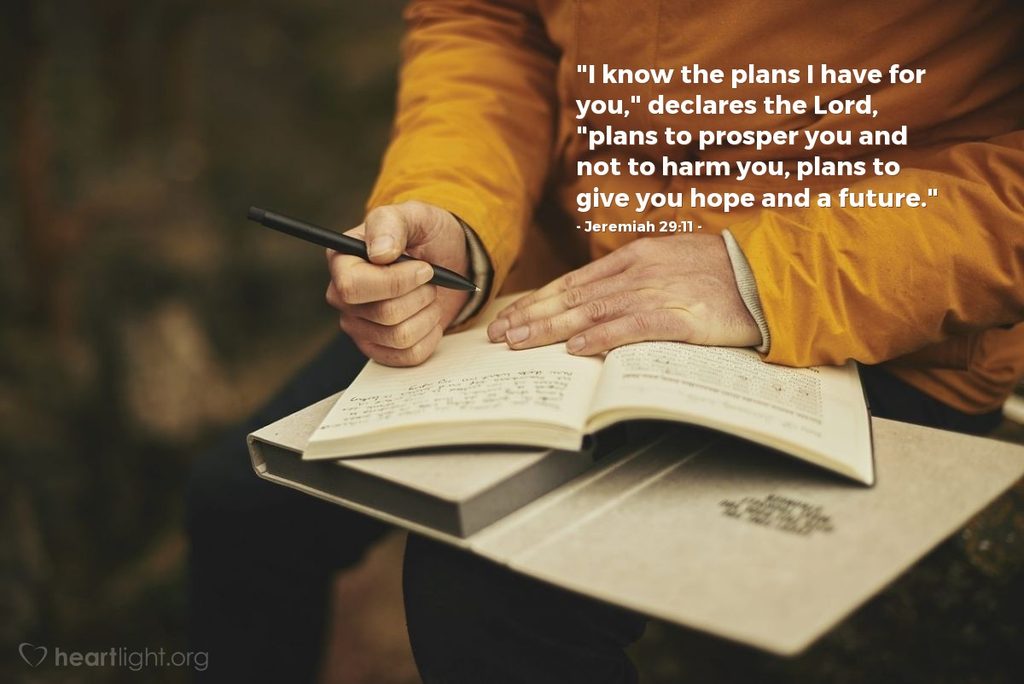
“I know the plans I have for you,” declares the Lord, “plans to prosper you and not to harm you, plans to give you hope and a future.”
—Jeremiah 29:11
When Israel lay devastated in the face of a ruthless enemy that would rob them of all their glory and strip bare the very soul of God’s people, God issued his promise. While the destruction visited upon them was in response to their rebellion and sin, God’s punishment wasn’t punitive alone; it was also redemptive. In their destruction, God promised prosperity, hope, and a future. That future was in him, not their worthiness or deservedness. Just as a doctor must sometimes cause pain when he or she sets a broken bone so it may heal properly, God’s discipline is not capricious but curative and ultimately life-giving. If you are dealing with a hard time when God may be disciplining you, please remember this promise from Jeremiah 29, which is also reflected in Paul’s famous promise in Romans 8:
And we know that in all things God works for the good of those who love him, who have been called according to his purpose (Romans 8:28).
Prayer
In my struggles, O Lord, please help me find your grace — not just in my relief from struggle and pain, but also in the redemption and change of my heart and my habits to conform me to your will and bring me to your glory. By your grace and in the name of my Savior Jesus, I trust in your promises. Amen and Amen
Truth Article by Pastor Dirk
Fishing for Jesus, Fishing with Jesus: The Spiritual Journey of Jesus and Fishing
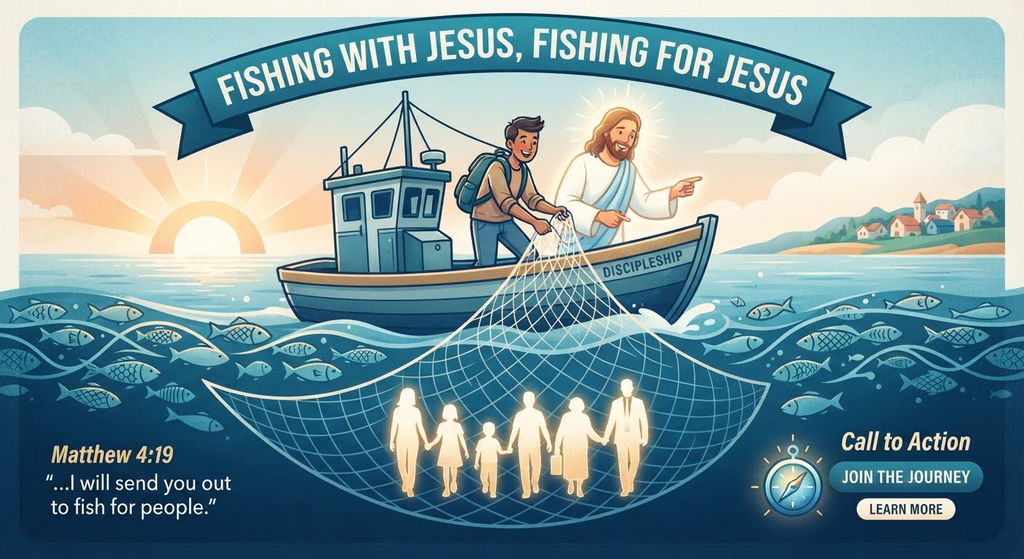
The connection between Jesus Christ and fishing is woven deeply into the fabric of the New Testament. Fishing was not just a common trade in first-century Galilee; it became a profound metaphor for discipleship, faith, and divine provision. Whether exploring what it means to go “fishing with Jesus” through daily reliance on His guidance, or answering the call to go “fishing for Jesus” by sharing the Gospel, the imagery of the net and the sea offers timeless lessons for believers today.
Fishing with Jesus: Trusting the Master Guide
To fish with Jesus means to invite Him into the ordinary, everyday spaces of labor, routine, and even failure. In the Gospels, some of the most intimate moments between Jesus and His disciples occurred on the water, often after a long night of fruitless toil.
In the Gospel of Luke, Simon Peter and his companions had fished all night and caught absolutely nothing. Jesus entered Peter’s boat and gave an unusual command to row out into deep water and let down the nets. Despite his exhaustion and professional skepticism, Peter obeyed.
“Master, we’ve worked hard all night and haven’t caught anything. But because you say so, I will let down the nets.” — Luke 5:5
The result was an overwhelming, miraculous catch that began to tear their nets. Fishing with Jesus requires relinquishing human logic and relying entirely on His timing and authority. It transforms moments of emptiness and exhaustion into experiences of supernatural abundance.
Fishing for Jesus: The Call to Discipleship
While fishing with Jesus fills our nets, fishing for Jesus shifts our purpose. Immediately following the miraculous catch on the Sea of Galilee, Jesus reframed the disciples’ earthly occupation into a heavenly mission. He called them to leave their nets behind to pursue an entirely new kind of harvest.
“Come, follow me,” Jesus said, “and I will send you out to fish for people.” — Matthew 4:19
To be a “fisher of men” means to actively participate in reaching out to a world drifting in deep waters. Just as physical fishing requires patience, persistence, the right tools, and an understanding of the environment, spiritual fishing requires love, prayer, scripture, and cultural awareness. It is an invitation to rescue others and bring them into the safety of God’s grace.
The Shoreline Restoration
The theme of fishing comes full circle at the end of the Gospels. In John 21, after the crucifixion and resurrection, a frustrated Peter decided to go back to what he knew best: physical fishing. Once again, after a night of catching nothing, a figure on the shore told them to cast their net on the right side of the boat.
When they did, they hauled in 153 large fish. Upon realizing the man on the shore was Jesus, Peter jumped into the water to reach Him. On the beach, Jesus did not reprimand them for abandoning their mission; instead, He had a charcoal fire burning with fish and bread already prepared.
This final encounter reminds believers that Jesus is the ultimate provider. He cares for both our physical sustenance and our spiritual restoration. He meets us in our weariness, invites us to breakfast, and redirects our focus back to feeding His sheep.
Conclusion
The spiritual journey shifts from fishing with Jesus—learning to trust His voice and experience His provision—to fishing for Jesus, where our primary occupation becomes sharing His love with mankind. By placing our lives in His hands, our empty nets are transformed into instruments of eternal impact.
NEWS MANNA

Israel Divided: The Messiah, The Temple And The Future
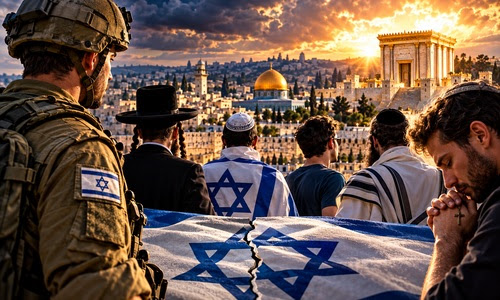
An Israeli soldier lost his military position over a single word displayed on his uniform: Mashiach — Messiah.
According to Religious Zionist lawmaker Ohad Tal, the soldier was a highly trained anti-drone specialist whose commanders ordered him to remove a patch bearing the Hebrew word for Messiah. He complied, but was nevertheless removed from his position and barred from reserve service.
The account, shared by Tal at a recent political gathering in Jerusalem, has become a symbol of a much larger struggle unfolding inside Israel.
How can a nation established as the Jewish homeland find itself divided over expressions of Jewish faith? And what does it mean to be a Jewish state when its citizens disagree so profoundly about God, the Messiah, biblical territory, and even the future of Jerusalem?
As Israelis prepare for national elections on October 27, these questions are moving from religious debates into the political arena.
For Christians watching Israel through the lens of biblical prophecy, the divisions reveal something remarkable: the Jewish people have returned to their ancient homeland, but they remain deeply divided over what that restoration actually means.
One Nation, Radically Different Visions
From the outside, Israel is often portrayed as a united Jewish nation confronting hostile enemies. The reality is considerably more complicated.
In secular Tel Aviv, many Israelis embrace Western lifestyles, support democratic institutions, and oppose religious authorities dictating public policy. Jewish identity may be deeply important to them culturally and nationally without requiring strict religious observance.
Elsewhere, Religious Zionist communities see the modern state as part of God’s unfolding plan for the Jewish people. For many, settling the biblical heartland of Judea and Samaria is not merely a political preference but a religious responsibility.
Then there are the ultra-Orthodox, or Haredi, communities, including numerous Hasidic groups, whose lives revolve around Torah study, religious law, distinctive customs, and tightly connected communities.
Some Haredi groups participate actively in Israeli politics. Others remain deeply suspicious of secular Zionism, and a small minority reject the legitimacy of a Jewish state established before the Messiah’s arrival.
These divisions cannot be reduced to religious versus nonreligious. Many Israelis fall somewhere between these categories, and disagreements within religious communities can be just as intense as those between religious and secular Jews.
Even the meaning of the Messiah is contested.
Some Religious Zionists regard the establishment of Israel as an important stage in national redemption. Other Orthodox Jews believe redemption must unfold through divine intervention rather than political activism.
Christians, of course, hold a fundamentally different conviction: that Jesus is the promised Messiah and that His return will fulfill God’s remaining promises.
The Ultra-Orthodox Question: Who Must Defend Israel?
Perhaps nowhere are these divisions more explosive than in the Israeli military.
For decades, many ultra-Orthodox men studying in religious institutions received military exemptions or deferments. Their communities have defended Torah study as an essential contribution to the spiritual survival of the Jewish people.
But as Israeli soldiers have fought prolonged wars, the arrangement has become increasingly controversial.
Families whose sons serve in dangerous combat units ask why other young men can remain in religious schools while their own children risk their lives.
Religious Zionist Jews, many of whom serve enthusiastically in the military, frequently share that frustration. Their understanding of faith includes defending the land through military service.
The dispute has reached Israel’s highest courts, which have ruled against broad exemptions lacking a legal foundation. Attempts to protect draft-eligible religious students from enforcement have generated further legal and political battles.
Military service is only part of the controversy.
Ultra-Orthodox communities often maintain separate educational systems, distinctive standards of dress, religious restrictions on technology and entertainment, and traditional expectations surrounding family life.
Questions surrounding employment, government funding, education, and integration into broader Israeli society have become major political issues.
The result is an extraordinary contradiction: some of Israel’s most religious citizens remain among the least integrated into the institutions of the modern Jewish state.
The Third Temple: Even Religious Jews Disagree
For Christians interested in Bible prophecy, another division is especially significant.
The movement to rebuild the Jewish Temple in Jerusalem is no longer merely a subject of historical speculation.
Organizations such as the Temple Institute have spent years preparing vessels, priestly garments, and educational materials associated with renewed Temple worship.
Some Jewish activists advocate expanded Jewish prayer rights on the Temple Mount, where the First and Second Temples once stood and where the Dome of the Rock and Al-Aqsa Mosque now stand.
Others believe rebuilding the Temple represents an essential step toward Israel’s spiritual restoration.
Yet these activists do not speak for all religious Jews.
Many Orthodox authorities have traditionally prohibited Jews from entering portions or all of the Temple Mount because of concerns about ritual purity and the location of the ancient Temple’s holiest areas.
Some religious Jews believe the Temple must be restored through divine intervention or in the messianic age, rather than through modern political initiatives.
Secular Israelis, meanwhile, may regard attempts to change the Temple Mount’s religious arrangements as dangerous provocations capable of igniting another regional conflict.
The irony is striking. Jews who pray daily for the restoration of Jerusalem and the Temple can disagree profoundly over whether anyone should attempt to rebuild it today.
For Christians who interpret Daniel 9:27, Matthew 24:15, and 2 Thessalonians 2:4 as pointing toward a future Temple and renewed sacrifices, these developments deserve attention.
The preparations are real. The disagreements are real. But the existence of Temple activists does not mean Israel has reached a national consensus about rebuilding the sanctuary.
The Jews Who Believe The Messiah Has Already Come
Amid these competing visions of Israel is another community that receives far less attention: Jewish Israelis who believe that Jesus — Yeshua — is the promised Messiah.
Known as Messianic Jews, they represent a tiny minority of Israel’s population. Estimates vary, with some placing their numbers around 10,000 to 30,000 and others suggesting more. Despite their small numbers, they maintain congregations throughout Israel and an active presence in Israeli society.
Many are deeply patriotic. They speak Hebrew, celebrate Jewish holidays, raise their children in Israel, and serve in the Israel Defense Forces. Some have fought and died defending their country. Their belief in Jesus has not diminished their commitment to the Jewish people or their ancestral homeland.
Yet their faith places them in a unique and sometimes difficult position.
Mainstream Jewish religious authorities generally reject the idea that someone can accept Jesus as divine Messiah while remaining religiously Jewish. Messianic believers can face social rejection, discrimination, and hostility because of their convictions.
Their presence introduces another fascinating dimension to Israel’s spiritual identity crisis. While some Jews await the Messiah, others debate whether the modern state is part of His coming, and still others prepare for a future Temple, these Jewish believers proclaim that the Messiah has already come — and that He will return.
For Christians, their existence is a reminder that the story of faith in Jesus began among the Jewish people themselves, and that Jewish followers of Christ remain part of Israel’s story today.
Gaza, Judea And Samaria: Who Owns The Biblical Land?
The struggle over Israel’s identity becomes even more contentious when the discussion turns to territory.
At a recent Jerusalem election gathering, political activist Moshe Feiglin argued that Israel’s military failures cannot be separated from its loss of biblical identity.
In his view, Gaza belongs to the Jewish people because it forms part of the land promised by God.
He advocated conquest, removal of Gaza’s Palestinian population, and renewed Jewish settlement.
His remarks drew enthusiastic applause from portions of the audience, but they also illustrated a major divide within Israeli society.
For some religious nationalists, biblical promises establish an enduring Jewish claim to the land, making territorial concessions a betrayal of Israel’s inheritance.
Others, including religious Jews who accept those biblical promises, question whether they require immediate political sovereignty over every territory or justify the displacement of existing populations.
Many security-focused Israelis oppose permanent resettlement of Gaza because of the enormous military, diplomatic, and humanitarian consequences.
Similar disagreements surround Judea and Samaria, known internationally as the West Bank, where settlement expansion and proposals for Israeli sovereignty remain fiercely contested.
These are not simply disagreements about borders.
They are competing understandings of whether modern Israel should function primarily as a democratic nation-state, a refuge for the Jewish people, or an instrument for fulfilling biblical promises.
An Election That Could Redefine Israel
On October 27, Israelis are scheduled to elect a new Knesset, potentially reshaping the coalitions that determine the nation’s direction.
Prime Minister Benjamin Netanyahu’s political future is under intense scrutiny following the failures surrounding October 7, the prolonged wars, and bitter disagreements over national leadership.
But the election reaches beyond Netanyahu.
Will religious parties gain greater influence over education, military exemptions, and public life? Will the next government accelerate settlement expansion or seek to restrain it? Will pressure grow to alter longstanding arrangements on the Temple Mount?
And will Israel’s future be shaped primarily by religious nationalism, secular democratic priorities, or a coalition attempting to reconcile the two?
Israel’s Arab citizens also have a stake in these decisions, particularly where debates over national identity, equal citizenship, and territorial policy intersect.
No election can settle every religious disagreement. Nevertheless, the coalition that emerges could influence Israeli society for years.
A Nation Restored — But Spiritually Divided
For students of Bible prophecy, there is something extraordinary about this moment.
After nearly two thousand years without an independent Jewish state, Israel has been reestablished. Hebrew has been revived as a national language. Jewish communities from around the world have returned to their ancestral homeland.
Yet political restoration has not produced spiritual unity.
Ezekiel 36–37 describes both the regathering of Israel and a profound spiritual renewal. Zechariah 12 speaks of Jerusalem becoming a burden to the nations and describes a future outpouring of repentance and mourning.
These passages remind Christians that the restoration of the Jewish people and their ultimate spiritual redemption are related but distinct themes in biblical prophecy.
The modern Jewish state is home to people who eagerly await the Messiah, people who disagree over how redemption will occur, people who have little interest in religious expectations at all, and a small but faithful community of Jewish believers who proclaim that Jesus is the Messiah.
Some dream of rebuilding the Temple. Others believe it must await God’s timing. Still others fear the consequences of attempting it.
Some see military service as a sacred duty. Others believe Torah study is their highest obligation.
And while the world focuses on Israel’s enemies beyond its borders, Israelis themselves are debating what kind of nation they want to become.
It may also reveal which vision of Israel is gaining influence at a pivotal moment in its history.
Israel has returned to the land. The struggle over its spiritual identity, however, is far from over.
spirits talking Chipotle’s Ouija Board Ad Sparks Backlash – But The Real Danger Goes Much Deeper

A fast-food chain wants to bring back its margaritas. So naturally, it turns to a Ouija board and tells customers that the spirits have spoken.
That is the premise behind Chipotle’s Halloween marketing campaign, which has drawn criticism from Christians who see something far more troubling than a questionable advertising gimmick.
The restaurant chain’s limited-time “Summon the Spirits Tour” celebrates the return of its discontinued margarita, complete with promotional imagery featuring a Ouija board and social media messaging about summoning spirits.
To corporate marketers, it’s clever wordplay. To many consumers, it’s another seasonal joke. But to Christians who take Scripture seriously, it raises a much bigger question: **When did attempting to communicate with spirits become harmless entertainment?**
The concern isn’t that Chipotle has literally summoned demons through an advertisement. It’s that the imagery of contacting spirits has become so ordinary that many people no longer recognize why Christians should object to it.
And Chipotle is hardly the whole story.
The Bible Doesn’t Treat The Occult As A Game
Ouija boards have long been associated with séances, mediums, and attempts to communicate with the dead. Today, they appear in movies, games, social media challenges, and Halloween promotions.
But changing the packaging doesn’t change the biblical warning.
Deuteronomy 18:10–12 explicitly condemns divination, sorcery, consulting mediums, and seeking communication with the dead. God describes these practices as detestable because they represent a forbidden pursuit of supernatural knowledge and power.
Leviticus 19:31 warns, “Regard not them that have familiar spirits, neither seek after wizards, to be defiled by them.”
Isaiah 8:19 asks a question that remains relevant today: “Should not a people seek unto their God? for the living to the dead?”
These aren’t isolated Old Testament warnings. In Acts 19, those who turned to Christ publicly renounced their involvement in magical practices, with many destroying books associated with their former activities.
The biblical pattern is unmistakable: God’s people are instructed to seek Him, not attempt to access the spiritual realm through mediums, divination, or occult rituals.
Opening Doors You Were Never Meant To Open
One of the most dangerous assumptions about occult practices is that participation is harmless as long as the person involved doesn’t take it seriously.
It’s only a game. It’s just curiosity. Nobody really believes anything will happen.
But since when has ignorance of spiritual danger made that danger disappear?
The movement of a Ouija board’s pointer can often be explained through the ideomotor effect, in which participants make unconscious muscular movements. Not every strange experience is supernatural, and Christians should avoid attributing every unexplained event to demonic activity.
But the central concern isn’t whether every Ouija board produces a supernatural encounter. It’s the deliberate attempt to communicate with spirits in the first place.
Scripture never suggests that occult experimentation becomes acceptable when participants are laughing, skeptical, or merely curious.
First John 4:1 instructs Christians to test the spirits, while Ephesians 6:12 reminds believers that their struggle includes spiritual forces of evil.
The question isn’t whether every Ouija board actually connects someone with a spirit. The question is why anyone would willingly participate in something God has repeatedly warned His people to avoid.
When The Occult Becomes Mainstream Entertainment
The Chipotle controversy reflects a much larger cultural shift.
Tarot readings are increasingly presented as tools for self-discovery. Astrology promises insight into relationships and destiny. Psychic consultations offer supposed contact with deceased loved ones. Spirit guides are promoted in some wellness circles as sources of wisdom.
What previous generations of Christians recognized as occult practices are now frequently repackaged as empowerment, entertainment, or spiritual exploration.
And the marketing is inviting. There is nothing particularly frightening about colorful tarot cards, a fashionable psychic influencer, or a Ouija board appearing in a humorous commercial.
That is precisely why discernment is necessary.
Christians need not believe every Halloween decoration is demonic or that watching a fictional supernatural story constitutes occult participation. There is a meaningful distinction between portraying something and deliberately practicing it.
But when society treats divination, spirit communication, and supernatural guidance as recreational activities, Christians should recognize the danger.
The concern is not simply that people become comfortable with occult imagery. It’s that they may eventually become comfortable with the practices themselves.
The Spiritual Battle Most People No Longer Believe Exists
Perhaps the greatest irony is that our increasingly secular culture dismisses biblical warnings about demons while embracing practices built around communicating with unseen spiritual forces.
People who laugh at the suggestion that demonic deception is real may still consult tarot cards, pay psychics for guidance, or attempt to contact deceased relatives.
Second Corinthians 11:14 warns that Satan can disguise himself as an angel of light. Spiritual deception does not always announce itself as evil. Something that appears comforting, enlightening, or benevolent is not necessarily from God.
This is especially important when people seek supernatural reassurance during grief or uncertainty. The desire to hear from a deceased loved one may be understandable, but Scripture directs believers toward God for comfort and truth.
Christians are not called to live in terror of demonic forces. They are called to recognize spiritual danger, resist deception, and remain grounded in Christ.
James 4:7 provides the proper response: “Submit yourselves therefore to God. Resist the devil, and he will flee from you.”
Scripture doesn’t encourage believers to experiment with spiritual darkness. It tells them to resist it.
A Warning Worth Taking Seriously
Ultimately, the question isn’t whether Christians should boycott Chipotle. Individual believers can make that decision according to their convictions.
The bigger issue is what happens when practices explicitly condemned in Scripture become jokes, games, and marketing opportunities.
Parents should be concerned about what children learn from this normalization. Churches must teach clearly about spiritual warfare and discernment rather than leaving believers to learn about the spiritual realm from entertainment and social media.
Chipotle may have intended nothing more than a clever way to sell margaritas. But the broader issue deserves more serious consideration than another round of online outrage.
The occult does not become spiritually harmless simply because someone puts it on a game board, turns it into a social media trend, or uses it to sell a product.
For Christians, the question has never been whether the world considers these things entertaining. The question is whether God considers them acceptable.
And on the subject of seeking contact with spirits and the dead, Scripture has already spoken.

TruLight TV = Tim Lovelace: From Comedy to Music
Struggling to love those who have caused you pain? You’re not alone. Luckily, the Bible sheds light on the importance of loving even those who may seem unlovable. Check out today’s video to gain insight on the life-changing effects of love. On Gospel Music USA, we have Tim Lovelace, a talented comedian and musician who has been honored with Grammy and Dove nominations. His clean humor and versatility make him a crowd-pleaser for all ages. Thanks for watching and enjoy the show!
Today on TruLight Radio XM
TruLight Radio XM 24/7
Program
GMT / UTC +2
Monday To Fridays
00:15 Words to Live By Testimonies
01.15 Science Scripture and Salvation
02.15 Ground Works
04.00 Gospel Concert of the Day
05.00 The Daren Streblow Comedy Show
5:55 It is Today devotional
6:00 Gaither Homecoming Morning Show
7:15 Discover the Word
8.15 Destined for Victory
8:55 Science Scripture and Salvation
9:00 Holy Spirit Hour – Normally Sermons
10:15 Hope of the Heart
11:15 Unshackled
11.45 Words to Live By
12:15 Truth for Life
13:15 Living on the Edge with Chip Ingram
14:15 Focus on the Family
15:00 Kids Hour
16:00 In Touch with Dr. Charles Stanley
16:30 Groundwork
17:15 Live in the Light
18:15 Renewing your Mind
19:00 Gaither Homecoming Show
20:15 Growing Hope
21:15 Adventures in Odyssey Radio Drama
21:45 Bible Reading
22:15 Night-sounds
23.00 Good Old Country Gospel / Rhema Gospel Express
VISIT THE WEBSITE
https://trulightradioxm.org.za
TruLight Ministry News – EXTRA MANNA
TruLight Ministries orders from God since 2012 . Teach Them , Comfort Them and Warn Them!
TruLight News

TruLight Ministries International shaping up our digital platforms for gospel music and audio programming! www.TruPlay.co.za – If you are looking to stream gospel music, sermons, or radio dramas, you can access their active streaming media through the official TruLight Ministry portals:• Radio & Music: Stream Live Broadcast directly via their main portal to enjoy uplifting gospel music and praise and worship tracks- www.TruLightRadioXM.org.za • Video & Television: Watch gospel music concert events, and daily programs on www.TruLightTV.org.za • Daily Devotionals: Read scripture and daily spiritual nourishment in multiple languages on www.TruLightDailyManna.co.za

Artist Liners
Healing Truths.
End Time Articles.
Picture Manna to Share
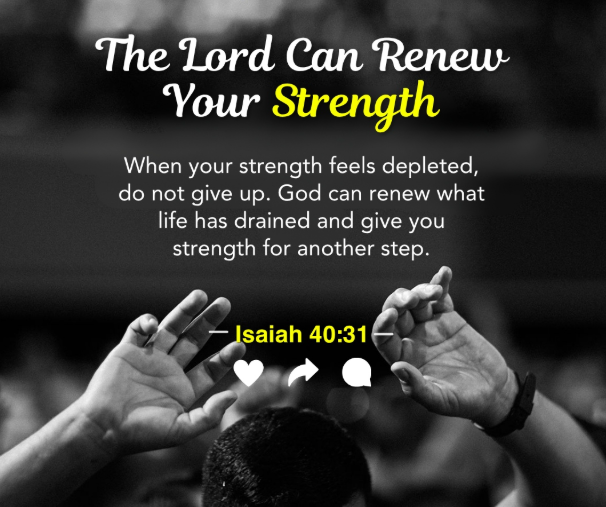
From God – I can Renew Your Strength – Be Still and Know
From Jesus – My Father is Bigger than your Mountain you May Face

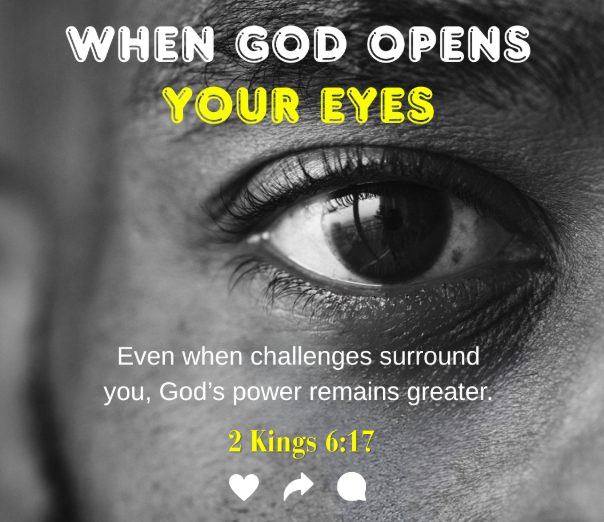
From the Holy Spirit – I was sent by God to Open your spiritual Eyes
Share this Feeding of Manna with your Friends and Family. just click on the Social Media icon and share This Manna with your Friends and Family. just click on the Social Media icon and share !