Hosted by TruLight Ministries International – The Place of Truth
SELECT YOUR READING LANGUAGE – BOTTOM LEFT = YOUR DAILY MANNA NOW AVAILABLE IN 103 LANGUAGES
@ TruLight Daily Manna is not Just a Bible Verse with a Small Prayer . NO ::: WE SERVE DAILY Manna for the ENTIRE Day . Breakfast , Lunch , Dinner , Plus tea Times and even Entertainment Manna . Plus News Manna and More , This Daily Manna will keep you Spiritually full for the full 48 Hours and even More to Share with your Friends and Family !!!
After Forgiveness SIN NO MORE – THE DANGER OF CONTINUES SIN

John_5:14 Afterward Jesus findeth him in the temple, and said unto him, Behold, thou art made whole: sin no more, lest a worse thing come unto thee.
Heb 10:26 – 31 For if we sin wilfully after that we have received the knowledge of the truth, there remaineth no more sacrifice for sins, But a certain fearful looking for of judgment and fiery indignation, which shall devour the adversaries. He that despised Moses’ law died without mercy under two or three witnesses: Of how much sorer punishment, suppose ye, shall he be thought worthy, who hath trodden under foot the Son of God, and hath counted the blood of the covenant, wherewith he was sanctified, an unholy thing, and hath done despite unto the Spirit of grace? For we know him that hath said, Vengeance belongeth unto me, I will recompense, saith the Lord. And again, The Lord shall judge his people. It is a fearful thing to fall into the hands of the living God.
Asking for forgiveness while intentionally continuing to sin poses severe spiritual and practical dangers. Treating God’s grace as a license to transgress—often referred to as a “get out of jail free card”—fundamentally misunderstands biblical forgiveness and true repentance (metanoia), which requires a genuine transformation of the heart and mind.
The primary spiritual, psychological, and earthly dangers of a cycle of premeditated sin and superficial confession include:
1. Spiritual Hardening and Ruin
When an individual habitually wrestles with a sin, chooses to commit it anyway, and relies on a superficial or fatalistic confession afterwards, they face profound spiritual peril. Deliberate, unrepentant sin can harden the heart, deaden the conscience, and eventually lead to spiritual ruin or apostasy. Biblical theology explicitly warns that continuing in lifestyle choices that are indistinguishable from the world should prompt a sober examination of whether true saving faith exists in the first place (2 Corinthians 13:5).
2. Mocking Christ’s Sacrifice
According to insights published by the Billy Graham Evangelistic Association, continuous and unrepentant sin makes a mockery of Christ’s sacrifice. True Christian obedience stems from an attitude of profound gratitude for the price Jesus paid on the cross. Using grace to excuse ongoing rebellion effectively minimizes the gravity of sin and treats the blood of Christ as something trivial.
3. Earthly and Horizontal Repercussions
While God’s ultimate vertical forgiveness removes eternal condemnation for believers, it does not wipe away the natural, earthly consequences of human choices. The principle of sowing and reaping remains fully intact (Galatians 6:7):
• Damaged Trust: An article by the Church of Christ at Greenwood points out that while a person may be forgiven, the emotional scars and broken trust in a marriage, family, or friendship can linger for years or never fully heal.
• Legal and Physical Penalties: A forgiven thief or reckless driver may still face severe legal prosecution, incarceration, or permanent physical injury.
4. Slavery to Sin
True conversion provides believers with the Holy Spirit to break the power of sin. As detailed by the theological resource Knowing Jesus, returning to a lifestyle of habitual transgression means willfully crawling back under a tyrannical master that Christ has already dethroned (Romans 6:1-2). This loop creates a psychological “treadmill effect”—a painful, exhausting cycle of feeling bad, trying to stop, and failing, rather than walking in genuine freedom.
WHAT DOES THE BIBLE SAY?
Here are the key biblical verses and cross-references that address the danger of asking for forgiveness while intentionally continuing to sin, organized by theological theme:
1. The Abuse of Grace & Continued Sin
These passages directly address the misconception that God’s grace serves as a license or excuse to keep sinning.
- Romans 6:1–2
“What shall we say then? Shall we continue in sin that grace may abound? Certainly not! How shall we who died to sin live any longer in it?”
- Cross-Reference: Galatians 2:17 – Warns against making Christ a “minister of sin” by using liberty to justify transgression.
- Jude 1:4
“…ungodly men, who turn the grace of our God into lewdness and deny the only Lord God and our Lord Jesus Christ.”
- Cross-Reference: 1 Peter 2:16 – Admonishes believers to live as free people, but not to use their freedom as a cover-up for evil.
2. The Danger of Willful, Deliberate Rebellion
These warnings highlight the severe spiritual peril of deliberately choosing sin after receiving the knowledge of the truth.
- Hebrews 10:26–27
“For if we sin willfully after we have received the knowledge of the truth, there no longer remains a sacrifice for sins, but a certain fearful expectation of judgment, and fiery indignation which will devour the adversaries.”
- Cross-Reference: Numbers 15:30 – In the Old Testament, anyone who sinned “presumptuously” or defiantly was cut off, as they despised the word of the Lord.
- 2 Peter 2:20–21
“For if, after they have escaped the pollutions of the world through the knowledge of the Lord and Savior Jesus Christ, they are again entangled in them and overcome, the latter end is worse for them than the beginning.”
- Cross-Reference: Proverbs 26:11 – The vivid, sobering proverb of a dog returning to its own vomit, illustrating a person returning to their old sins.
3. True Confession Demands Forsaking Sin
Scripture defines true repentance not merely as feeling sorry or asking for a clean slate, but as actively turning away from the wrong behavior.
- Proverbs 28:13
“He who covers his sins will not prosper, but whoever confesses and forsakes them will have mercy.”
- Cross-Reference: 1 John 1:9 – God is faithful to forgive us, but the context of 1 John 2:4 clarifies that anyone who claims to know Him but does not keep His commandments is not walking in the truth.
- Matthew 3:8
“Therefore bear fruits worthy of repentance.”
- Cross-Reference: Acts 26:20 – Paul preached that people should repent, turn to God, and do works befitting repentance.
4. Earthly Consequences and Sowing & Reaping
Even when eternal forgiveness is granted, God does not shield a person from the natural, painful harvest of their habitual choices.
- Galatians 6:7–8
“Do not be deceived, God is not mocked; for whatever a man sows, that he will also reap. For he who sows to his flesh will of the flesh reap corruption…”
- Cross-Reference: Hosea 8:7 – “They sow the wind, and reap the whirlwind.” Habitual sin compounds its destructive impact over time.
- 2 Samuel 12:13–14
“So David said to Nathan, ‘I have sinned against the Lord.’ And Nathan said to David, ‘The Lord also has put away your sin; you shall not die. However, because by this deed you have given great occasion to the enemies of the Lord to blaspheme, the child also who is born to you shall surely die.'”
- Cross-Reference: Psalm 99:8 – Acknowledges God as a forgiving God, but also as an avenger of their deeds, showing that forgiveness and earthly consequences coexist.
THE PLAN
Moving from theology to everyday reality, breaking the cycle of habitual sin requires structured, intentional changes to your daily environment, habits, and relationships.
The most effective, actionable steps to transition from superficial confessions to a changed life include:
1. Radical Amputation (Changing Your Environment)
In Matthew 5:29–30, Jesus used hyperbole—telling followers to gouge out an eye or cut off a hand if it causes them to sin. In practical terms, this means eliminating the access points to your specific sin.
- Digital Boundaries: If your struggle is online, install strict web filters, accountability software (like Covenant Eyes), or delete apps that trigger temptation.
- Physical Distance: If a specific location, route, or environment routinely leads to poor choices, alter your schedule to completely bypass those places.
2. Identify and Track the Pre-Sin “Triggers”
People rarely fall into habitual sin instantly; it is almost always the result of a predictable sequence of events. You must identify the emotional and physical states that lower your defenses, often summarized by the acronym H.A.L.T.:
- Hungry / Angry / Lonely / Tired
- Actionable Step: Keep a private journal. When you fail, trace the steps backward. What time was it? Who were you with? What happened three hours prior that caused stress? Once you map the trigger, you can create an exit strategy before the temptation peaks.
3. Leverage High-Stakes Accountability
Confessing your sins in secret to God is vital, but breaking a lifestyle habit requires bringing it into the light with another human being (James 5:16).
- Select the Right Person: Find a mature, trusted mentor, pastor, or counselor of the same gender who will not judge you, but will also refuse to accept your excuses.
- Give Them Permission to Ask: Do not wait for them to guess. Give them explicit permission to ask you the hardest, most specific questions about your struggle on a regular weekly basis.
4. Displace the Bad with the Good (The Crowding-Out Principle)
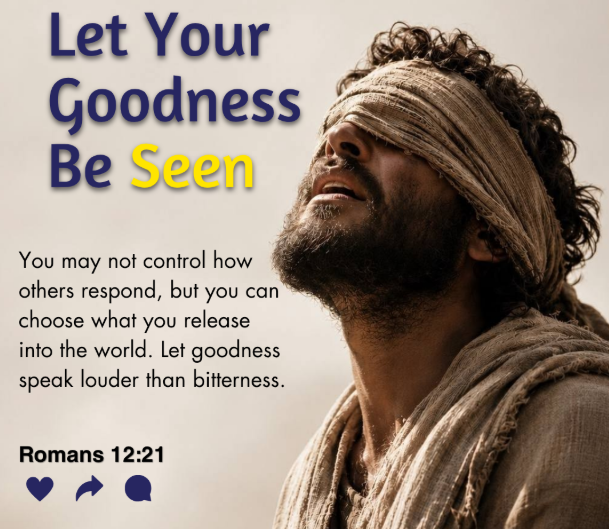
You cannot successfully fight habitual sin simply by trying not to do it. You must replace the negative habit with a positive, exhausting devotion to something better (Romans 12:21).
- The Void: If you stop an old habit, you will left with an empty block of time and energy. If you do not fill it intentionally, the old sin will return to fill the vacuum.
- Actionable Step: Schedule mandatory, high-value activities during your peak temptation hours. This could mean joining a gym, volunteering, taking a class, or scheduling deep-study time with a group.
5. Embrace the Restitution and Repair Process
True life application requires leaning into the earthly consequences rather than hiding behind the phrase “God forgave me.”
- Apologize and Restore: If your actions hurt others, initiate the difficult process of asking them for forgiveness.
- Pay the Price: If your sin caused financial damage, set up a repayment plan. If it broke trust, accept that you must patiently earn that trust back over months or years without demanding immediate forgiveness from the injured party.

Tea Time Manna
For the Lord is righteous, he loves justice; the upright will see his face.
—Psalm 11:7
Can you think of any more blessed promise for those who seek to be righteous and long to honor God and his character? We will see God face-to-face!
What a blessing! What a future! What an incredible Father!
So let’s seek our Abba Father, the Lord God, with all heart, soul, mind, and strength until we get to see him as he is, face-to-face with God in all his glory (1 John 3:1-3). Why? Because we love our God who is righteous and are thankful he loves justice.
Prayer
Dear Father, Almighty King of the ages, thank you for your great and precious promises. Thank you for your righteousness. Thank you for your love of justice. Thank you for your mercy and grace. I genuinely look forward to the day I get to see you face-to-face with Jesus, in all your glory, sharing in your eternal presence forever! In Jesus’ name, I praise and thank you. Amen and Amen
Truth Article by Pastor Dirk

18 Major News Announcements before the Return of Jesus
The Next Major News Event = on the End time , Time Line
1. a Nuclear War in the Middle East – The Gog and Magog war – Ezek 38 – 39 .
Eze 39:8-10 Behold, it is come, and it is done, saith the Lord GOD; this is the day whereof I have spoken.
And they that dwell in the cities of Israel shall go forth, and shall set on fire and burn the weapons, both the shields and the bucklers, the bows and the arrows, and the handstaves, and the spears, and they shall burn them with fire seven years:
So that they shall take no wood out of the field, neither cut down any out of the forests; for they shall burn the weapons with fire: and they shall spoil those that spoiled them, and rob those that robbed them, saith the Lord GOD.
After This. 2. The Jewish Messiah Arrives . Note this was and will not be Jesus
After This. 3. Israel Receives their approval to Build the 3rd Jewish Temple – Rev 11
Rev 11:1-3 And there was given me a reed like unto a rod: and the angel stood, saying, Rise, and measure the temple of God, and the altar, and them that worship therein.
But the court which is without the temple leave out, and measure it not; for it is given unto the Gentiles (Muslims): and the holy city shall they tread under foot forty and two months.
And I will give power unto my two witnesses, and they shall prophesy a thousand two hundred and threescore days, clothed in sackcloth.
After This. 4. The Country of Palestine is Born , Matt 24
Mat 24:15-16 When ye therefore shall see the abomination of desolation, spoken of by Daniel the prophet, stand in the holy place, (whoso readeth, let him understand:)
Then let them which be in Judaea flee into the mountains:
After This. 5. The Great Christian Revival, Acts 2 v 17-21
Act 2:16-21 But this is that which was spoken by the prophet Joel;
And it shall come to pass in the last days, saith God, I will pour out of my Spirit upon all flesh: and your sons and your daughters shall prophesy, and your young men shall see visions, and your old men shall dream dreams:
And on my servants and on my handmaidens I will pour out in those days of my Spirit; and they shall prophesy:
And I will shew wonders in heaven above, and signs in the earth beneath; blood, and fire, and vapour of smoke:
The sun shall be turned into darkness, and the moon into blood, before that great and notable day of the Lord come:
And it shall come to pass, that whosoever shall call on the name of the Lord shall be saved.
After This. 6. The Antichrist claims the 3rd Jewish Temple. Daniel 12 . Matt 24.
After This, 7. The Great Tribulation Starts. Rev 12 , Matt 24
After This. 8. The 666 Mark of the Beast is Implemented . Rev 13
After This. 9. The Seal of God Rev 7 and 9
After This. 10. Jews and Christians go into Angel Protection. Rev 12 and Ps 91
After This. 11. The 5th Trumpet = Super Volcano Erupts announcing the Wrath of God. Rev 9
After This. 12. All Bearers of the 666 receive painful and incurable sours on their bodies. Rev 16
After this. 13. The Sea water changes to stale dead Blood, all sea foods dies.Rev 16
After this, 14. All fresh water turn to stale Blood. All animals and plants dies, Rev 16
After This. 15, 6th Trumpet War about left over canned foods and bottle water products and Oil . Rev 9
After This . 16 . The Sun Explodes , Burns Humans and Fires on Earth , High Heat . Rev 16
After This . 17 . Sun Burns Out , Total Darkness on Earth. Moon no Light , Stars look like they fell out of the Sky. Rev 16
After This . 18. Blood in Euphrates river dries up. for troops of World Army to battle God. Rev 16
After This . Jesus Christ Arrive at His 2nd Coming
Mat 24:29-31 Immediately after the tribulation of those days shall the sun be darkened, and the moon shall not give her light, and the stars shall fall from heaven, and the powers of the heavens shall be shaken: And then shall appear the sign of the Son of man in heaven: and then shall all the tribes of the earth mourn, and they shall see the Son of man coming in the clouds of heaven with power and great glory. And he shall send his angels with a great sound of a trumpet, and they shall gather together his elect from the four winds, from one end of heaven to the other.
After This . The Rapture of the Elect .
1Th 4:14-17 For if we believe that Jesus died and rose again, even so them also which sleep in Jesus will God bring with him.
For this we say unto you by the word of the Lord, that we which are alive and remain unto the coming of the Lord shall not prevent them which are asleep.
For the Lord himself shall descend from heaven with a shout, with the voice of the archangel, and with the trump of God: and the dead in Christ shall rise first:
Then we which are alive and remain shall be caught up together with them in the clouds, to meet the Lord in the air: and so shall we ever be with the Lord.
After This . The Battle of Armageddon . Rev 16 to 20
And This will Happen in the Last 10 Years on Earth!
NEWS MANNA

Getting an F on your Christian Test = The Bible Literacy Crisis: When Two-Thirds Of Churchgoers Don’t Know God’s Word

IImagine walking into church this Sunday, sitting through worship, listening to the sermon, and then being handed a basic Bible knowledge test. Would you pass?
According to a troubling new study from Lifeway Research, nearly two-thirds of American churchgoers would not.
The research, involving more than 2,000 Christian churchgoers, found that 65% scored below 60% on a Bible literacy quiz. The average score was just 51%. Only 9% earned an A, while another 8% managed a B.
These were not questions designed to stump seminary professors. They covered foundational biblical knowledge: important people, familiar events, books of the Bible, well-known verses, and basic teachings of Scripture.
The findings raise an uncomfortable question: How did a nation filled with churches, Christian books, Bible apps, podcasts, and religious programming produce so many Christians who barely know their own Bible?
And perhaps more importantly, what happens to the Church when biblical ignorance becomes normal?
The Numbers Reveal A Troubling Reality
Some of the individual findings are particularly revealing.
While 94% correctly identified Moses as the man who received the Ten Commandments, only 45% knew Saul was Israel’s first king. Nearly one-third incorrectly chose David.
Only 11% could correctly arrange four significant Old Testament events in chronological order.
More concerning, nearly half of churchgoers failed to recognize that the familiar saying “God helps those who help themselves” is not found in Scripture.
And when asked which miracle Jesus did not perform, 52% failed to identify turning stones into bread. This was actually a temptation Satan presented to Jesus, which Christ rejected.
Perhaps one of the most startling findings was that 44% incorrectly believed the Gospel of Thomas was a biblical book.
These aren’t merely embarrassing trivia mistakes. They suggest a widespread inability to distinguish between biblical truth, popular religious sayings, and writings that fall outside the canon of Scripture.
And that distinction matters enormously.
A Church That Doesn’t Know Scripture Cannot Recognize Deception
Jesus repeatedly warned His followers about spiritual deception.
In Matthew 24:4, He declared, “Take heed that no man deceive you.”
The Apostle Paul warned in 2 Timothy 4:3-4 that a time would come when people would no longer endure sound doctrine but would seek teachers who tell them what their itching ears want to hear.
That warning seems particularly relevant today.
Christians are increasingly confronted with religious influencers who reinterpret Scripture to accommodate modern cultural demands. Biblical teachings about marriage, sexuality, salvation, judgment, and the exclusivity of Christ are routinely challenged, sometimes by pastors standing behind Christian pulpits.
But how can believers identify false teaching if they don’t know the original teaching?
How can they recognize Scripture being taken out of context if they have never studied the surrounding passages?
How can they defend the authority of God’s Word when their understanding of it comes primarily from social media clips, inspirational quotations, and occasional Sunday sermons?
Biblical ignorance creates fertile ground for spiritual deception.
The Bereans were commended in Acts 17:11 because they examined the Scriptures daily to determine whether even the Apostle Paul’s teachings were true.
Notice the standard: They didn’t simply trust the preacher. They tested the message against God’s Word.
That responsibility has not changed.
Have Churches Replaced Biblical Teaching With Entertainment?
The Lifeway findings should also provoke serious reflection among church leaders.
Over the past several decades, many congregations have embraced increasingly sophisticated worship productions, elaborate stage presentations, motivational sermon series, and entertainment-driven approaches to attracting visitors.
Not every modern worship method is inherently wrong. But somewhere along the way, some churches appear to have confused attracting a crowd with making disciples.
A congregation can have outstanding music, impressive attendance, and a thriving social media presence while producing believers with only a superficial understanding of Scripture.
A twenty-minute motivational talk about overcoming obstacles may leave people feeling encouraged. But encouragement without biblical substance cannot replace the systematic teaching of God’s Word.
Paul instructed Timothy to “preach the word” (2 Timothy 4:2). He did not tell him to entertain the audience, avoid difficult doctrines, or make Christianity more appealing by removing uncomfortable truths.
Churches should be asking whether their members understand the biblical foundations of their faith, not merely whether they enjoyed Sunday’s service.
Are congregations being taught the whole counsel of God? Do they understand biblical prophecy, the nature of salvation, the authority of Scripture, and the difference between truth and error?
Or are they becoming increasingly dependent on pastors and online personalities to tell them what to believe?
The Most Important Statistic May Be The Simplest
One of the clearest findings in the research was the relationship between Bible reading and biblical knowledge.
Churchgoers who read Scripture daily averaged 66% on the quiz. Those who rarely or never read the Bible averaged just 36%.
Meanwhile, only 21% of churchgoers reported reading the Bible every day, while 22% admitted they rarely or never read it.
The lesson is straightforward: Christians who spend more time in Scripture generally know Scripture better.
Yet even the average daily reader scored only 66%, suggesting that reading alone is not the entire solution. Believers also need careful study, sound teaching, and an understanding of how individual passages fit into the Bible’s larger message.
The problem is not a shortage of access.
Most American Christians can carry dozens of Bible translations in their pockets. They can listen to Scripture while driving, access free commentaries, and study virtually any passage within seconds.
Previous generations sometimes risked imprisonment or death to possess the Scriptures. Today, many believers have unlimited access to God’s Word but little appetite to study it.
That contrast should trouble us.
The Coming Test Of Biblical Discernment
For Christians who take biblical prophecy seriously, this crisis carries implications beyond the present generation.
Scripture warns that the last days will be characterized not merely by political upheaval and moral confusion, but by religious deception.
Jesus warned in Matthew 24:24 that false christs and false prophets would arise, performing great signs and wonders to deceive, if possible, even the elect.
Second Thessalonians 2 describes a coming period of extraordinary deception associated with the man of lawlessness.
Revelation 13 portrays a world in which religious deception becomes a powerful instrument for directing worship toward the Antichrist.
These passages should remind believers that spiritual deception will not always appear openly hostile to Christianity. It may come wrapped in religious language, promises of peace, impressive signs, or messages that sound compassionate and spiritually uplifting.
The safeguard is not simply belonging to a church or identifying as a Christian. It is knowing Christ, being grounded in His Word, and developing the discernment necessary to distinguish truth from error.
A biblically uninformed Church is a vulnerable Church.
The Solution Begins With An Open Bible
The answer to this crisis is not another church marketing strategy, a more elaborate worship experience, or a new Christian celebrity.
It begins with returning Scripture to the center of Christian life.
Pastors must recover the priority of serious biblical preaching. Parents must teach their children the Word of God rather than assuming an hour of Sunday school will accomplish the task. And individual believers must take responsibility for studying the Scriptures themselves.
Bible literacy is not about winning trivia contests or impressing others with theological knowledge. It is about knowing the God who has revealed Himself through His Word and being equipped to live faithfully in a world increasingly hostile to biblical truth.
Hosea 4:6 contains a sobering declaration: “My people are destroyed for lack of knowledge.”
The Lifeway study does not prove that American Christianity is approaching spiritual collapse. But it does expose a serious weakness that churches can no longer afford to ignore.
If two-thirds of churchgoers cannot pass a basic Bible knowledge test, the question is no longer whether the Church has a biblical literacy problem.
The question is what happens when the next great wave of spiritual deception arrives, and millions of Christians lack the biblical foundation to recognize it.
The Jesus + – Jesus Plus Deception Spreading Through The Church
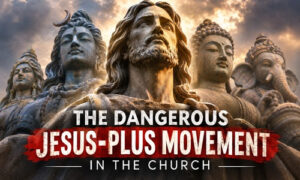
What happens when a pastor tells someone they can follow Jesus while remaining devoted to another religion? What happens when Christianity becomes less about surrendering to Christ and more about adding Him to whatever spiritual beliefs a person already holds?
For a growing segment of modern Christianity, the answer appears to be simple: As long as Jesus is somewhere in the picture, everything else is negotiable.
But that is not the Gospel. It is a dangerous counterfeit that threatens to replace biblical Christianity with something far more appealing to the modern world: a Jesus who demands nothing, condemns nothing, and never asks anyone to abandon their other gods.
And now one of America’s most recognizable megachurch pastors has ignited a controversy that exposes just how far this thinking has penetrated the Church.
When Being Hindu And Following Jesus Becomes “Cool”
Judah Smith is no obscure preacher. He leads Churchome, a prominent megachurch ministry, has preached before enormous evangelical audiences, authored bestselling books, and served as a spiritual adviser to celebrities including Justin Bieber.
His influence reaches well beyond the walls of a traditional church.
During an appearance on the Miracle Mentality podcast with Tim Storey, Smith predicted a worldwide spiritual awakening unlike anything previously witnessed.
He called it a coming “Jesus consciousness.”
Smith explained that many people he encounters are attracted to Jesus even if they reject organized Christianity. He then described a friend who identifies as Hindu while claiming to follow Jesus.
Smith’s response? “Cool, bro. You think I care?”
He went on to suggest that heaven would not hinge on whether someone adopted the title Christian, arguing that the important thing was simply following Jesus.
Of course, nobody is saved by checking a religious identification box. The word Christian itself is not some magical passport into heaven.
But that is hardly the central issue.
Can someone genuinely follow the Jesus of Scripture while continuing to worship gods that Scripture explicitly condemns?
When a pastor hears someone say they remain Hindu while following Jesus, shouldn’t the first response be to explain who Jesus actually is and what following Him requires?
The Bible Has Already Answered This Question
Throughout Scripture, God repeatedly confronts the temptation to combine true worship with false religion.
The Israelites were not merely warned against abandoning God completely. They were repeatedly condemned for attempting to worship Him alongside Baal, Asherah, Molech, and the gods of surrounding nations.
Their problem was not always that they rejected Yahweh. Often, they wanted Yahweh plus something else.
And God called it idolatry.
The first commandment could hardly be clearer: “Thou shalt have no other gods before me” (Exodus 20:3).
When Elijah confronted Israel on Mount Carmel, he did not invite the people to incorporate Yahweh into their existing religious practices. He demanded a decision.
“How long halt ye between two opinions? if the LORD be God, follow him: but if Baal, then follow him” (1 Kings 18:21).
The Apostle Paul was equally direct.
In 2 Corinthians 6:14-16, he asked what fellowship light could have with darkness and what agreement the temple of God could have with idols.
In 1 Thessalonians 1:9, Paul praised believers because they had “turned to God from idols to serve the living and true God.”
Notice the order.
They turned FROM idols TO God.
They did not add Jesus to their collection of spiritual authorities. They abandoned false worship because they had encountered the truth.
The Jesus Who Welcomes Everyone But Changes No One
There is something deeply attractive about the modern Jesus-plus message.
It promises spiritual fulfillment without confrontation. Acceptance without repentance. Salvation without surrender.
It is a message almost perfectly designed for a culture that celebrates personal autonomy and views exclusive religious claims as offensive.
But the Jesus being offered bears little resemblance to the Jesus who actually walked the earth.
Christ did not tell His followers to incorporate Him into their existing worldview. He commanded them to deny themselves, take up their crosses, and follow Him.
He declared, “I am the way, the truth, and the life: no man cometh unto the Father, but by me” (John 14:6).
And in Matthew 7:21-23, Jesus issued one of the most frightening warnings in the New Testament: not everyone who calls Him Lord will enter the kingdom of heaven.
Some will even point to their religious activities and spiritual accomplishments, only to hear Him declare that He never knew them.
That should cause every pastor to exercise extraordinary caution before suggesting that a person’s conflicting religious beliefs are unimportant.
Jesus welcomed sinners. He ate with tax collectors. He showed compassion toward those rejected by religious society.
But His invitation was never to remain unchanged.
The woman caught in adultery heard words of mercy, followed by the command to sin no more. The rich young ruler was confronted with the very thing that stood between him and surrender to Christ.
Biblical love does not hide the cost of discipleship.
A Church More Interested In Being Accepted Than Being Faithful?
Perhaps the most troubling aspect of this controversy is what it reveals about the direction of modern evangelicalism.
Church leaders increasingly face pressure to make Christianity more appealing to a generation suspicious of organized religion.
The temptation is understandable. Remove the uncomfortable doctrines. Avoid conversations about judgment, repentance, and false worship. Emphasize the beauty of Jesus while minimizing His exclusive claims.
The result may attract enormous audiences.
But attracting people to an appealing image of Jesus is not necessarily the same thing as making disciples of the biblical Christ.
A church can fill its seats while emptying its message of the very truths that make Christianity distinct.
Paul warned the Galatians that even an apparently spiritual message could become another gospel. He warned Timothy that a time would come when people would reject sound doctrine and seek teachers who would tell them what their itching ears wanted to hear.
Could there be a more appealing message for our religiously pluralistic age than the assurance that nobody needs to abandon their existing spiritual beliefs to follow Jesus?
The Coming Danger Of A Religion That Embraces Every God
There is also a larger prophetic concern Christians should not ignore.
The Bible warns that the last days will be marked not merely by open hostility toward God, but by powerful religious deception.
Jesus warned that false prophets would arise and deceive many. Paul described a coming apostasy. Revelation 13 portrays a future religious figure, often identified as the False Prophet, who will direct the world’s worship toward the Antichrist.
Scripture does not explicitly identify today’s Jesus-plus movement as the fulfillment of those prophecies. Nevertheless, the potential connection deserves serious consideration.
A culture conditioned to believe that contradictory religions can all be equally valid may become increasingly vulnerable to a future religious system that demands unity without biblical truth.
Imagine a world in which religious differences no longer matter, exclusive truth claims are considered dangerous, and all spiritual paths are encouraged to come together.
Such a message could sound remarkably peaceful. It could even borrow the language of Jesus.
But if that unity requires surrendering Christ’s exclusive claims, it would not represent biblical Christianity. It would represent its abandonment.
The danger is not that people from Hindu, Muslim, Buddhist, or other religious backgrounds are discovering Jesus. That should be celebrated.
The danger comes when spiritual leaders suggest that discovering Jesus requires no fundamental change in whom we worship or what we believe.
Jesus Is Not An Addition. He Is The Lord.
The Church does not need another spiritual movement built around a more culturally acceptable version of Jesus.
It needs pastors willing to proclaim the whole Gospel, including the parts that modern society finds offensive.
Salvation is by grace through faith, not by adopting a religious label or earning God’s approval through good works. But genuine faith is not an invitation to continue worshiping other gods.
There is room at the foot of the cross for people from every nation, tribe, language, and religious background.
But there is no room on the throne for another god.
Jesus did not come to become one more option in humanity’s spiritual marketplace. He came as the only Savior of the world.
And any movement that forgets that distinction, no matter how popular its pastors or how impressive its crowds, is leading people away from the very truth it claims to proclaim.

TruLight TV – Popcorn & Movie Time – Love Finds You in Charm
A young woman, dissatisfied with her Amish life, goes to a city to visit her cousin. She experiences the liveliness of urban life and befriends many people. She soon finds herself at the crossroads.
Today on TruLight Radio XM
TruLight Radio XM 24/7
VISIT THE WEBSITE
https://trulightradioxm.org.za
TruLight Ministry News – EXTRA MANNA
TruLight Ministries orders from God since 2012 . Teach Them , Comfort Them and Warn Them!
a TruQuestion for the Day
True or False: Human beings can earn their salvation by doing enough good deeds and living a righteous life. (Eph 2 v 8-9)
Our TruPlay website is coming together – Stunning Music , Plays and Podcasts , Easy Radio Player and More https://truplay.co.za

TruLight News

A PLAY A DAY !


🎭 The Mirror of Wisdom: A Hard Truth from the Book of Proverbs
The single hardest truth to swallow in the Book of Proverbs is that you are not the hero of the story—you are often the fool. While readers usually approach this ancient text looking for a roadmap to success, an honest reading forces an unsettling clinical diagnosis of our own pride, careless words, and moral shortcomings.
🔍 The Great Diagnosis: Sinner, Not Saint
When reading the compressed wisdom of Solomon, it is easy to naturally align ourselves with the “wise son,” the “diligent worker,” or the “man of integrity”. However, a closer look at the text reveals a sharp mirror:
- The Trap of Arrogance: Proverbs 26:12 states, “Do you see a man who is wise in his own eyes? There is more hope for a fool than for him.” The book reveals that past competence often creates the illusion of future wisdom, exposing our deep-seated pride.
- The Weapon of Speech: While we like to think we exercise perfect self-control, Proverbs 18:7 cuts deep: “The mouth of a fool brings ruin to him, and his lips are a snare to his soul.” Our quick, careless words regularly cause unnecessary hurt.
- The Rejection of Feedback: Proverbs 12:1 bluntly notes that “he who hates correction is stupid.” Defensiveness in the face of critique is the hallmark of the foolish, not the wise.
⚖️ General Observations, Not Absolute Promises
Another difficult truth for many readers to grasp is the literary nature of the book itself. Proverbs are observations of probabilities, not absolute guarantees from God.
A prominent example is Proverbs 22:6: “Train up a child in the way he should go, and when he is old he will not depart from it.” In reality, many deeply devoted parents raise children who choose their own destructive paths. Because these sayings describe how life generally operates rather than functioning as cosmic contracts, the righteous still suffer, and the foolish sometimes appear to prosper.
🕊️ From Brokenness to Grace
Ultimately, internalising the truths of Proverbs leaves the reader broken by the realization that they act like a fool far more often than they act wise. This is the necessary theological pivot of the text. It strips away self-reliance and forces a humble reliance on divine grace, serving as an Old Testament framework that points directly to the need for a Savior.
Artist Liners
Picture Manna to Share
From God –
From Jesus –

From the Holy Spirit –
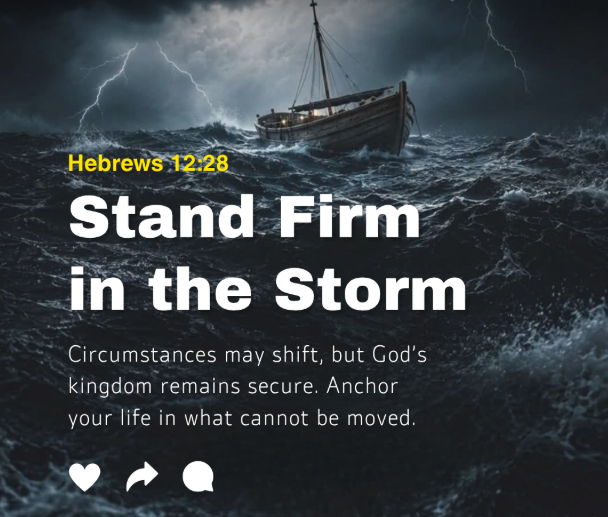
Share this Feeding of Manna with your Friends and Family. just click on the Social Media icon and share !