Hosted by TruLight Ministries International – The Place of Truth
SELECT YOUR READING LANGUAGE – BOTTOM LEFT = YOUR DAILY MANNA NOW AVAILABLE IN 103 LANGUAGES
@ TruLight Daily Manna is not Just a Bible Verse with a Small Prayer . NO ::: WE SERVE DAILY Manna for the ENTIRE Day . Breakfast , Lunch , Dinner , Plus tea Times and even Entertainment Manna . Plus News Manna and More , This Daily Manna will keep you Spiritually full for the full 48 Hours and even More to Share with your Friends and Family !!!
The Wound that Becomes a Weapon !
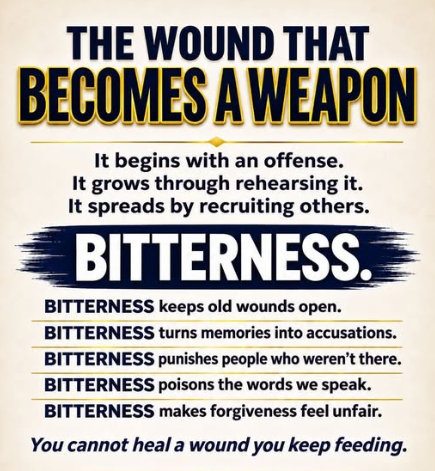
The Wound That Becomes a Weapon: Why You Cannot Heal What You Keep Feeding
Pain is an inevitable part of living in a broken world, and the Bible never asks you to pretend an injury did not hurt. However, while the initial cut is often inflicted by someone else, what happens next is placed in your hands. When an unhealed hurt is rehearsed, protected, and nurtured, it undergoes a dangerous transformation: a wound that is fed eventually becomes a weapon.
Scripture warns that bitterness is not a shield that protects you from future pain, but a poison that destroys you from the inside out.
How a Wound Turns Into a Weapon
A physical cut heals when it is cleaned, dressed, and left alone to mend. If you constantly pick at the scab, the wound stays open and invites infection. Spiritual and emotional injuries work the same way.
- Rehearsing the Offense. Bitterness grows when you replay the memory, collect grievances, and keep a mental ledger of wrongs. Instead of seeking restoration, the heart begins stockpiling past failures as ammunition for future arguments.
- Mistaking Poison for Justice. Holding onto anger often feels justified because letting go feels like letting the offender off the hook. In reality, refusing to release the debt keeps you tethered to the person who hurt you.
- Spreading the Infection. As warned in Hebrews 12 v 15 a bitter root grows underground before it ever breaks the surface, eventually springing up to “cause trouble and defile many”. Unhealed people frequently bleed on innocent bystanders—damaging marriages, friendships, and churches.
What Scripture Says About Feeding the Wound
The Bible addresses unresolved anger with urgency because it recognizes how quickly hurt turns into spiritual bondage.
| Scripture Reference | Core Warning | Practical Truth |
|---|---|---|
| Ephesians 4:26–27 | Do not let the sun go down on your anger, and do not give the devil a foothold. | Unresolved hurt creates an open door for spiritual torment and manipulation. |
| Ephesians 4:31–32 | Get rid of all bitterness, rage, anger, brawling, and slander. | Bitterness is the gateway emotion that fuels destructive words and malice. |
| James 3:14–16 | Harboring bitter envy and selfish ambition leads to disorder and evil. | Keeping score invites chaos into every area of your personal peace. |
| Genesis 50:20 | What others meant for evil, God can use for good. | Surrendering the offense allows God’s sovereignty to redeem your pain. |
How to Starve Bitterness and Begin Healing
Starving your soul of bitterness requires actively feeding it with grace instead. You cannot heal a wound while keeping your hands on the knife.
- Name the Root Honestly. Acknowledge the specific hurt and the person attached to it rather than masking anger as “discernment” or “righteous indignation”. Roots are far easier to pull when they are exposed to the light.
- Surrender the Right to Retaliate. Forgiveness does not mean excusing sin, erasing memory, or instantly restoring unsafe trust. It means handing the gavel to God and trusting His justice rather than acting as judge and executioner.
- Starve the Rumination. Stop revisiting old conversations, social media profiles, or grievances that reopen the cut. Replace mental rehearsals of the wrong with intentional prayer for the person who caused it.
- Anchor Yourself in Christ’s Mercy. Scripture commands us to forgive “just as in Christ God forgave you”. Healing flows when you measure the offense against the immense grace you have already received, rather than whether the offender deserves it

Tea Time Manna
Since the day we heard about you, we have not stopped praying for you and asking God to fill you with the knowledge of his will through all spiritual wisdom and understanding.
—Colossians 1:9
In a world where we can feel so isolated and alone at times, despite all the ways we can connect online, it’s important to know someone is praying for us and our spiritual needs. That also means we need to let others know we are praying for them, and tell them what we are praying for them! As I think of the hundreds of thousands who are a part of Verse of the Day, I cannot help but pray that each of them, that you specifically, are blessed by knowing that you share a spiritual journey with people all over the world, and that today, we will be praying for each other. And of course, there can be no better prayer than the one that Paul prayed for the Colossian friends he had never met:
[I ask] God to fill you with the knowledge of his will through all spiritual wisdom and understanding.
Prayer
Oh precious and divine Father, today we pray for the other believers in our worldwide family of faith, believers seeking to live for Jesus. Though we live all over the world and have all sorts of needs, we also realize that our deepest need is to know you, the true and living God, and to live out your will confidently, believing that you know us and love us. Please fill us with the true knowledge of your will through Spirit-led wisdom and understanding. We want to know, honor, serve, and ultimately, see you and each other face-to-face in glory. In the name of our older brother Jesus, we pray. Amen and Amen
Truth Article by Pastor Dirk
TruLight Ministries : What we Stand for !!
Founding Statement
We believe in the Trinity, that God the Father created Heaven and Earth and us as humans We Believe in Jesus Christ the Son of God, That he died for our sins on the Cross, that He arose on the 3rd day and ascended to Heaven to prepare a place for us. We Believe in the Holy Spirit as the Leading Spirit of God and moves with the 4 Living Beings to Baptism the Children of God in being Spirit Filled. We Believe in Angels, heavenly beings that’s there to serve, protect and assist the Trinity and us the Spirit filled children of God. We Believe we have an enemy – satan and his demons, but him and his friends are under our feet as Spirit filled Children of God. We Believe that sin is the reason for eternal punishment and that satan and his demons will also be punished after the Great White Throne Judgement. We Believe in the gifts of the Spirit given to us by The 7 Spirits of God Lead by the Holy Spirit. and this we will bare the fruits of the Spirit. We Believe in Repentance of Sin, Baptism of Water and Baptism of the Holy Spirit. We Believe that Jesus Christ will come again to collect His bride one day!
DECLARATION OF DEPENDENCE UPON GOD AND HIS HOLY BIBLE.
We hold these truths to be self-evident, that all men are created equal and endowed by their Creator with certain unalienable rights. Since our Creator gave us these rights, we declare that no government has the right to take them away. Among these rights is the right to exercise our Christian beliefs as put forth in God’s Holy Bible. We therefore declare that God grants life at conception and no one has the right to take that life unless it is a direct threat to the life of the mother. Marriage was instituted by God between one man and one woman. The Lord gave only this family unit the responsibility to have children and raise them in the fear of the Lord. We therefore respectfully reserve the right to refuse any mandate by the government that forces us to fund or support abortion. We also oppose same sex marriage, polygamy, bestiality, and all other forms of sexual perversion prohibited by Holy Scripture. We proclaim that Jesus has provided the cure for all sin and therefore reach out to the sinner in love, but do not embrace the sin, knowing its destructive nature. Therefore, we, the undersigned—not only as Christians but also believing we have the constitutional right as South Africans to follow these time honored Christian beliefs—commit to conducting our churches, ministries, businesses, and personal lives in accordance with our Christian faith and choose to obey God rather than man. The Ownership of TruLight Ministries International
NEWS MANNA
Trump’s Words About Heaven Put A Question Before Every Christian
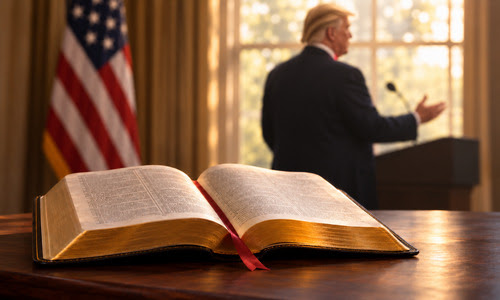
In a November 8 interview with 60 Minutes correspondent Ross Douthat, President Donald Trump was asked where he thinks he will go after death—and whether he could forgive political enemies. His answers have stirred strong reactions. Earlier this year, Trump also made a sweeping claim about his role in Israel’s survival, saying, “Without me, there would be no Israel.”
Some critics are using these remarks to attack him. Some supporters may be tempted to dismiss them because they came from a president they admire.
Christians should do neither. We should take the words seriously, measure them against Scripture, and then ask what they reveal about our own hearts.
The point is not to pronounce judgment on the president’s soul. Only God knows a person’s heart. The point is to remember that no office, political victory, national achievement, or religious label can answer the question each of us must face: Am I trusting Christ, and is His grace changing me?
“Without Me, There Would Be No Israel”
Trump has described his role in supporting Israel and confronting threats to its existence in sweeping terms, including the claim that without him, “there would be no Israel.” Those remarks may reflect his conviction that his decisions made a decisive difference. Presidents do make consequential choices. But Scripture warns every leader—and every one of us—against confusing influence with ultimate authority.
King Nebuchadnezzar looked at Babylon and boasted, “Is not this great Babylon, that I have built?” God humbled him until he acknowledged that “the Most High ruleth in the kingdom of men” (Daniel 4:30–32). The warning was not that rulers accomplish nothing. It was that power, success, and achievement do not belong to us in the absolute sense.
That lesson applies to America, Israel, and every person who has been given a position of influence. Christians can be grateful for leaders who defend Israel and make decisions we believe are right. But our confidence must rest in God, not in the idea that one man is indispensable to the future of a nation. Scripture presents God as sovereign over history, raising up rulers and holding them accountable.
Pride can take root in a president’s boast. It can also take root in ordinary believers who quietly credit themselves for their success, their family, their church, or even their faith. James writes, “God resisteth the proud, but giveth grace unto the humble” (James 4:6). The question is not simply whether a politician gives God enough credit. It is whether we do.
“I’m A Religious Person, So In Theory I Go To Heaven”
Asked where he expects to go when he dies, Trump said, “I’m a religious person, so in theory I go to heaven.” He added that he hopes to go to heaven and does not want to go to hell.
That answer deserves a clear biblical response: being religious does not save us. Neither does attending church, supporting Christian causes, defending religious liberty, or doing good works. Those things may matter, but they cannot erase sin or reconcile us to God.
Paul writes that salvation is “by grace…through faith,” and “not of works” (Ephesians 2:8–9). Titus 3:5 says God saves us “not by works of righteousness which we have done, but according to his mercy.” The Christian hope is not that our record is good enough. It is that Jesus Christ died for sinners and rose again, and that we receive salvation by trusting Him.
But grace is not a slogan we use to avoid change. The next verse in Ephesians says believers are created in Christ Jesus “unto good works” (Ephesians 2:10). Good works do not purchase salvation; they are the fruit of a life being changed by God. Jesus told Nicodemus that a person must be born again to see the kingdom of God (John 3:3).
That should make every churchgoer stop and examine himself. Have I trusted Christ, or am I relying on my attendance, my reputation, my political convictions, or the good things I have done? Do I know the gospel as the truth that saves me, or have I settled for being “religious”?
Forgiveness Does Not Mean Abandoning Justice
The most sobering exchange in the 60 Minutes interview came when Trump was asked whether he could forgive his political enemies. He said no, adding, “I do hate some of my enemies and I always will.”
There is an important distinction here. Personal forgiveness and a president’s responsibility to defend the country are not the same thing. A leader must protect the people, respond to genuine threats, and ensure that laws are enforced. Forgiving a person who commits a crime does not mean the state must ignore the crime or abandon justice. Scripture recognizes the government’s responsibility to punish wrongdoing and protect the innocent (Romans 13:1–4).
A president can take a firm stand against an adversary, defend the nation, and support lawful punishment while personally refusing to live in hatred. Justice is not vengeance. Accountability is not bitterness. Forgiveness does not require a leader to pretend that a threat is harmless or that a serious offense never happened.
But Jesus’ command to His followers remains unmistakable: “Love your enemies, bless them that curse you, do good to them that hate you, and pray for them” (Matthew 5:44). And when Trump was asked about forgiving personal political enemies, his answer went beyond the duties of his office. He said he could not forgive them and would always hate some of them.
Forgiveness is difficult. Scripture does not require us to call evil good, excuse wrongdoing, or pretend trust can be instantly restored. Forgiveness is not the same as reconciliation, and reconciliation may require repentance and changed behavior.
But Jesus also taught His followers to pray, “Forgive us our debts, as we forgive our debtors” (Matthew 6:12). He warned that refusing to forgive others is a matter we must take seriously before God (Matthew 6:14–15). That does not mean forgiveness earns heaven. We are saved by grace, not by passing a test of perfect emotional control. But a person who has received mercy from Christ cannot treat hatred as a permanent virtue.
The Bible’s example is not weakness. Jesus prayed for those who crucified Him. Stephen prayed for those killing him. Paul wrote, “Avenge not yourselves,” leaving judgment to God (Romans 12:19). Forgiveness entrusts justice to the Lord while refusing to let bitterness rule us.
Here, too, the president’s words turn the question back on us. Whose name makes anger rise in your heart? A political opponent? A family member? Someone who betrayed you, mocked your faith, or harmed someone you love? Are you praying for that person, or feeding the grievance? Have you asked God to help you forgive, even if trust and reconciliation remain unresolved?
The Question Comes Home
Trump’s bluntness may unsettle Christians who support him. It should. But the right response is not to turn this into a political loyalty test or an opportunity to declare that we know the state of another person’s soul. Nor should support for a leader make us excuse words that conflict with Scripture.
We can pray for a president, appreciate decisions we believe have helped our country and Israel, and still recognize that every person needs Christ. Scripture tells us to pray for those in authority (1 Timothy 2:1–2). That includes praying for humility, repentance, wisdom, and a heart shaped by God’s mercy.
And we must pray the same things for ourselves.
Are we trusting Christ, or our religious résumé? Are we grateful for what God has done, or convinced that our success proves our greatness? Are we extending mercy to others, or holding on to hatred while asking God to forgive us?
The president’s comments have put eternal questions into the public conversation. They are not questions for Trump alone. Every one of us will stand before God. The answer will not be our office, our party, our church attendance, or our list of enemies. Our hope is Jesus Christ—and genuine faith in Him calls us to humility, repentance, and a life increasingly marked by the mercy we have received.

TruLight TV – Popcorn & Movie Time – Once I Was a Beehive
Still reeling from the death of her father, a 16-year-old (Paris Warner) attends a Bible-themed camp with a group of young people they call themselves beehives.
Today on TruLight Radio XM
TruLight Radio XM 24/7
VISIT THE WEBSITE
https://trulightradioxm.org.za
TruLight Ministry News – EXTRA MANNA
TruLight Ministries orders from God since 2012 . Teach Them , Comfort Them and Warn Them!
a TruQuestion for the Day
On which day of creation did God create the sun, moon, and stars? A. Day 2 B. Day 4 C. Day 6 D. Day 7
Our TruPlay website is coming together – Stunning Music , Plays and Podcasts , Easy Radio Player and More https://truplay.co.za

TruLight News

A PLAY A DAY !


The hard truth at the center of the Book of Daniel is that true faithfulness to God requires daily, uncompromising integrity in a hostile culture without any guarantee of immediate escape or worldly comfort. While the story is often remembered for dramatic miracles like the lions’ den, its deeper reality confronts readers with the cost of exile, the limits of human power, and the long wait for divine justice.
- Faithfulness Begins in Obscurity, Not in Crisis
- The myth of sudden courage. Many readers assume Daniel’s boldness in the lions’ den was a sudden burst of heroism during a crisis. In reality, his capacity to stand firm at age seventy was forged through decades of quiet, everyday obedience.
- Small compromises matter. As a teenager taken captive to Babylon in 605 BC, Daniel faced pressure to assimilate through new names, pagan education, and royal food. By refusing the king’s food and maintaining a strict habit of praying three times a day, he proved that private discipline builds the backbone needed for public trials.
- God’s Sovereignty Does Not Prevent Exile or Suffering
- Loss comes before deliverance. The narrative opens not with triumph, but with tragedy as King Nebuchadnezzar destroys Jerusalem, plunders Solomon’s temple, and strips young Israelites of their homeland and identity.
- Waiting is part of the plan. Rather than promising a quick rescue back to Jerusalem, Daniel’s visions reveal that Israel’s restoration will face a sevenfold postponement. Believers are called to seek the welfare of the foreign empire they live in while enduring generations of worldly kingdoms rising and falling.
- Human Empires Naturally Become Beastly
- Power corrupts into idolatry. As highlighted by BibleProject, chapters 3 and 6 expose a harsh truth about human authority. When rulers demand ultimate loyalty and treat their own power as divine, they cease to reflect God’s image and turn into violent beasts.
- Earthly thrones are temporary. Through visions of towering statues and terrifying beasts, the text strips away the illusion that any political system or empire is permanent. Every earthly ruler has a limited time before God’s eternal kingdom replaces them all.
- Daniel Is a Testimony to God, Not Just a Moral Hero
- The danger of “Dare to be a Daniel.” Treating Daniel merely as a superhero to imitate misses the core theological point of the text. As noted by Modern Reformation, human willpower alone cannot survive the furnace or the lions’ den.
- God is the true protagonist. Daniel did not save himself from the lions, nor did his three friends fireproof themselves. The hard truth is that human beings are powerless against sin, death, and tyranny, leaving them entirely dependent on God’s faithfulness to deliver them
Artist Liners
Picture Manna to Share
From God –

From Jesus –
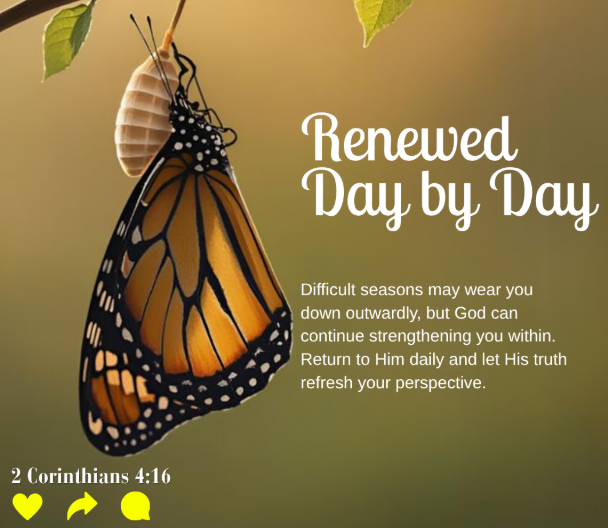
From the Holy Spirit –
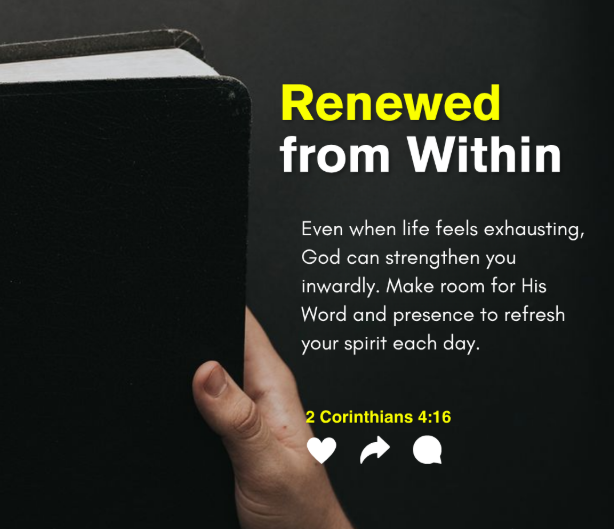
Share this Feeding of Manna with your Friends and Family. just click on the Social Media icon and share !
